The gastroparesis diet: what to eat when your stomach empties slowly
Fat, fibre and meal size decide this one. Cream causes more trouble than chilli.
Most diet advice assumes your stomach empties normally. Gastroparesis is the condition where it does not, and that changes which foods cause trouble in ways that catch people out.
Spicy food is usually fine and cream usually is not, because the rules here come down to physics. Three of them decide almost everything, and once you know them the list makes sense.
Fat, fibre and meal size
Fat slows emptying. Fat arriving in the small intestine triggers hormones that deliberately tell the stomach to slow down. In a healthy gut that is sensible pacing. When emptying is already delayed it makes things worse, which is why a creamy pasta sits for hours while a plain one does not.
Fibre resists breaking down. Your stomach has to reduce food to small particles before it passes through. Fibre resists that, so it stays in the stomach longer. Raw vegetables, legumes, nuts and wholegrains all take far longer than their cooked or refined versions. A randomised trial found that a diet built on small particle size cut upper gastrointestinal symptoms in diabetic gastroparesis.1
A large meal overwhelms a slow stomach. A stomach that empties slowly copes far better with six small meals than three large ones. Most people find this change does more than any individual food swap.
What to eat
These are the everyday ingredients that suit a slow stomach.




Journal your day.
Find your personal triggers.
Triggerbites checks every food you log against a gastroparesis diet and shows which ones your symptoms follow.

The complete list
This is every ingredient our database grades as suitable for a gastroparesis diet, grouped the way a shop is.
Herbs & Spices58 foods

| Food | Notes |
|---|---|
| SaltLevel: Safe | Salt is sodium chloride seasoning. The most common seasoning used in cooking worldwide. |
| Garlic powderLevel: Low | Garlic powder is dehydrated ground garlic. A convenient form of garlic for seasoning. |
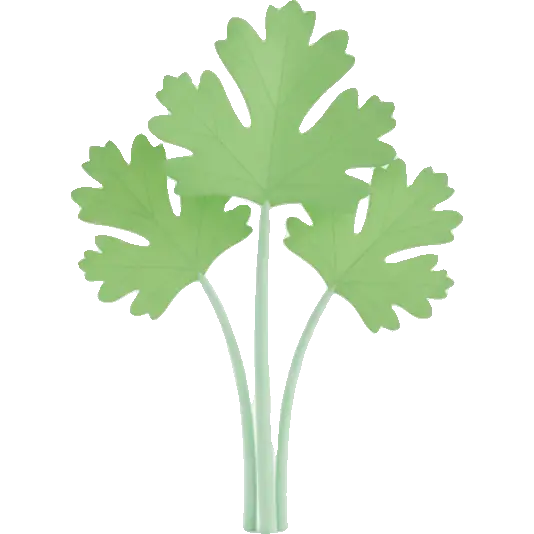
| CilantroLevel: Safe | Cilantro is the leafy herb of coriander plant. A pungent herb essential in Mexican and Asian cuisines. |
| BasilLevel: Safe | Basil is an aromatic herb in the mint family. A sweet peppery herb essential in Italian cuisine. |
| Coriander leavesLevel: Safe | Coriander leaves are the fresh herb also called cilantro. A pungent herb with bright citrus notes. |
| CorianderLevel: Low | Coriander is the seed of the cilantro plant. A warm citrusy spice used in curry blends. |
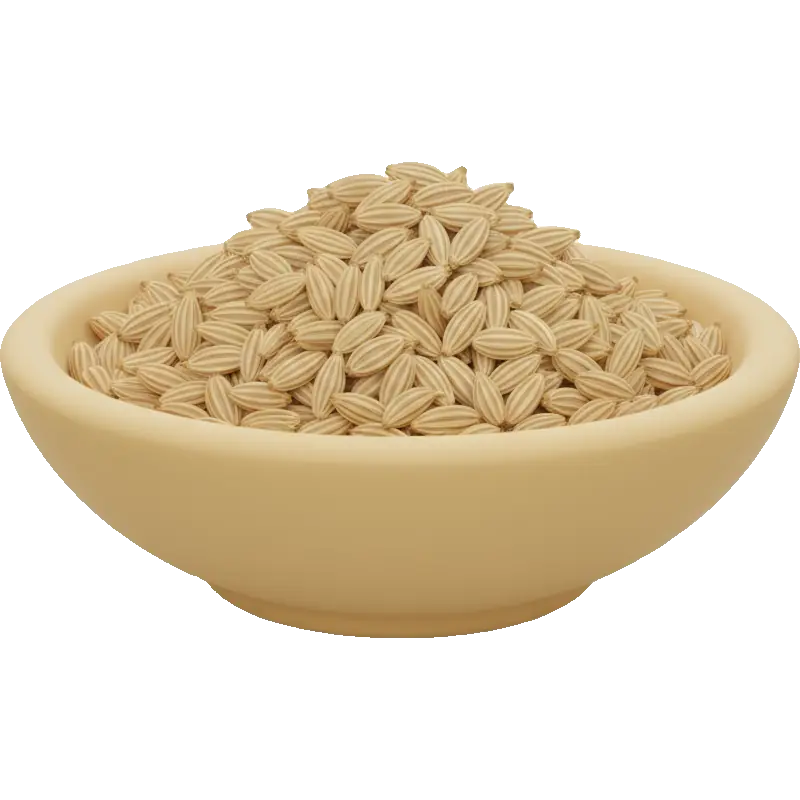
| CuminLevel: Low | Cumin is an earthy aromatic seed spice. A warm spice essential in Mexican and Indian cuisines. |
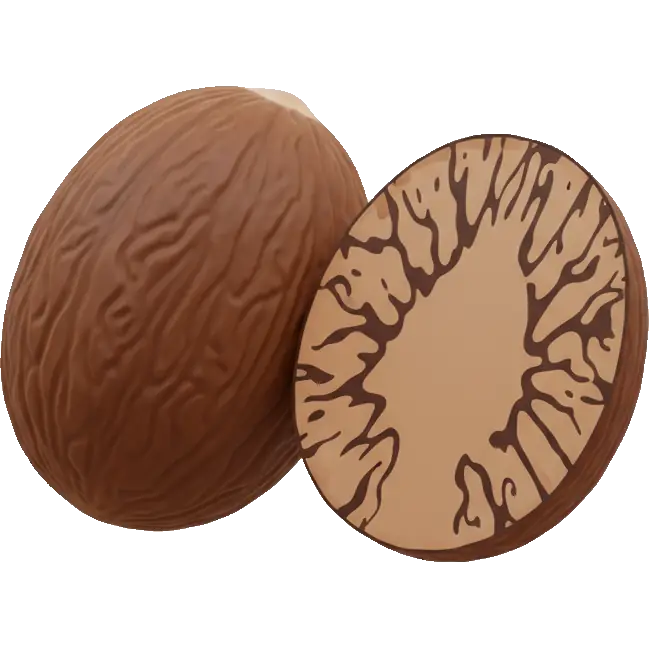
| NutmegLevel: Low | Nutmeg is an aromatic seed spice. A warm sweet spice grated for baking and savory dishes. |
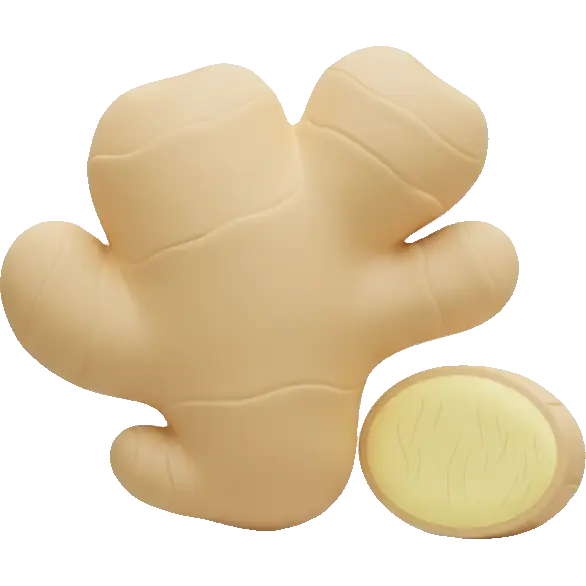
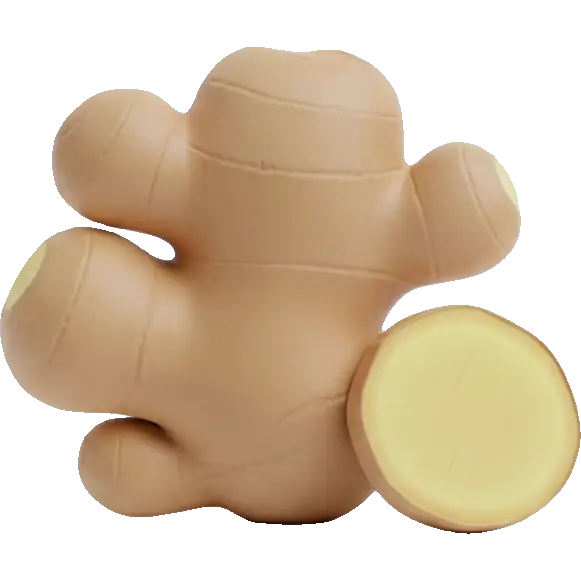
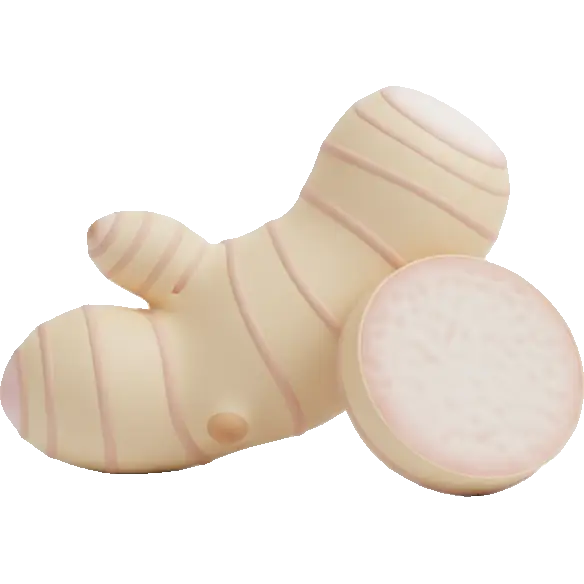
| Ginger rootLevel: Safe | Ginger root is the fresh rhizome of ginger plant. A knobby aromatic root with spicy flavor. |
| Mint leavesLevel: Safe | Mint leaves are the fresh leaves of mint plants. A cooling herb with bright menthol flavor. |
| ThymeLevel: Safe | Thyme is a fragrant Mediterranean herb. An earthy herb used in soups stews and roasts. |
| GingerLevel: Safe | Ginger is a pungent rhizome spice. A warm zesty root used fresh dried or ground. |
| MintLevel: Safe | Mint is a cool aromatic herb. A refreshing herb used in drinks desserts and savory dishes. |
| ParsleyLevel: Safe | Parsley is a fresh green herb. A mild herb used as garnish and flavoring worldwide. |
| OreganoLevel: Safe | Oregano is a robust Mediterranean herb. A pungent herb essential in Italian and Greek cuisines. |
| PaprikaLevel: Low | Paprika is ground dried sweet peppers. A mild red spice adding color and subtle sweetness. |
| CinnamonLevel: Safe | Cinnamon is aromatic tree bark spice. A warm sweet spice used in baking and savory dishes. |
| RosemaryLevel: Safe | Rosemary is an aromatic evergreen herb. A piney resinous herb used with roasted meats. |
| Cumin seedsLevel: Low | Cumin seeds are the whole form of cumin spice. Earthy aromatic seeds used whole or ground. |
| LemongrassLevel: Low | Lemongrass is a citrusy tropical grass. A fragrant herb used in Southeast Asian cuisine. |
| SageLevel: Safe | Sage is a savory gray-green herb. An earthy herb traditionally used with poultry and pork. |
| Old bay seasoningLevel: Low | Old Bay seasoning is a Maryland spice blend. A savory mix used for seafood and vegetables. |
| Turmeric powderLevel: Safe | Turmeric powder is ground dried turmeric root. A golden spice used in curries and golden milk. |
| ChiveLevel: Safe | Chive is a mild onion-family herb. A delicate herb with subtle onion flavor. |
| Bay leafLevel: Safe | Bay leaf is an aromatic dried leaf. A subtle herb used to flavor soups and stews. |
| PeppermintLevel: Safe | Peppermint is a strongly menthol herb. A cooling mint variety used in teas and candies. |
| ClovesLevel: Low | Cloves are dried flower buds with intense flavor. A pungent warm spice used in baking and cooking. |
| AllspiceLevel: Low | Allspice is a dried berry spice from Jamaica. A warm spice tasting of clove cinnamon and nutmeg. |
| Garam masalaLevel: Low | Garam masala is an Indian spice blend. A warm aromatic mix of toasted ground spices. |
| Dill weedLevel: Safe | Dill weed is the feathery green herb of dill. A fresh tangy herb used with fish and pickles. |
| TurmericLevel: Safe | Turmeric is a bright orange rhizome spice. An earthy bitter spice that colors foods yellow. |
| Smoked paprikaLevel: Low | Smoked paprika is smoke-dried ground peppers. A deep red spice with rich smoky flavor. |
| Fennel seedsLevel: Low | Fennel seeds are aromatic licorice-flavored seeds. A sweet anise-like spice used in sausages. |
| SaffronLevel: Safe | Saffron is the world's most expensive spice. A floral earthy spice from crocus flower stigmas. |
| HibiscusLevel: Low | Hibiscus is a tart dried flower. A tangy floral ingredient used in teas and beverages. |
| Curry leafLevel: Safe | Curry leaf is an aromatic South Indian herb. A citrusy herb essential in South Indian cooking. |
| GalangalLevel: Low | Galangal is a ginger-like rhizome spice. A sharp citrusy root used in Thai cuisine. |
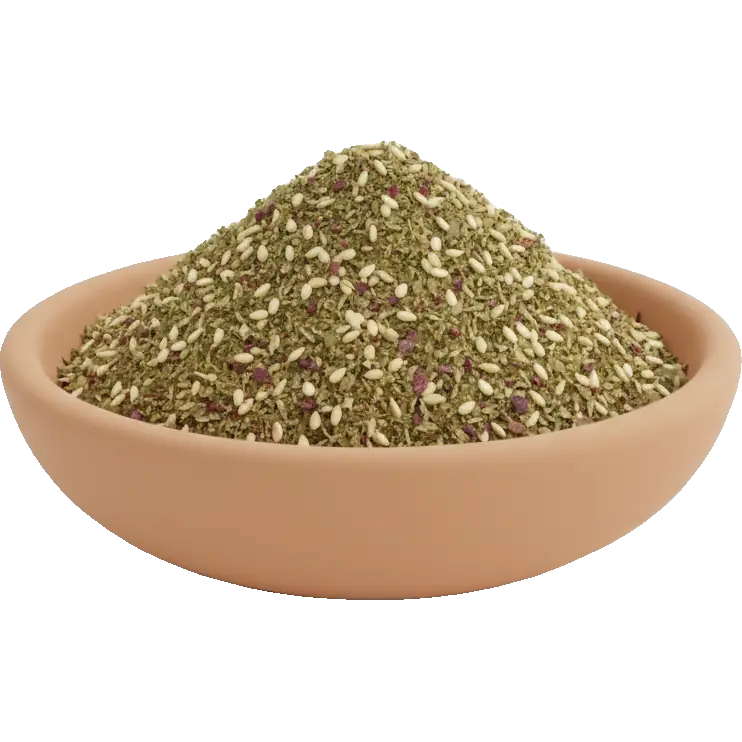
| Zaatar spice mixLevel: Low | Za'atar is a Middle Eastern herb-spice blend. A tangy mix of thyme sumac and sesame. |
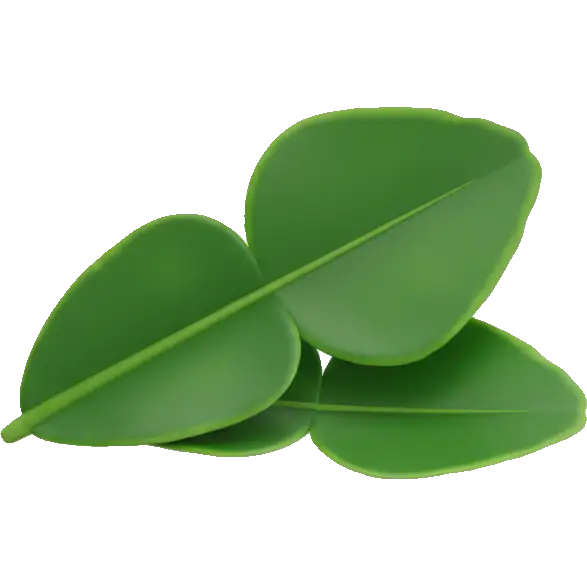
| Kaffir lime leavesLevel: Safe | Kaffir lime leaves are aromatic citrus leaves. A floral citrusy herb essential in Thai cuisine. |
| MarjoramLevel: Safe | Marjoram is a sweet herb related to oregano. A mild floral herb used in Mediterranean cuisine. |
| Ras el hanoutLevel: Low | Ras el hanout is a North African spice blend. A complex aromatic mix meaning top of the shop. |
| BaharatLevel: Low | Baharat is a Middle Eastern spice blend. A warm aromatic mix used in meat dishes. |
| Vanilla beanLevel: Safe | Vanilla bean is the pod of vanilla orchid. An aromatic bean used for extract and flavoring. |
| MaceLevel: Low | Mace is the lacy covering of nutmeg seed. A warm delicate spice similar to nutmeg. |
| SavoryLevel: Safe | Savory is a peppery Mediterranean herb. A thyme-like herb used in bean dishes and stuffings. |
| Lemon balmLevel: Safe | Lemon balm is a lemon-scented herb. A mild citrusy herb in the mint family. |
| AniseLevel: Low | Anise is a licorice-flavored spice seed. An aromatic seed used in baking and liqueurs. |
| Hungarian paprikaLevel: Low | Hungarian paprika is a prized red pepper spice. A sweet to hot paprika from Hungary. |
| Herbes de provenceLevel: Safe | Herbes de Provence is a French herb blend. A fragrant mix of dried Mediterranean herbs. |
| Fenugreek seedsLevel: Low | Fenugreek seeds are bitter maple-scented seeds. A pungent spice used in curry powders. |
| Star aniseLevel: Low | Star anise is a star-shaped licorice spice. An aromatic pod used in Asian and Western cuisines. |
| ChervilLevel: Safe | Chervil is a delicate herb related to parsley. A mild anise-flavored herb used in French cuisine. |
| TarragonLevel: Safe | Tarragon is an aromatic French herb. A licorice-flavored herb used in French cuisine. |
| Green cardamomLevel: Safe | Green cardamom is an aromatic pod spice. A floral citrusy spice used in Indian and Middle Eastern cuisines. |
| SumacLevel: Low | Sumac is a tart red berry spice. A lemony Middle Eastern spice used on meats and salads. |
| Lime leavesLevel: Safe | Lime leaves are aromatic leaves from lime trees. A citrusy herb used in Asian cooking. |
| AnnattoLevel: Safe | Annatto is a red-orange seed spice. A mild earthy spice used for coloring foods. |
| Mountain savoryLevel: Safe | Mountain savory is a peppery Mediterranean herb. A pungent herb similar to thyme and oregano. |




Fruit47 foods
| Food | Notes |
|---|---|
| BananaLevel: Safe | Banana is a curved yellow tropical fruit. A sweet creamy fruit eaten fresh or cooked. |
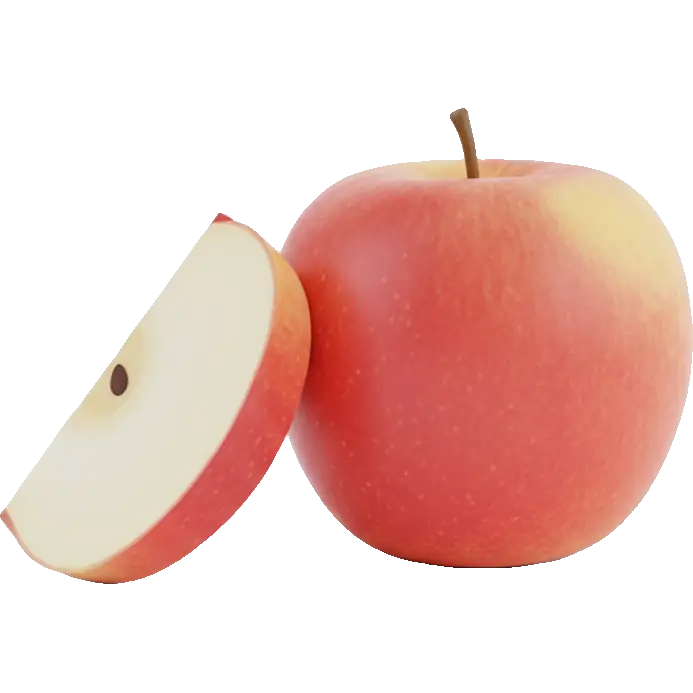
| AppleLevel: Low | Apple is a crisp round fruit. One of the most popular fruits eaten fresh or cooked. |
| LemonLevel: Safe | Lemon is a yellow citrus fruit. A sour acidic fruit essential for cooking. |
| GrapeLevel: Low | Grape is a small round fruit in clusters. A sweet juicy fruit eaten fresh or as wine. |
| LimeLevel: Safe | Lime is a small green citrus fruit. A tart acidic citrus for drinks and cooking. |
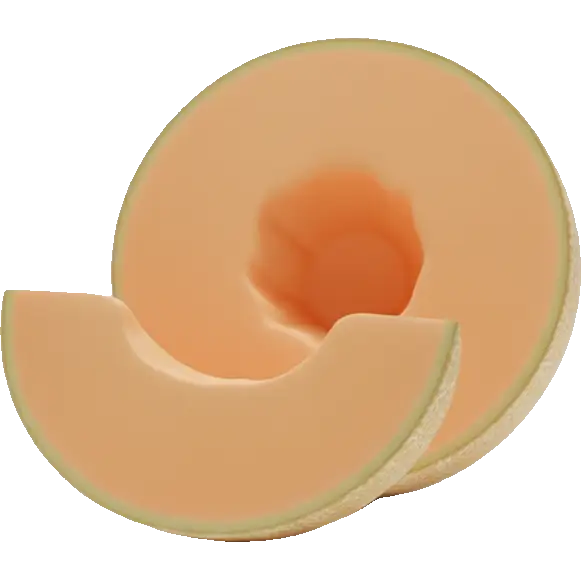
| CanteloupeLevel: Safe | Cantaloupe is an orange-fleshed melon. A sweet aromatic melon with netted rind. |
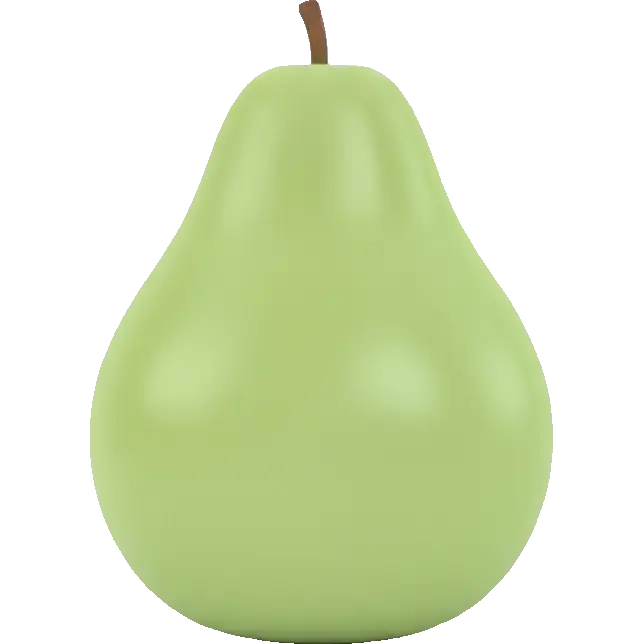
| PearLevel: Low | Pear is a bell-shaped fruit. A sweet juicy fruit with grainy texture. |
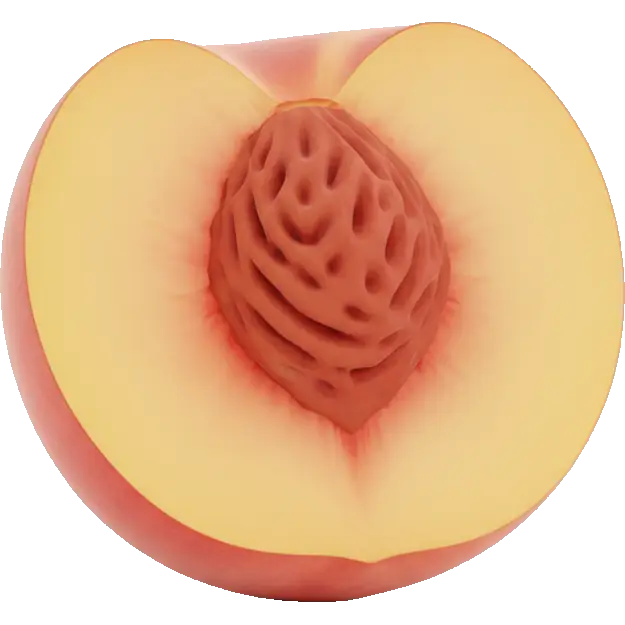
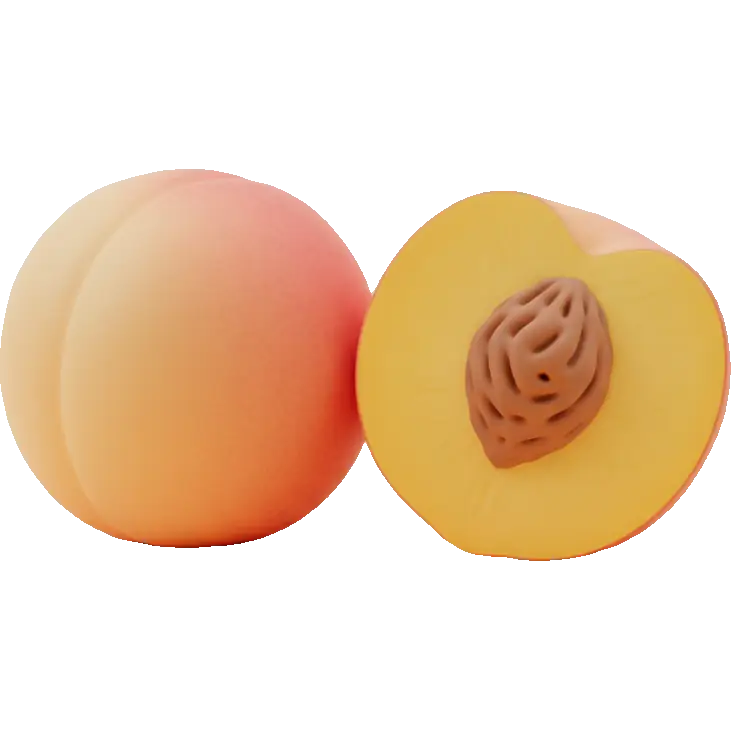
| PeachLevel: Low | Peach is a fuzzy stone fruit. A sweet juicy summer fruit with yellow flesh. |
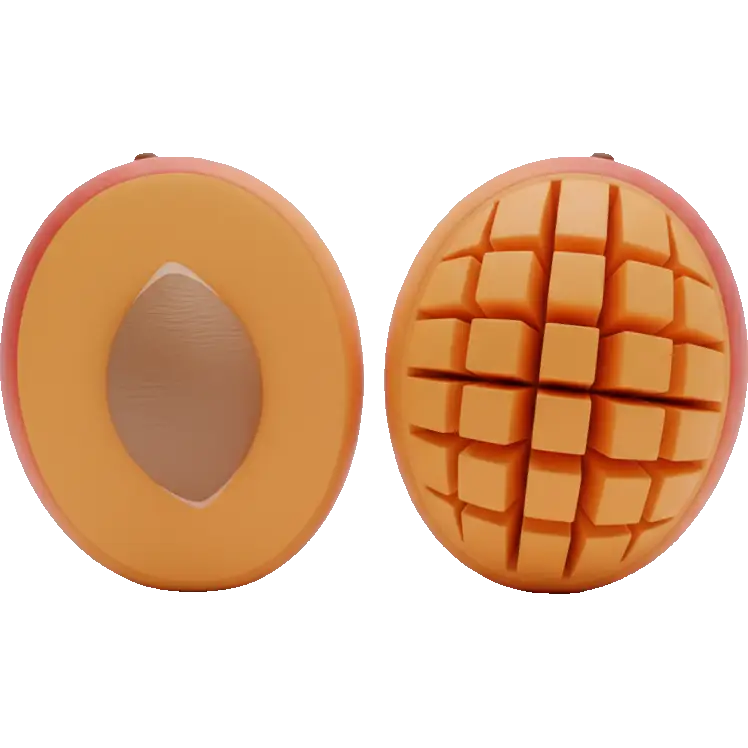
| MangoLevel: Low | Mango is a tropical stone fruit. A sweet juicy fruit called king of fruits. |
| WatermelonLevel: Safe | Watermelon is a large striped melon. A refreshing sweet fruit with red juicy flesh. |
| Green appleLevel: Low | Green apple is a tart apple variety. A crisp sour apple like Granny Smith. |
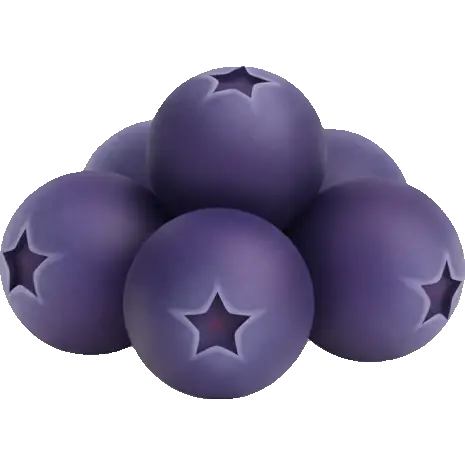
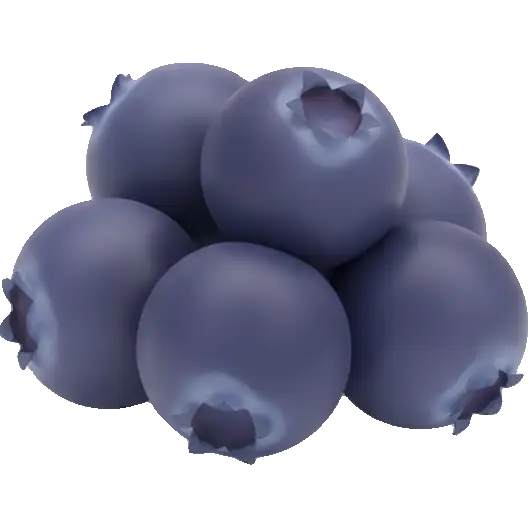
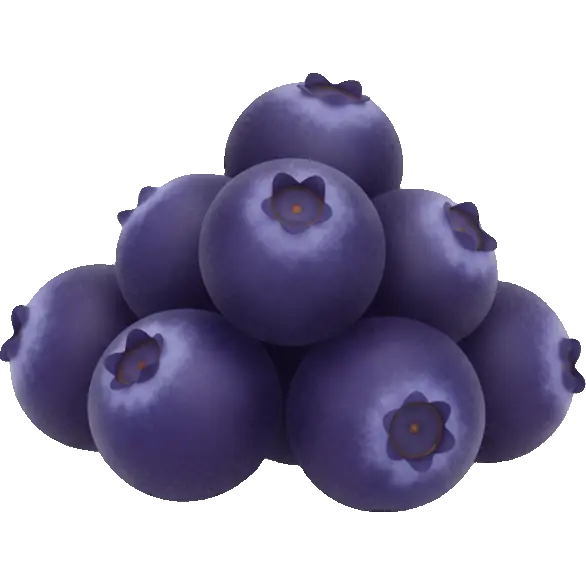
| BlueberryLevel: Low | Blueberry is a small round blue fruit. A sweet antioxidant-rich North American berry. |
| PlantainsLevel: Low | Plantains are starchy cooking bananas. A firm banana variety that must be cooked. |
| ApricotLevel: Low | Apricot is a small orange stone fruit. A sweet velvety fruit related to peaches. |
| Red delicious appleLevel: Low | Red Delicious apple is a classic red apple. A mildly sweet elongated apple variety. |
| MandarinLevel: Low | Mandarin is a small sweet citrus. An easy-to-peel orange variety. |
| ClementineLevel: Low | Clementine is a small seedless citrus. A sweet easy-to-peel mandarin variety. |
| NectarineLevel: Low | Nectarine is a smooth-skinned peach variety. A sweet juicy stone fruit. |
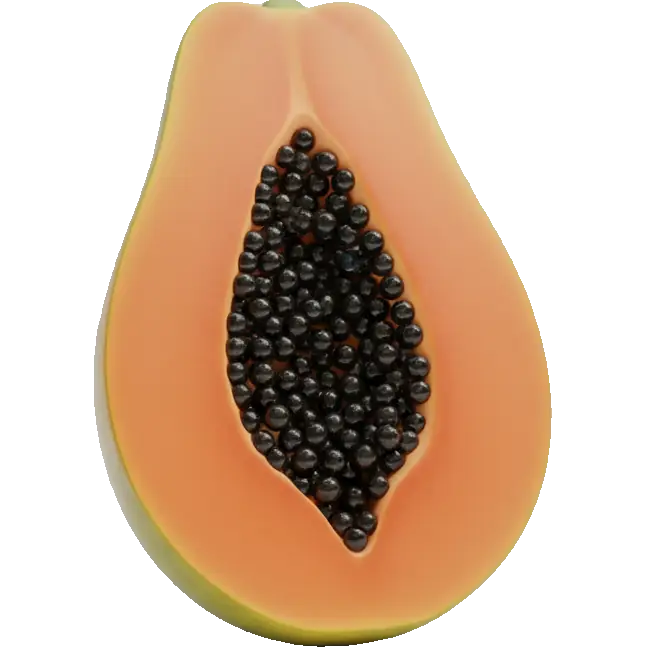
| PapayaLevel: Safe | Papaya is a tropical fruit with orange flesh. A sweet musky fruit with black seeds. |
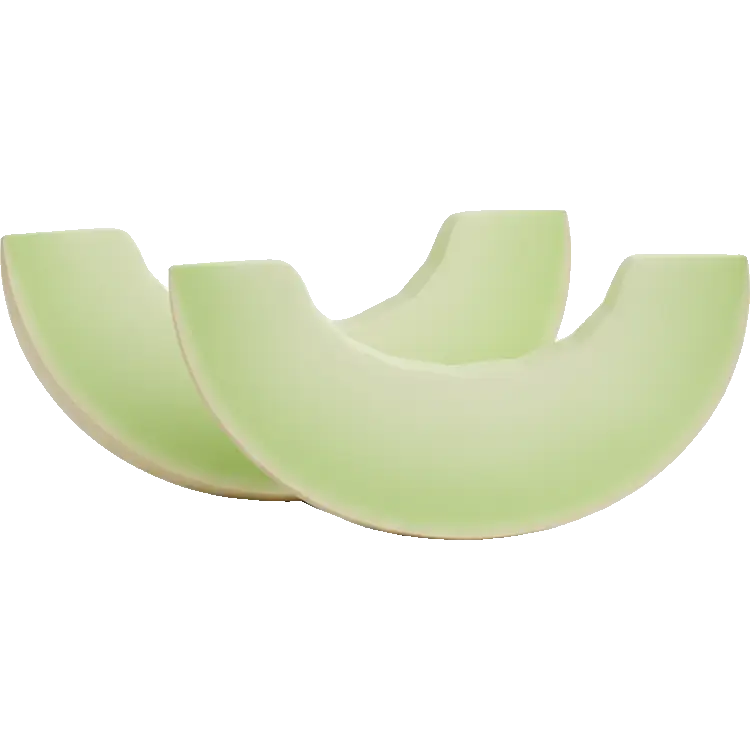
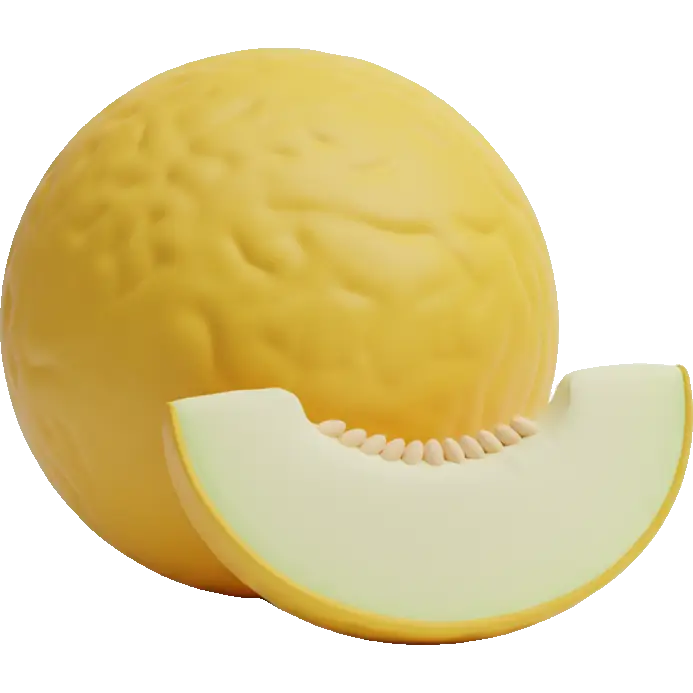
| Honeydew melonLevel: Safe | Honeydew is a pale green melon. A sweet mild melon with smooth skin. |
| Honeycrisp appleLevel: Low | Honeycrisp apple is a sweet crisp apple variety. A popular juicy apple with balanced flavor. |
| TangerineLevel: Low | Tangerine is a small sweet citrus. An easy-to-peel orange variety with bright flavor. |
| TomatilloLevel: Low | Tomatillo is a green husked fruit. A tart Mexican fruit for salsa verde. |
| TangeloLevel: Low | Tangelo is a tangerine-grapefruit hybrid. A sweet juicy citrus with loose peel. |
| PersimmonLevel: Low | Persimmon is an orange autumn fruit. A sweet honey-flavored fruit when fully ripe. |
| YuzuLevel: Safe | Yuzu is an aromatic Japanese citrus. A tart fragrant citrus prized for its zest. |
| Zinfandel grapeLevel: Low | Zinfandel grape is a red wine grape. A versatile grape for bold red wines. |
| LycheeLevel: Low | Lychee is a tropical fruit with rough skin. A sweet floral fruit with translucent flesh. |
| Persian limeLevel: Safe | Persian lime is the common green lime. A seedless tart lime for everyday use. |
| Casaba melonLevel: Safe | Casaba melon is a yellow winter melon. A mild sweet melon with smooth skin. |
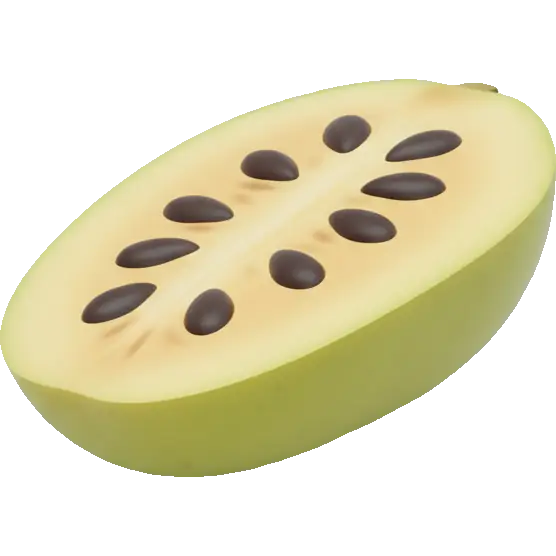
| PawpawLevel: Safe | Pawpaw is a North American tropical-like fruit. A creamy custard-flavored native fruit. |
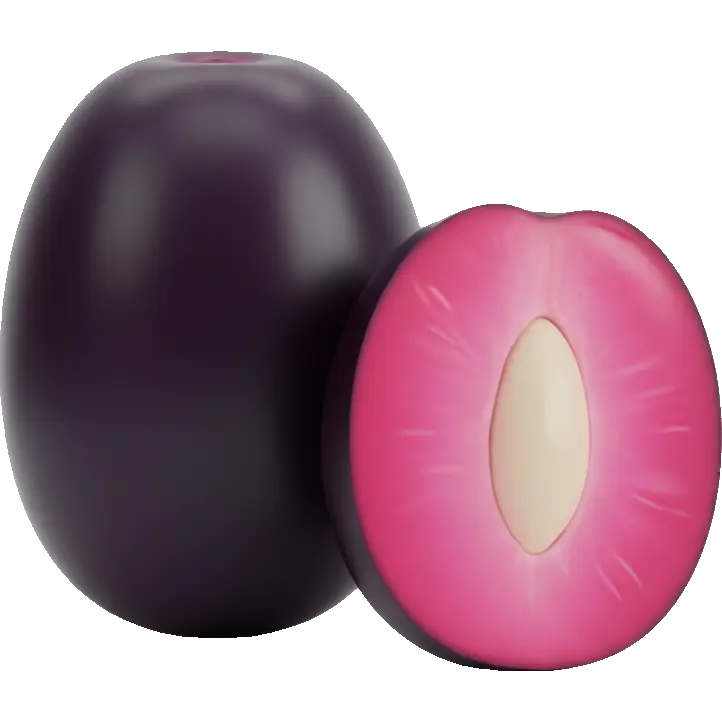
| JambulLevel: Low | Jambul is a purple Indian fruit. A tart astringent berry also called java plum. |
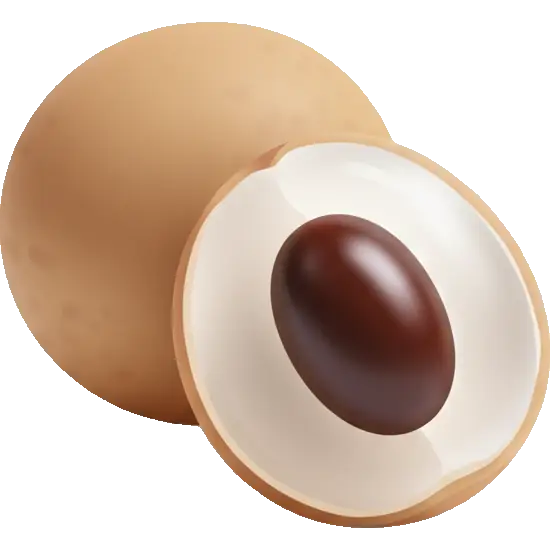
| LonganLevel: Low | Longan is a small translucent tropical fruit. A sweet juicy fruit similar to lychee. |
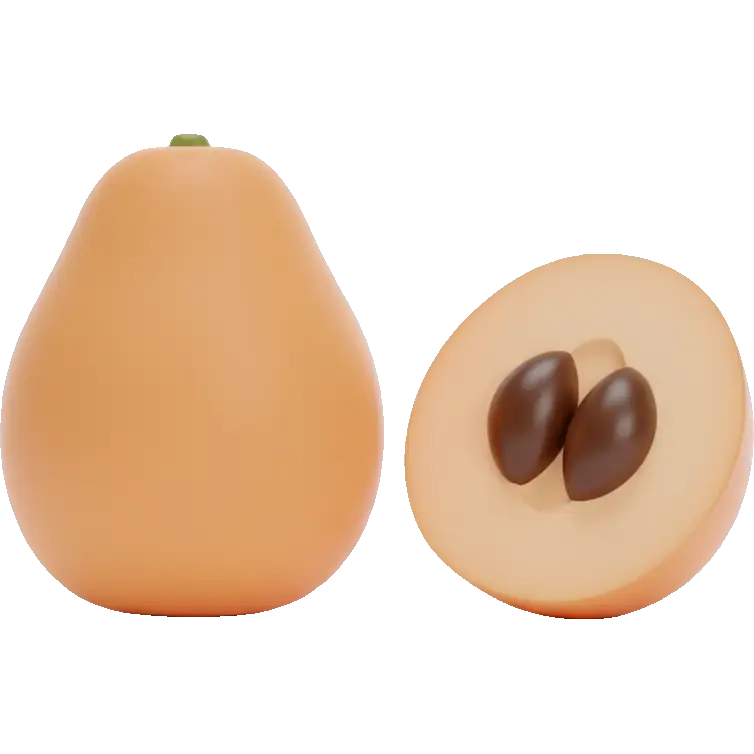
| LoquatLevel: Low | Loquat is a small orange Asian fruit. A sweet tangy fruit with large seeds. |
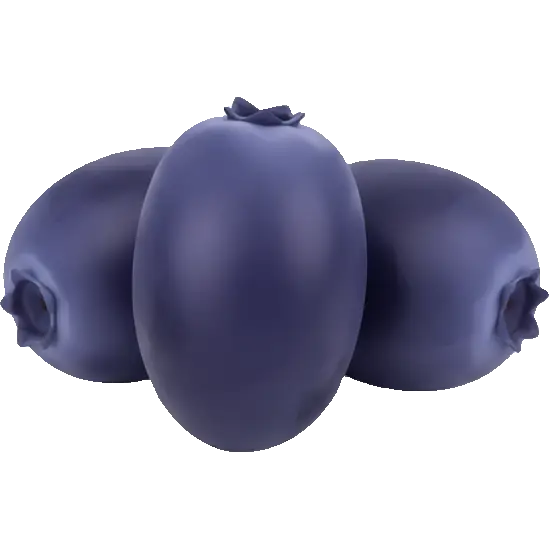
| HoneyberryLevel: Low | Honeyberry is an edible honeysuckle berry. A sweet oblong blue berry from cold climates. |
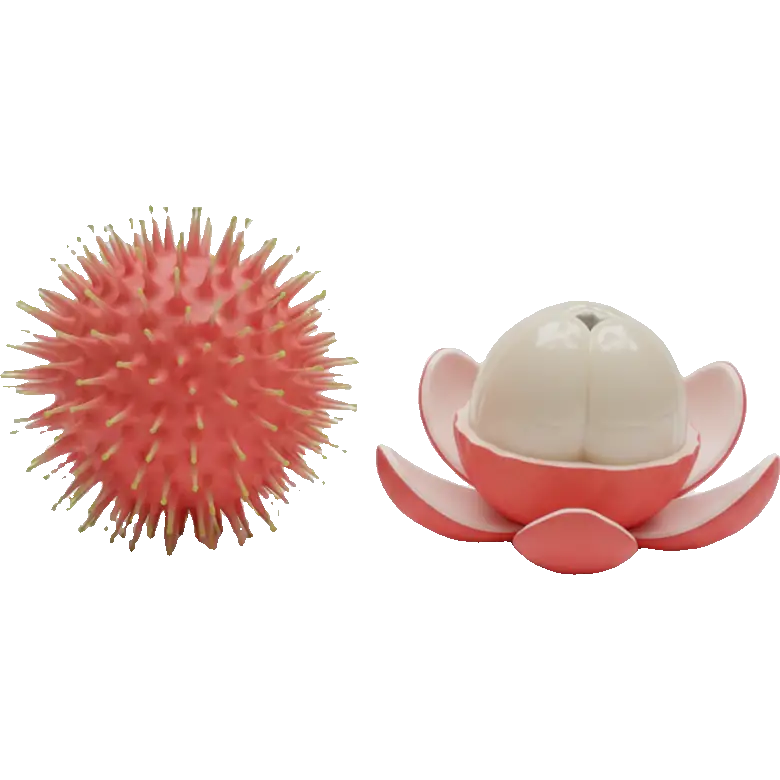
| RambutanLevel: Low | Rambutan is a hairy tropical fruit. A sweet translucent fruit similar to lychee. |
| Saskatoon berryLevel: Low | Saskatoon berry is a Canadian serviceberry. A sweet nutty berry similar to blueberry. |
| Miracle fruitLevel: Low | Miracle fruit is a West African berry. A fruit that makes sour foods taste sweet. |
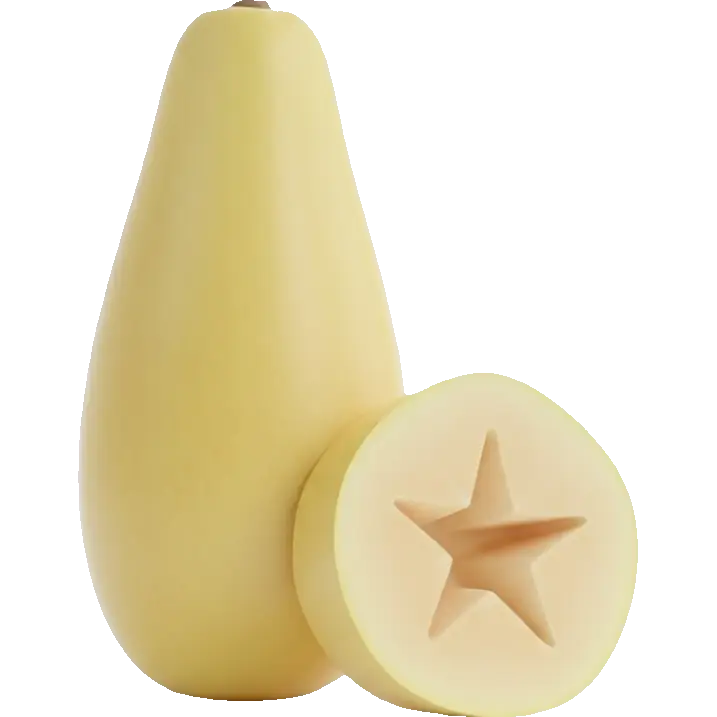
| BabacoLevel: Low | Babaco is a seedless Ecuadorian papaya relative. A mild tropical fruit with star-shaped cross section. |
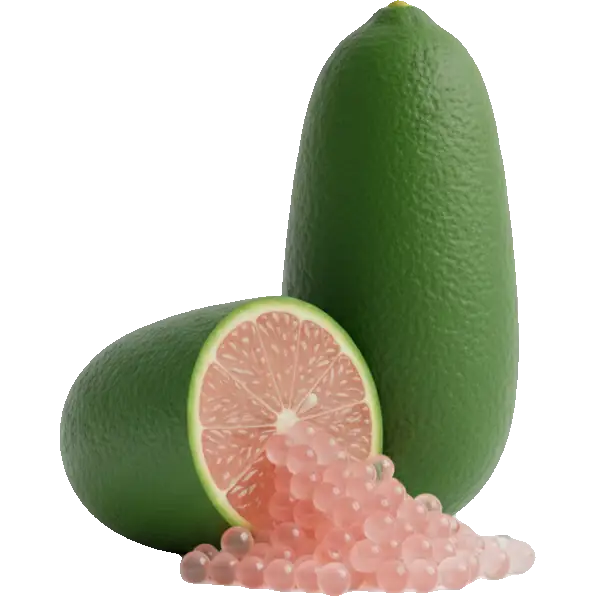
| Finger limeLevel: Low | Finger lime is an Australian citrus. A unique caviar-like citrus with juice vesicles. |
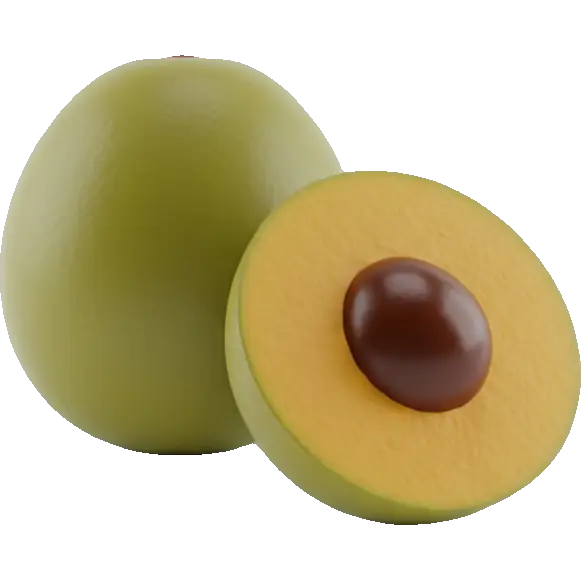
| LucumaLevel: Low | Lucuma is a Peruvian subtropical fruit. A sweet dry-fleshed fruit with maple notes. |
| ServiceberryLevel: Low | Serviceberry is a small purple berry. A sweet mild berry from North American shrubs. |
| AtemoyaLevel: Low | Atemoya is a tropical custard apple hybrid. A sweet creamy fruit with pineapple notes. |
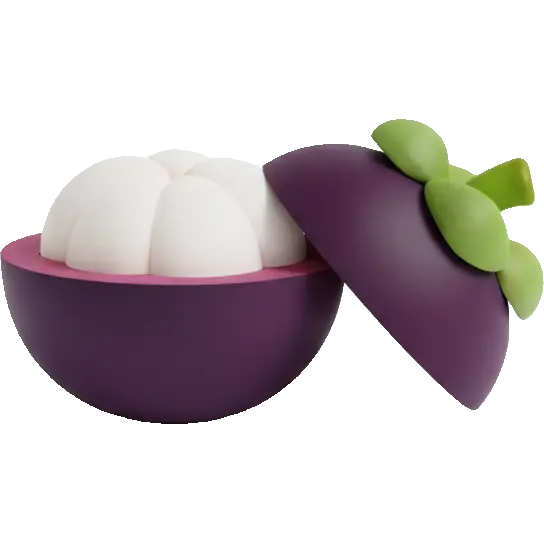
| MangosteenLevel: Low | Mangosteen is a purple tropical fruit. A sweet delicate fruit with white segments. |
| HuckleberryLevel: Low | Huckleberry is a small wild berry. A sweet-tart berry similar to blueberry. |
| GuinepLevel: Low | Guinep is a Caribbean tropical fruit. A small green fruit with tangy jelly-like flesh. |
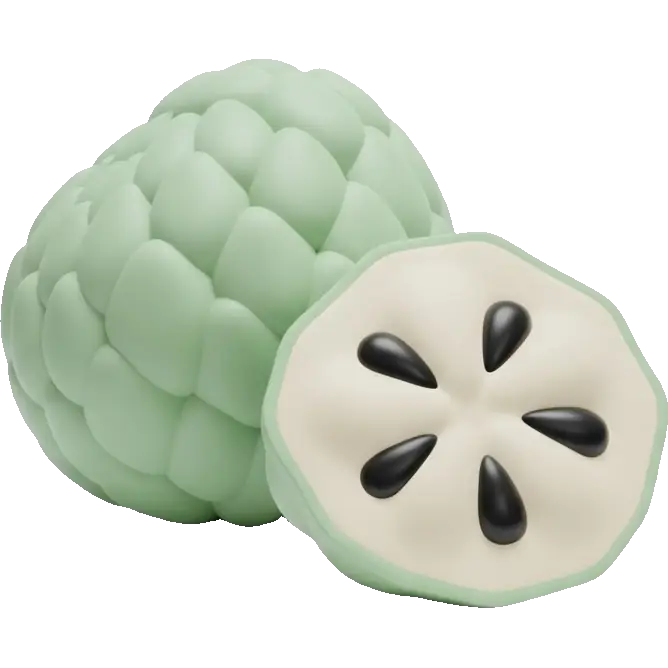
| CherimoyaLevel: Low | Cherimoya is a green scaly tropical fruit. A creamy sweet fruit with custard texture. |
Seafood45 foods
| Food | Notes |
|---|---|
| SalmonLevel: Low | Salmon is a popular fatty fish. A pink-fleshed fish rich in omega-3 fatty acids. |
| Smoked salmonLevel: Low | Smoked salmon, lox, Nova lox and hot-smoked salmon are one fish: salmon cured with salt and smoked. Thin silky pink slices eaten cold, or flakes when hot-smoked. |
| TunaLevel: Safe | Tuna is a large oceanic fish. A meaty fish eaten raw in sushi or canned. |
| ShrimpLevel: Low | Shrimp is a small swimming crustacean. A sweet popular shellfish eaten worldwide. |
| FlounderLevel: Safe | Flounder is a flat bottom-dwelling fish. A mild delicate white fish with fine texture. |
| WhitefishLevel: Safe | Whitefish is a mild freshwater fish. A delicate fish popular smoked in Jewish cuisine. |
| PollockLevel: Safe | Pollock is a North Atlantic fish. A mild white fish often used in fish sticks. |
| BassLevel: Safe | Bass is a popular sport and food fish. A mild white fish available in many varieties. |
| MackerelLevel: Low | Mackerel is an oily pelagic fish. A rich flavorful fish high in omega-3 fats. |
| OysterLevel: Safe | Oyster is a bivalve shellfish. A briny delicacy eaten raw or cooked. |
| PrawnLevel: Low | Prawn is a large shrimp-like crustacean. A sweet shellfish larger than typical shrimp. |
| TilapiaLevel: Safe | Tilapia is a mild freshwater fish. An affordable farmed fish with neutral flavor. |
| TroutLevel: Low | Trout is a freshwater fish related to salmon. A mild delicate fish with pink or white flesh. |
| SoleLevel: Safe | Sole is a delicate flatfish. A mild fine-textured white fish prized in French cuisine. |
| ClamsLevel: Low | Clams are bivalve shellfish. A briny shellfish eaten steamed raw or in chowders. |
| MusselsLevel: Low | Mussels are bivalve shellfish. A briny sweet shellfish steamed in wine or broth. |
| HaddockLevel: Safe | Haddock is a North Atlantic fish. A mild white fish often smoked or fried. |
| SnapperLevel: Safe | Snapper is a tropical reef fish. A mild sweet fish with firm pink flesh. |
| CrabLevel: Safe | Crab is a crustacean shellfish. A sweet delicate seafood eaten in many preparations. |
| CatfishLevel: Safe | Catfish is a whiskered freshwater fish. A mild sweet fish popular in Southern cuisine. |
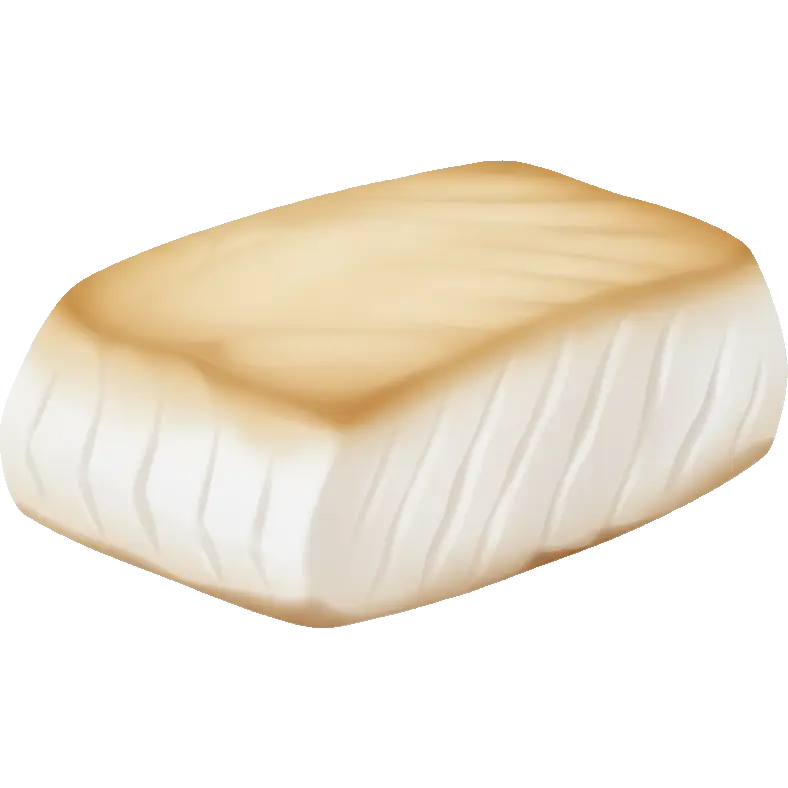
| HalibutLevel: Safe | Halibut is the largest flatfish. A firm mild white fish prized for its meaty texture. |
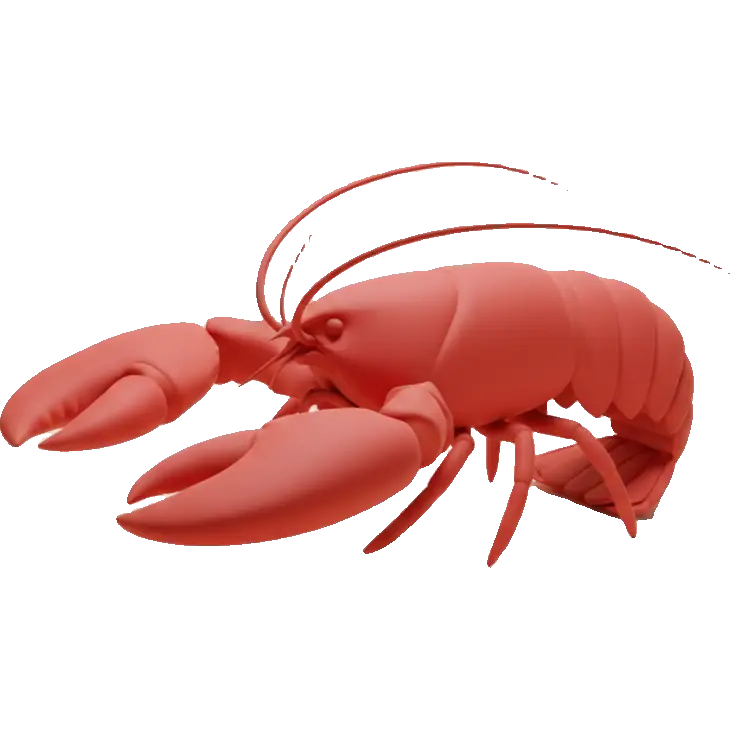
| LobsterLevel: Low | Lobster is a large marine crustacean. A prized sweet shellfish considered a luxury food. |
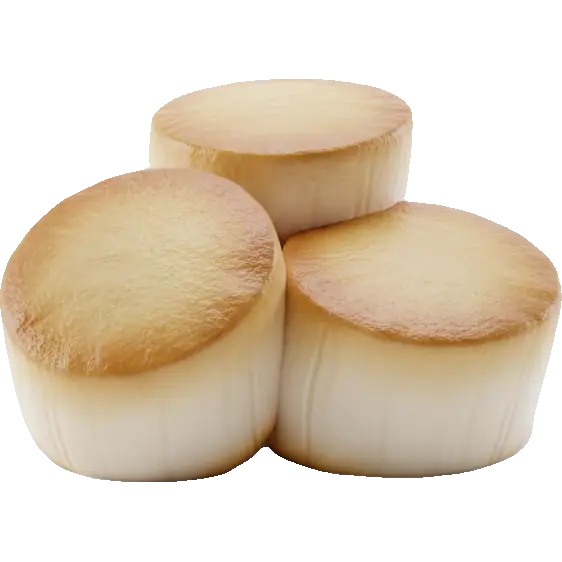
| ScallopsLevel: Safe | Scallops are bivalve shellfish. A sweet tender shellfish with delicate flavor. |
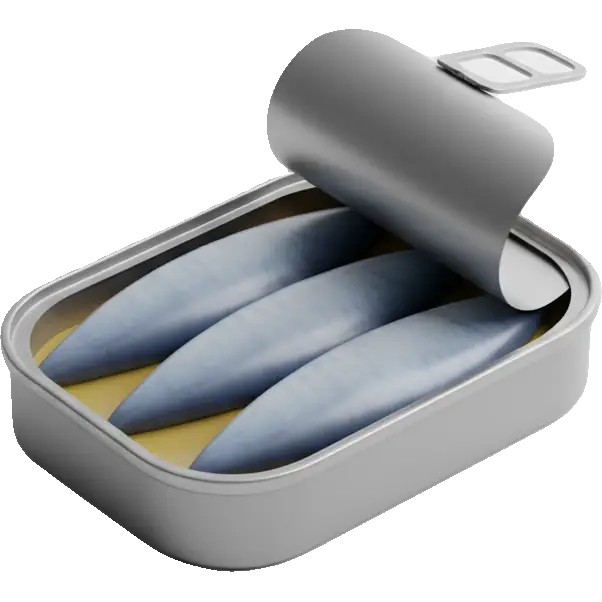
| SardinesLevel: Low | Sardines are small oily fish. A nutritious fish often canned in oil or sauce. |
| Mahi-mahiLevel: Safe | Mahi-mahi is a tropical dolphinfish. A firm mild fish also called dorado. |
| AnchovyLevel: Low | Anchovy is a small oily saltwater fish. A pungent fish used for seasoning and umami. |
| BreamLevel: Safe | Bream is a freshwater or sea fish. A mild white fish popular in Mediterranean cuisine. |
| HerringLevel: Low | Herring is a small oily fish. A flavorful fish often pickled smoked or salted. |
| GrouperLevel: Safe | Grouper is a large sea bass family fish. A mild firm white fish popular in coastal cuisine. |
| YellowtailLevel: Low | Yellowtail is a Pacific jack fish. A rich buttery fish popular in sushi. |
| CrayfishLevel: Low | Crayfish is a small freshwater crustacean. A sweet shellfish also called crawfish or crawdads. |
| PikeLevel: Safe | Pike is a predatory freshwater fish. A bony fish with firm white flesh. |
| CarpLevel: Safe | Carp is a freshwater fish. A bony fish popular in Asian and European cuisines. |
| BonitoLevel: Low | Bonito is a medium-sized tuna relative. A flavorful fish used fresh and dried for dashi. |
| PerchLevel: Safe | Perch is a freshwater fish. A mild sweet white fish popular in lake regions. |
| RockfishLevel: Safe | Rockfish is a Pacific coast fish family. A mild firm fish with many regional varieties. |
| HakeLevel: Safe | Hake is a cod-related white fish. A mild flaky fish popular in European cuisine. |
| SharkLevel: Low | Shark is meat from various shark species. A firm meaty fish with mild flavor. |
| SturgeonLevel: Low | Sturgeon is a prehistoric fish species. A firm rich fish prized for its caviar. |
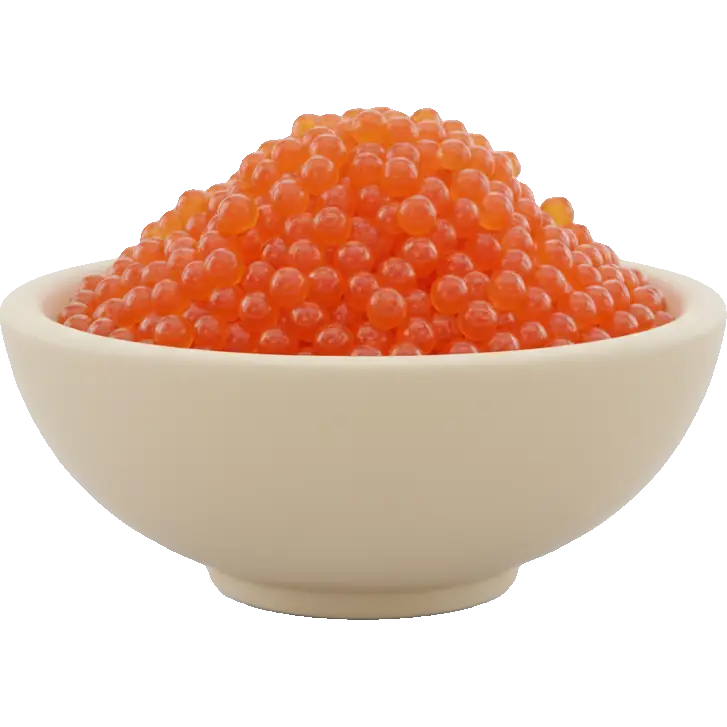
| TobikoLevel: Low | Tobiko is flying fish roe. A crunchy colorful fish egg used in sushi. |
| BarracudaLevel: Safe | Barracuda is a predatory tropical fish. A firm white fish with mild flavor. |
| TurbotLevel: Safe | Turbot is a prized European flatfish. A firm luxurious white fish with delicate flavor. |
| PompanoLevel: Low | Pompano is a prized Atlantic fish. A rich buttery fish popular in Gulf cuisine. |
| TilefishLevel: Safe | Tilefish is a colorful deep-sea fish. A sweet firm white fish from Atlantic waters. |
| WahooLevel: Safe | Wahoo is a fast tropical game fish. A mild firm white fish similar to mackerel. |








Condiments & Sauces42 foods
| Food | Notes |
|---|---|
| KetchupLevel: Low | Ketchup is sweetened tomato condiment. A tangy red sauce for fries and burgers. |
| Soy sauceLevel: Safe | Soy sauce is fermented soybean liquid. A salty umami seasoning essential in Asian cooking. |
| Tomato sauceLevel: Low | Tomato sauce is cooked pureed tomatoes. A base sauce for pasta and pizza. |
| VinegarLevel: Safe | Vinegar is fermented acidic liquid. A sour condiment for cooking and preserving. |
| JamLevel: Safe | Jam is cooked fruit preserve with pieces. A sweet spread with chunks of fruit. |
| JellyLevel: Safe | Jelly is strained fruit preserve. A smooth sweet spread without fruit pieces. |
| Balsamic vinegarLevel: Safe | Balsamic vinegar is aged Italian grape vinegar. A sweet-tart dark vinegar from Modena. |
| Yellow mustardLevel: Low | Yellow mustard is mild prepared mustard. A tangy bright condiment for hot dogs. |
| Apple cider vinegarLevel: Safe | Apple cider vinegar is fermented apple vinegar. A tangy acidic liquid for cooking and dressings. |
| CocoaLevel: Low | Cocoa is processed cacao powder. A chocolate flavoring for baking and beverages. |
| Barbecue sauceLevel: Low | Barbecue sauce is a tangy tomato-based sauce. A sweet smoky condiment for grilled meats. |
| Honey mustardLevel: Low | Honey mustard is sweet mustard blend. A mild tangy condiment for dipping. |
| Zest of lemonLevel: Low | Zest of lemon is grated lemon peel. An aromatic citrus flavoring for cooking. |
| Gluten-free soy sauceLevel: Safe | Gluten-free soy sauce is a wheat-free alternative to traditional soy sauce. A fermented condiment typically made from soybeans without wheat as in tamari. |
| Oyster sauceLevel: Low | Oyster sauce is thick oyster-flavored sauce. A savory Chinese condiment for stir-fries. |
| Worcestershire sauceLevel: Low | Worcestershire sauce is fermented anchovy sauce. A savory umami British condiment. |
| CapersLevel: Safe | Capers are pickled flower buds. Small tangy Mediterranean condiment for fish and sauces. |
| Red wine vinegarLevel: Safe | Red wine vinegar is fermented red wine. A tangy acidic liquid for dressings. |
| ChutneyLevel: Low | Chutney is a spiced fruit or vegetable relish. A sweet-savory Indian condiment. |
| Cranberry sauceLevel: Safe | Cranberry sauce is sweetened cooked cranberries. A tart-sweet condiment for holiday meals. |
| RelishLevel: Low | Relish is chopped pickled vegetables. A tangy condiment for sandwiches and hot dogs. |
| Miso pasteLevel: Low | Miso paste is fermented soybean paste. A savory umami-rich Japanese seasoning. |
| Pickle relishLevel: Low | Pickle relish is chopped pickled cucumbers. A tangy condiment for hot dogs and burgers. |
| Apple butterLevel: Safe | Apple butter is slow-cooked apple spread. A thick spiced preserve with concentrated apple flavor. |
| Homemade bone brothLevel: Safe | Homemade bone broth is slow-simmered bones. A rich nutritious liquid base for cooking. |
| Mango chutneyLevel: Low | Mango chutney is sweet mango relish. A fruity spiced condiment from India. |
| Cocktail sauceLevel: Low | Cocktail sauce is ketchup-horseradish blend. A tangy seafood dipping sauce. |
| Fish sauceLevel: Safe | Fish sauce is fermented fish liquid. A pungent umami condiment essential in Southeast Asian cuisine. |
| Apricot jamLevel: Safe | Apricot jam is preserved apricot spread. A sweet fruit preserve with stone fruit flavor. |
| Sweet and sour sauceLevel: Low | Sweet and sour sauce is tangy Asian sauce. A fruity condiment for Chinese dishes. |
| Black bean sauceLevel: Low | Black bean sauce is fermented black soybean sauce. A savory Chinese condiment with umami depth. |
| TzatzikiLevel: Low | Tzatziki is Greek yogurt cucumber dip. A creamy garlic-herb Mediterranean sauce. |
| Teriyaki sauceLevel: Low | Teriyaki sauce is sweet Japanese glaze. A soy-based sauce for grilling and marinades. |
| Nutritional yeastLevel: Safe | Nutritional yeast is deactivated yeast flakes. A cheesy-flavored vegan seasoning. |
| Plum sauceLevel: Low | Plum sauce is sweet Chinese plum condiment. A fruity dipping sauce for Asian dishes. |
| Tomato jamLevel: Low | Tomato jam is sweet cooked tomato preserve. A savory-sweet condiment for cheese and toast. |
| Mint sauceLevel: Low | Mint sauce is vinegar and mint condiment. A tangy British accompaniment for lamb. |
| Pepper jellyLevel: Low | Pepper jelly is sweet-hot pepper preserve. A spicy-sweet condiment with bell peppers. |
| Caper berriesLevel: Safe | Caper berries are the fruit of caper bushes. Large tangy pickled buds used as garnish. |
| White misoLevel: Low | White miso is mild fermented soybean paste. A sweet delicate Japanese seasoning. |
| Ponzu sauceLevel: Low | Ponzu sauce is Japanese citrus soy sauce. A tangy dipping sauce with yuzu. |
| Anchovy pasteLevel: Safe | Anchovy paste is mashed salted anchovies. A savory umami-rich seasoning paste. |

Beverages39 foods
| Food | Notes |
|---|---|
| WaterLevel: Safe | Water is the essential clear liquid. The fundamental beverage for hydration. |
| Orange juiceLevel: Low | Orange juice is pressed from oranges. A popular sweet-tart breakfast citrus drink. |
| Coconut waterLevel: Safe | Coconut water is liquid from young coconuts. A naturally hydrating beverage with subtle sweetness. |
| Black teaLevel: Low | Black tea is fully oxidized tea leaves. A bold caffeinated beverage enjoyed worldwide. |
| Hot chocolateLevel: Low | Hot chocolate is warm chocolate milk. A rich sweet comfort drink made with cocoa. |
| Apple juiceLevel: Safe | Apple juice is a sweet beverage from pressed apples. One of the most popular fruit juices worldwide. |
| Grape juiceLevel: Safe | Grape juice, red grape juice, white grape juice and Concord grape juice are one drink: juice pressed from grapes. A sweet purple or pale fruit juice. |
| Green teaLevel: Safe | Green tea is unoxidized tea leaves. A light grassy beverage with mild caffeine. |
| Decaf coffeeLevel: Low | Decaf coffee is coffee with caffeine removed. A mild brew for those avoiding caffeine. |
| SmoothieLevel: Low | Smoothie is a blended fruit beverage. A thick drink of fruit yogurt and ice. |
| LemonadeLevel: Safe | Lemonade is sweetened lemon juice with water. A refreshing tart-sweet summer beverage. |
| Herbal teaLevel: Safe | Herbal tea is an infusion of herbs and plants. A caffeine-free beverage with varied flavors. |
| MatchaLevel: Low | Matcha is powdered green tea. A vibrant green earthy beverage whisked with water. |
| Tomato juiceLevel: Safe | Tomato juice is pressed from tomatoes. A savory thick red vegetable beverage. |
| Pineapple juiceLevel: Low | Pineapple juice is pressed from pineapples. A sweet tropical beverage with tangy flavor. |
| Vegetable juiceLevel: Safe | Vegetable juice is pressed mixed vegetables. A savory nutrient-dense drink blend. |
| Chai teaLevel: Low | Chai tea is spiced Indian tea with milk. A warm aromatic beverage with cinnamon and cardamom. |
| Grapefruit juiceLevel: Low | Grapefruit juice is pressed from grapefruits. A tangy slightly bitter citrus beverage. |
| Chamomile teaLevel: Safe | Chamomile tea is an herbal flower infusion. A calming caffeine-free beverage with floral taste. |
| English breakfast teaLevel: Low | English breakfast tea is a robust black tea blend. A strong morning tea traditionally served with milk. |
| Pomegranate juiceLevel: Safe | Pomegranate juice is pressed from pomegranates. A deep red sweet-tart antioxidant-rich drink. |
| Earl grey teaLevel: Low | Earl Grey tea is black tea with bergamot. A citrus-scented classic tea blend. |
| Cranberry juiceLevel: Safe | Cranberry juice is pressed from cranberries. A tart red beverage often sweetened for drinking. |
| Carrot juiceLevel: Safe | Carrot juice is pressed from fresh carrots. A sweet orange vegetable juice rich in beta-carotene. |
| Matcha latteLevel: Low | Matcha latte is matcha with steamed milk. A creamy green tea beverage. |
| Ginger teaLevel: Safe | Ginger tea is an infusion of ginger root. A warming spicy beverage with zesty kick. |
| Peppermint teaLevel: Safe | Peppermint tea is an herbal mint infusion. A cool refreshing caffeine-free beverage. |
| Aguas frescasLevel: Safe | Aguas frescas are Mexican fruit-based drinks. Refreshing beverages made with water fruit and sugar. |
| Pu-erh teaLevel: Safe | Pu-erh tea is aged fermented Chinese tea. An earthy complex beverage with deep flavor. |
| Oolong teaLevel: Safe | Oolong tea is partially oxidized tea. A complex beverage between green and black tea. |
| Turmeric latteLevel: Low | Turmeric latte is spiced golden milk. A warm anti-inflammatory beverage with turmeric. |
| Hibiscus teaLevel: Safe | Hibiscus tea is an infusion of hibiscus flowers. A tart cranberry-like beverage with deep red color. |
| White teaLevel: Safe | White tea is minimally processed tea. A delicate subtle beverage with light flavor. |
| Yerba mateLevel: Low | Yerba mate is South American herbal tea. A caffeinated grassy beverage from holly leaves. |
| HorchataLevel: Safe | Horchata is a sweet rice-based drink. A creamy cinnamon-spiced Latin American beverage. |
| Barley teaLevel: Safe | Barley tea is a roasted grain infusion. A nutty caffeine-free beverage popular in Asia. |
| LassiLevel: Low | Lassi is an Indian yogurt drink. A creamy beverage served sweet or salted. |
| Red rooibos teaLevel: Safe | Red rooibos tea is South African herbal tea. A naturally sweet caffeine-free red bush infusion. |
| Beet juiceLevel: Safe | Beet juice is pressed from red beets. An earthy sweet vegetable juice with vibrant color. |














Dairy & Alternatives34 foods
| Food | Notes |
|---|---|
| YogurtLevel: Low | Yogurt is fermented milk with cultures. A tangy creamy dairy eaten plain or flavored. |
| MilkLevel: Low | Milk is the standard dairy liquid from cows. The most common milk used in cooking and drinking. |
| MozzarellaLevel: Low | Mozzarella is Italian stretched-curd cheese. A mild elastic cheese for pizza. |
| Oat milkLevel: Safe | Oat milk is plant-based oat beverage. A creamy slightly sweet dairy alternative. |
| Greek yogurtLevel: Low | Greek yogurt is strained thick yogurt. A tangy protein-rich cultured dairy. |
| Cottage cheeseLevel: Low | Cottage cheese is fresh curdy cheese. A mild lumpy cheese with high moisture. |
| Almond milkLevel: Safe | Almond milk is plant-based nut milk. A dairy-free alternative from ground almonds. |
| Soy milkLevel: Safe | Soy milk is plant-based soybean beverage. A protein-rich dairy alternative. |
| Ricotta cheeseLevel: Low | Ricotta is Italian whey cheese. A light creamy cheese for pasta and desserts. |
| Cashew milkLevel: Safe | Cashew milk is plant-based nut milk. A creamy dairy alternative from cashews. |
| Fresh cheeseLevel: Low | Fresh cheese is unaged soft cheese. A mild creamy cheese eaten soon after making. |
| Condensed milkLevel: Low | Condensed milk is sweetened concentrated milk. A thick syrupy dairy for desserts. |
| KefirLevel: Low | Kefir is fermented probiotic milk drink. A tangy drinkable yogurt-like beverage. |
| Soy yogurtLevel: Safe | Soy yogurt is cultured soy milk. A tangy dairy-free yogurt alternative with live cultures. |
| Queso frescoLevel: Low | Queso fresco is Mexican fresh cheese. A mild crumbly white cheese for topping. |
| Skim milk powderLevel: Safe | Skim milk powder is dehydrated nonfat milk. A low-fat shelf-stable dairy product. |
| Lactose-free milkLevel: Low | Lactose-free milk is milk without lactose. Regular milk treated for lactose intolerance. |
| Coconut yogurtLevel: Low | Coconut yogurt is cultured coconut milk. A rich dairy-free yogurt alternative. |
| ButtermilkLevel: Safe | Buttermilk is cultured fermented milk. A tangy dairy drink used in baking. |
| Rice milkLevel: Safe | Rice milk is plant-based rice beverage. A light naturally sweet dairy alternative. |
| Lactose-free yogurtLevel: Low | Lactose-free yogurt is yogurt without lactose. Dairy yogurt treated with lactase for lactose intolerance. |
| Whey proteinLevel: Safe | Whey protein is milk protein supplement. A fast-digesting protein from cheese making. |
| Powdered milkLevel: Low | Powdered milk is dehydrated milk solids. A shelf-stable dairy reconstituted with water. |
| Evaporated milkLevel: Low | Evaporated milk is concentrated unsweetened milk. A shelf-stable dairy with caramelized flavor. |
| Flax milkLevel: Safe | Flax milk is plant-based flaxseed milk. A dairy alternative rich in omega-3. |
| Almond yogurtLevel: Low | Almond yogurt is cultured almond milk. A mild dairy-free yogurt alternative. |
| LactoseLevel: Safe | Lactose is milk sugar, added as an ingredient to chocolate, bars and processed foods; the FODMAP that lactose-intolerant people react to. |
| SkyrLevel: Safe | Skyr is Icelandic cultured dairy. A thick tangy product similar to yogurt. |
| Queso blancoLevel: Low | Queso blanco is Latin American white cheese. A fresh mild cheese that softens when heated. |
| Goat milk and dairyLevel: Low | Goat milk and dairy is products from goats. A digestible alternative to cow dairy. |
| Casein proteinLevel: Safe | Casein protein is slow-digesting milk protein. A supplement derived from dairy. |
| Pea milkLevel: Safe | Pea milk is plant-based pea protein milk. A creamy dairy alternative from yellow peas. |
| Oat yogurtLevel: Safe | Oat yogurt is cultured oat milk. A creamy dairy-free yogurt alternative. |
| Hemp milkLevel: Safe | Hemp milk is plant-based hemp seed milk. A nutty dairy alternative with omega fats. |



Vegetables34 foods
| Food | Notes |
|---|---|
| PotatoLevel: Safe | Potato is a starchy tuber vegetable. A versatile staple in countless preparations. |
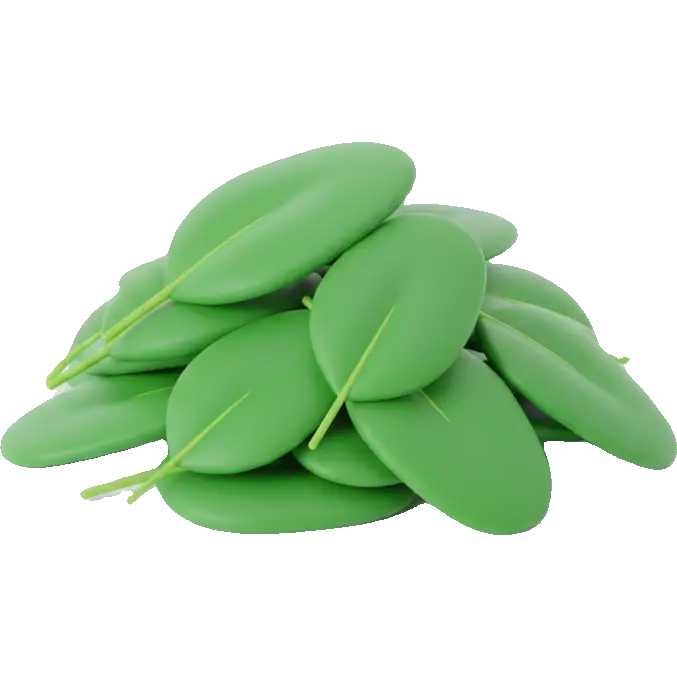
| SpinachLevel: Low | Spinach is a nutritious dark leafy green. A mild versatile vegetable eaten raw or cooked. |
| TomatoLevel: Low | Tomato is a red fruit used as vegetable. A juicy versatile ingredient in cuisines worldwide. |
| ZucchiniLevel: Low | Zucchini is a green summer squash. A mild versatile vegetable also called courgette. |
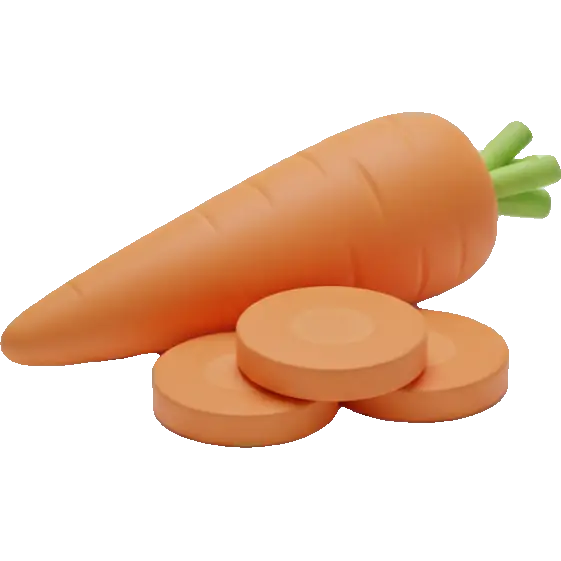
| CarrotLevel: Low | Carrot is an orange root vegetable. A sweet crunchy root eaten raw or cooked. |
| GarlicLevel: Low | Garlic is a pungent bulb from the allium family. A fundamental aromatic in cuisines worldwide. |
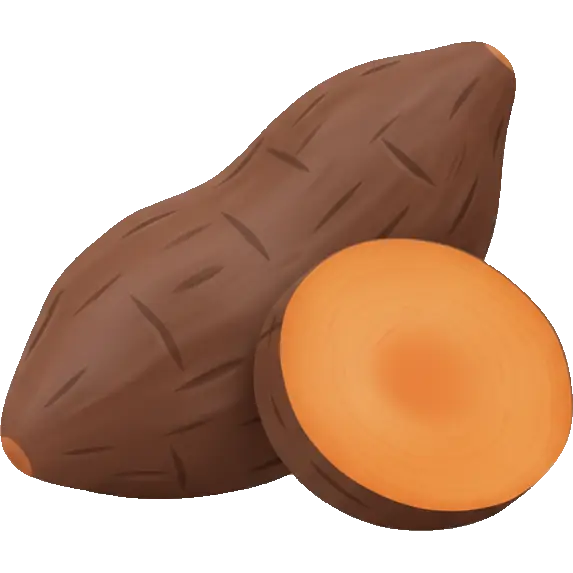
| Sweet potatoLevel: Low | Sweet potato is an orange-fleshed tuber. A sweet starchy root vegetable. |
| PumpkinLevel: Low | Pumpkin, pumpkin puree and canned pumpkin are one vegetable: a round orange winter squash with ribbed skin and sweet orange flesh. Eaten roasted, mashed, in soup and in pumpkin pie. |
| EggplantLevel: Low | Eggplant is a purple nightshade vegetable. A meaty vegetable also called aubergine. |
| Butternut squashLevel: Low | Butternut squash is a tan bell-shaped winter squash. A sweet nutty squash with orange flesh. |
| Yellow crookneck squashLevel: Low | Yellow crookneck squash is a curved summer squash. A mild tender squash with bumpy skin. |
| Young spinachLevel: Low | Young spinach is tender baby spinach leaves. A mild delicate green for salads. |
| Carrot rootLevel: Low | Carrot root is the taproot of carrot plants. An orange sweet vegetable rich in beta-carotene. |
| YamLevel: Low | Yam is a starchy tropical tuber. A dense root vegetable distinct from sweet potato. |
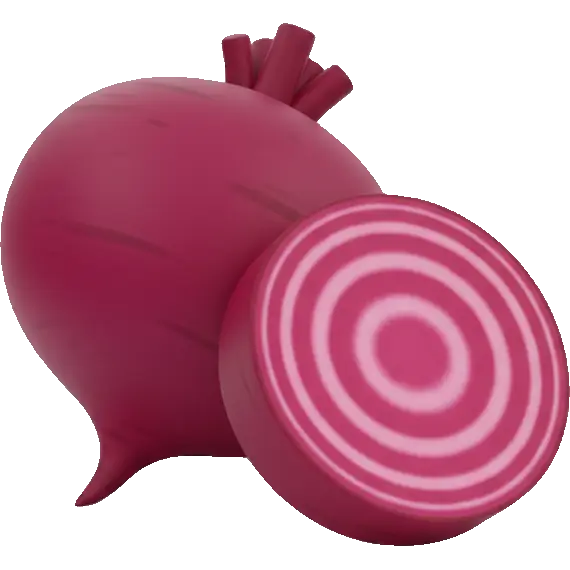
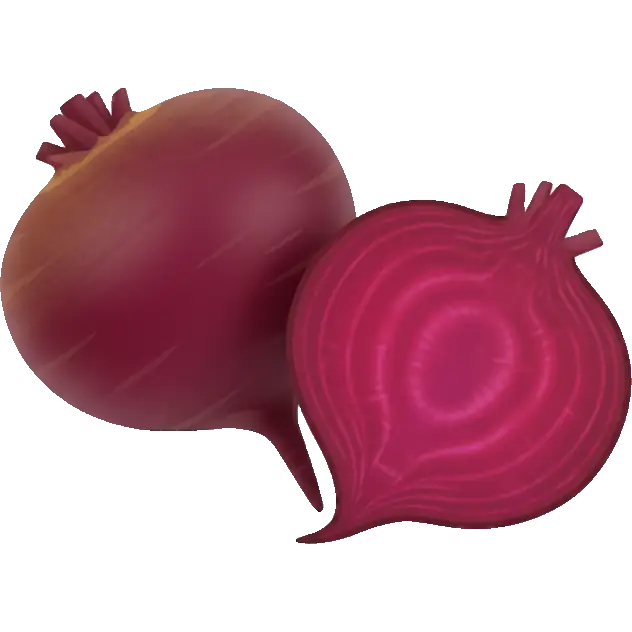
| BeetLevel: Low | Beet is a deep red root vegetable. A sweet earthy root with edible greens. |
| BeetrootLevel: Low | Beetroot is the root of the beet plant. A sweet earthy vegetable with deep red color. |
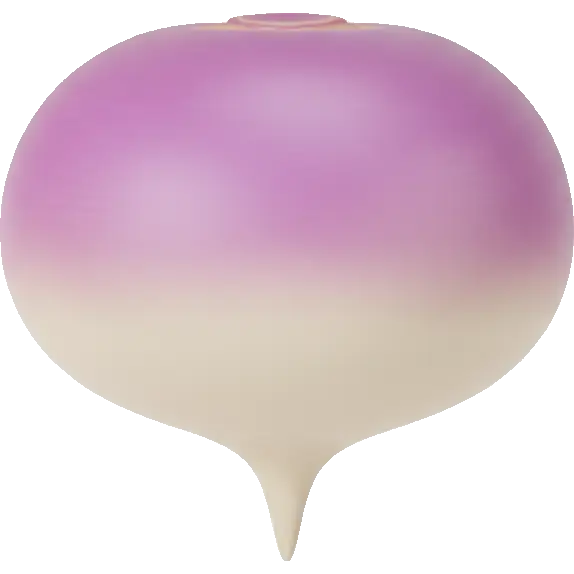
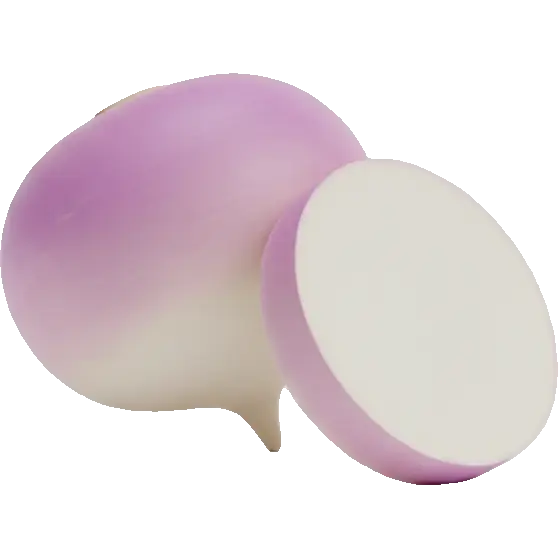
| TurnipLevel: Low | Turnip is a white and purple root vegetable. A mild slightly bitter root with edible greens. |
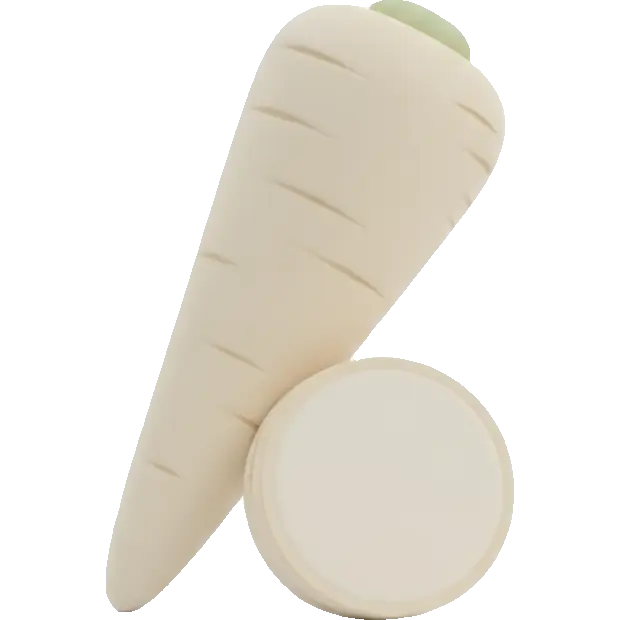
| ParsnipLevel: Low | Parsnip is a cream-colored root vegetable. A sweet nutty root related to carrots. |
| Parsnip rootLevel: Low | Parsnip root is the taproot of parsnip plants. A sweet earthy vegetable for roasting. |
| Acorn squashLevel: Low | Acorn squash is a dark green winter squash. A sweet nutty squash with acorn-like shape. |
| Yellow squashLevel: Low | Yellow squash is a mild summer squash. A tender vegetable similar to zucchini. |
| Rutabaga rootLevel: Low | Rutabaga root is the swollen root of rutabaga. A sweet nutty vegetable for roasting and mashing. |
| Turnip rootLevel: Low | Turnip root is the taproot of turnip plants. A mild peppery root vegetable. |
| Winter melonLevel: Low | Winter melon is a large mild Asian squash. A subtle vegetable used in soups and stir-fries. |
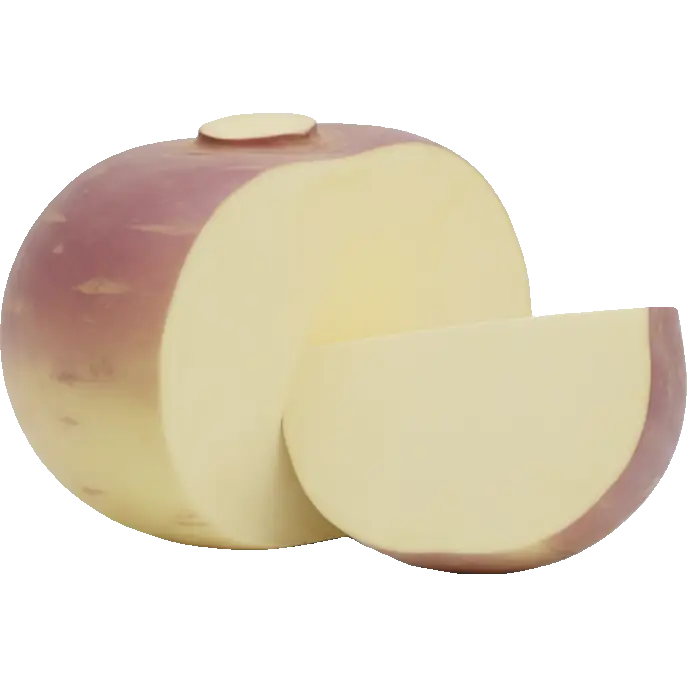
| RutabagaLevel: Low | Rutabaga is a yellow root vegetable. A mild sweet cross between cabbage and turnip. |
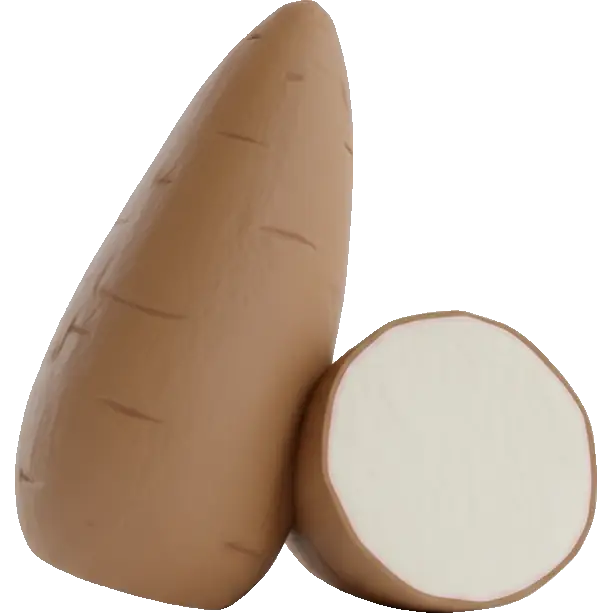
| CassavaLevel: Low | Cassava is a starchy tropical root. A tuber also called yuca or manioc. |
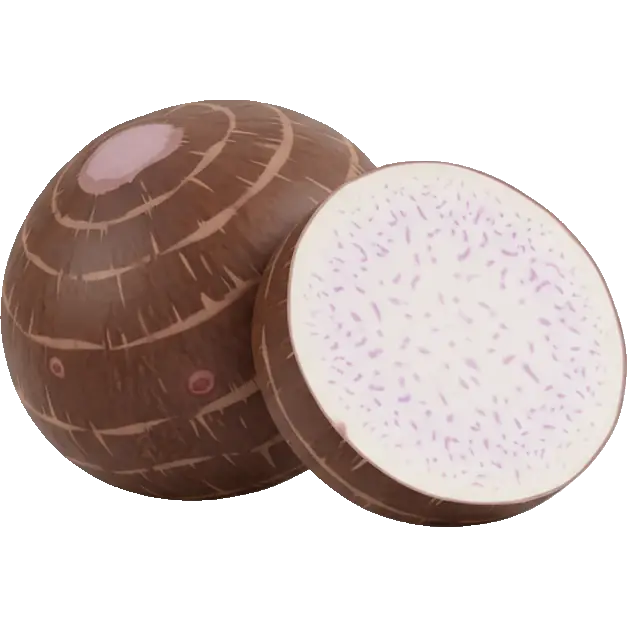
| Taro rootLevel: Low | Taro root is a starchy tropical tuber. A purple-flecked root used in Asian and Pacific cuisines. |
| ZaatarLevel: Low | Za'atar is an herb and spice blend. A Middle Eastern mix of thyme sumac and sesame. |
| Kabocha squashLevel: Low | Kabocha squash is a Japanese winter squash. A sweet dense squash with chestnut-like flavor. |
| Fennel frondsLevel: Low | Fennel fronds are the feathery tops of fennel. An herb with mild anise flavor. |
| Parsley rootLevel: Low | Parsley root is the root of parsley plants. A sweet carrot-like vegetable with parsley flavor. |
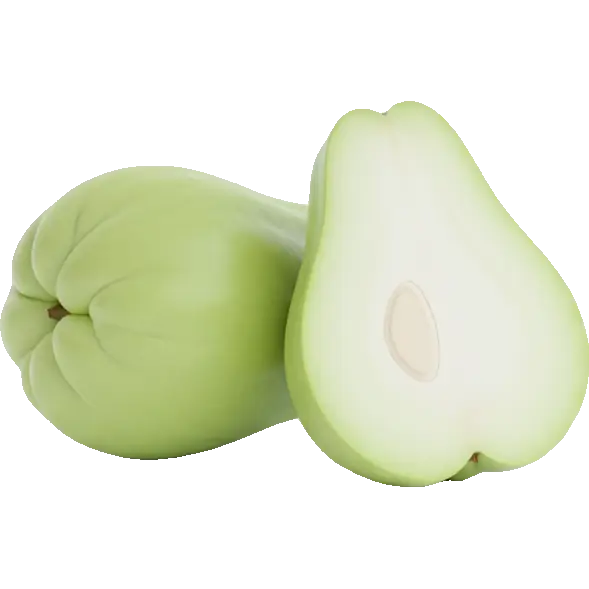
| ChayoteLevel: Low | Chayote is a mild green squash. A pear-shaped vegetable popular in Latin cuisine. |
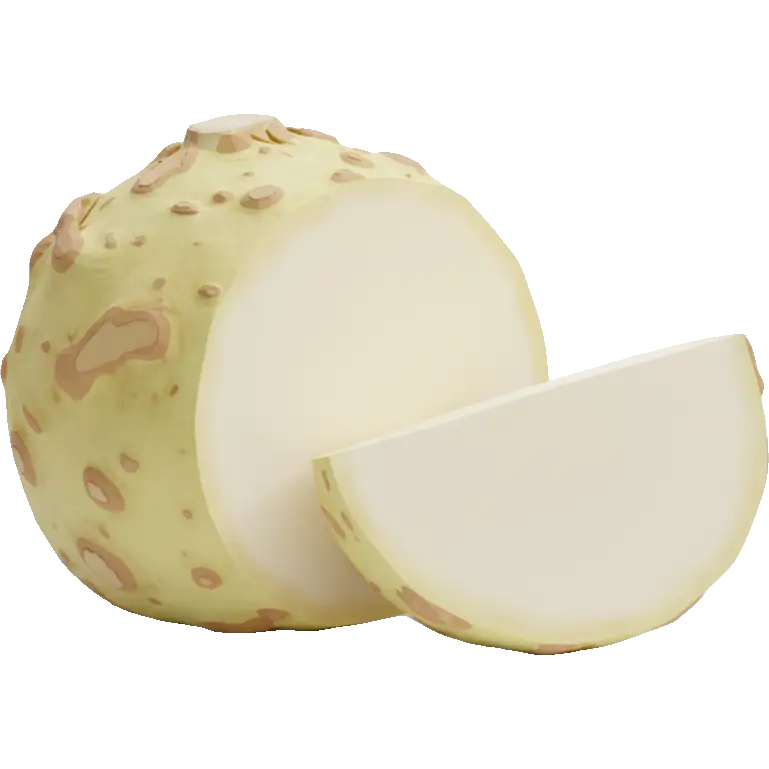
| CeleriacLevel: Low | Celeriac is a knobby celery root. An earthy vegetable with celery flavor. |
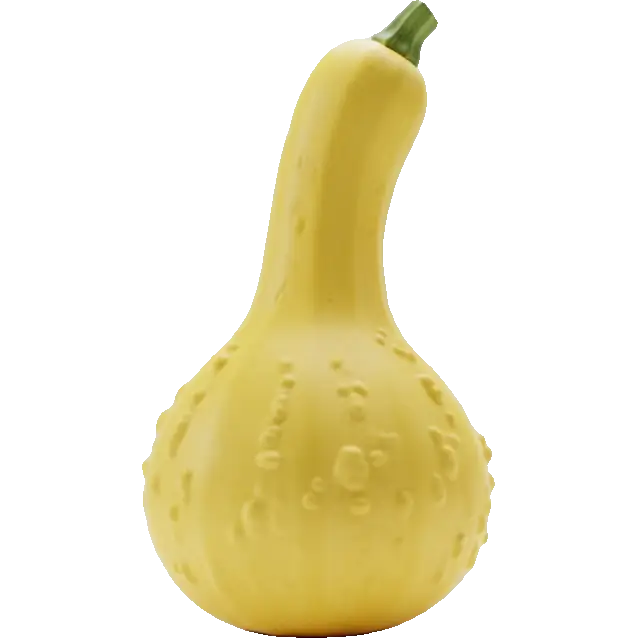
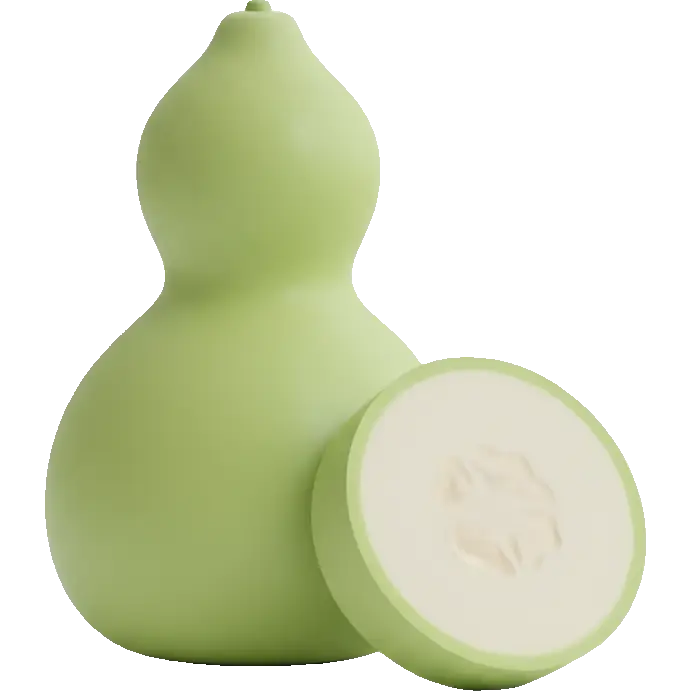
| CalabashLevel: Low | Calabash is a gourd vegetable. A mild squash also called bottle gourd. |


Grains29 foods
| Food | Notes |
|---|---|
| RiceLevel: Safe | Rice is a staple cereal grain. The most widely consumed grain feeding half the world. |
| BreadLevel: Safe | Bread is a baked staple food made from flour. The most common baked grain product worldwide. |
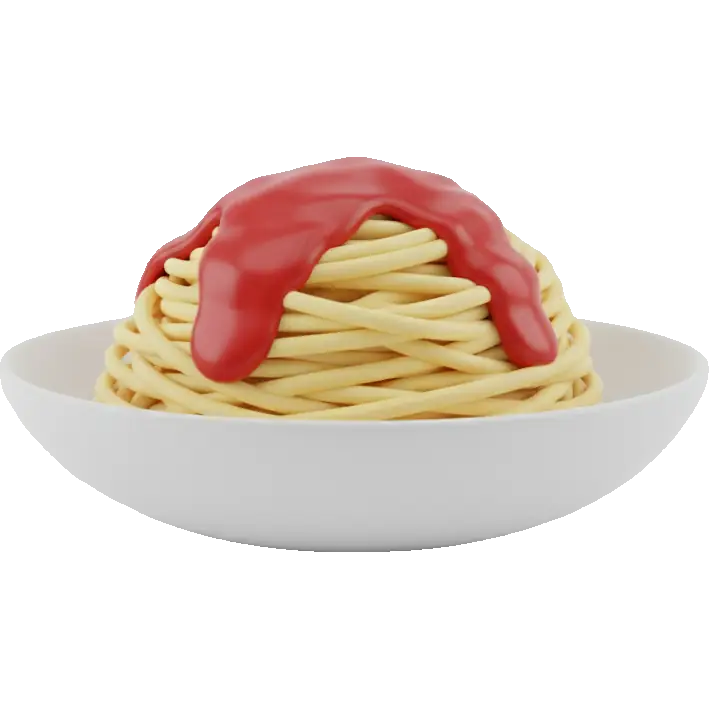
| SpaghettiLevel: Safe | Spaghetti is long thin cylindrical pasta. The most popular pasta shape worldwide. |
| Wheat flourLevel: Safe | Wheat flour is ground wheat kernels. The most common flour used in baking. |
| Flour tortillaLevel: Safe | Flour tortilla is a thin wheat flatbread. A soft pliable bread used for burritos and wraps. |
| PenneLevel: Safe | Penne is tube-shaped pasta with angled ends. A popular pasta shape that holds sauce well. |
| MacaroniLevel: Safe | Macaroni is small curved pasta tubes. A popular pasta shape used in mac and cheese. |
| SeitanLevel: Low | Seitan is a meat substitute made from wheat gluten. A high-protein chewy food also called wheat meat or mock duck. |
| Angel hair pastaLevel: Safe | Angel hair pasta is very thin spaghetti. A delicate pasta that cooks quickly. |
| SemolinaLevel: Safe | Semolina is coarse durum wheat flour. A grainy flour used for pasta and couscous. |
| Durum wheatLevel: Safe | Durum wheat is a hard wheat variety. A high-protein wheat for pasta and semolina. |
| Corn gritsLevel: Low | Corn grits are coarsely ground corn. A Southern breakfast porridge also called grits. |
| OrzoLevel: Safe | Orzo is rice-shaped pasta. A small pasta often used in soups and salads. |
| FettuccineLevel: Safe | Fettuccine is flat ribbon pasta. A wide noodle popular with creamy sauces. |
| Gluten-free breadLevel: Low | Gluten-free bread is bread made without wheat gluten. A bread alternative for those avoiding gluten. |
| Rice flourLevel: Safe | Rice flour is finely ground rice. A gluten-free flour used in Asian cuisine and baking. |
| Gluten-free cerealLevel: Low | Gluten-free cereal is breakfast cereal without gluten. A rice corn or certified oat cereal. |
| Refined grainsLevel: Safe | Refined grains are processed grains with bran removed. Grains milled to remove fiber and nutrients. |
| Gluten-free flourLevel: Safe | Gluten-free flour is flour without gluten. A blend of rice tapioca and potato starch for baking. |
| CouscousLevel: Safe | Couscous is tiny steamed semolina pasta. A North African staple resembling grains. |
| Sourdough breadLevel: Safe | Sourdough bread is bread leavened with wild yeast. A tangy bread made with fermented starter. |
| Gluten-free pastaLevel: Safe | Gluten-free pasta is pasta made without wheat. A pasta alternative from rice corn or legumes. |
| Rice noodlesLevel: Safe | Rice noodles are noodles made from rice flour. A gluten-free noodle used in Asian dishes. |
| FarinaLevel: Safe | Farina is milled wheat cereal. A smooth hot breakfast porridge. |
| Cassava flourLevel: Low | Cassava flour is ground cassava root. A gluten-free flour from tropical tubers. |
| Rice proteinLevel: Safe | Rice protein is a plant-based protein powder made from brown rice. A dairy-free supplement often blended with pea protein in vegan protein shakes. |
| MilletLevel: Low | Millet is a small round ancient grain. A mild gluten-free grain with fluffy texture when cooked. |
| Millet flourLevel: Low | Millet flour is ground millet grain. A mild gluten-free flour for baking. |
| Corn starchLevel: Safe | Corn starch is a refined thickener from maize used in sauces, cereals and baked goods; gluten-free and low FODMAP. |


Sweeteners26 foods
| Food | Notes |
|---|---|
| HoneyLevel: Safe | Honey is nectar processed by bees. A natural golden sweetener with floral flavors. |
| Cane sugarLevel: Safe | Cane sugar is a refined sweetener made from sugarcane. A common white granulated sugar used in cooking and food manufacturing. |
| SugarLevel: Safe | Sugar is the standard table sweetener (sucrose). The most common sweetener used in cooking and baking. |
| Maple syrupLevel: Safe | Maple syrup is boiled maple tree sap. A natural amber sweetener with distinctive flavor. |
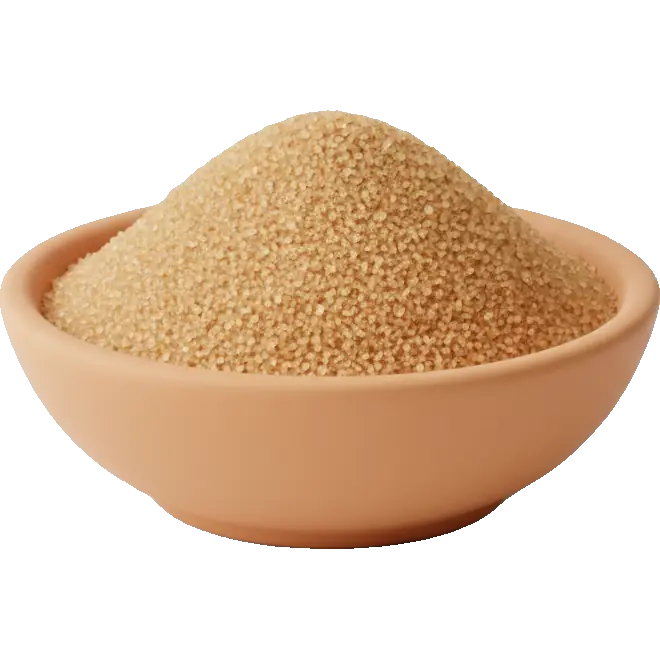
| Brown sugarLevel: Safe | Brown sugar, light brown sugar, dark brown sugar and soft brown sugar are one sweetener: sugar crystals coated with cane molasses. Moist golden to dark brown sugar packed into cups for baking, oatmeal and glazes. |
| Corn syrupLevel: Safe | Corn syrup is sweetener from corn starch. A thick liquid sweetener used in candy and baking. |
| MolassesLevel: Safe | Molasses is syrup from sugar refining. A dark thick sweetener with robust flavor. |
| Artificial sweetenersLevel: Low | Artificial sweeteners are synthetic sugar substitutes. Zero or low-calorie sweeteners for sugar replacement. |
| Agave nectarLevel: Safe | Agave nectar is syrup from agave plants. A liquid sweetener with mild honey-like flavor. |
| FructoseLevel: Safe | Fructose is fruit sugar. A simple sugar naturally found in fruits and honey. |
| SucroseLevel: Safe | Sucrose is common table sugar. A disaccharide sweetener from cane or beet. |
| HfcsLevel: Safe | HFCS is high-fructose corn syrup. A liquid sweetener widely used in processed foods. |
| Evaporated corn sweetenerLevel: Safe | Evaporated corn sweetener is concentrated corn syrup. A sweetener from processed corn starch. |
| Date sugarLevel: Safe | Date sugar is ground dried dates. A whole food sweetener with caramel flavor. |
| Golden syrupLevel: Safe | Golden syrup is a British treacle syrup. A golden amber sweetener with buttery flavor. |
| Malt syrupLevel: Safe | Malt syrup is sweetener from malted grains. A dark sticky sweetener with malty flavor. |
| GlucoseLevel: Safe | Glucose is a simple sugar. A basic sugar the body uses for energy. |
| Cane juiceLevel: Safe | Cane juice is pressed sugarcane liquid. A natural sweetener less processed than sugar. |
| Grape syrupLevel: Safe | Grape syrup is concentrated grape juice. A dark sweet syrup used in Middle Eastern cuisine. |
| Stevia leafLevel: Safe | Stevia leaf is the dried stevia plant leaf. A natural zero-calorie sweetener source. |
| Honey crystalsLevel: Safe | Honey crystals are dehydrated honey. A dry granulated form of honey sweetener. |
| Fruit nectarLevel: Safe | Fruit nectar is sweetened fruit juice blend. A thick sweet beverage from pureed fruit. |
| Maple sugarLevel: Safe | Maple sugar is crystallized maple syrup. A granulated sweetener with maple flavor. |
| Evaporated cane juiceLevel: Safe | Evaporated cane juice is less refined cane sugar. A sweetener retaining some molasses flavor. |
| Barley maltLevel: Safe | Barley malt is sweetener from sprouted barley. A dark sticky sweetener with malty flavor. |
| Invert sugarLevel: Safe | Invert sugar is hydrolyzed sucrose syrup. A liquid sweetener that resists crystallization. |

Additives & Leavening16 foods
| Food | Notes |
|---|---|
| Vanilla extract | Vanilla extract is a flavoring from vanilla beans. An aromatic liquid used in baking and desserts. |
| Cream of tartar | Cream of tartar is potassium bitartrate. An acidic powder used in baking and stabilizing egg whites. |
| Baking powder | Baking powder is a chemical leavening agent. A mixture that releases gas to make baked goods rise. |
| Tapioca starch | Tapioca starch is a gluten-free thickener. A starch extracted from cassava root. |
| Arrowroot flour | Arrowroot flour is a starchy thickening agent. A neutral-flavored powder from tropical arrowroot plants. |
| Sodium bicarbonate | Sodium bicarbonate is baking soda. A leavening and neutralizing agent in cooking. |
| Baking soda | Baking soda is sodium bicarbonate. A leavening agent that reacts with acids to produce bubbles. |
| Calcium carbonate | Calcium carbonate is a mineral food additive. A white powder used as a calcium supplement and antite. |
| Potassium chloride | Potassium chloride is a salt substitute. A mineral used to reduce sodium in foods. |
| Ammonium sulfate | Ammonium sulfate is a food additive. A dough conditioner used in commercial bread making. |
| Ammonium bicarbonate | Ammonium bicarbonate is a leavening agent. A traditional raising agent for crisp cookies and crackers. |
| Tartaric acid | Tartaric acid is a natural fruit acid. A tart compound from grapes used in winemaking. |
| Sodium citrate | Sodium citrate is a sodium salt of citric acid. An emulsifier and preservative in processed foods. |
| Enzyme blend | Enzyme blend is a mixture of food enzymes. A processing aid used in food manufacturing. |
| Trehalose | Trehalose is a natural sugar. A mild sweetener with stabilizing properties. |
| Potassium bicarbonate | Potassium bicarbonate is a leavening agent. A sodium-free alternative to baking soda. |

Meat10 foods
| Food | Notes |
|---|---|
| Ground beefLevel: Low | Ground beef is minced beef meat. A versatile beef form used in burgers and sauces. |
| Pork loinLevel: Low | Pork loin is the lean back meat from pigs. A mild tender cut often roasted whole. |
| VealLevel: Low | Veal is meat from young calves. A tender pale meat milder than beef. |
| Beef liverLevel: Low | Beef liver is the liver organ from cattle. A nutrient-dense organ meat with strong flavor. |
| Chicken liverLevel: Low | Chicken liver is the liver organ from chickens. A tender organ meat used in pâtés and dishes. |
| Beef proteinLevel: Safe | Beef protein is a dairy-free protein powder made from beef; also sold as beef protein isolate or hydrolyzed beef protein. A whey alternative used in protein shakes and protein bars. |
| RabbitLevel: Low | Rabbit is lean white meat from rabbits. A mild tender meat similar to chicken. |
| Rabbit meatLevel: Low | Rabbit meat is the flesh from domestic rabbits. A lean protein with delicate flavor. |
| Lamb liverLevel: Low | Lamb liver is the liver organ from lambs. A mild organ meat more delicate than beef liver. |
| Frog legsLevel: Low | Frog legs are the hind legs of edible frogs. A delicate white meat tasting like chicken. |
Legumes/Pulses3 foods
| Food | Notes |
|---|---|
| Tofu | Tofu is pressed soybean curd. A mild protein-rich food that absorbs flavors well. |
| Pea protein | Pea protein is a plant-based protein powder derived from yellow peas. A popular dairy-free supplement used in protein shakes and food products. |
| Soy protein | Soy protein is a powdered protein made from defatted soybeans as an isolate or concentrate. A plant-based protein found in shakes and protein bars and meat alternatives like veggie burgers. |
Eggs2 foods
| Food | Notes |
|---|---|
| Egg white | Egg white is the clear protein-rich part of an egg. Used in meringues and as a binding agent. |
| Egg white protein | Egg white protein is a dairy-free protein powder made from dried egg whites or albumen. A whey alternative used in shakes and protein bars and baking. |

What to limit
Foods our database grades as difficult on a gastroparesis diet.
Worth avoiding307 foods
| Food | Notes |
|---|---|
| Abalone | Mollusk shellfish—major allergen group; reactions can be severe. If allergic to other mollusks, cross‑reactivity is possible. Fresh plain abalone is FODMAP‑free; beware sauces with garlic/onion. |
| Acorn nuts | Edible only after leaching to remove bitter tannins. Not a common allergen, but rare acorn allergy reported; tree‑nut‑allergic people shouldn’t assume cross‑tolerance. |
| Adzuki beans | Legume high in GOS—gas‑forming for many with IBS; soaking/pressure‑cooking helps a bit. Small serves may be tolerated after reintroduction. |
| Ale | Usually barley/malt based (contains gluten). Beer/ale are generally low FODMAP per serve but alcohol and carbonation can still trigger IBS; may contain histamine/biogenic amines. |
| Alfalfa | Alfalfa is a legume plant. A nutritious sprout and forage crop. |
| Almond oil | Pure oils have no FODMAPs. Highly refined nut oils contain negligible protein (allergen) but unrefined/cold‑pressed oils can carry trace proteins—avoid if highly sensitive. |
| Almonds | Almonds are oval tree nuts with mild flavor. A versatile nut eaten whole or as flour and milk. |
| Aperitif | Covers many pre‑dinner alcoholic drinks (vermouth, bitters, etc.). Alcohol can aggravate IBS; some are wine‑based and may contain sulfites/biogenic amines. |
| Aperol | Bitter orange aperitif (11% ABV). Alcohol may trigger IBS; distilled spirit/wine‑based mixers may include sulfites—check label; gluten‑free as a spirit/liqueur. |
| Areca nuts | Also called betel nut—Group 1 carcinogen; not recommended as a ‘food’. Avoid chewing; significant oral cancer risk. |
| Argan oil | Tree‑nut–derived oil; refined oils have negligible protein (not a FODMAP). Cold‑pressed oils could contain trace proteins—use caution if highly allergic. |
| Armagnac | Distilled brandy—gluten‑free by distillation. Alcohol can worsen IBS; biogenic amines typically lower than wine but sensitivity varies. |
| Artichoke | Artichoke is a thistle vegetable. A tender heart surrounded by edible leaves. |
| Artichoke heart | Globe artichoke is high in FODMAP fructans; even small serves can trigger IBS in sensitive people. Packed with prebiotic fibre (inulin). |
| Avocado oil | Avocado oil is oil pressed from avocado fruit. A mild high-heat oil rich in healthy fats. |
| Bacon | Usually cured with nitrites/nitrates; some brands add sugar/garlic. Processed meats are discouraged on heart-healthy diets; choose additive-free where possible. |
| Bamboo shoots | Bamboo shoots are young bamboo stems. A crunchy mild vegetable used in Asian cuisine. |
| Barley | Barley is an ancient cereal grain. A chewy nutty grain for soups and beer. |
| Barley groats | Contains gluten (avoid in coeliac). Barley is high in fructans (FODMAP). Whole-grain barley is otherwise nutritious when tolerated. |
| Bean sprouts | Bean sprouts are germinated mung beans. A crisp sprout used in Asian stir-fries. |
| Bear | Wild game meat is FODMAP-free. MUST be thoroughly cooked (≥71–74°C/160–165°F) to avoid Trichinella parasites—freezing isn’t reliable for bear. |
| Beef tallow | Pure fat contains no FODMAPs. Very high in saturated fat—less aligned with DASH and Mediterranean patterns. |
| Beer | Beer is a fermented grain beverage. An alcoholic drink made from malted barley and hops. |
| Belgian endive | Also called witlof/chicory leaf. Low FODMAP at typical salad serves (chicory root is different and high in fructans). |
| Black beans | Black beans are small shiny dark legumes. A meaty bean popular in Latin American cuisine. |
| Black cumin seeds | Black cumin seeds are pungent aromatic seeds. A bitter spicy seed also called nigella. |
| Black gram | Urad dal (black gram) is a legume high in GOS (FODMAP). Soaking, rinsing and small/canned serves reduce FODMAPs, but tolerance varies. |
| Black seed oil | Pure oils contain no FODMAPs. Potent flavour; typical culinary amounts are fine on low FODMAP, though high fat may aggravate symptoms in some. |
| Black-eyed peas | Cowpeas/black-eyed peas are high in GOS. Canned, well-rinsed small serves test lower FODMAP; build tolerance cautiously. |
| Blackberry | Blackberry is a dark purple aggregate fruit. A sweet-tart berry growing on thorny brambles. |
| Blue cheese dressing | Typically contains blue cheese + buttermilk/sour cream and often garlic/onion. FODMAP and lactose depend on brand; check labels. |
| Borlotti beans | High in GOS/fructans; generally high FODMAP even canned. Fibre‑rich but portion‑limited for IBS. |
| Bourbon | Distilled spirit (from grains); gluten removed by distillation. Alcohol can liberate histamine/impair DAO and irritate IBS. |
| Boysenberry | Limited testing; likely small low‑FODMAP serve only. Larger serves often high in polyols/excess fructose. |
| Brandy | Distilled from wine; residual sulfites are low, but alcohol may trigger reflux, flush or histamine symptoms. |
| Brazil nut oil | Pure oil (no carbs/FODMAPs). All oils are FODMAP‑free; nutrition depends on fatty acid profile; watch total fats. |
| Brazil nuts | Brazil nuts are large crescent-shaped nuts. A rich creamy nut from Amazon rainforest trees. |
| Breadnut seeds | Edible tropical seeds; nutrient‑dense but untested for FODMAPs. Treat like other starchy seeds; introduce cautiously. |
| Broad beans | High FODMAP (GOS/fructans). Also avoid in G6PD deficiency (favism risk). |
| Broccoli sprouts | Rich in sulforaphane (studied for antioxidant/anti‑inflammatory effects). Smaller portions generally well tolerated vs mature broccoli. |
| Brussels sprouts | Brussels sprouts are small cabbage-like vegetables. A nutty cruciferous vegetable on stalks. |
| Bulgur wheat | Cracked par‑boiled wheat → contains gluten; high in fructans (FODMAP) in standard serves. |
| Burdock root | Gobo/burdock root is high in fructans; small amounts may be tolerated but typical serves are high FODMAP. |
| Butter | Butter is churned cream fat. A rich dairy fat used in cooking and baking worldwide. |
| Butter beans | Canned, well‑rinsed portions (~¼ cup) can be low FODMAP; larger serves high in GOS. |
| Butterfat | Clarified butter/ghee is almost pure fat with negligible lactose; traces of casein may remain—avoid if dairy‑protein allergic. |
| Butternut seeds | Seeds from butternut squash; similar to pumpkin seeds—low FODMAP at ~2 tbsp serves; nutritious topping. |
| Cactus pear | Monash confirms prickly pears are FODMAP‑free; standard serves are well‑tolerated. Source: Monash FODMAP (Facebook, 10 Jun 2015). |
| Caesar dressing | Classic Caesar uses anchovy, egg yolk, Parmesan and garlic (fructans) → not vegan/vegetarian and often high FODMAP. Fish, egg & milk are major allergens. |
| Camelina oil | ALA‑rich seed oil; carbohydrate‑free and FODMAP‑free; often used like flax oil. |
| Campari | Italian bitter liqueur (~24% ABV in the US). Alcohol can aggravate histamine symptoms; coloring no longer from cochineal in most markets. |
| Candlenuts | Also called kukui. RAW nuts are toxic (saponins/phorbol esters) — always roast/cook first. High‑nickel nuts may aggravate nickel‑sensitive dermatitis. |
| Cannellini beans | Legume high in GOS; canned & well‑rinsed small portions may be tolerated. |
| Canola oil | Canola oil is oil from rapeseed plants. A neutral mild oil for everyday cooking. |
| Caramel sauce | Usually sugar + butter/cream → contains lactose; very sugary. |
| Carob pods | Carob powder is high in fructans at modest serves; limit quantity. |
| Carrot tops | Edible greens; untested for FODMAPs — use sparingly as a herb. |
| Cashew nuts | High FODMAP (GOS/fructans). Also among higher‑nickel nuts; limit if nickel‑sensitive. |
| Cashews | Cashews are curved creamy nuts. A rich buttery nut used in cooking and snacking. |
| Cedar nuts | Also called pine nuts. Low FODMAP in small (~14 g) serves; nuts are typically higher in nickel. |
| Celery | Celery is a crunchy stalk vegetable. A mild vegetable used raw and in cooking. |
| Celery stalk | High in mannitol (polyol). Very small serves can fit low FODMAP; larger portions become high. |
| Champagne | Sparkling wine is generally low FODMAP per serve; contains alcohol and often added sulfites. |
| Chana dal | Split chickpeas; lower FODMAP than whole chickpeas but still GOS‑rich—keep serves small (brand/soak dependent). |
| Chestnut | Sweet chestnut roasted or boiled; starchy and low in fat unlike other nuts; removed from the FDA tree-nut labelling list in 2025. |
| Chia seed oil | Pure oil/fat → no FODMAPs; provides ALA omega‑3s. |
| Chia seeds | Chia seeds are tiny seeds from chia plants. A nutritious seed that forms gel when soaked. |
| Chicken fat | Pure fat; FODMAP‑free. Use moderately due to saturated fat. |
| Chickpeas | Chickpeas are round beige legumes. A nutty versatile bean used in hummus and curries. |
| Cider | Apple‑based (alcoholic or not) → often high FODMAP; alcohol and sulfites can also be issues. |
| Clarified butter | Ghee is virtually lactose‑free and low FODMAP; still contains trace milk proteins. |
| Clotted cream | Very high‑fat dairy spread; still contains lactose—often not tolerated on elimination. |
| Cloudberry | Nordic berry not lab‑tested for FODMAPs; portion cautiously like raspberries. |
| Coconut | Coconut is the fruit of coconut palms. A versatile tropical fruit used for meat milk and oil. |
| Coconut butter | Purée of coconut flesh (not oil); small serves may be low FODMAP, larger become high due to polyols. |
| Coconut oil | Coconut oil is oil pressed from coconut meat. A solid tropical oil used in cooking and baking. |
| Cognac | Distilled spirit (brandy) → carbohydrate‑free/FODMAP‑free; alcohol may irritate IBS. |
| Cola | FODMAP depends on sweetener: HFCS‑sweetened is high FODMAP; sugar‑sweetened isn’t a FODMAP but still a free sugar. Caffeinated & carbonated. |
| Collard greens | Leafy brassica; Monash-aligned sources list as low FODMAP in typical serves. Rich in calcium & vitamin K; excessive portions may increase fructans. |
| Conch | Molluscan shellfish: naturally FODMAP‑free protein. Allergen: molluscs (UK 14 major). Ensure freshness to avoid histamine issues. |
| Corn | Corn is a cereal grain and vegetable. A versatile crop eaten fresh and processed. |
| Corn oil | Pure oils have no FODMAPs (they’re fats). Suitable for low‑FODMAP; not AIP‑restricted. Choose minimally processed oils if preferred. |
| Cottonseed | Raw cottonseed isn’t commonly eaten due to gossypol (toxin). Treated/ULG cottonseed exists but is niche. Treat as unknown for FODMAPs; avoid unless specifically processed. |
| Cottonseed oil | Refined oil contains negligible carbs (no FODMAPs). Historical concern is gossypol in unrefined seeds; refined food‑grade oils are processed to remove toxins. |
| Cracked wheat | Cracked wheat/bulgur: contains gluten and is high in fructans; avoid on elimination. Gluten‑free alternatives: quinoa, rice, buckwheat. |
| Cranberry beans | Also called borlotti beans. High in GOS; canned & well‑rinsed beans can reduce FODMAPs, but no clear ‘green’ serve for this variety. |
| Cream | Cream is the high-fat layer from milk. A rich dairy product for cooking and coffee. |
| Cream cheese | Cream cheese is soft spreadable cheese. A mild tangy cheese for bagels and baking. |
| Cream gravy | Usually made with wheat flour and milk/butter (plus pan drippings). Contains gluten and lactose; often onion/garlic too. |
| Cucumber seeds | Cucumber flesh is low FODMAP; isolated seeds are rarely eaten in quantity but are not known to be high FODMAP. Seeds are excluded on strict AIP. |
| Dandelion greens | Bitter leafy greens; often listed as high FODMAP (fructans). Use sparingly on elimination. |
| Date | Date is a sweet dried stone fruit. A chewy caramel-flavored fruit from palm trees. |
| Dewberry | Closely related to blackberries; likely higher in sorbitol—tolerance varies. Untested specifically; trial small portions. |
| Duck breast | Plain poultry is naturally FODMAP‑free; choose simple seasonings and avoid onion/garlic marinades. |
| Duck egg | Duck egg is the egg from ducks. A larger richer egg than chicken eggs. |
| Duck fat | Pure fat → no FODMAPs. Use moderately due to saturated fat. |
| Duck leg | Plain poultry is naturally FODMAP‑free; choose simple seasonings and avoid onion/garlic marinades. |
| Durian | Generally considered low FODMAP in standard serves (limited testing reported); very aromatic fruit. |
| Edamame | Low FODMAP around 75 g (½ cup) shelled; larger serves increase GOS. |
| Egg yolk | The yolk of a chicken egg. |
| Egusi seeds | West African melon seeds; no formal FODMAP lab data—used in small amounts in stews. |
| Elderberry | Limited FODMAP data for fresh berries; syrups often include sugar/honey. Trial cautiously and check ingredients. |
| Emmer | Ancient wheat (often marketed as farro). High in fructans and contains gluten. |
| Endive | Endive is a bitter leafy vegetable. A crisp green used in salads and braising. |
| Farro | Usually emmer/spelt; contains gluten and is high in fructans—limit on elimination. |
| Fava beans | Dried broad beans are high in GOS; typical portions are high FODMAP. |
| Fiddlehead | Young fern shoots; not lab‑tested for FODMAPs—treat as unknown and try small serves after elimination. |
| Fig | Fig is a soft teardrop fruit with seeds. A sweet honey-flavored fruit eaten fresh or dried. |
| Flageolet beans | Dried French beans; like other legumes they are high in GOS unless portioned very small/pressure‑cooked. |
| Flax seeds | Flax seeds are small brown or golden seeds. A nutritious seed rich in omega-3 fatty acids. |
| Flaxseed oil | Pure fat so FODMAP-free. High in ALA omega-3. AIP typically avoids seed oils. |
| Freekeh | Cracked green wheat (contains gluten). High in fructans. Not allowed on AIP or EoE 6-FED (wheat). |
| Garbanzo beans | Chickpeas. Canned/rinsed small serves can be low FODMAP; larger portions high in GOS/fructans. Not AIP (legume). |
| Garlic aioli | Emulsion of oil + egg + garlic. High fructans due to garlic; not vegan; avoided on AIP/6-FED (eggs). |
| Ghee | Ghee is clarified butter from South Asia. A nutty aromatic cooking fat with high smoke point. |
| Gin | Distilled spirit; gluten removed by distillation. Alcohol can act as a histamine liberator; watch mixers for FODMAPs. |
| Ginger ale | Usually caffeine-free soda sweetened with sugar/HFCS; ginger flavor rarely from real ginger. High sugar load. |
| Gluhwein | Mulled red wine with spices and sugar. High in histamine/tyramine and sulfites; very high salicylates from spices. |
| Goji berry | Usually sold dried. |
| Goose fat | Pure animal fat; FODMAP-free. High in saturated fat relative to olive oil. |
| Grapeseed oil | Pure fat; FODMAP-free. High in omega‑6 linoleic acid (~70%). AIP often avoids seed oils; Mediterranean favors olive oil. |
| Gravy | Traditional gravies often contain wheat flour and onion/garlic; packet mixes may add MSG/sulfites. Gluten-free low-FODMAP versions exist. |
| Green chile | Milder green chili peppers such as Anaheim or Hatch; gentler than jalapeno but still a nightshade; can aggravate reflux for some. |
| Green lentils | High in GOS; canned/rinsed or small boiled portions are better tolerated. |
| Green peas | Green peas are sweet seeds in pods. A tender spring vegetable eaten fresh or frozen. |
| Guava | Guava is a tropical fruit with pink flesh. A fragrant sweet fruit with edible seeds. |
| Hard cider | Untested, but likely high FODMAP (apple-based); alcohol can irritate IBS—trial cautiously if at all. |
| Hard liquor | Hard liquor is distilled alcoholic spirits. Strong beverages like whiskey vodka and rum. |
| Harissa | Chili-garlic paste; often contains garlic → fructans. Choose garlic-free versions to lower FODMAPs. |
| Hazelnut | Hazelnut is a round brown nut in a husk. A sweet rich nut used in chocolate and baking. |
| Hazelnut oil | Pure oil/fat contains no FODMAPs; use moderately. |
| Heavy cream | High-fat dairy with relatively low lactose; portion size matters on low FODMAP. |
| Hemp hearts | Shelled hemp seeds; low FODMAP up to ~2 Tbsp per Monash-derived guidance. |
| Hemp oil | Pure oil/fat contains no FODMAPs; use moderately. |
| Hemp protein | De-oiled hemp seed cake milled into powder; keeps the seed fibre so a full 30g scoop goes well past the 20g serve tested for hemp seeds. Start with half a scoop and build up. Pressing out the oil concentrates minerals so nickel runs higher than whole seeds; naturally gluten-free but check for shared-mill warnings. |
| Hemp seed oil | Pure oil/fat contains no FODMAPs; use moderately. |
| Hemp seeds | Hemp seeds are seeds from hemp plants. A nutritious seed with nutty flavor. |
| Horse gram | High in GOS like other legumes; soak/pressure-cook to reduce FODMAPs. |
| Hot sauce | Chili-based condiments often include garlic/onion; choose garlic-free brands if needed. |
| Hulled sesame seeds | Sesame seeds: low FODMAP in small serves (~2 Tbsp); higher in oxalates and nickel. |
| Ipa | Hop-forward barley beer → gluten. Alcohol and carbonation can worsen IBS symptoms. |
| Jackfruit | FODMAP depends on ripeness and amount: unripe (green) jackfruit is better tolerated than ripe sweet fruit. |
| Jackfruit seeds | Consumed boiled/roasted in some cuisines; limited FODMAP data—may behave like legumes. |
| Jalapeno pepper | Fresh hot chili; capsaicin can irritate the gut and trigger IBS or reflux flares; a nightshade with moderate salicylates. |
| Jerusalem artichoke | Very high in inulin (fructans) → strong FODMAP trigger for most people. |
| Jicama | Jicama is a crunchy Mexican root vegetable. A mild sweet tuber eaten raw or cooked. |
| Kale | Kale is a hearty leafy cruciferous green. A nutritious vegetable with earthy flavor. |
| Kale sprouts | Similar to kale/broccoli family; generally low FODMAP. |
| Kamut flour | Ancient wheat containing gluten; high in fructans—avoid for coeliac and low-FODMAP. |
| Karuka nuts | Papua New Guinea nut; no FODMAP lab data—treat like other nuts (watch GOS/portion). |
| Kidney beans | Kidney beans are large red kidney-shaped beans. A meaty bean used in chili and red beans and rice. |
| Kimchi | Fermented cabbage with garlic/chili; high in biogenic amines (histamine/tyramine). GF unless wheat flour added. |
| Korma paste | Often includes onion/garlic, nuts, dairy/yogurt; some brands add wheat—check labels. |
| Kukui nuts | Also called candlenut; limited FODMAP data—use sparingly like other high‑fat nuts. |
| Kumquat | Small citrus eaten with peel; generally low FODMAP in small serves. |
| Lager | Barley beer → gluten. Monash lists beer as low FODMAP per standard serve, but alcohol/carbonation can aggravate IBS. |
| Lamb | Lamb is meat from young sheep. A tender flavorful red meat with distinctive taste. |
| Lamb chops | Plain red meat; FODMAP‑free. |
| Lard | Lard is rendered pig fat. A traditional cooking fat for baking and frying. |
| Lemon curd | Butter‑ and egg‑based spread with sugar; lactose present unless made lactose‑free. |
| Lentils | Lentils are small lens-shaped legumes. A quick-cooking protein-rich legume in many colors. |
| Lettuce | Lettuce is a leafy salad vegetable. A mild green in many varieties for salads. |
| Lima beans | Lima beans are large flat pale green beans. A starchy creamy bean also called butter beans. |
| Lotus leaf | Used as tea/wrapper; negligible carbs → FODMAP‑free in culinary use. |
| Lotus seeds | Also called fox nuts/makhana; moderate FODMAP—watch portions (GOS). |
| Lupin beans | Very high in GOS like other legumes; pickled/rinsed small serves may be better tolerated. |
| Macadamia nuts | Macadamia nuts are round buttery Hawaiian nuts. A rich creamy nut with subtle sweet flavor. |
| Mache | Also called lamb’s lettuce/corn salad; leafy green with negligible FODMAPs. |
| Margarine | Usually plant oils + emulsifiers. Many brands are dairy-free/vegan, but some contain milk solids or flavors—check label. |
| Marionberry | Similar to blackberries; polyol (sorbitol) load rises with portion. Small serves may be tolerated. |
| Mascarpone | Fresh Italian cheese, very low in carbs → typically low lactose. Rich in fat; contains dairy proteins and some biogenic amines. |
| Mayonnaise | Usually oil+egg+vinegar; low FODMAP if no garlic/onion. Not vegan unless specified; some brands add garlic or additives—check label. |
| Mead | Fermented honey alcohol; residual fructose varies (dry vs sweet). Often contains sulfites; fermented → higher histamine/amines. |
| Melon seeds | Similar to pumpkin/sunflower seeds—generally low FODMAP in modest serves. Nutrient‑dense; watch portions if low‑residue diet. |
| Mezcal | Distilled agave spirit (like tequila). Typically no FODMAPs; alcohol can trigger IBS. Usually low sulfites; avoid sweetened mixers. |
| Mizuna | Leafy brassica (Japanese mustard greens). Low FODMAP. Peppery; nutrient-dense. |
| Moringa oil | Cold‑pressed seed oil (ben oil). Pure fats contain no FODMAPs. High in oleic acid; use as you would olive oil. |
| Muesli cereal | Varies by recipe: oats + nuts + dried fruit often drive fructans/GOS/polyols; choose GF oats and low-FODMAP fruit. |
| Mulled wine | Wine + sugar + spices; alcohol and added sugars can aggravate symptoms; many wines have sulfites. |
| Mung beans | Like other legumes, high in GOS; small canned/soaked portions may be better tolerated. (Sprouts differ.) |
| Mustard greens | Leafy Brassica; low FODMAP at typical portions. |
| Mutton | Plain meat; FODMAP-free. |
| Navy beans | High in GOS; canned and well-rinsed small portions are better tolerated. |
| Niger seeds | Also called nyjer/guizotia; limited human data—treat like other small seeds and watch portion. |
| Nopal | Cactus pads/nopales; generally low FODMAP. |
| Oat bran | Fiber‑dense; small serves can be tolerated; choose certified GF oat bran if gluten‑sensitive. |
| Octopus | Seafood is FODMAP‑free; watch histamine with improper storage. |
| Olallieberry | Blackberry hybrid; blackberries are high in polyols (sorbitol) at common serves. |
| Olive oil | Pure fat → no FODMAPs. Extra‑virgin olive oil is a Mediterranean‑diet staple with polyphenols. |
| Palm kernel oil | Pure fat; no FODMAPs. |
| Palm oil | Pure fat; no FODMAPs. |
| Passion fruit | Passion fruit is a round tropical fruit. A tangy aromatic fruit with edible seeds. |
| Pea shoots | Tender greens; negligible FODMAPs at typical serves. |
| Peanut oil | Peanut oil is oil pressed from peanuts. A nutty high-heat oil popular for frying. |
| Peanuts | Peanuts are legumes that grow underground. A crunchy protein-rich nut-like legume. |
| Pecans | Pecans are buttery nuts from pecan trees. A rich sweet nut native to North America. |
| Perry | Pear cider; pears are high in excess fructose and sorbitol. Alcoholic ciders and perry often contain added sulfites. |
| Pesto | Typically basil, garlic, pine nuts, Parmesan, and olive oil. Garlic drives FODMAPs; garlic-infused oil versions are friendlier. |
| Physalis | Also sold as cape gooseberry or golden berry; nightshade family; eat only the ripe fruit without its husk. |
| Pigeon peas | Legume high in GOS; soaking/pressure-cooking helps but standard servings are high FODMAP. Also high in lectins and nickel. |
| Pili nuts | Very high-fat nut; limited FODMAP data (likely low due to low carbs). Tree nuts can be high in nickel; watch portions if nickel-sensitive. |
| Pilsner | Barley-based lager (gluten). Regular beers are generally low FODMAP in modest serves, but not suitable for celiac disease. Can contain histamine/tyramine; sulfites may be added. |
| Pine nut | Pine nut is the edible seed of pine trees. A small rich nut essential in pesto. |
| Pink beans | Common bean; high in GOS at standard serves. Rinsing canned beans and small portions improve tolerance, but still often high FODMAP. |
| Pinto beans | Pinto beans are speckled beige and brown beans. A creamy bean essential in Mexican refried beans. |
| Piri piri sauce | Chili, garlic, lemon, oil, and spices. Garlic drives fructans; hot chili can irritate IBS and GERD. Check labels for onion/added sugars. |
| Pistachio oil | Pure oil (no carbs → FODMAP-free). Refined oils contain negligible protein; cold-pressed may have trace pistachio proteins—caution for severe nut allergy. |
| Pistachios | Pistachios are green nuts in split shells. A sweet slightly savory nut with distinctive color. |
| Plant-based butter | Dairy-free butter alternative from plant oils; no lactose or milk protein unlike some margarines; check for soy lecithin. |
| Pomegranate | Pomegranate is a red fruit with seeds. A sweet-tart fruit with jewel-like arils. |
| Poppy seed oil | Pure oil with no carbs (FODMAP-free). Refined oils have negligible protein; cold-pressed oils may retain traces—rarely relevant except for severe allergies. |
| Poppy seeds | Poppy seeds are tiny blue-gray seeds. A nutty crunchy seed used in baking. |
| Pork belly | Rich, fatty pork cut; FODMAP-free but high in saturated fat. Fresh meat is low histamine; cured bacon/char siu introduce nitrites and amines. |
| Port | Sweet fortified wine; higher sugar load (excess fructose) and commonly contains sulfites. Fortified and barrel-aged wines can be high in histamine. |
| Porter | Barley-based beer → contains gluten. Usually low-FODMAP in typical serves, but may contain small sulfites. Alcohol can trigger histamine-like symptoms in some. |
| Processed meat | Includes hot dogs sausages deli meats etc. |
| Prosciutto | Aged/cured meat → high histamine/tyramine. Traditional Parma uses only pork+salt (no nitrites). |
| Prune | Prune is a dried plum. A sweet chewy dried fruit with concentrated flavor. |
| Pumpkin seed oil | Pure oil → no FODMAPs; generally well tolerated. Use moderately as a finishing oil. |
| Pumpkin seeds | Pumpkin seeds are flat green seeds from pumpkins. A nutritious seed eaten roasted as pepitas. |
| Quince | Fresh quince hasn’t been lab‑tested for FODMAPs; quince paste has only a very small low‑FODMAP serve. Trial small amounts once symptoms are settled. |
| Radicchio | Radicchio is a bitter red chicory. A colorful vegetable used in salads and grilling. |
| Radicchio leaves | Chicory family; low-FODMAP at normal serves; larger portions may introduce some GOS. |
| Radish | Radish is a peppery root vegetable. A crisp spicy root in many colors and sizes. |
| Raisins | Raisins are dried grapes. A sweet chewy dried fruit for baking and snacking. |
| Ranch dressing | Often contains buttermilk + garlic/onion powder; many brands are gluten-free but check labels. |
| Raspberry | Raspberry is a soft red aggregate fruit. A sweet-tart delicate berry. |
| Red beans | Legume; high GOS unless canned/rinsed. Legumes are also higher in nickel; start with small serves. |
| Red lentils | High GOS (and some fructans). Canned/rinsed or small serves reduce FODMAP load. |
| Red wine | Red wine is fermented dark grapes. An alcoholic beverage with varied styles and flavors. |
| Rocket | Also known as arugula or roquette. Peppery salad green rich in nitrates and vitamin K. |
| Rolled barley | Rolled barley is flattened barley grains. A quick-cooking barley for cereals and baking. |
| Root beer | Root beer is a carbonated herbal soft drink. A sweet vanilla-sassafras flavored beverage. |
| Rose wine | Rosé wine is pink-tinted grape wine. A light refreshing wine between red and white. |
| Rum | Rum is distilled sugarcane spirit. A sweet tropical liquor aged in barrels. |
| Rye | Rye is a cereal grain related to wheat. A hearty grain with distinctive tangy flavor. |
| Rye flour | Rye flour is ground rye grain. A dense flour used in breads like pumpernickel. |
| Rye whiskey | Rye whiskey is whiskey made from rye grain. A spicy bold American spirit. |
| Sacha inchi seeds | Sacha inchi seeds are star-shaped Peruvian seeds. A protein-rich seed high in omega fats. |
| Safflower oil | Safflower oil is oil from safflower seeds. A neutral high-heat oil for cooking. |
| Safflower seeds | Safflower seeds are oil-rich seeds from safflower. A seed pressed for cooking oil. |
| Sake | Sake is Japanese rice wine. A refined alcoholic beverage brewed from rice. |
| Salami | Salami is cured fermented sausage. A seasoned dried meat sliced for sandwiches and charcuterie. |
| Sarsaparilla | Sarsaparilla is a root-based soft drink. A sweet herbal beverage similar to root beer. |
| Satay sauce | Satay sauce is peanut-based dipping sauce. A creamy Southeast Asian condiment. |
| Sauerkraut | Sauerkraut is fermented shredded cabbage. A tangy probiotic condiment from Germany. |
| Sausage | Fresh or cured pork sausage; seasoning blends often include garlic and onion; cured versions add nitrites and higher histamine; check labels for gluten fillers. |
| Scotch | Scotch is Scottish whisky. A smoky complex spirit aged in oak barrels. |
| Seaweed | Seaweed is edible marine algae. A nutritious sea vegetable used in Asian cuisines. |
| Sesame oil | Sesame oil is oil pressed from sesame seeds. A nutty aromatic oil essential in Asian cuisine. |
| Sesame seeds | Sesame seeds are tiny flat oval seeds. A nutty seed used in baking and Asian cuisine. |
| Sheep tallow | Pure animal fat; FODMAP-free. Not vegan/vegetarian. High saturated fat. |
| Sherry | Fortified wine; often contains sulfites. Dry styles (fino/manzanilla) have less residual sugar than cream sherry. |
| Snow pea shoots | Shoots/tendrils of snow peas. Limited lab data for FODMAPs—tolerance unknown. Note: snow pea pods are portion-dependent for FODMAPs. |
| Snow peas | Snow peas are flat edible-pod peas. A sweet crisp vegetable eaten whole. |
| Soju | Default mapping by category; specific lab data limited—use conservative portions. |
| Sour cream | Default mapping by category; specific lab data limited—use conservative portions. |
| Soy beans | Soybeans are protein-rich Asian legumes. A versatile bean made into tofu tempeh and milk. |
| Soy nuts | Roasted soybeans; high in GOS (like other legumes). Small serves may still trigger symptoms. |
| Soybean oil | Pure oil with no carbs → FODMAP-free. Refined oils contain negligible protein; cold-pressed may carry trace proteins—rarely an issue for allergies. |
| Sparkling wine | Carbonated wine (e.g., Champagne, Prosecco). Contains sulfites; sweetness varies (brut vs demi-sec). Biogenic amines may bother sensitive individuals. |
| Spelt flour | Ancient wheat—contains gluten and typically high FODMAP as flour. Sourdough spelt bread can be tolerated in limited serves due to fermentation. |
| Split chickpeas | Also called chana dal/split garbanzo. Standard chickpea servings are high in GOS; some split/soaked forms test lower—portion and preparation matter. |
| Split lentils | Dehulled/red/yellow lentils can be lower FODMAP than whole at small serves, but still contain GOS—rinsing/cooking water discard helps. |
| Squash seeds | Squash seeds are edible seeds from squash. A nutritious seed similar to pumpkin seeds. |
| Sriracha | Chili-garlic hot sauce with added sugar; commonly contains sulfite preservatives. High in fructans due to garlic; hot chilies can irritate some. |
| Stout | Barley-based beer → gluten; alcohol can aggravate IBS; some brands may contain added sulfites. |
| Sunflower oil | Pure fats contain no FODMAPs; use moderately (higher omega-6 profile). |
| Sunflower seeds | Sunflower seeds are striped seeds from sunflowers. A nutritious snack seed eaten roasted. |
| Sweet corn | Low FODMAP at small serves (e.g., ~½ cob); larger portions bring up fructans. Rinse canned kernels. |
| Tartar sauce | Typically mayonnaise + pickles/capers + onion; some brands add dairy or wheat—check labels. |
| Tatsoi | Asian leafy green similar to bok choy; generally low FODMAP. |
| Tempeh | Fermented whole soybean cake; low FODMAP but high in histamine and tyramine from fermentation. |
| Tequila | Distilled spirit (gluten-free). Alcohol itself can aggravate IBS; choose small serves. |
| Tiger nuts | A tuber, not a nut. Monash lists low FODMAP at small serves (~20 g). Rich in resistant starch. |
| Tonic water | Carbonated mixer with quinine. FODMAP depends on sweetener (HFCS vs. sugar/diet). |
| Truffle oil | Most bottles are olive oil with a lab-made truffle aroma; only about half add a few flakes of real truffle. |
| Turnip greens | Not specifically lab-tested for FODMAPs; trial small serves when symptoms are settled. |
| Urad dal | Like most legumes, high in GOS (a FODMAP). Soaking/cooking/canning can lower GOS; small portions after reintroduction. |
| Vegan mayonnaise | Aquafaba-based is HIGH FODMAP (GOS); oil-based without aquafaba is LOW FODMAP. Seed oils incompatible with Paleo/AIP; avocado oil versions are anti-inflammatory. |
| Vegetable shortening | Pure fats have no FODMAPs. Shortening is high in saturated/trans fat; limit for heart health. |
| Veggie patty | Meat-free burger patty from beans soy or pea protein; check for egg or dairy binders and wheat gluten. |
| Vermouth | Fortified/aromatized wine; styles vary in sugar. Wine typically contains sulfites; biogenic amines (histamine/tyramine) may be present. |
| Vodka | Distilled spirit; FODMAP-free and considered gluten-free even if made from wheat due to distillation. |
| Walnut oil | Pure oils have no FODMAPs. Tree-nut–allergic individuals should check for refined oil and possible trace proteins. |
| Walnuts | Walnuts are wrinkled brain-shaped nuts. A rich slightly bitter nut with earthy flavor. |
| Wheat | Wheat is a cereal grain and global staple. The most widely grown crop used for flour. |
| Wheat bran | Wheat bran is the outer layer of wheat kernels. A fiber-rich byproduct of flour milling. |
| Wheat germ | Wheat germ is the nutrient-rich wheat embryo. A nutritious part of wheat kernel. |
| Wheat germ oil | Oil itself has no FODMAPs. Generally protein-free (gluten-free) but cross-contact or trace protein can occur; choose certified GF if needed. |
| Whipped cream | Small serves can be low FODMAP; portions matter. Contains lactose and dairy proteins. |
| Whiskey | Distilled spirit; considered gluten-free even if made from barley/wheat due to distillation. Drink dry/straight to avoid mixers with FODMAPs. |
| White beans | High GOS; canned & well-rinsed small portions are better tolerated than boiled. Reintroduce cautiously. |
| White or navy beans | White or navy beans are small oval white beans. A mild creamy bean used in soups and baked beans. |
| White wine | White wine is fermented light grapes. A refreshing wine ranging from dry to sweet. |
| Whole grain bread | Usually wheat-based → gluten + fructans. Gluten-free and sourdough options can be lower FODMAP in set serves. |
| Whole grain cereal | Varies by grain; many whole-grain cereals use wheat/bran (fructans). Choose GF options (oats, corn, rice, quinoa) and check portions. |
| Whole wheat bagel | Wheat flour = fructans + gluten. Portion sizes quickly exceed low-FODMAP thresholds. |
| Whole wheat flour | Whole wheat is high in fructans and contains gluten. |
| Whole wheat pasta | Wheat pasta contains fructans; very small cooked portions can be tolerated by some during elimination, but standard serves are high FODMAP. |
| Wild rice | Wild rice is an aquatic grass seed. A chewy nutty grain native to North America. |
| Winged beans | Legume; likely high GOS. Soaking/cooking may lower FODMAPs but data limited—trial small amounts after reintro. |
| Yam bean | Jicama is rich in inulin (a fructan); tends to be high FODMAP except in very small serves. |
| Yellow lentils | Dehulled lentils still contain GOS. Canned/rinsed small portions are often better tolerated than boiled. |
| Yellow passion fruit | Low FODMAP at ~2 fruits (≈46 g pulp). Larger serves can increase FODMAP load. |
| Yellow split peas | High in GOS; small serves may be tolerated post-reintroduction. |
| Youngberry | Hybrid berry related to blackberry; FODMAP data limited. Berries can skew towards sorbitol in larger serves—trial carefully. |





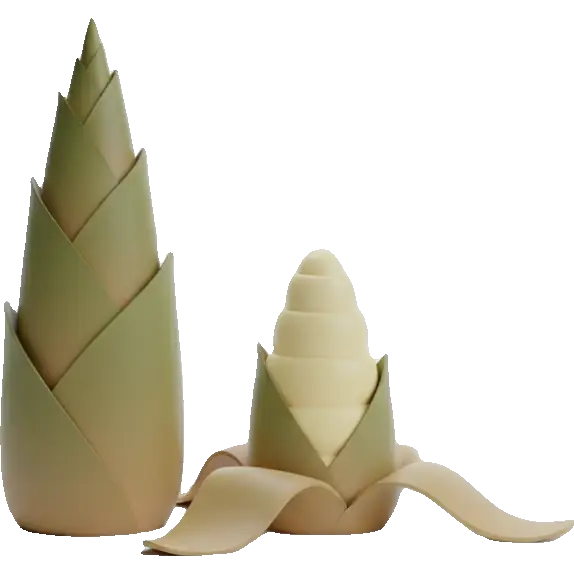
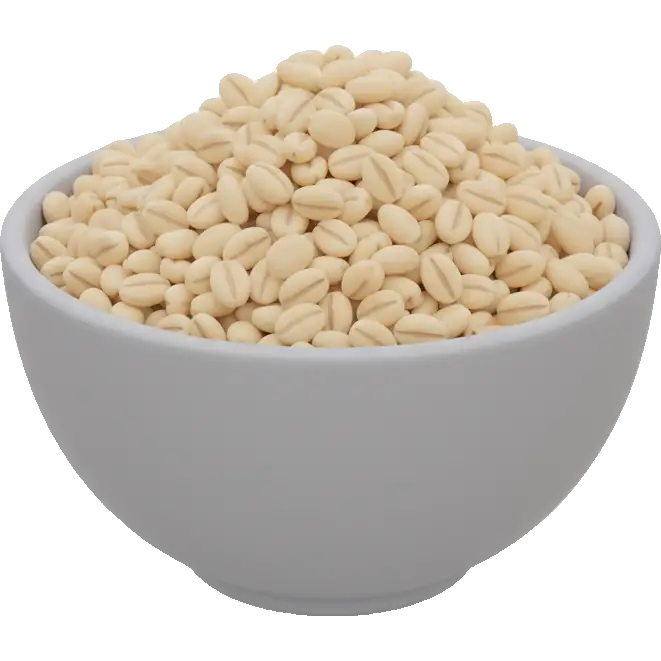
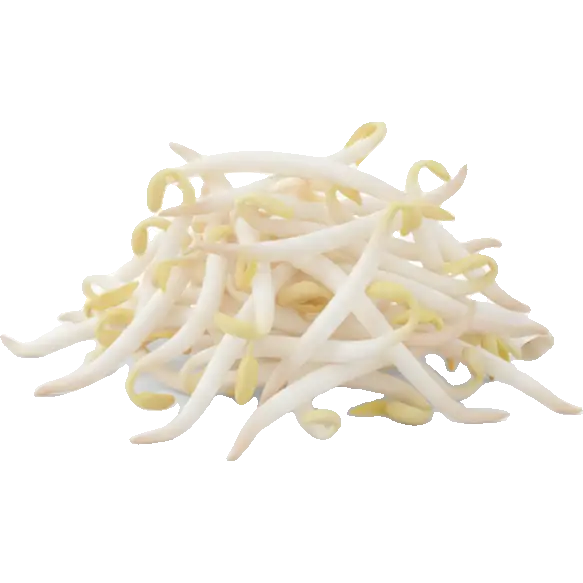











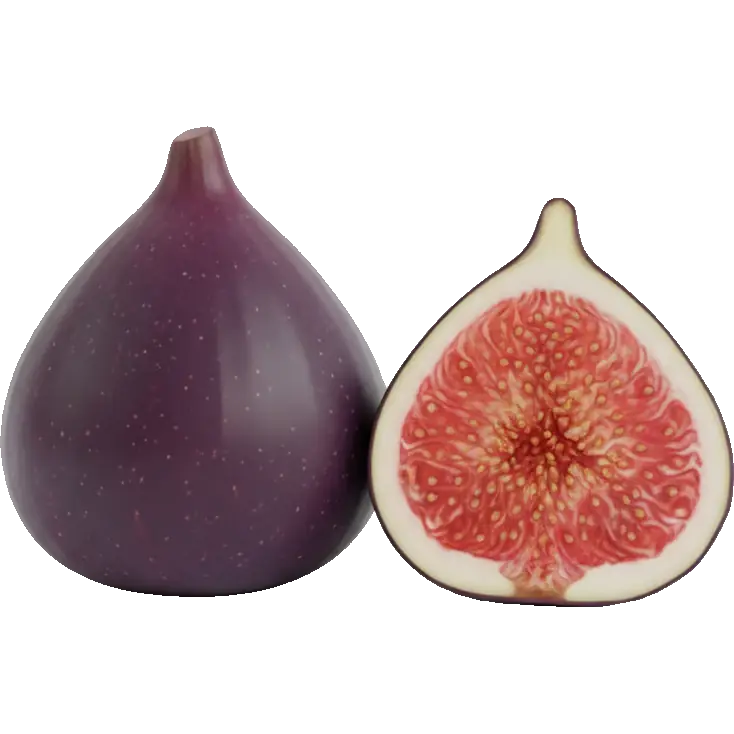
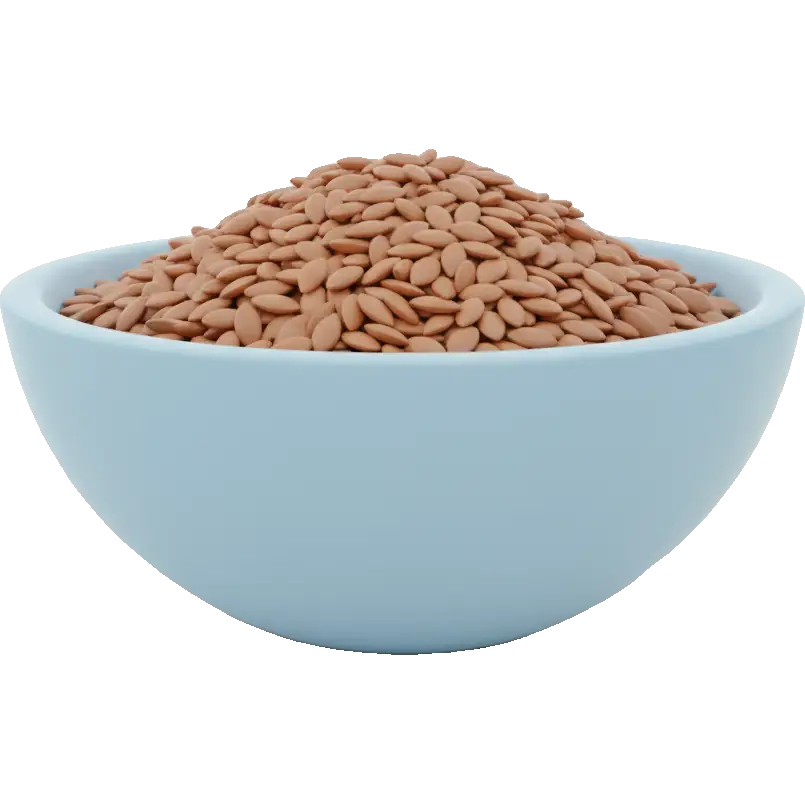
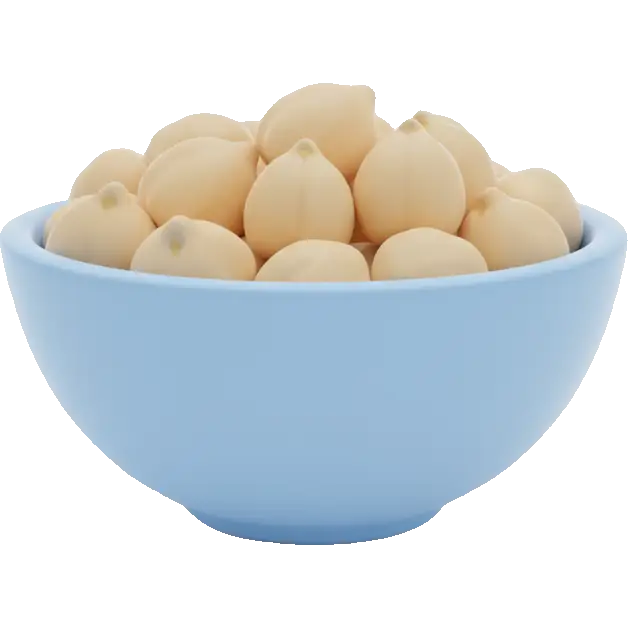


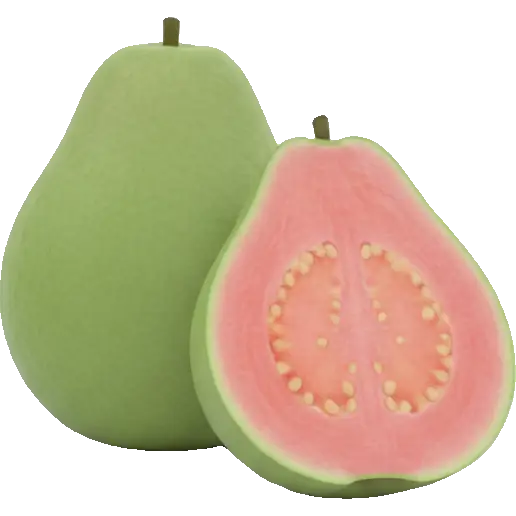



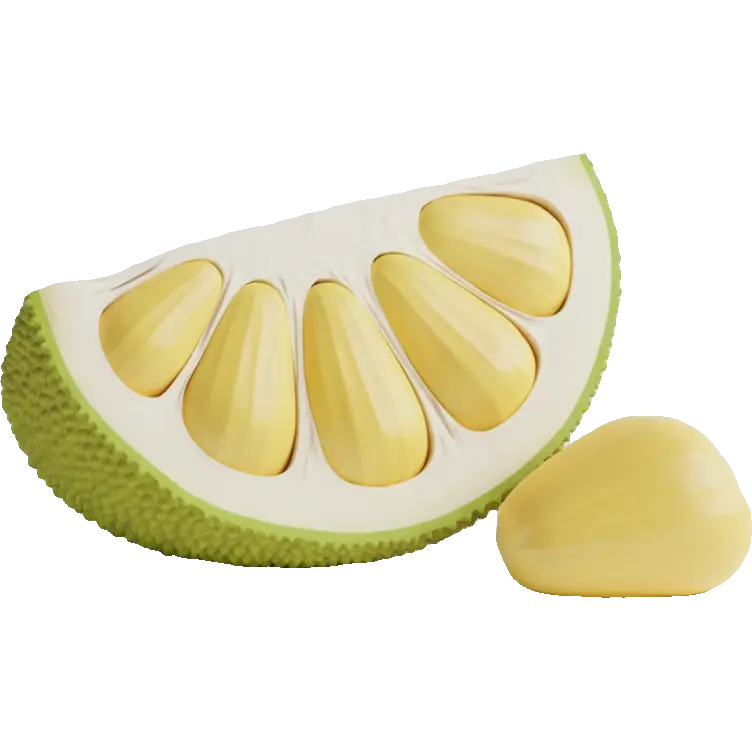
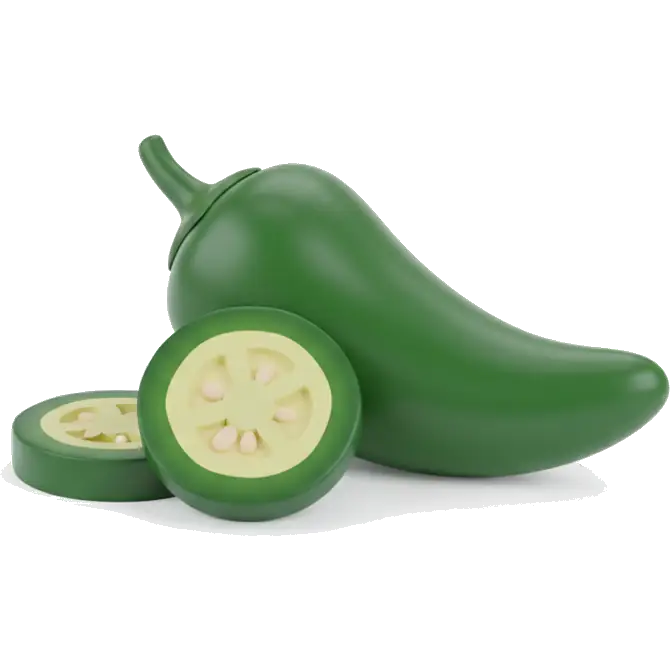
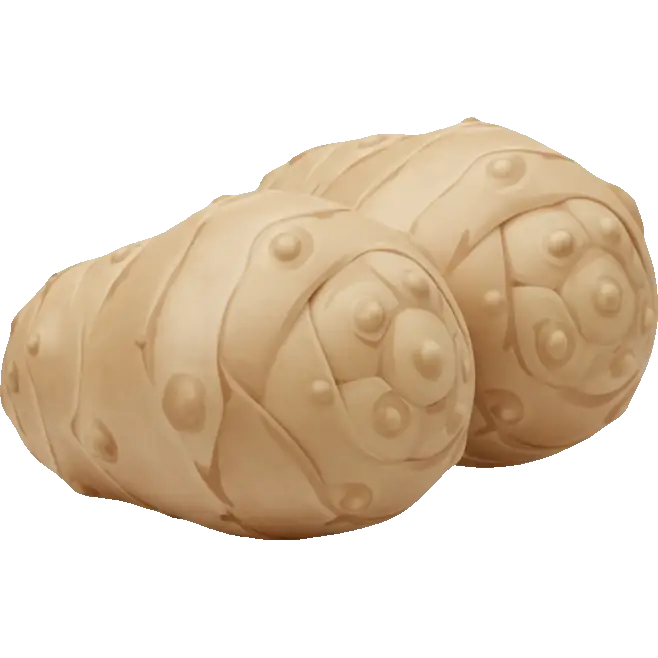
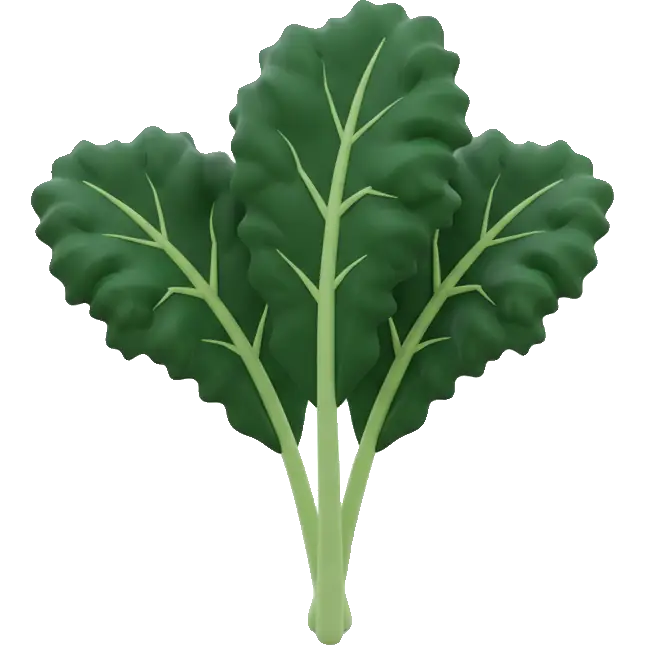











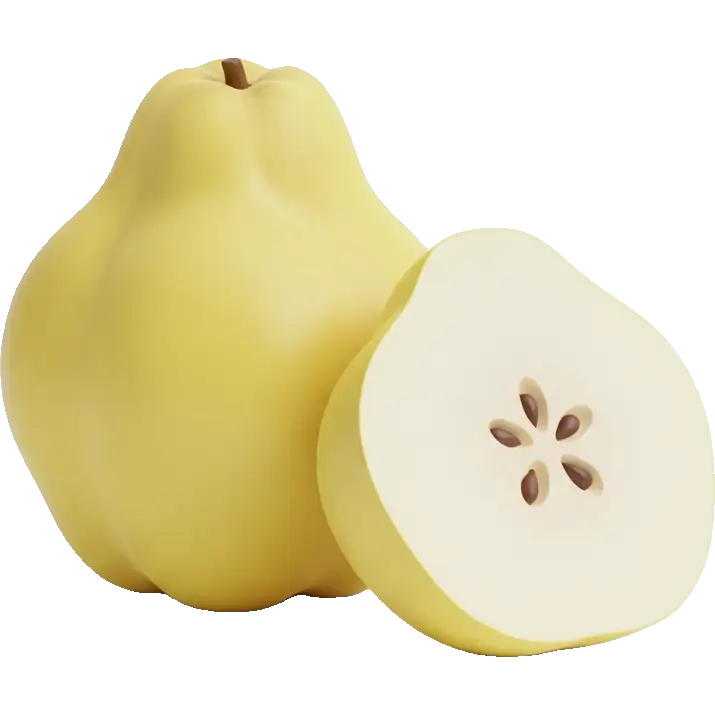














Moderate214 foods
| Food | Notes |
|---|---|
| Acai powder | Açaí powder is dried ground açaí berries. A concentrated superfood from Brazilian palms. |
| Acerola | Tart cherry rich in vitamin C. Generally low FODMAP in small serves; acids may aggravate reflux in some. |
| Ackee | Unripe ackee is TOXIC (hypoglycin A) and can cause severe vomiting—eat only properly ripened/canned ackee from trusted sources. |
| Aged cheese | Aged cheese is cheese matured over time. A sharp flavorful cheese with developed taste. |
| Alfalfa sprouts | Low FODMAP in typical serves; as with all sprouts, food‑safety matters (wash/keep chilled). Some with salicylate sensitivity report symptoms. |
| Alligator | Plain meats are FODMAP‑free and naturally gluten‑free. Watch marinades (garlic/onion). |
| Almond butter | Low FODMAP only in a small serve (see Monash app). Tree‑nut allergen; also naturally higher in oxalates. |
| Amaranth | Amaranth is an ancient grain-like seed. A protein-rich pseudocereal with earthy flavor. |
| Amaranth grain | Naturally gluten‑free pseudocereal. Fiber‑dense—introduce gradually if sensitive; cross‑contact with gluten can occur, so seek certified GF if needed. |
| Antelope | Plain game meats are FODMAP‑free and gluten‑free; watch added marinades/sausages. |
| Asian pear | Also called nashi pear. High FODMAP due to excess fructose (and some sorbitol); tiny 25–30 g serves may be tolerated. |
| Asparagus | Asparagus is a spring vegetable stalk. A tender green spear with grassy flavor. |
| Avocado | Avocado is a creamy green fruit with pit. A buttery fruit used in savory and sweet dishes. |
| Bayberry | Also called yangmei; limited FODMAP data. Treat as unknown and trial cautiously in reintroduction. |
| Beef | Beef is meat from cattle. A red meat staple consumed worldwide in many cuts. |
| Beef steak | Fresh beef is FODMAP-free. Dry-aged beef can be higher in histamine; choose fresh cuts if histamine-sensitive. |
| Beet greens | Leafy tops of beets; low FODMAP but very high in oxalates. Pair with calcium sources if you’re prone to kidney stones. |
| Bell pepper | Capsicum/bell pepper is low FODMAP at ~75 g serves. It’s a nightshade—some may react despite low FODMAP. |
| Bison | Bison is meat from American buffalo. A lean red meat similar to beef but richer. |
| Black coffee | Naturally low FODMAP. Typical 8 oz has ~95 mg caffeine; caffeine can aggravate IBS for some—limit to ~2–3 cups/day if sensitive. |
| Black pepper | Black pepper is dried peppercorn berry. The world's most traded spice with pungent heat. |
| Black seed | Nigella (black cumin/kalonji) used as a spice; low FODMAP in small amounts. Herbs/spices can be higher in salicylates for sensitive people. |
| Blackcurrant | High in sorbitol (a polyol); small portions only if sensitive to sorbitol. Rich in vitamin C and anthocyanins. |
| Blood orange | Similar to regular orange: generally low FODMAP in typical serves. Citrus may liberate histamine for some. |
| Blue cheese | Aged cheese: lactose is minimal; but high in tyramine and biogenic amines—avoid with MAOIs and histamine intolerance. Most blue cheeses test gluten-free; check rennet if vegetarian. |
| Boar | Treat like pork/game: FODMAP‑free. Cook thoroughly; wild boar should be tested/handled to avoid Trichinella. |
| Bok choy | Bok choy is a Chinese cabbage variety. A mild crunchy vegetable with white stalks. |
| Broccoli | Broccoli is a green cruciferous vegetable. A nutritious vegetable with tree-like florets. |
| Buckwheat | Buckwheat is a triangular pseudocereal seed. A nutty gluten-free grain for pancakes. |
| Buckwheat groats | Naturally gluten‑free groats (kasha). Low FODMAP in moderate cooked serves; watch cross‑contamination in mixed products. |
| Buffalo | Buffalo is meat from water buffalo or bison. A lean red meat popular in many cultures. |
| Buffalo meat | Lean red meat; FODMAP‑free protein. Choose lean cuts; cook to preference. |
| Buffalo sauce | Typically hot sauce (often with garlic) + butter; contains dairy and nightshade chili; brand recipes vary. |
| Button mushroom | Common white mushroom; high in mannitol so a frequent FODMAP trigger; naturally glutamate rich. |
| Cabbage | Common green/red cabbage can be low FODMAP at ~½–1 cup portions; larger amounts increase fructans/mannitol. |
| Calamari | Mollusc (shellfish) allergen. Plain squid is FODMAP‑free; histamine risk relates to storage of seafood, not cooking. |
| Camel | Lean red meat; naturally FODMAP‑free. Nutrition comparable to other red meats. |
| Caraway seed | Seed spice; small culinary amounts are generally low FODMAP; excluded on Autoimmune Protocol (seed spices). |
| Cauliflower | Cauliflower is a white cruciferous vegetable. A mild vegetable with dense florets. |
| Cayenne | Capsaicin can trigger IBS symptoms for some despite low FODMAPs. Nightshade; avoid on AIP. |
| Cayenne pepper | Cayenne pepper is a hot red chili pepper. A spicy pepper used fresh or dried and ground. |
| Celery seed | Seed of celery plant; FODMAP untested. Celery (incl. seeds) is a named UK/EU major allergen. |
| Chard | Swiss/rainbow chard is low FODMAP at common serves; moderate oxalates. |
| Cheddar cheese | Cheddar cheese is a firm aged English cheese. A sharp tangy cheese in many varieties. |
| Cheese | Generic cheese. Lactose content varies by type; aged cheeses are typically lower in lactose. |
| Cherry | Cherry is a small round stone fruit. A sweet or tart fruit enjoyed fresh or in desserts. |
| Chestnut flour | Gluten‑free flour from chestnuts; generally low FODMAP in typical bake serves—watch total carb load. |
| Chevre | Soft goat cheese contains lactose; small serves may be tolerated. Aged goat cheeses are lower‑lactose. |
| Chili garlic sauce | Contains garlic → fructans. Choose garlic‑free chili sauces or use garlic‑infused oil if needed. |
| Chili powder | Pure ground chili is low FODMAP in small amounts; blends may add onion/garlic—check labels. |
| Chimichurri | Parsley‑garlic herb sauce; typical recipes include raw garlic → fructans. Use garlic‑infused oil to lower FODMAPs. |
| Coconut milk | Coconut milk is creamy coconut liquid. A rich tropical dairy alternative for cooking. |
| Coffee | Generic brewed coffee. Naturally low FODMAP and clean on gluten, lactose and salicylates; caffeine is the headline at roughly 95 mg per 8 oz cup. Also stimulates the colon and relaxes the lower oesophageal sphincter, effects that survive decaffeination. |
| Colby cheese | Colby cheese is a mild American cheese. A soft orange cheese similar to cheddar. |
| Colby jack | Semi‑soft cheese; generally low in lactose but higher in biogenic amines. |
| Corn flour | Made from maize; gluten‑free (watch for factory cross‑contact). Polenta/cornmeal/grits are low FODMAP in sensible portions. |
| Corn tortilla | Naturally gluten-free. Low FODMAP. Made from nixtamalized corn (masa). |
| Cornish hen | Young chicken; plain meat is FODMAP‑free. Watch marinades/gravies (onion/garlic, flour). |
| Cranberry | Cranberry is a small tart red berry. A sour fruit typically sweetened for sauces. |
| Cress seed | Seeds of garden cress (Brassicaceae). Untested for FODMAPs; tiny spice amounts likely OK. Not a major UK allergen; AIP excludes seed spices. |
| Cucumber | Cucumber is a cool crunchy vegetable. A refreshing vegetable eaten raw or pickled. |
| Cuttlefish | Molluscan seafood (like squid). FODMAP‑free protein; major UK allergen (molluscs). Quality & temperature control reduce histamine risk. |
| Daikon radish | Also called white radish/mooli. Generally considered low FODMAP in typical serves; crisp raw or cooked. |
| Damson plum | Stone fruit; plums are high in sorbitol and often trigger IBS symptoms. Very small tastes only during reintroduction. |
| Dark chocolate | 70%+ cocoa. Strong anti-inflammatory from flavanols. HIGH oxalate and nickel—avoid for kidney stones and SNAS. Low FODMAP at 30g. Check for hidden dairy. |
| Dill seed | Dill seed is low FODMAP as a spice; excluded on strict AIP due to being a seed. |
| Dragonfruit | Dragonfruit is a vibrant pink tropical fruit. A mildly sweet fruit with speckled flesh. |
| Dry mustard | Ground mustard seed; low FODMAP in seasoning amounts. Some strict AIP templates avoid seed spices. |
| Eel | Seafood is naturally FODMAP‑free; freshness/handling important for histamine‑sensitive folks. |
| Egg | Standard chicken egg. Common allergen. |
| Elk | Elk is lean game meat from elk deer. A mild tender red meat similar to venison. |
| Emu | Emu is lean red meat from emu birds. A rich dark poultry meat similar to beef. |
| Espresso | Coffee is low FODMAP; caffeine can stimulate the gut—adjust strength/portion. |
| Fava greens | Leaves of the broad bean plant; limited data, likely low FODMAP in normal serve sizes. |
| Feijoa | Assuming this is feijoa (pineapple guava): typically high FODMAP at common serves (excess fructose). |
| Fennel bulb | Fennel bulb is a crisp anise-flavored vegetable. A white bulb with licorice-like taste. |
| Feta | Brined cheese; lactose is lower than milk and small 40 g serves are typically low FODMAP. |
| Fish oil | Pure fat; no FODMAPs. Source of EPA/DHA omega‑3s. |
| French dressing | Recipe/brand dependent; can include onion/garlic, tomato/paprika, thickeners, dairy and preservatives. Check labels. |
| Garland chrysanthemum | Also called tong ho/shungiku. Leafy green used in hotpots; generally low FODMAP in normal serves. |
| Garlic scapes | Above-ground garlic shoots; Monash-certified products exist. More tolerable than garlic bulbs; watch portions. |
| Gluten-free oats | Oats grown and milled without wheat contact; safe for most coeliacs though a minority react to avenin. |
| Goat cheese | Goat cheeses vary: fresh chèvre has more lactose; aged versions have little lactose but are high in histamine/tyramine. Contains dairy proteins. |
| Goat meat | Lean red meat when trimmed; FODMAP-free. Ensure freshness for histamine-sensitive folks. |
| Gochujang | Fermented Korean chili paste (rice or wheat, soy). Nightshade-heavy; often contains gluten and is high in histamine/tyramine. |
| Gooseberry | Tart berry; typical serves appear low FODMAP, but detailed lab data limited—watch portions. |
| Gorgonzola | Blue cheese; very high in histamine/tyramine and natural glutamates. Lactose is typically very low, but contains dairy proteins. |
| Grapefruit | Grapefruit is a large citrus fruit. A tangy bitter-sweet citrus for breakfast. |
| Green bean | Green bean is an immature bean pod. A tender vegetable also called string bean. |
| Green bell pepper | Green bell pepper is an unripe sweet pepper. A slightly bitter crunchy pepper. |
| Greengage | A type of plum; plums are high in sorbitol → high FODMAP. |
| Grouse | Lean game meat; naturally FODMAP-free. |
| Guinea fowl | Lean game meat; naturally FODMAP-free. |
| Half-and-half | Dairy blend (milk+cream) with moderate lactose—often not tolerated on elimination. |
| Halloumi | Lower-lactose cheese with salty profile; Monash lists a small low FODMAP serve—watch histamine. |
| Ham | Processed meat; often cured with nitrites and can be higher in histamine—choose nitrite-free where possible. |
| Havarti | Aged/semi-soft cheese; typically low in lactose but higher in biogenic amines (histamine/tyramine). |
| Hearts of palm | Low FODMAP vegetable at common serves; adds fiber with mild flavor. |
| Horseradish root | Pungent root; small portions typically low FODMAP; spices can be higher in salicylates. |
| Horseradish sauce | Often mayo/cream-based with vinegar/sugar; many add onion/garlic—brand-dependent. |
| Hummus | Chickpeas + tahini + garlic. Canned/rinsed chickpeas and garlic-infused oil versions are gentler. |
| Jujube | Fresh small serves may be tolerated; dried jujube tends to be higher in sorbitol. |
| Juniper berries | Spice used sparingly (e.g., with game); low FODMAP in typical amounts. |
| Kangaroo | Very lean red meat; naturally low FODMAP; rich in iron/protein. |
| Kiwano | Horned melon; not lab-tested for FODMAPs—treat like other melon family fruits (watch portion). |
| Kiwi | Kiwi is a fuzzy brown fruit with green flesh. A tangy sweet fruit with edible seeds. |
| Kohlrabi | Brassica veg; small serves are low FODMAP—larger portions can raise fructans. |
| Kombucha | Fermented tea; low FODMAP only in small serves depending on residual sugars; can be high in histamine. |
| Kvass | Traditional rye-bread ferment → gluten and likely higher fructans; varies by recipe. |
| Lactose-free cheese | Cheese with the lactose removed or naturally aged out; casein and whey remain so it is not dairy-free. |
| Leek | Leek is a mild onion-family vegetable. A sweet subtle allium used in soups and sides. |
| Light cream | Lower‑fat cream still contains lactose; portion‑dependent on low FODMAP. |
| Limequat | Citrus hybrid similar to kumquat; generally low FODMAP in modest serves. |
| Lotus root | Crunchy rhizome; generally low FODMAP at moderate serves. |
| Manchego | Aged sheep's cheese; very low lactose (often tolerated on low FODMAP in small serves). Contains dairy proteins and biogenic amines. |
| Meat-free mince | Meat-free ground mince from soy or pea protein; usually lower in fat than beef mince; check for wheat gluten binder. |
| Medlar | Old‑world fruit (bletted). Contains sorbitol and sugars; FODMAP data limited—trial small serves if sensitive to polyols. |
| Milk chocolate | 30-40% cocoa. Low FODMAP at 20g (lactose limiting). Lower oxalate than dark but contains dairy proteins. Watch for barley malt. High sugar offsets flavanol benefits. |
| Milkshake | Typically milk + ice cream + syrup → high lactose and sugar. Choose lactose‑free/plant‑milk versions if needed. |
| Monstera deliciosa | Also called ceriman. Edible only when fully ripe; unripe fruit contains calcium oxalate raphides that can cause severe mouth/throat irritation. |
| Monterey jack | Semi‑hard cow’s cheese; low lactose at usual serves. Contains dairy proteins and moderate natural glutamates/biogenic amines. |
| Moose | Lean wild game (red meat). No FODMAPs. As with all game, handle/cook properly; histamine increases in leftovers/aged meats. |
| Mulberry | Berries generally lower-FODMAP in moderate serves; mulberries not widely lab-tested—keep portions modest. |
| Mushroom | Mushroom is an edible fungus. A savory umami-rich ingredient in many varieties. |
| Mustard root | Root of mustard plant; similar to radish/turnip—generally low FODMAP in modest serves. |
| Mustard seeds | Spice; low FODMAP in small amounts; can be higher in salicylates. |
| Oats | Oats are a cereal grain from the oat plant. A hearty grain commonly eaten as oatmeal. |
| Okra | Okra is a green pod vegetable. A mucilaginous vegetable used in gumbo and curries. |
| Olive | Olive is the fruit of olive trees. A briny fruit cured for eating or pressed for oil. |
| Olive tapenade | Often includes garlic/capers/anchovy—FODMAP depends on recipe; garlic drives fructans. |
| Onion | Very high in fructans; avoid on elimination. |
| Orange | Orange is a round citrus fruit. A sweet juicy fruit popular worldwide. |
| Ostrich | Ostrich is lean red meat from ostriches. A healthy dark poultry meat low in fat. |
| Oyster mushroom | Low FODMAP mushroom; unlike button mushrooms it is well tolerated on an elimination diet. |
| Paneer | Fresh cheese; moderate lactose—watch portion on low FODMAP. |
| Parmesan | Aged hard cheese; very low lactose but high in biogenic amines (histamine/tyramine). |
| Parmesan cheese | Parmesan cheese is aged Italian hard cheese. A nutty savory cheese for pasta. |
| Peanut butter | Low FODMAP at ~2 Tbsp; choose pure peanut-only spreads (no HFCS/inulin). |
| Pearl barley | Contains gluten; barley is high in fructans—avoid for coeliac and during low‑FODMAP elimination. |
| Pecan butter | Nut butter; small serves are low FODMAP. Choose no‑added sweeteners. |
| Pepper jack | Semi-soft cheese (with chili). Lower lactose than milk but not as low as aged hard cheeses; aged cheeses can be problematic for histamine-sensitive folks. |
| Pheasant | Lean game bird; FODMAP-free. As with all meats, histamine rises with aging/storage—eat fresh-cooked. |
| Pico de gallo | Fresh salsa with raw onion, tomato, cilantro, lime, and chili. Onion makes it high in fructans; tomatoes/chiles are nightshades. |
| Pineapple | Pineapple is a spiky tropical fruit. A sweet tangy fruit with golden flesh. |
| Pineberry | White strawberry cultivar; by analogy to strawberries it’s typically low FODMAP at modest portions, but formal data are limited. |
| Pitaya | Dragon fruit; typically low FODMAP at ~½–1 cup. Red varieties are commonly tested as well tolerated. |
| Plum | Plum is a round stone fruit. A sweet juicy fruit in many colors. |
| Pomelo | Large citrus fruit similar to grapefruit; generally low FODMAP at typical portions. |
| Poppy seed dressing | Sweet vinaigrette; often includes onion powder and sugar. Check for added onion/garlic and stabilizers if you’re FODMAP-sensitive. |
| Pork | Pork is meat from domestic pigs. A versatile white meat consumed worldwide. |
| Pork chops | Lean pork cut; FODMAP-free. Choose unprocessed chops and cook fresh to keep histamine low. |
| Portobello mushroom | High in mannitol (polyol) → often a FODMAP trigger; tolerance improves at very small portions. |
| Provolone | Aged semi-hard cheese: low lactose but high histamine/tyramine and natural glutamates. |
| Quail | Plain poultry is naturally low-FODMAP and low in histamine when fresh. |
| Quail egg | Quail egg is the small spotted egg from quail. A delicate egg often used as garnish. |
| Queen anne cherry | Sweet cherry cultivar; high FODMAP (sorbitol + excess fructose). Small portions only if tolerated. |
| Quinoa | Quinoa is a protein-rich pseudocereal seed. A fluffy grain-like seed from South America. |
| Quinoa flour | Monash lists quinoa (grain/flakes/flour) as low FODMAP at appropriate serves; naturally gluten‑free. |
| Radish greens | Leafy tops of radish; not specifically lab-tested for FODMAPs—use typical leafy-green portions. |
| Rapini | Not formally tested by Monash; small portions likely tolerated similar to other bitter greens. |
| Red bell pepper | Red bell pepper is a ripe sweet pepper. A sweet crunchy pepper with rich flavor. |
| Red currant | Red currant is a small tart red berry. A sour berry for jellies and garnishes. |
| Reindeer | Game meat similar to venison; low-FODMAP and nutrient-dense when lean and simply prepared. |
| Rhubarb | Rhubarb is a tart red stalk used as fruit. A sour vegetable cooked with sugar for desserts. |
| Romanesco | Romanesco is a fractal-patterned cruciferous vegetable. A mild vegetable between broccoli and cauliflower. |
| Rowan berry | Rowan berry is a small orange-red berry. A bitter berry traditionally used in jellies. |
| Sablefish | Also called black cod. Fatty fish rich in omega-3s; FODMAP-free. As with all fish, histamine forms if not kept cold. |
| Salak | Salak is a scaly brown tropical fruit. A crunchy sweet-sour snake fruit from Indonesia. |
| Salsa | Salsa is tomato-based Mexican sauce. A chunky or smooth condiment with chili peppers. |
| Santol | Santol is a Southeast Asian tropical fruit. A cotton-like fruit with sweet-sour flavor. |
| Sapodilla | Sapodilla is a brown tropical fruit. A very sweet fruit tasting of brown sugar and pear. |
| Scallions | Scallions are mild green onions. A fresh allium used raw and in cooking. |
| Sea buckthorn | Sea buckthorn is a tart orange berry. A sour nutritious berry from coastal shrubs. |
| Sesame dressing | Sesame dressing is Asian sesame-based sauce. A nutty tangy salad dressing. |
| Sesame paste | Sesame paste is ground sesame seeds. A thick paste used in hummus and Asian sauces. |
| Shallot | Shallot is a mild onion variety. A delicate allium with subtle garlic notes. |
| Sheep cheese | Varies by style: aged sheep cheeses (e.g., Pecorino, Manchego) are typically low in lactose; fresh cheeses (ricotta) higher. Aged cheeses can be tyramine/histamine rich. |
| Sheep milk and dairy | Sheep milk and dairy is products from sheep. A rich fatty alternative to cow dairy. |
| Shiitake mushroom | Intensely umami mushroom; very high free glutamate and notable histamine; drying concentrates both. |
| Snail | Animal protein (escargot); FODMAP-free unless prepared with onion/garlic/butter sauces. |
| Sorghum | Sorghum is an ancient cereal grain. A mild gluten-free grain used worldwide. |
| Sorghum flour | Default mapping by category; specific lab data limited—use conservative portions. |
| Sorrel | Garden sorrel leaves; one of the highest-oxalate greens; sharp lemony taste. |
| Soursop | Also called guanábana. Limited FODMAP data—treat as unknown and test cautiously. High oxalates have been reported; avoid in kidney disease. |
| Spaghetti squash | Spaghetti squash is a yellow oblong squash. A unique squash with stringy pasta-like flesh. |
| Sparrow | Game bird meat; FODMAP-free if simply cooked (watch marinades). |
| Spinach root | Uncommon edible part; limited data. Treat as unknown for FODMAPs; test cautiously. |
| Squid | Seafood protein (FODMAP-free). Ensure freshness; preparations with garlic/onion add FODMAPs. |
| Star fruit | Carambola is typically low FODMAP at standard serves but naturally high in oxalates; avoid if you have kidney disease. |
| Steak | Plain beef is FODMAP-free; issues arise mainly from marinades or processing. |
| Strawberry | Strawberry is a red heart-shaped berry. A sweet fragrant fruit popular worldwide. |
| Sugar apple | Also called sweetsop; likely high FODMAP in regular portions—test cautiously or avoid during elimination. |
| Surinam cherry | Also called pitanga; not lab-tested for FODMAPs—treat portions conservatively. |
| Sweet pepper | Capsicum/bell pepper is generally low FODMAP at common serves; tolerance can vary with color/portion. |
| Sweetsop | Same fruit as sugar apple; likely high FODMAP—trial carefully post-reintroduction. |
| Swiss chard | Swiss chard is a leafy green with colorful stems. A nutritious vegetable related to beets. |
| Tahini | Sesame paste; low FODMAP in ~2 Tbsp serves. Higher in oxalates and nickel—watch portions. |
| Teff flour | Naturally gluten-free ancient grain; Monash lists low FODMAP serves for teff flour. |
| Tortellini | Wheat pasta + cheese/meat filling → gluten + lactose. Choose GF, lactose-free versions if needed. |
| Truffle | A portion is about 5 g shaved; truffle paste and tartufata are mostly button mushroom with garlic so read the label |
| Ugli fruit | Also called Jamaican tangelo; not specifically tested. Citrus fruits like orange/mandarin are typically low FODMAP in moderate serves. |
| Vegan cheese | Dairy-free cheese alternative usually from coconut oil and starch; no lactose or casein; cashew and soy versions exist so check allergens. |
| Veggie sausage | Meat-free sausage from soy or pea protein; no nitrites or animal fat; check for wheat gluten binder and added sulfites. |
| Venison | Venison is meat from deer. A lean rich game meat with earthy flavor. |
| Venison steaks | Lean red meat; FODMAP-free. As with all meats, freshness reduces histamine risk. |
| Vinaigrette | Often oil + vinegar + aromatics; watch for garlic/onion/honey. Choose garlic-infused oil; some vinegars contain sulfites. |
| Wasabi | Commercial pastes often contain sorbitol (E420) and fillers; wasabi powder (reconstituted) is the safer low-FODMAP option. |
| Water kefir | Non-dairy fermented drink; residual sugars can be present and fermentation can generate biogenic amines (histamine/tyramine). |
| Water spinach | Also called kangkong; not lab-tested for FODMAPs. Trial small portions when symptoms are well controlled. |
| White pepper | White pepper is hulled mature peppercorn. A milder pepper with earthy less complex flavor. |
| Wild boar | Unprocessed meats are FODMAP-free; keep very fresh to minimize histamine. |
| Yam leaves | Leafy greens from yam plant; not lab-tested for FODMAP. Trial small portions. |
| Yardlong beans | Also called asparagus beans; pod stage similar to green beans. Limited testing; some sources suggest low FODMAP at moderate serves. |
| Zapote | Generic ‘sapote’ (black/mamey/white) – FODMAP content varies and many are untested; start with small portions. |







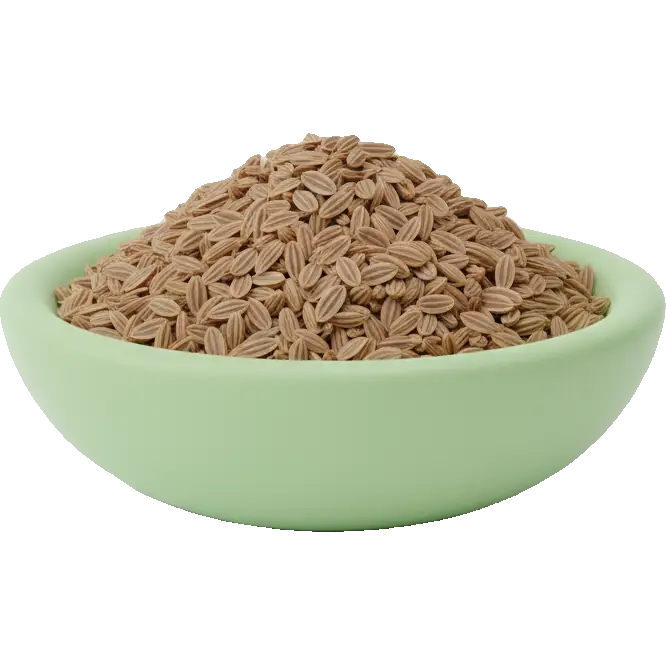
















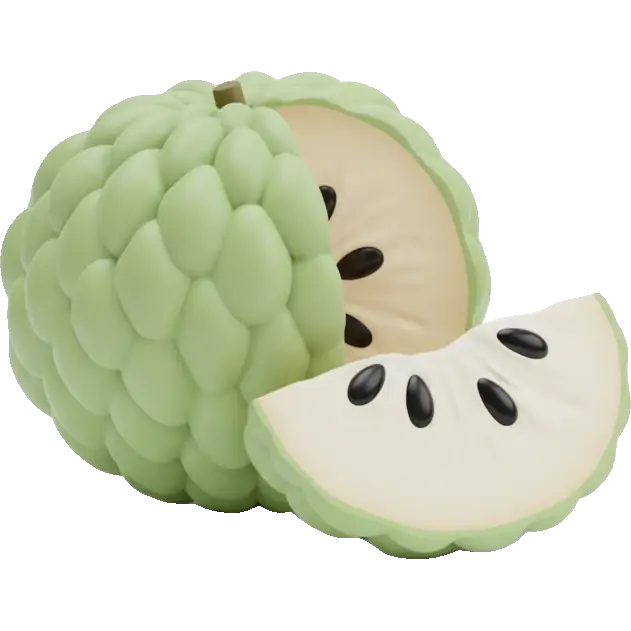




Liquid meals
Liquids leave the stomach far more easily than solids, because the stomach does not have to break them down first.
So a smoothie, a soup or a nutrition drink can deliver calories on a day when a plate of food is impossible. Many people settle into a pattern of a solid breakfast, when emptying tends to be best, and progressively more liquid as the day goes on.
Blending is the middle ground. Pureed soups and well-blended vegetables sit between solid and liquid, and they keep more of the meal feeling like a meal.
Cooking and peeling vegetables
Raw carrot and well-cooked carrot are different foods as far as your stomach is concerned. Cooking breaks down fibre that you would otherwise have to break down yourself, and peeling removes the most resistant part.
So the rule is about how the vegetables arrive: well-cooked, peeled, and blended if needed. Fibre restriction here is a medical matter because of the bezoar risk: undigested fibre can compact into a mass when food sits too long, and persimmon is the food most often behind it.2
Bezoars
Bezoars are masses of undigested fibre that can form when food sits in the stomach too long. Persimmon is the classic cause, along with oranges eaten with the pith, coconut and raw fibrous vegetables.
Because of that risk, fibre restriction in gastroparesis carries medical weight, and you should work with a dietitian. This page gives you the food data, and the plan is for you and your dietitian to make.
Check any food in seconds
The gastroparesis diet checker grades any food in our database, and every food on this page links to its own page with the rest of what it carries.
Where Triggerbites fits in
This list comes from the food data inside Triggerbites. The app grades every ingredient against 25 diet frameworks, gastroparesis among them.
With gastroparesis the same food behaves differently depending on the size of the meal, the time of day and what came before it. You journal your day in plain words or by voice, in about 30 seconds: "a small bowl of porridge at 8, a banana smoothie mid-morning, half a jacket potato without the skin for lunch, full and nauseous by 3." The app pulls out the ingredients, grades each one for the diet, and keeps the portions and the timing next to your symptoms.
That detail usually gets lost between appointments. You can export the record as a PDF for your gastroenterologist or dietitian.




Triggerbites Features
- Log your day in 30 seconds: Text, voice or photo. Log as you go, or recap it all in the evening.
- Your food, broken down: Meals become ingredients and sensitivity profiles: histamine, salicylates, FODMAPs, allergens, and even the additives on packaged food.
- Everything in the same journal: Symptoms, supplements, sleep, stress, exercise and mood, beside what you ate.
- See what repeats over time: Patterns between what you eat and how you feel, including delayed reactions that show up days later.
Common questions
What foods should I avoid with gastroparesis?
High-fat foods such as cream, butter, fried food and oily dressings, because fat directly slows stomach emptying. High-fibre foods including raw vegetables, legumes, nuts and wholegrains, because fibre resists breaking down. Alcohol and fizzy drinks make both worse.
Why does fat make gastroparesis worse?
Fat in the small intestine triggers hormones that deliberately slow the stomach, which is useful digestion in a healthy gut and the opposite of what you need when emptying is already delayed. This is why a creamy sauce causes more trouble than a spicy one.
Can I drink my calories instead?
Yes, and it is one of the most useful adjustments. Liquids leave the stomach far more easily than solids, so smoothies, soups and nutrition drinks often work on days when a plate of food does not. Many people manage a solid breakfast and liquid later in the day.
Are small meals really better?
Yes, and it is the single most effective change. Six small meals put less volume through a stomach that empties slowly than three large ones. The size of the meal matters more than almost anything on the list.
What about bezoars?
A bezoar is a mass of undigested fibre that can form when food sits too long. Persimmon, oranges with pith, coconut and raw fibrous vegetables are the usual culprits. This is the main reason fibre restriction in gastroparesis is a medical matter.
Does cooking vegetables help?
A great deal. Cooking breaks down fibre that your stomach would otherwise have to handle, so well-cooked or pureed vegetables are usually tolerated when raw ones are not. Peeling helps for the same reason.
Live, love, log. 🧡
References
- 1Olausson EA, et al. "A small particle size diet reduces upper gastrointestinal symptoms in patients with diabetic gastroparesis: a randomized controlled trial" American Journal of Gastroenterology, 2014PubMed
- 2Emerson AP "Foods high in fiber and phytobezoar formation" Journal of the American Dietetic Association, 1987PubMed
 PubMed
Article References and Citations
- Olausson EA, et al.: "A small particle size diet reduces upper gastrointestinal symptoms in patients with diabetic gastroparesis: a randomized controlled trial", American Journal of Gastroenterology, 2014 - https://pubmed.ncbi.nlm.nih.gov/24419482/
- Emerson AP: "Foods high in fiber and phytobezoar formation", Journal of the American Dietetic Association, 1987 - https://pubmed.ncbi.nlm.nih.gov/2824590/