Overview
About Sodium citrate
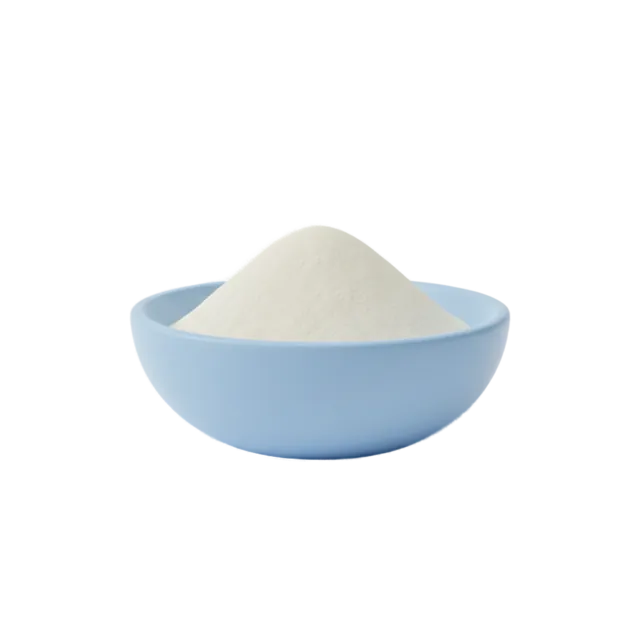
Sodium citrate (E331) does two jobs: it buffers acidity in soft drinks, electrolyte powders and jams, and it is the emulsifying salt that makes processed cheese slices and cheese sauce melt smooth instead of splitting.
Despite the name it has nothing to do with citrus fruit protein or citrus peel salicylates, so a citrus reaction does not predict a citrate reaction. Where it earns a place in a trigger journal is as a marker: the foods that need an emulsifying salt are usually the same processed cheese and soft drinks that carry the triggers people actually react to.
Sensitivities
How Sodium citrate scores
Watch for
What trips people up
- In processed cheese and cheese sauce the citrate is the least likely culprit in the tub. Lactose, casein and the histamine of an aged cheese base all sit in the same product and all have far stronger evidence behind them
- Manufactured citric acid and its citrate salts are fermented on Aspergillus niger rather than squeezed from lemons. A 2018 report described four people with inflammatory symptoms they attributed to the manufactured version, which is a hypothesis worth knowing about and nowhere near enough to call it a common trigger
- It is a sodium salt, so it quietly adds to the sodium in packaged food. That is the reason it is only borderline on DASH rather than clean
- Not a flavour enhancer. Sodium citrate is regularly mistaken for monosodium glutamate because of the name, but it carries no added free glutamate and no umami effect
Diet fit
Where it fits
Swap ideas
More alternatives
FAQ
Common questions about Sodium citrate
Is sodium citrate a problem if I react to citrus?
Usually not. A citrus reaction is normally to the fruit itself, whether that is the salicylate load of the peel and pith, the histamine release some people get from lemon and lime, or a true allergy to citrus proteins. Sodium citrate is a purified salt with none of those components in it, and it is produced by fermentation rather than pressed from fruit. Log it separately from the fruit rather than assuming they travel together.
Does sodium citrate cause kidney stones?
It works the other way round. Citrate binds calcium in urine and raises urinary citrate, which is why potassium citrate and sodium citrate are prescribed to reduce calcium oxalate stone formation. The one caveat is the sodium half: a high sodium intake pushes more calcium into urine, so people managing stones are usually steered toward the potassium form rather than the sodium one.
Why is sodium citrate in cheese sauce?
It pulls the calcium away from the casein network so the protein disperses in liquid instead of clumping, which is what gives processed cheese and modern cheese sauces their smooth melt. If cheese sauce is a trigger for you, that mechanism is the clue: it is a way of getting more cheese into a smooth product, so the dairy load is the thing to test first.
References
Read the background
Ratings reflect the Triggerbites ingredient database and may vary with portion size and preparation.