 Back to ingredients
Overview
About Cream of Tartar
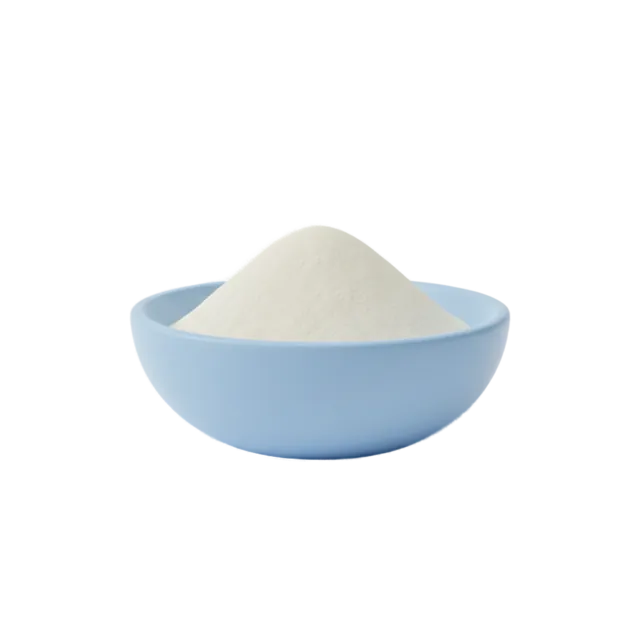
Cream of tartar is potassium bitartrate, the crystal that precipitates out of wine barrels and gets purified into a white powder.
It is one of the cleanest ingredients in a baking cupboard on every trigger we track: no gluten, no lactose or dairy protein despite the name, no FODMAPs, no histamine, no salicylates, no sulfites, no nickel. The one number that is genuinely worth knowing is potassium. At roughly 20 percent potassium by weight it delivers about 495 mg per teaspoon, more than a banana, from a spoon of white powder that reads as inert.

Sensitivities
How Cream of Tartar scores





































Watch for
What trips people up
- Extremely potassium dense: around 495 mg in a level teaspoon. Irrelevant when a quarter teaspoon is split across twenty-four cookies, and not irrelevant at all if you are on a potassium-restricted renal diet, a potassium-sparing diuretic or an ACE inhibitor
- There are published cases of life-threatening hyperkalemia after people deliberately swallowed large quantities as a home cleanse, presenting with vomiting and peaked T waves on ECG. Baking amounts are not the issue, spoonfuls-in-water internet remedies are
- It comes from winemaking but rates clean on sulfites: the finished powder is purified potassium bitartrate, not wine, so a sulfite or wine reaction should not carry across
- Rated only neutral on the anti-inflammatory axis, which is a refined-additive note rather than a sensitivity trigger. It is not doing you any good, it is just not doing anything

Diet fit
Where it fits

























Swap ideas
More alternatives

FAQ
Common questions about Cream of Tartar
Is cream of tartar dairy free?

Yes, completely. The name is misleading twice over: there is no cream in it and it has nothing to do with tartar sauce. It is potassium bitartrate, a crystalline acid salt recovered from the sediment left in wine barrels and then purified. It rates clean on lactose, dairy protein and gluten, and it is vegan.
Is cream of tartar high in potassium?
Very. It is about 20 percent potassium by weight, which works out to roughly 495 mg in a teaspoon, more than you get from a banana. For most people that is a non-issue because recipes call for a quarter to one teaspoon spread across an entire batch. It becomes a real consideration if you have chronic kidney disease, are on a potassium-restricted diet, or take a medication that raises serum potassium.
Is cream of tartar safe if I react to sulfites or to wine?
It rates clean on sulfites. Although it originates as a winemaking byproduct, what ends up in the tub is purified potassium bitartrate, not residual wine, so it does not carry the sulfite, histamine or tyramine load that a glass of wine does. All three of those rate clean here.
Can cream of tartar trigger IBS symptoms?
There is no FODMAP or fermentation basis for it. It rates clean across fructans, galacto-oligosaccharides, fructose, polyols and overall FODMAPs, and it is used in pinches. If a baked good containing it upsets you, the flour, the milk, the sweetener or a sugar alcohol is a far more probable cause.

References
Read the background
Ratings reflect the Triggerbites ingredient database and may vary with portion size and preparation.