Overview
About Horseradish sauce
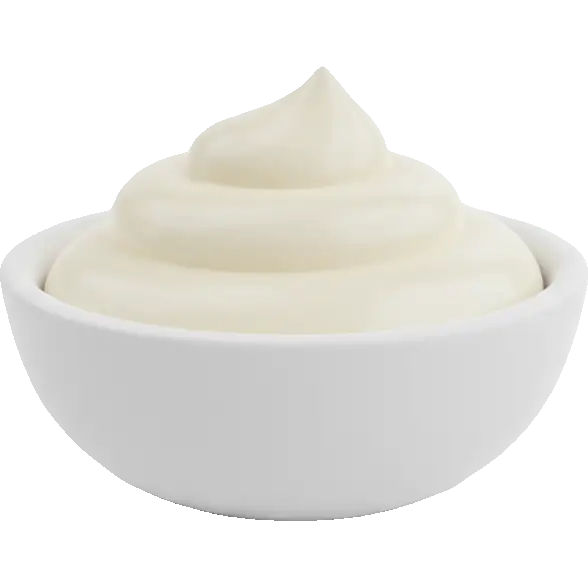
Horseradish sauce is the prepared creamy condiment, and it behaves very differently from the freshly grated root.
The cream or creme fraiche base puts it at lactose C and dairy protein C, so the most common reaction to it has nothing to do with the horseradish at all. Being a jarred, vinegared, stored product also lifts histamine to C with histamine liberator C and tyramine C, and the vinegar and preservatives put sulfite at C. The famous burn is allyl isothiocyanate, a volatile compound the root only produces once it is grated, and because it is volatile it travels up into your sinuses instead of sitting on your tongue. That also means the heat fades: an open jar loses its punch over a few weeks, which is why the same brand can feel fierce one month and flat the next.
Sensitivities
How Horseradish sauce scores
Watch for
What trips people up
- Lactose C and dairy protein C from the cream base. This is the single biggest difference from the plain root, which grades clean on both, so a reaction to the sauce is often a dairy reaction wearing a horseradish label
- Histamine C, histamine liberator C and tyramine C: it is a stored, vinegared condiment, and jarred sauces sitting open in the fridge drift upward on all three
- The sinus hit is chemistry, not allergy. Grating breaks cells and lets myrosinase meet sinigrin, producing allyl isothiocyanate, which evaporates straight into the nose and eyes. Vinegar is added specifically to quench that reaction and lock in a heat level
- Sulfite C, glutamates C and gluten C are all brand-dependent. Some recipes thicken with wheat-derived starch or add savoury boosters, so a coeliac or sulfite-sensitive reader needs the actual jar, not the category
- Diet fit is poor rather than triggering: pro-inflammatory at E and DASH D as a rich salted condiment, vegetarian but not vegan
Diet fit
Where it fits
Swap ideas
More alternatives

FAQ
Common questions about Horseradish sauce
Is horseradish sauce high in histamine?
It grades histamine C, which is moderate rather than high, along with histamine liberator C and tyramine C. The root itself is low histamine; the sauce climbs because it is a vinegared, preserved product that then sits open in a fridge. If you are strict on histamine, a jar you opened weeks ago is a worse bet than a freshly opened one, and freshly grated root is better than either.
Is horseradish sauce dairy free?
Usually not. The creamy style is built on cream, creme fraiche or a mayonnaise base and grades lactose C and dairy protein C. If dairy is your trigger, the grated root packed in vinegar is the version to look for, since it carries no lactose or casein.
Why does horseradish burn my nose instead of my tongue?
Because the compound responsible, allyl isothiocyanate, is volatile. Grating the root ruptures its cells and lets the enzyme myrosinase convert stored sinigrin into that compound, which then evaporates and reaches the receptors in your nasal passages and eyes rather than staying on the tongue like chilli heat does. It is chemical irritation of the airway lining, not an allergic response, and it passes within a minute or two.
Why does an open jar of horseradish sauce lose its heat?
The pungent compound keeps evaporating after the jar is opened, and light and warmth speed that up. Vinegar in the recipe stabilises the heat at bottling but does not stop the slow loss. So a sauce getting milder over time is normal, and it is not a sign the trigger content has changed: the dairy, histamine and sulfite grades stay where they are.
References
Read the background
Ratings reflect the Triggerbites ingredient database and may vary with portion size and preparation.