Overview
About Portobello mushroom
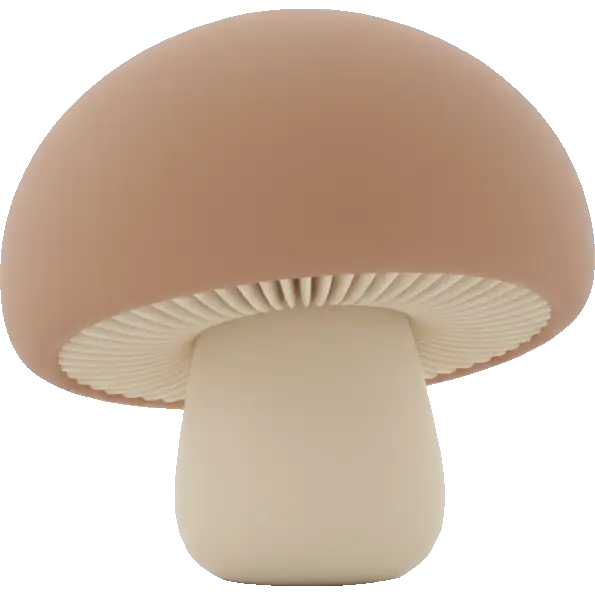
Portobellos are just cremini mushrooms grown large and mature, and that big meaty cap is exactly why people reach for them on the grill.
It is also why they are high FODMAP: they are loaded with mannitol, a sugar alcohol (polyol) that ferments in the gut. On top of that they are rich in free glutamate, the compound behind their savory, umami-heavy flavor, which can bother people sensitive to MSG-like foods.
Sensitivities
How Portobello mushroom scores
Watch for
What trips people up
- High in mannitol, a polyol FODMAP, so a grilled cap or two can trigger bloating, cramping and diarrhea in a sensitive gut
- Naturally high in free glutamate, which gives the meaty umami taste but can be a trigger if you react to MSG or glutamate-rich foods
- Poor choice during a SIBO-focused elimination because the fermentable polyols feed bacterial overgrowth
Diet fit
Where it fits
Swap ideas
More alternatives

FAQ
Common questions about Portobello mushroom
Why are portobello mushrooms high FODMAP when other foods are not?
Portobellos are high in mannitol, a naturally occurring sugar alcohol classed as a polyol FODMAP. Polyols are absorbed slowly and draw water into the gut, so even a modest portion can cause bloating, gas and diarrhea in people with IBS. Oyster mushrooms are the usual low FODMAP exception.
Do portobello mushrooms contain glutamate or MSG?
They contain no added MSG, but portobellos are naturally high in free glutamate, the same compound that makes them taste so savory and meaty. If you notice symptoms after glutamate-rich foods, that natural umami load is worth logging alongside the mannitol.
References
Read the background
Ratings reflect the Triggerbites ingredient database and may vary with portion size and preparation.