Overview
About Urad Dal
Urad dal is the legume behind idli, dosa, papadum, medu vada and dal makhani, and it is one of the highest FODMAP foods in our data: graded E for total FODMAPs, driven almost entirely by galacto-oligosaccharides at E.
GOS is the legume family sugar that human digestion cannot break down, so it reaches the colon intact and gets fermented by gut bacteria. That is the mechanism behind the gas and bloating people report from dal. What makes urad dal unusual is that it is also the legume that gets fermented before you eat it: idli and dosa batter is soaked, ground and left to ferment overnight, and that process measurably lowers the oligosaccharide and phytate load. It is a real reason those foods are traditionally treated as the gentle end of Indian cooking, though it reduces the load rather than removing it.
Sensitivities
How Urad Dal scores
Watch for
What trips people up
- Galacto-oligosaccharides graded E, which is what drives the total FODMAP grade to E. There is no genuinely low FODMAP portion of plain urad dal, so this is a food to reintroduce carefully rather than to portion around
- Fermentation changes the picture but does not reset it. An overnight soak and an eight to twelve hour wild ferment of the idli or dosa batter breaks down part of the oligosaccharide content, which is why many people tolerate idli when a bowl of dal defeats them. Test idli separately from dal in your log instead of ruling out urad dal as one category
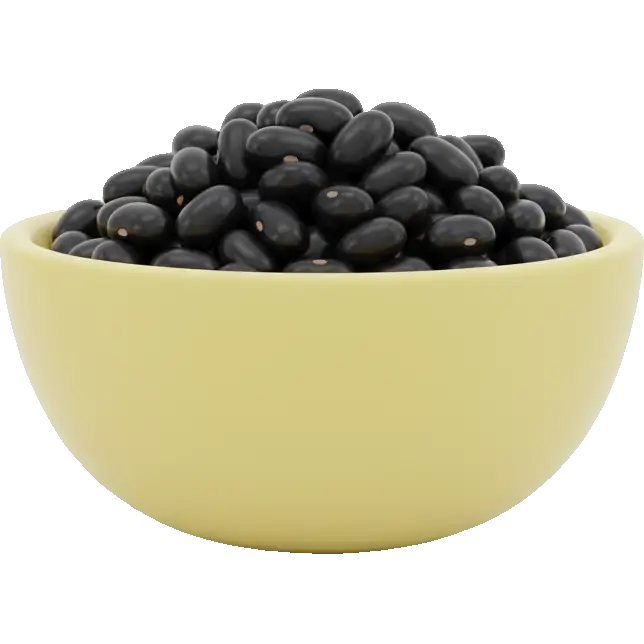
- Form matters. Skinned split urad (dhuli urad, the white one used for idli and papadum) has had the black seed coat removed along with much of its fibre and lectin load, while whole black urad (sabut urad, the one in dal makhani) is the heaviest version and is usually cooked with cream and butter on top of that
- Mild but non-zero across the amine group: histamine graded B, histamine liberation B, tyramine B and free glutamates B. Individually unremarkable, but batter that has been left to ferment for days rather than overnight is a different food, since biogenic amines accumulate with fermentation time
- Nickel graded C. Pulses are consistent nickel carriers, so a daily dal habit contributes to cumulative nickel intake if you are tracking systemic nickel allergy
Diet fit
Where it fits
Swap ideas
More alternatives
FAQ
Common questions about Urad Dal
Is urad dal high FODMAP?
Yes, and it is at the top of the scale. Urad dal is graded E for total FODMAPs and E for galacto-oligosaccharides specifically. GOS is the FODMAP that legumes are known for, and unlike fructans it cannot be reduced much by cooking time. Rice is graded A across every FODMAP subgroup if you need a base that will not provoke anything during an elimination phase.
Does fermenting idli or dosa batter make urad dal easier to digest?
It genuinely helps. Soaking, grinding and fermenting the batter overnight lets wild lactic acid bacteria and yeasts consume part of the oligosaccharide content and break down phytate, which is a large part of why idli and dosa have a centuries-old reputation as easy food for children and convalescents. It is a reduction, not an elimination, so people who are strongly GOS sensitive can still react. The practical move is to log idli, dosa and plain dal as separate items rather than assuming they behave the same.
What is the difference between whole urad and split skinned urad dal?
Whole urad (sabut urad) keeps the black seed coat and is the one used in dal makhani, so it carries the most fibre and the most seed-coat compounds. Split urad with the skin on sits in the middle. Skinned split urad (dhuli urad) is the pale one used for idli batter, papadum and vada, and it is the lightest of the three. The FODMAP grade applies to the pulse either way, but the skinned split form is the gentlest starting point if you are reintroducing it.
Is urad dal gluten free?
The pulse is a legume and is graded A for gluten, so plain urad dal is gluten free. The traps are in the prepared versions: some commercial papadum and instant idli or dosa mixes include wheat flour or asafoetida compounded with wheat, which is a common and easily missed source of gluten in Indian cooking.
References
Read the background
Ratings reflect the Triggerbites ingredient database and may vary with portion size and preparation.