Overview
About Barley tea
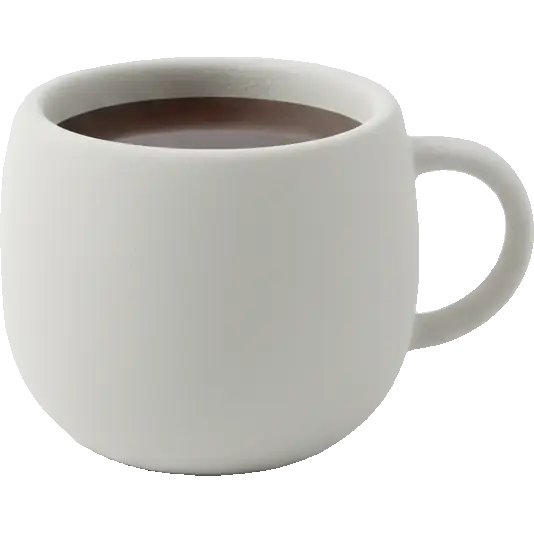
Barley tea is roasted barley grain steeped in hot water, known as mugicha in Japan and boricha in Korea, where it is drunk cold by the jug all summer and often kept in the fridge in place of plain water.
On a trigger journal it is one of the cleanest drinks you can log: caffeine A, histamine A, salicylates A, oxalates A, nickel A, sulfites A, glutamates A, and low FODMAP with fodmaps graded A. It is genuinely caffeine free, which is why it is poured for children and drunk late in the evening in households where nobody would touch green tea after dinner. There is exactly one catch, and it is a serious one: barley tea is made from barley, so it grades gluten E. Steeping is not distilling, and the barley proteins come out into the water with the flavour. This is not a gluten free tea, however much it behaves like a herbal one.
Sensitivities
How Barley tea scores
Watch for
What trips people up
- Gluten E. An infusion still extracts barley protein into the water, so barley tea is off the list on a coeliac diet even though it contains no visible grain by the time you drink it
- The name does not warn you. Mugicha, boricha and roasted grain tea all sit on a shelf beside genuinely herbal teas, and a barley tea bag looks exactly like a herbal one
- Bottled and blended versions vary. Korean and Japanese ready to drink barley teas are often blended with corn tea or lightly sweetened, so the label is worth reading if you are tracking added sugar as well as gluten
- Worth knowing what it is NOT: unlike barley grain, which is high in fructans, the infusion grades fodmaps A, so a low FODMAP diet is not the reason to avoid this one
Diet fit
Where it fits
Swap ideas
More alternatives
FAQ
Common questions about Barley tea
Does barley tea have caffeine?
No. Barley tea grades caffeine A because barley is a cereal grain, not a tea plant, and roasting it produces the dark colour and toasted aroma without producing any caffeine. That is the whole reason it became the default household drink in Japan and Korea for children, for pregnancy and for late evenings. If you are looking for a hot drink that will not touch your sleep, the caffeine side of this one is genuinely clean.
Is barley tea gluten free?
No, and this trips up a lot of people. Barley tea grades gluten E. Brewing extracts soluble compounds from the roasted grain, including barley protein, so the finished drink is not gluten free in the way a chamomile or peppermint infusion is. If you have coeliac disease, treat mugicha and boricha as barley products. Roasted corn tea and roasted brown rice drinks are the closest gluten free stand-ins for the same toasted flavour.
Is barley tea low FODMAP?
Yes. It grades fodmaps A and fructans A, which is a striking contrast with barley grain itself. Whole barley is a significant fructan source, but very little of that carries into a water infusion of roasted grain, so barley tea does not behave like a FODMAP load. For an IBS reader who is not avoiding gluten, this is a usable everyday drink.
Is barley tea ok for histamine intolerance?
On the grades, yes. Histamine A and histamine liberator A, with no tyramine, sulfites or glutamates to speak of. It is a roasted grain steeped in water, with no fermentation or ageing anywhere in the process, which is the usual reason a drink builds amines. The practical caution is storage rather than chemistry: barley tea is normally brewed in bulk and kept cold, so keep it refrigerated and use it up rather than leaving a jug at room temperature for days.
References
Read the background
Ratings reflect the Triggerbites ingredient database and may vary with portion size and preparation.