Overview
About Karuka nuts
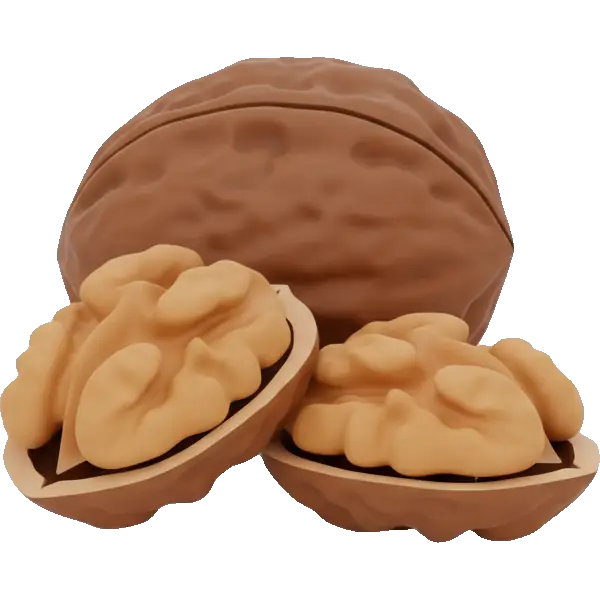
Karuka is the nut of a highland pandanus tree (Pandanus julianettii) and it is a seasonal staple in the mountains of Papua New Guinea, where entire households move uphill for the harvest between roughly September and January.
Nutritionally it sits closer to coconut than to a supermarket tree nut: oily, protein-rich, eaten raw, roasted, smoked or baked in an earth oven. On the trigger side it is unusually clean for a nut. Karuka is low in histamine, low in lectins and rated anti-inflammatory. The one grade that stands out is nickel, where it scores high, with oxalate and fermentability sitting in the borderline band.
Sensitivities
How Karuka nuts scores
Watch for
What trips people up
- High in nickel, the single grade worth flagging here. If you are managing systemic nickel allergy, karuka behaves like other nuts and seeds and does not get a pass for being clean everywhere else
- Borderline on oxalate, so it counts toward a daily oxalate budget if you are managing kidney stones, even though it is nowhere near almonds or sesame
- Borderline for SIBO because it is dense and fatty. Karuka is eaten in large seasonal quantities where it grows, and that volume is a different proposition from a handful
- A mild histamine liberator rather than a histamine-rich food, which occasionally matters for people who react to nuts without the food itself testing high
- Nutritional and trigger data on karuka is genuinely thin. It barely enters the global food supply, so treat its grades as a reasonable read on the nut family rather than a well-measured profile
Diet fit
Where it fits
Swap ideas
More alternatives
FAQ
Common questions about Karuka nuts
Are karuka nuts high in nickel?
Yes, karuka grades high for nickel, which is normal for nuts and seeds and is the main reason it would show up as a trigger in a food journal. Nickel matters mainly for people with systemic nickel allergy syndrome, where the dietary load can keep hand eczema or dyshidrotic blistering going. Karuka is otherwise one of the cleaner nuts on record: low histamine, low lectin, low salicylate, and rated anti-inflammatory.
What is karuka madness?
It is a temporary state of excitement and restlessness reported in Papua New Guinea highland communities during karuka season, described in ethnographic accounts going back decades. The cause has never been established. Suggested explanations range from a fungal contaminant on stored nuts to the abrupt seasonal shift in diet and the social intensity of the harvest itself. It is not a food-sensitivity reaction and nothing in the nut chemistry currently explains it, so treat it as an open question rather than a documented toxin.
Can you eat karuka nuts raw?
Yes. Unlike acorns or candlenut, karuka needs no detoxification step. The white kernel is eaten straight from the shell as well as roasted, smoked over a fire or cooked in an earth oven, and smoking is used mainly to preserve the nuts through the season rather than to make them safe.
References
Read the background
Ratings reflect the Triggerbites ingredient database and may vary with portion size and preparation.