 Back to ingredients
Overview
About Corn oil
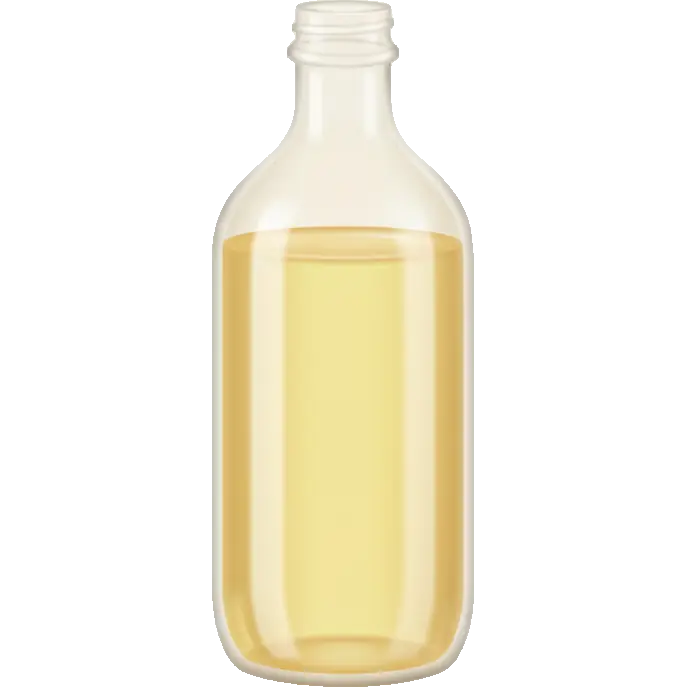
Corn oil is fully refined corn fat, so it carries almost none of the protein, fibre or plant compounds that trigger food sensitivities.
It is effectively free of gluten, lactose, histamine, salicylates and FODMAPs, which is why pure corn oil rarely causes an acute reaction. The honest caveat is nutritional rather than chemical: corn oil is a high-omega-6 seed oil, in the same camp as canola and sunflower, so a diet built around it leans pro-inflammatory. If you are eating to calm inflammation, it is one to use sparingly instead of as your main cooking fat.

Sensitivities
How Corn oil scores





































Watch for
What trips people up
- High in omega-6 linoleic acid, so like canola and sunflower oil it tilts pro-inflammatory when it becomes your dominant fat
- Fully refined, so it is not a meaningful source of histamine, salicylate, lectins or FODMAPs and pure corn oil is an unlikely acute trigger
- Common as the frying fat in processed and restaurant food, where the real triggers are usually the batter, breading or seasoning, not the oil itself

Diet fit
Where it fits

























Swap ideas
More alternatives

FAQ
Common questions about Corn oil
Is corn oil bad for inflammation?

Corn oil is roughly half omega-6 linoleic acid, so a diet heavy in it leans pro-inflammatory the same way canola and sunflower oil do. It is not harmful in small amounts, but if you are managing inflammation it helps to make olive oil your main fat and keep corn oil occasional.
Can corn oil trigger a food sensitivity?
Rarely. Because it is fully refined it contains virtually no corn protein or fermentable carbs, so it is clean on the usual food-chemistry triggers. When people react to a fried dish, the cause is almost always the food inside the batter, not the oil. Severe corn allergy is the one exception where trace protein can matter.

References
Read the background
Ratings reflect the Triggerbites ingredient database and may vary with portion size and preparation.