High-fermentation foods for SIBO: the complete list
SIBO symptoms are driven by fermentation - so the key list is the foods that ferment most.
With SIBO - small intestinal bacterial overgrowth - food gets fermented in the wrong place. So the useful list is the foods that ferment most, the ones that give an overgrowth the most fuel.
Here's the complete list, and the reasoning behind it.
Why fermentation is the whole story in SIBO
In SIBO, too many bacteria have taken up residence in the small intestine, where they don't belong.1 (We cover the condition itself in SIBO explained.)
That misplacement changes how food behaves in the gut. Normally, fermentable carbohydrates travel down to the large intestine before bacteria ferment them. With SIBO, that fermentation happens too high up, too early - and the gas it produces lands in the small intestine, where it causes the bloating, distension and discomfort that define the condition.1
So the foods that matter most are the highly fermentable ones - largely the same fermentable carbohydrates targeted by a low-FODMAP diet. Reducing them lowers the fuel available to the overgrowth, which is why low-fermentation eating approaches help manage symptoms.2
The high-fermentation foods
Below is the full list of highly fermentable foods relevant to SIBO - drawn directly from the Triggerbites ingredient database.

































































































































































































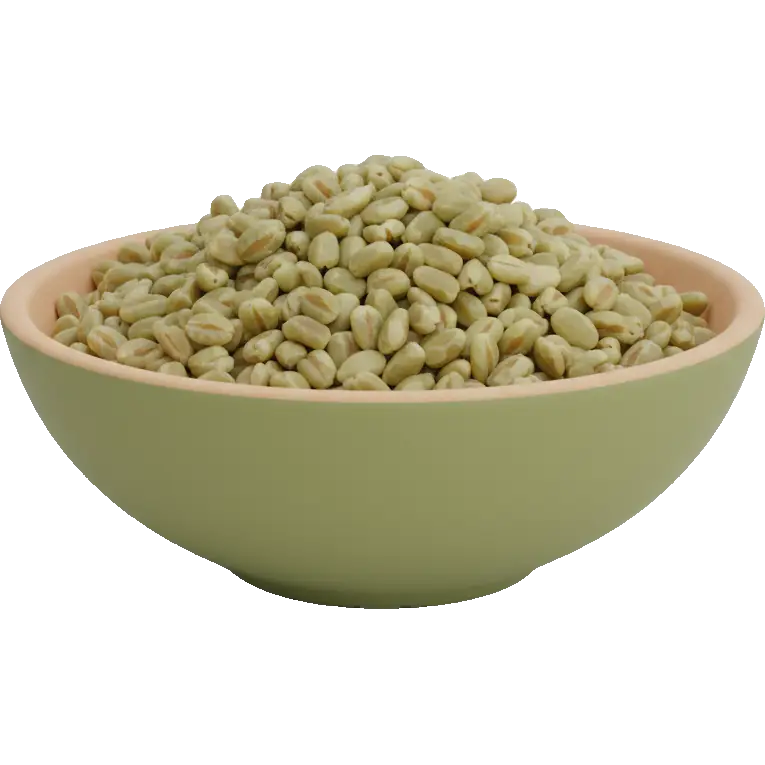


















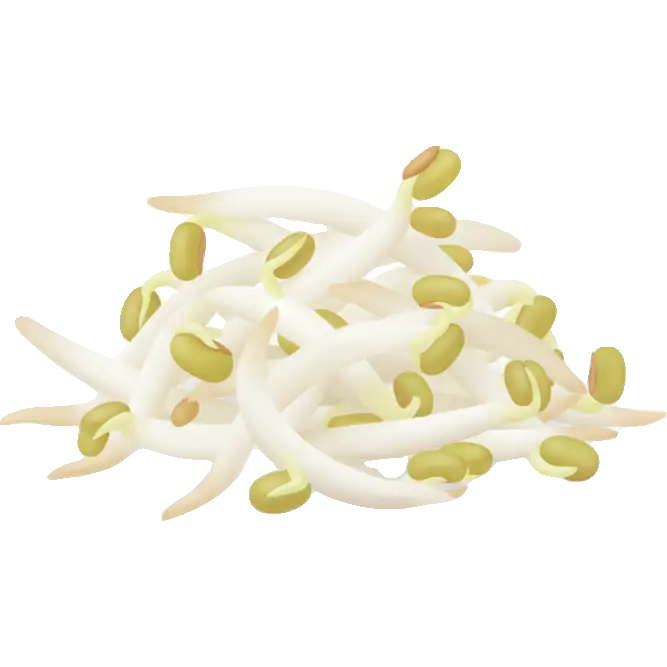






































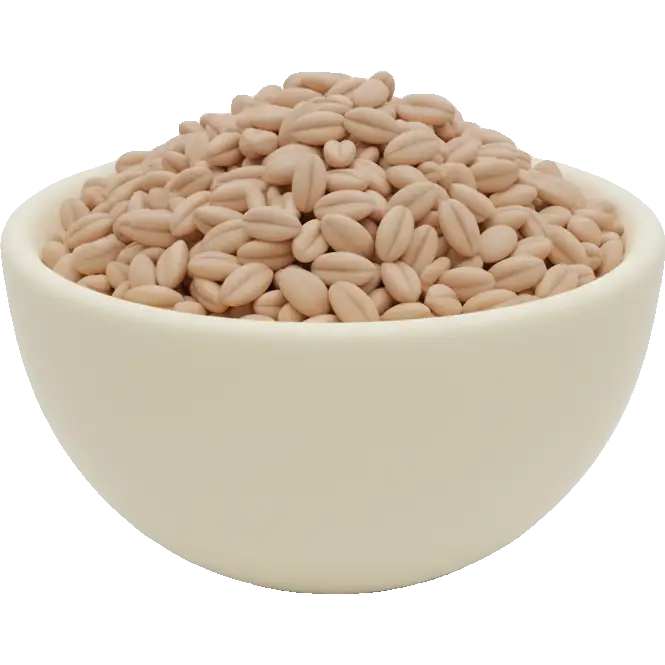



































The big contributors are the fermentable carbohydrates: legumes and pulses, wheat and grains, certain fruits and vegetables, lactose-containing dairy, and sugars and sweeteners - especially the sugar alcohols.
Important context
Two things are worth holding onto. First, this is a long list because many carbohydrates ferment. These are ordinary foods, and a low-fermentation approach is a short-term, structured strategy that you come off again. Second, SIBO is a medical condition: a low-fermentation diet manages the symptoms by reducing fuel, and it is usually one part of a broader treatment picture.
Finding your pattern
Even within a high-fermentation list, tolerance is individual. The useful things to track are which fermentable foods you ate, the portion, and how the gas, bloating and discomfort followed - so you can find the specific foods and amounts that matter most for you.
Where Triggerbites fits in
This list comes straight from the food data inside Triggerbites, which tags every ingredient for fermentability alongside 40+ other trigger criteria.
So when you log meals in plain language, Triggerbites extracts the ingredients, tags the fermentation load, and correlates it with your symptoms across time windows - turning a 300-item list into the short, personal one that actually applies to you.
It takes seconds a day, and the documented picture it builds is a clear, concrete thing to share with a doctor.






Triggerbites Features
- Log your day in 30 seconds: Text, voice or photo. Log as you go, or recap it all in the evening.
- Your food, broken down: Meals become ingredients and sensitivity profiles: histamine, salicylates, FODMAPs, allergens, and even the additives on packaged food.
- Everything in the same journal: Symptoms, supplements, sleep, stress, exercise and mood, beside what you ate.
- See what repeats over time: Patterns between what you eat and how you feel, including delayed reactions that show up days later.
For the condition itself, see SIBO explained and what is the low FODMAP diet?
Live, love, log. 🧡
References
- 1
- 2Frontiers in Nutrition (PMC) "A Low-FODMAP Diet Improves the Global Symptoms and Bowel Habits of Adult IBS Patients: A Systematic Review and Meta-Analysis", 2021PMC
 PMC
PMCArticle References and Citations
- Frontiers in Medicine (PMC): "FODMAPs - Do they really affect IBS symptoms?", 2023 - https://www.ncbi.nlm.nih.gov/pmc/articles/PMC10017764/
- Frontiers in Nutrition (PMC): "A Low-FODMAP Diet Improves the Global Symptoms and Bowel Habits of Adult IBS Patients: A Systematic Review and Meta-Analysis", 2021 - https://www.ncbi.nlm.nih.gov/pmc/articles/PMC8417072/