High-FODMAP foods to watch: the complete list
FODMAPs are a specific family of carbohydrates - not a vague category of 'bad' foods. Here's the full list, and how to think about it.
If you have IBS, you've probably heard that you should avoid "high-FODMAP foods" - usually with a half-remembered list of onions, garlic, wheat and beans attached. It can feel like an enormous, arbitrary set of things to give up.
The set has a logic to it. FODMAPs are a specific, well-defined family of carbohydrates, and the foods high in them have real chemistry in common. Below is the complete list, along with how to use it.
What FODMAPs actually are
FODMAP stands for Fermentable Oligosaccharides, Disaccharides, Monosaccharides And Polyols - a group of short-chain carbohydrates that share two properties: they're poorly absorbed in the small intestine, and they're readily fermented by gut bacteria.1
That combination is what produces symptoms. Poorly-absorbed FODMAPs travel on to the large intestine, where they do two things: they draw water into the bowel osmotically, and the resident bacteria ferment them, producing gas. The result is bloating, wind, abdominal pain and changes in bowel habit - the core symptoms a low-FODMAP diet is designed to reduce.2
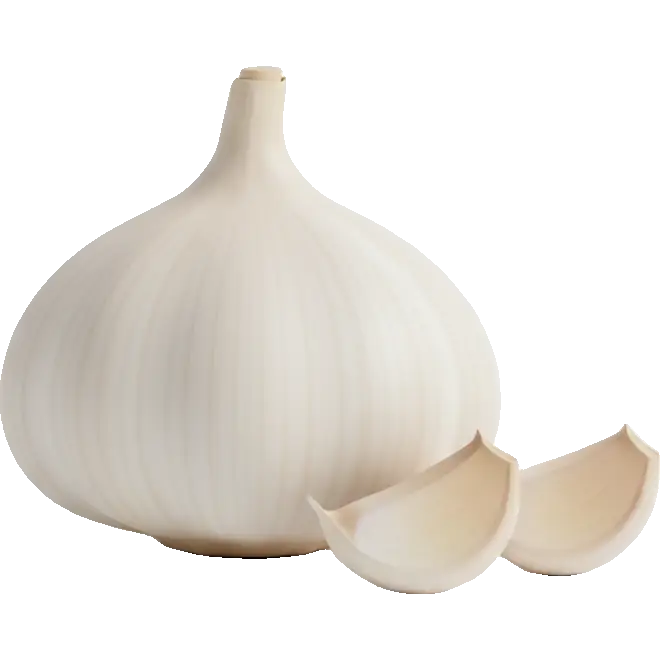
There are five groups: fructans (in wheat, onion, garlic), galacto-oligosaccharides (in legumes), lactose (in dairy), excess fructose (in some fruits and honey), and polyols (sorbitol and mannitol, in some fruits and sugar-free products).
The high-FODMAP foods
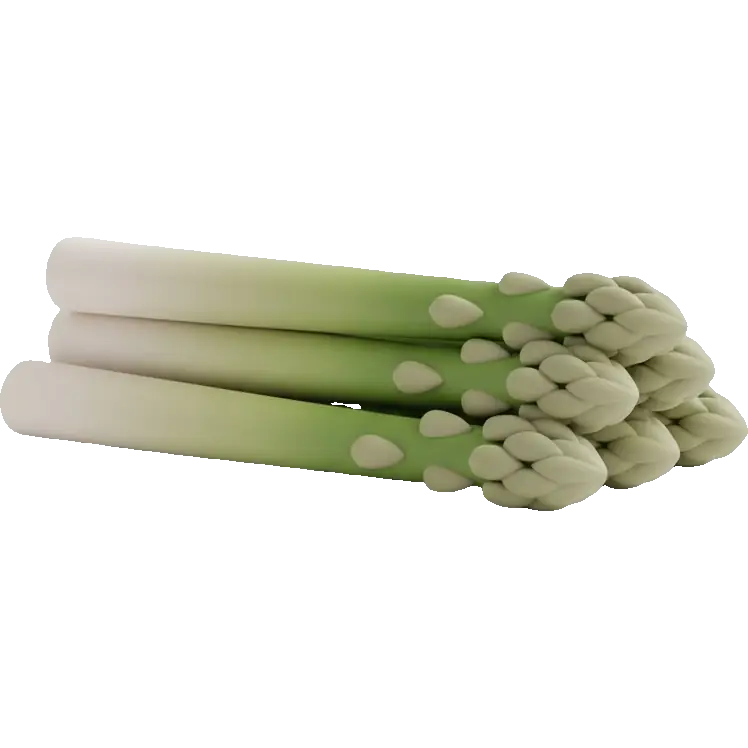
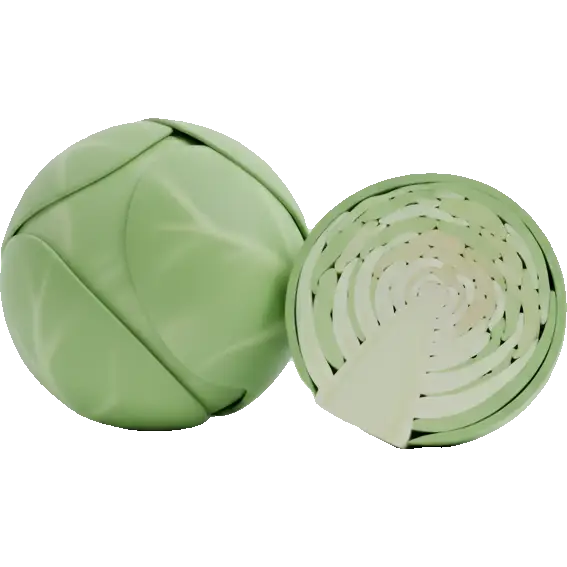
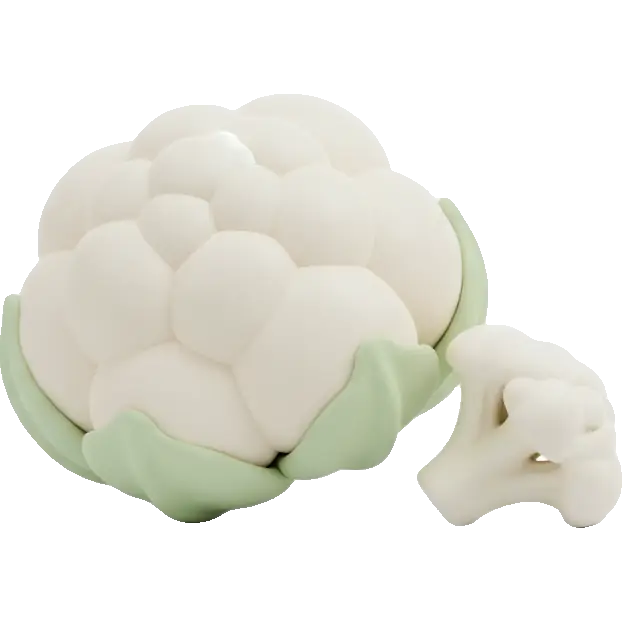
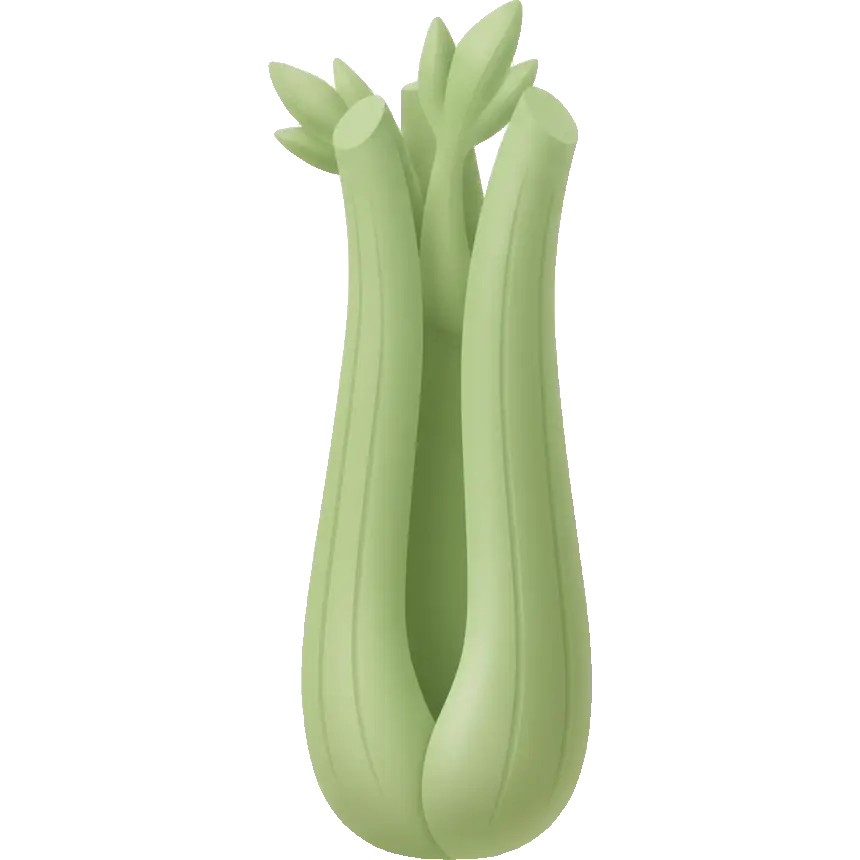
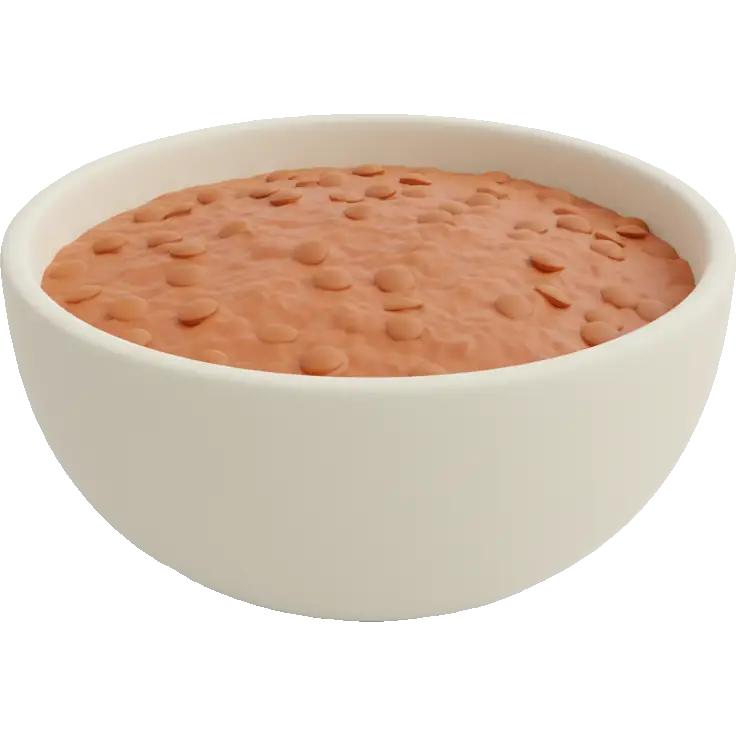
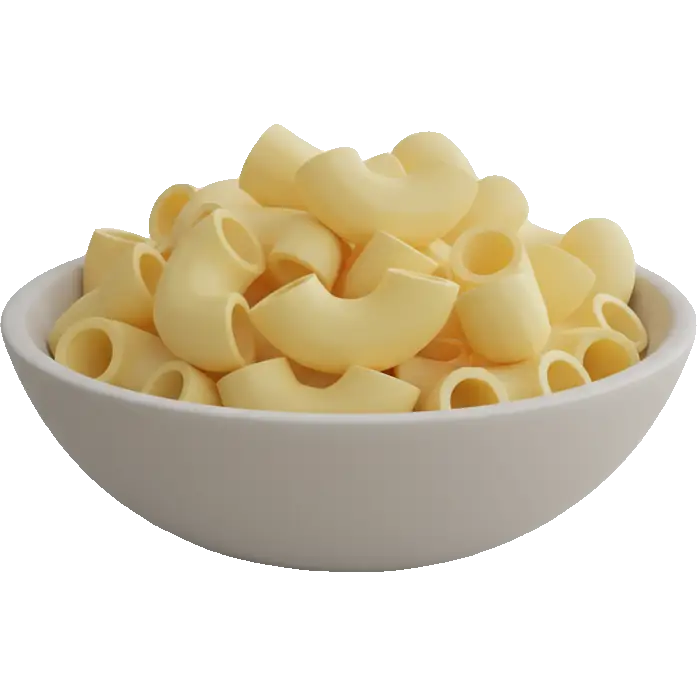
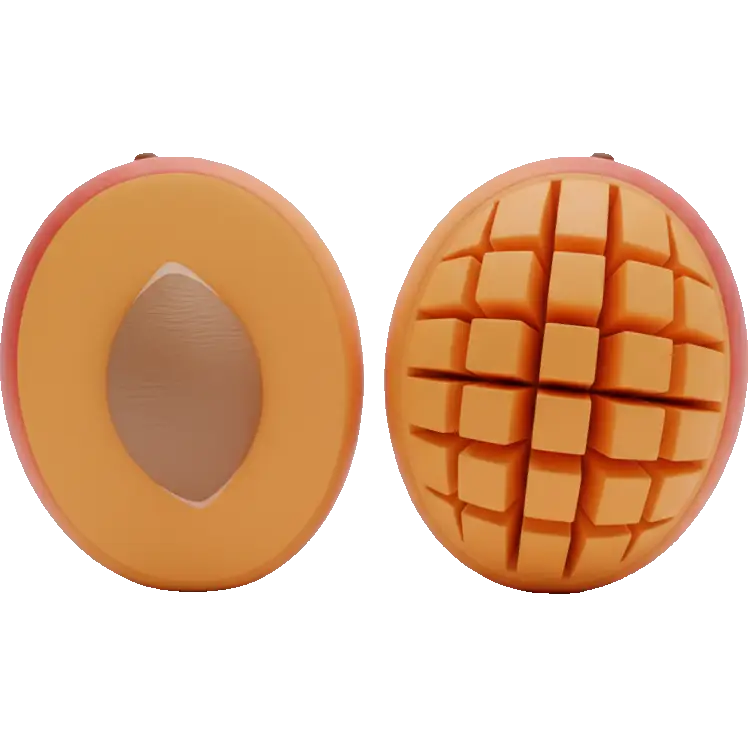
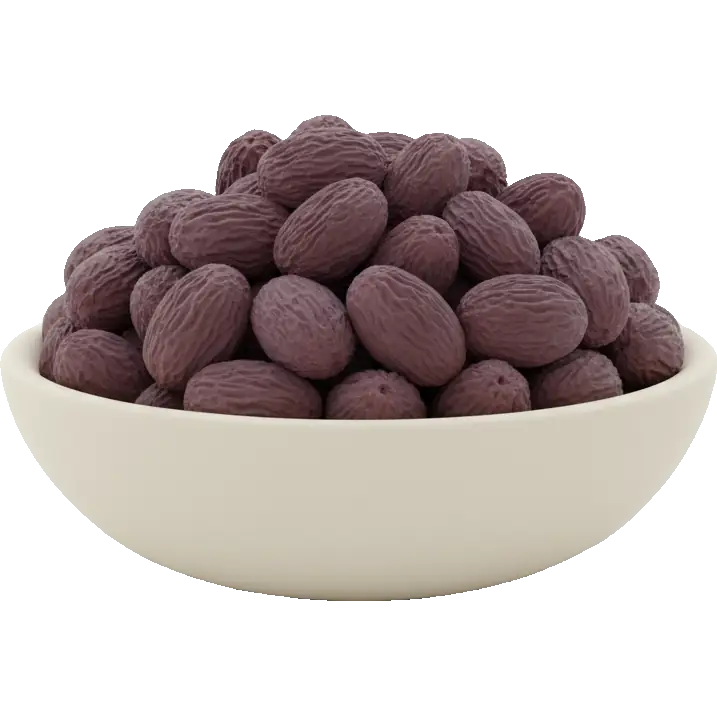
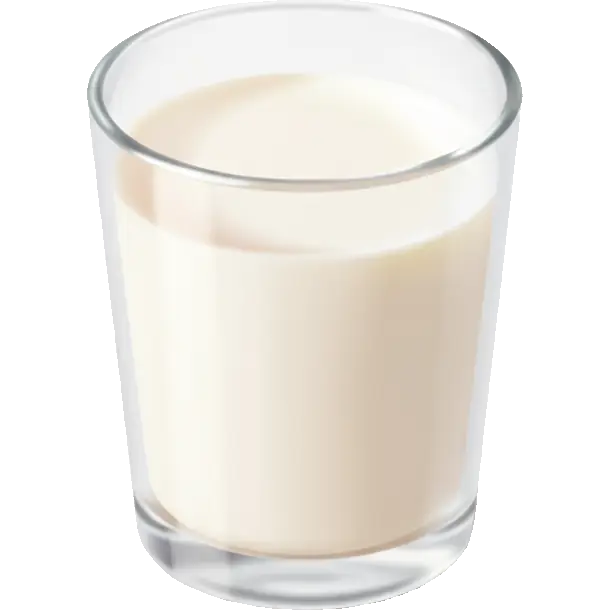
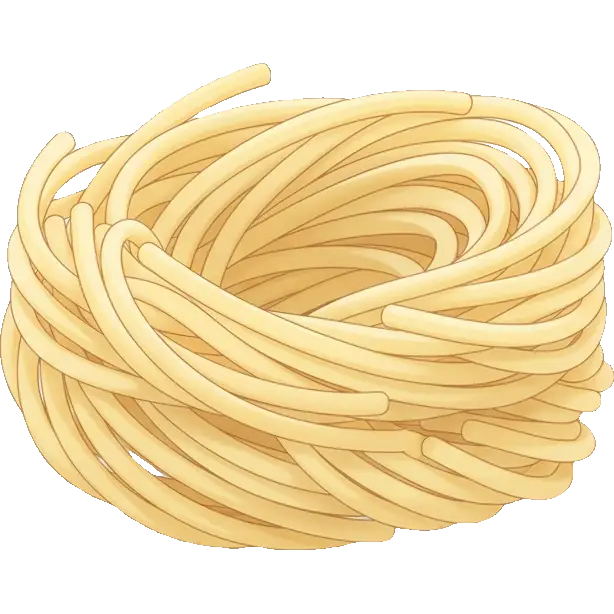
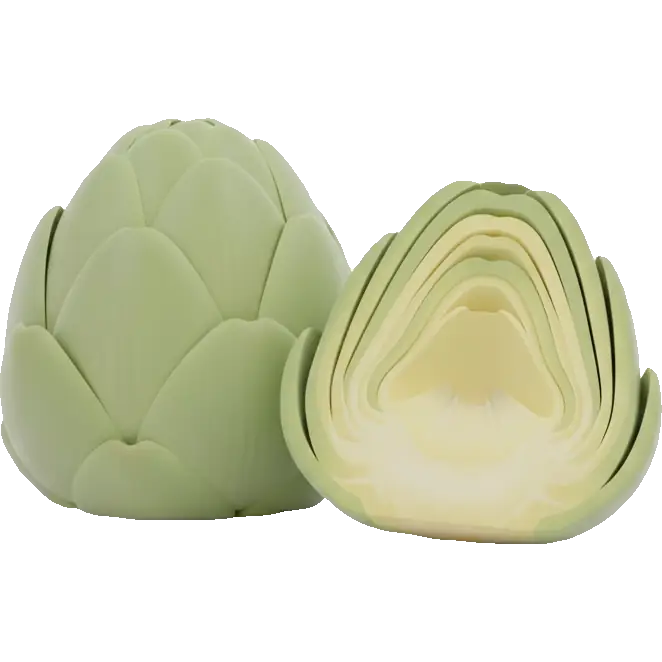
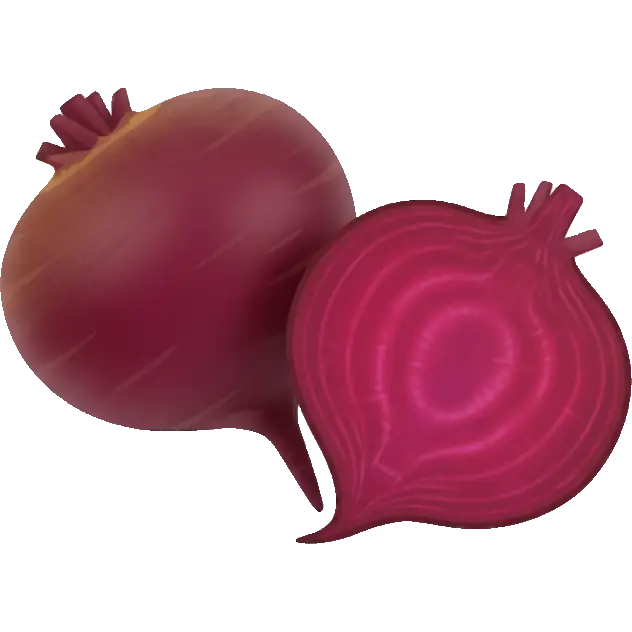
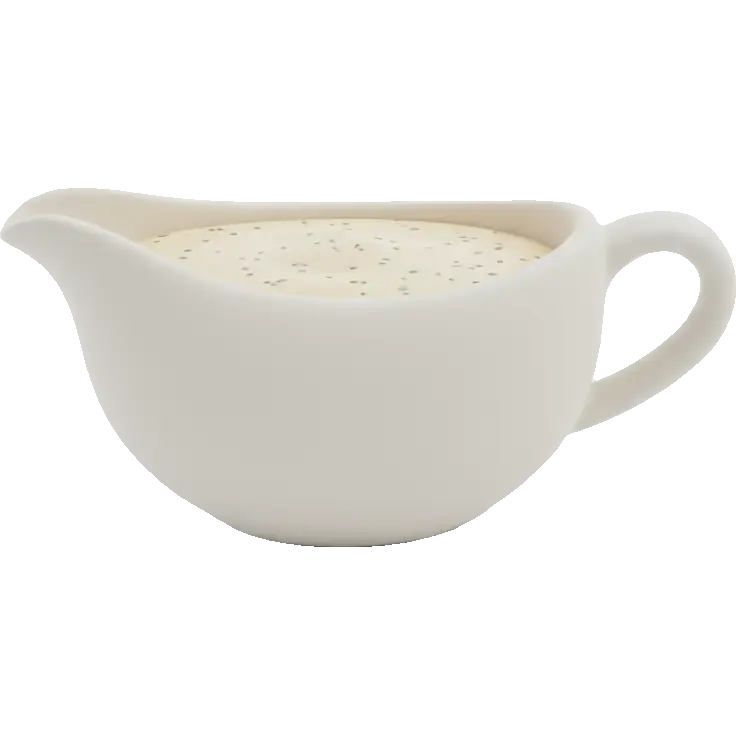
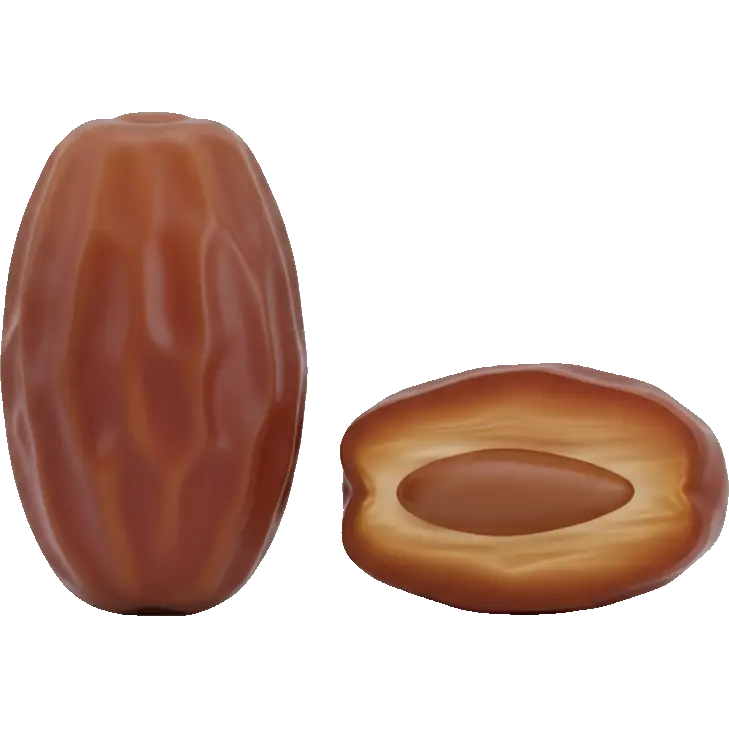
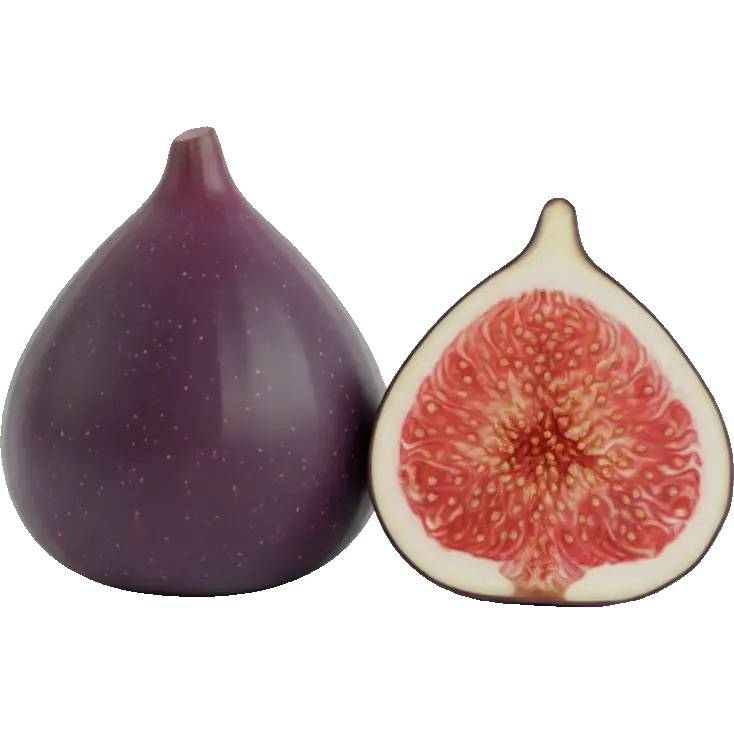
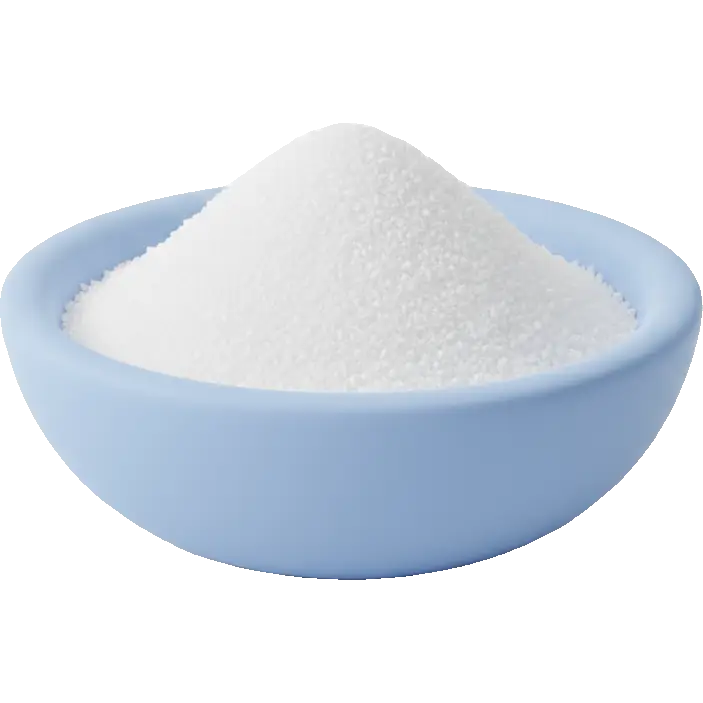
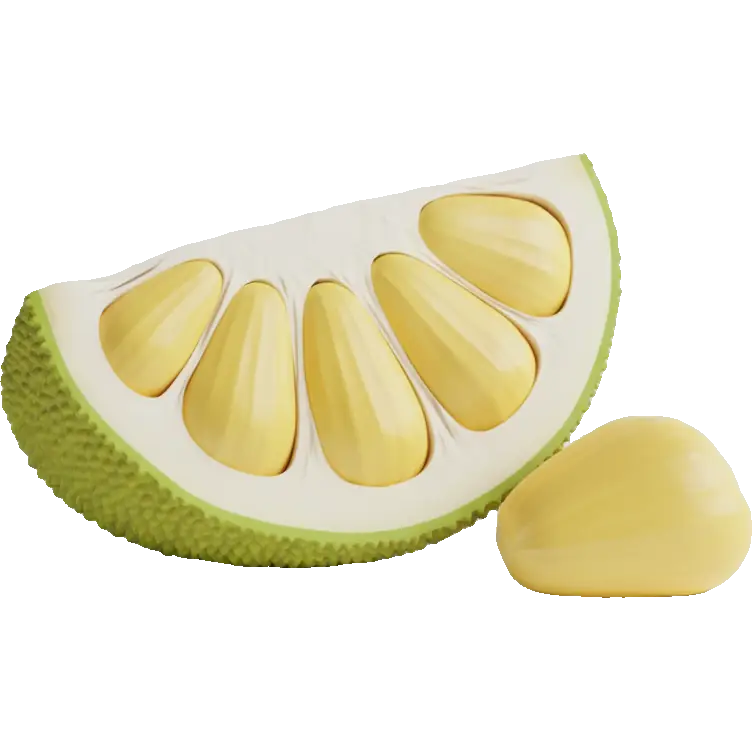
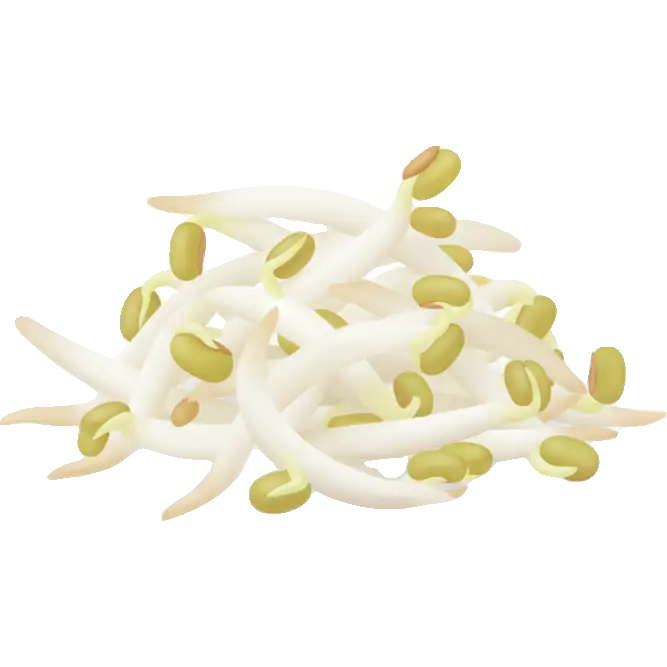
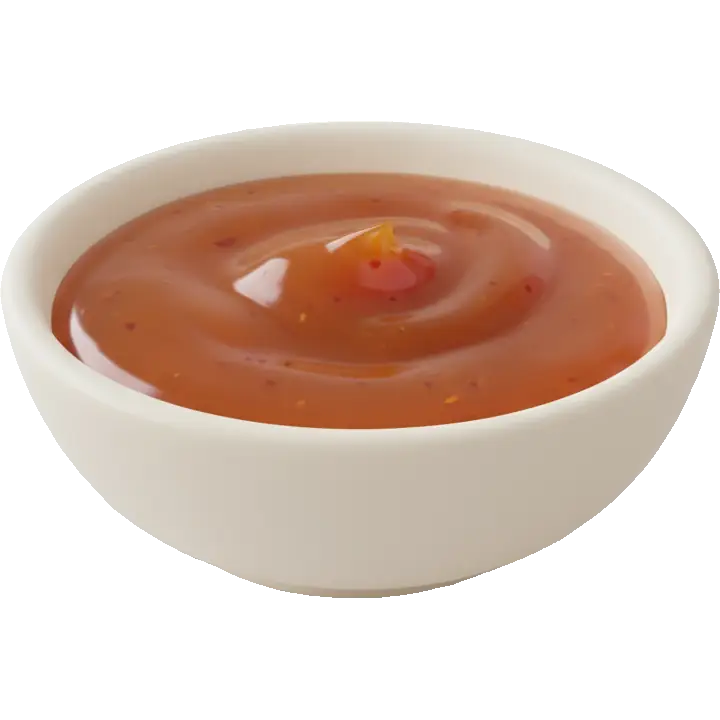
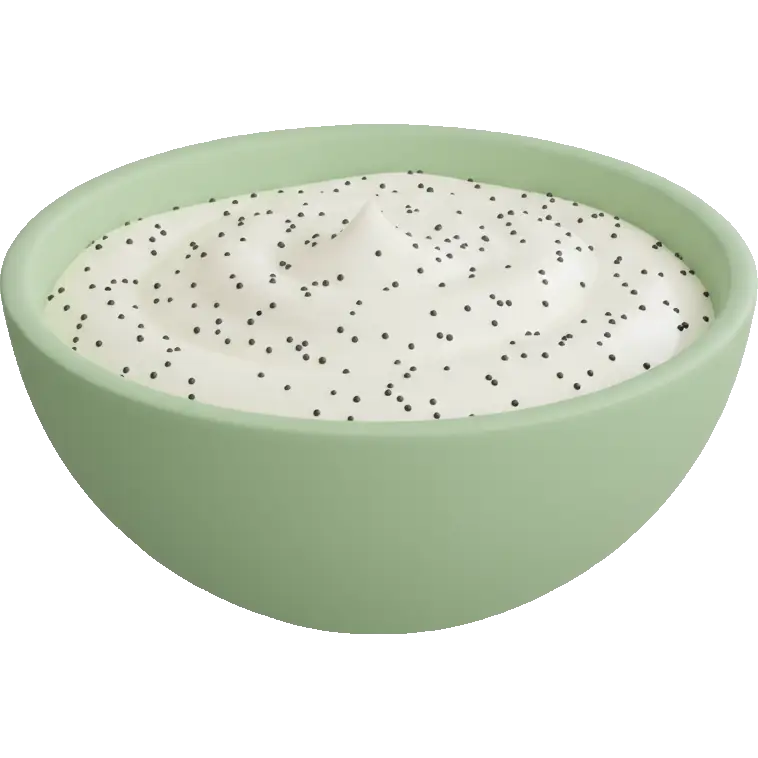
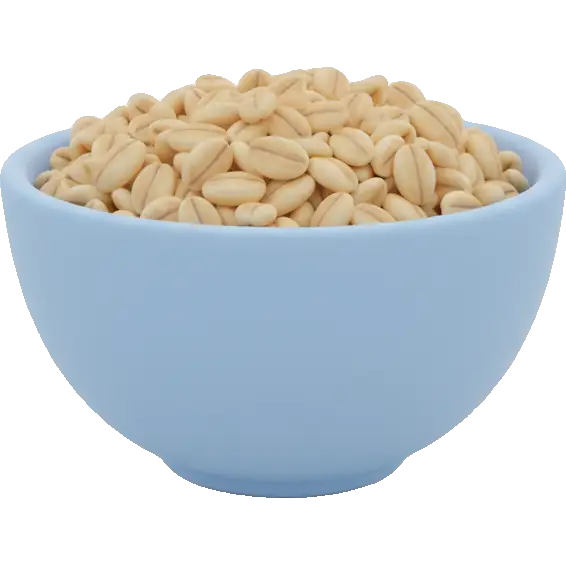
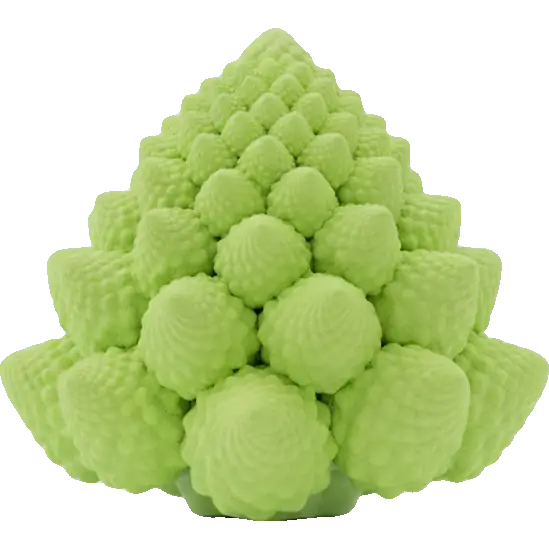
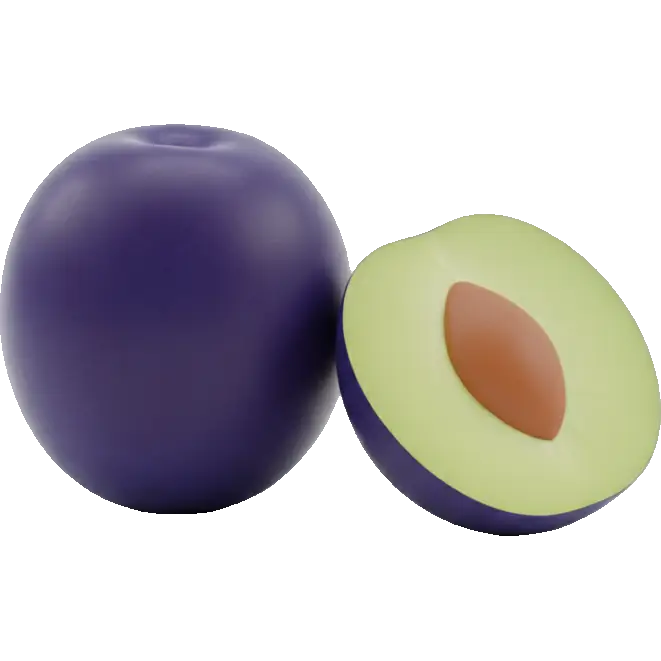
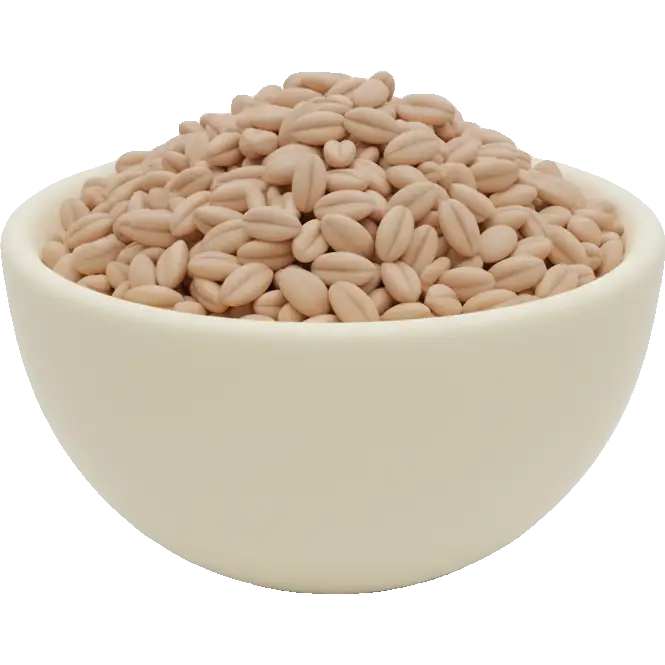
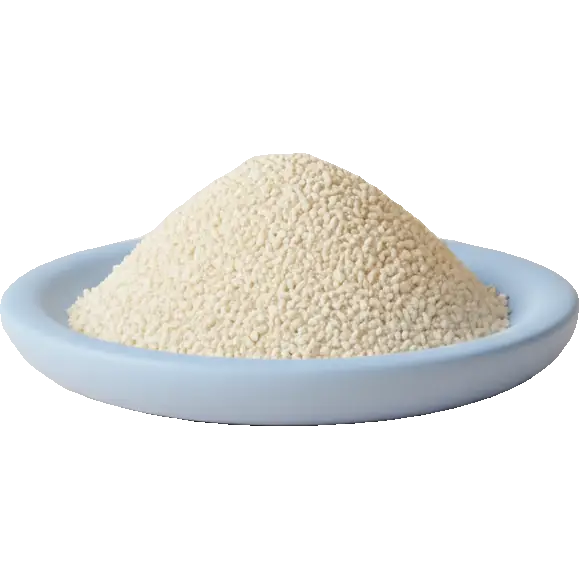
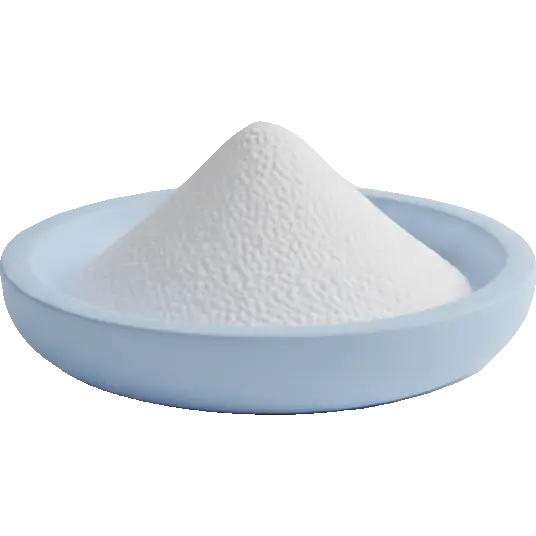
Below is the full list of foods that carry a meaningful FODMAP load - drawn directly from the Triggerbites ingredient database.























































































































































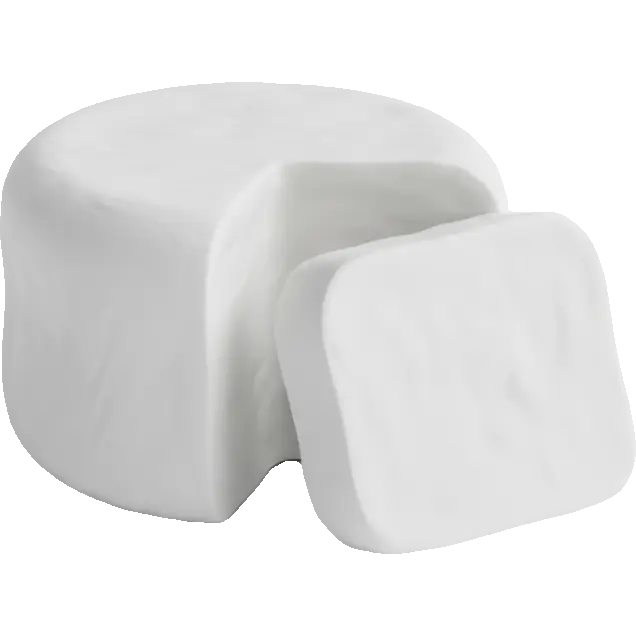

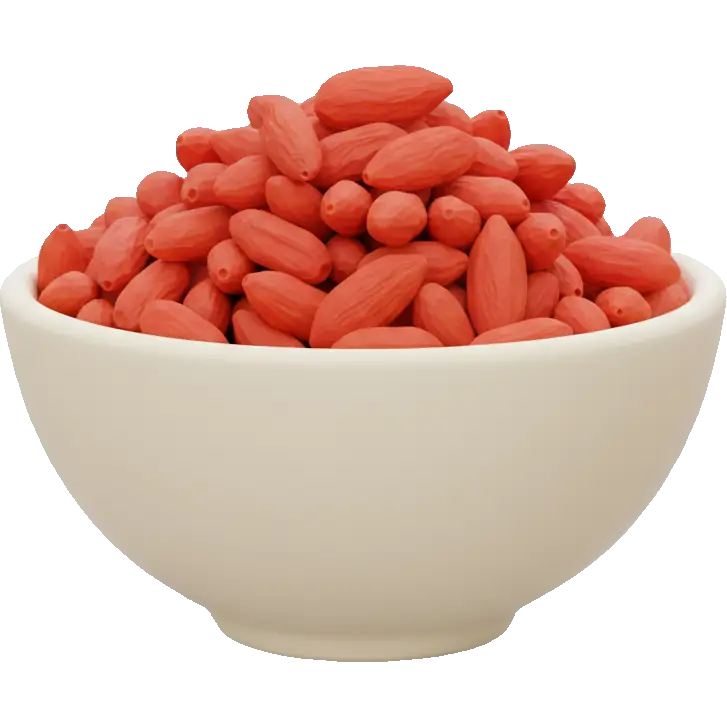


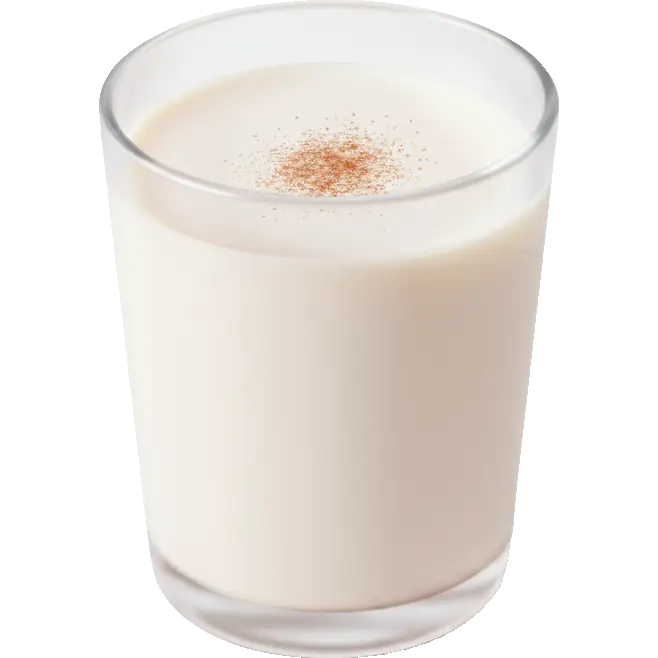





















































Portion size decides most of it
The word "avoid" gets one thing wrong: FODMAPs are dose-dependent. Their effect is cumulative, and most people tolerate small amounts of a high-FODMAP food perfectly well - symptoms appear only once the total FODMAP load in a meal, or across a day, crosses a personal threshold.1 A few raspberries are not the same as a large bowl; a slice of bread is not the same as a sandwich plus pasta.
This is why the low-FODMAP diet is a structured learning process - a strict phase to settle symptoms, then systematic reintroduction to find which FODMAP groups, and which portions, are yours. It ends with a personal list, and it was never meant to be a permanent ban.3 (We cover the whole framework in what is the low FODMAP diet?)
Finding your pattern
Because FODMAPs are cumulative and group-specific, the useful things to track are which high-FODMAP foods you ate, in what portion, and which group they belong to - because many people react strongly to one or two FODMAP groups and tolerate the rest.
Where Triggerbites fits in
This list comes straight from the food data inside Triggerbites, which tags every ingredient by FODMAP group - fructans, GOS, lactose, excess fructose and polyols - alongside 40+ other trigger criteria.
So when you log a meal in plain language, Triggerbites extracts the ingredients, tags the FODMAP load, and correlates it with your symptoms across delayed time windows - including how dose-dependent your reactions are. Instead of avoiding a 300-item list, you find the few groups and portions that actually matter for you.
It takes seconds a day, and it turns an overwhelming list into a short, personal one.






Triggerbites Features
- Log your day in 30 seconds: Text, voice or photo. Log as you go, or recap it all in the evening.
- Your food, broken down: Meals become ingredients and sensitivity profiles: histamine, salicylates, FODMAPs, allergens, and even the additives on packaged food.
- Everything in the same journal: Symptoms, supplements, sleep, stress, exercise and mood, beside what you ate.
- See what repeats over time: Patterns between what you eat and how you feel, including delayed reactions that show up days later.
For the full picture, see what is the low FODMAP diet? and why am I bloated after everything I eat?
Live, love, log. 🧡
References
- 1
- 2Frontiers in Nutrition (PMC) "A Low-FODMAP Diet Improves the Global Symptoms and Bowel Habits of Adult IBS Patients: A Systematic Review and Meta-Analysis", 2021PMC
- 3
 PMC
PMCArticle References and Citations
- Frontiers in Medicine (PMC): "FODMAPs - Do they really affect IBS symptoms?", 2023 - https://www.ncbi.nlm.nih.gov/pmc/articles/PMC10017764/
- Frontiers in Nutrition (PMC): "A Low-FODMAP Diet Improves the Global Symptoms and Bowel Habits of Adult IBS Patients: A Systematic Review and Meta-Analysis", 2021 - https://www.ncbi.nlm.nih.gov/pmc/articles/PMC8417072/
- Monash University: "Low FODMAP Diet" - https://www.monashfodmap.com/about-fodmap-and-ibs/