Lectins in food: the low-lectin diet list, and what the evidence says
One lectin will make you ill. The rest of the story is a good deal thinner than the books selling it.
Lectins have had a strange decade. They went from an obscure entry in plant biochemistry to the villain of a bestselling diet book, and the claims made for them ran well ahead of what anyone had shown.
The evidence supports much less than the books claim. Lectins do one well-documented thing, the rest is contested, and the diet built on them removes a great deal of good food.
What lectins are
Lectins are proteins that bind to carbohydrates. Plants make them, and in some plants they are part of the defence against being eaten, because a protein that sticks to the lining of an animal's gut is an unpleasant thing to swallow.
Almost every plant food contains some lectin. Legumes, grains and the nightshade family carry the most, and raw kidney beans carry more than any of them.
Raw kidney beans: the documented harm
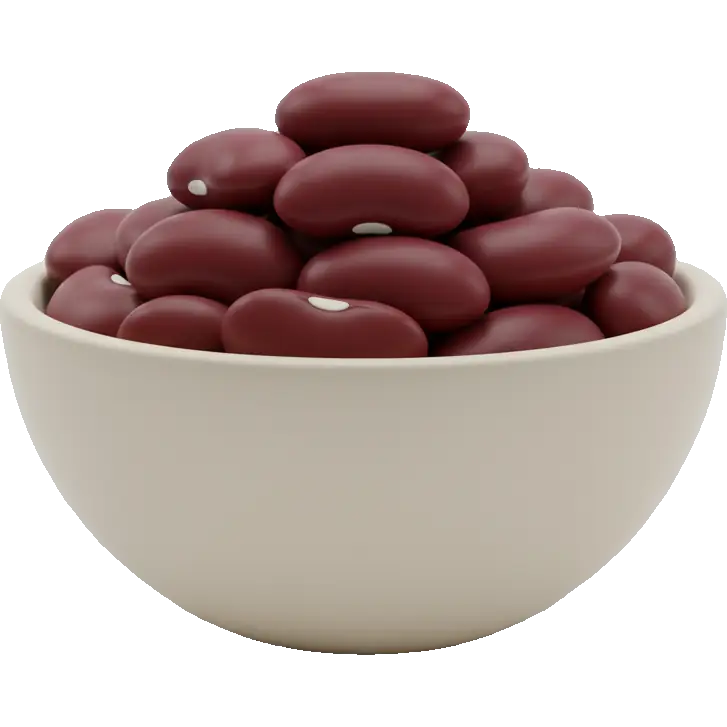
Raw or undercooked kidney beans can make you seriously ill, and the lectin responsible is called phytohaemagglutinin. As few as four or five raw beans can bring on violent vomiting and diarrhoea within a couple of hours.1
Boiling destroys it. Ten minutes at a proper rolling boil is enough to make kidney beans safe, which is why the old advice to boil hard before simmering exists and why a slow cooker on low is the wrong tool for dried kidney beans. Tinned beans are already cooked.
The contested claims about cooked food
The broader claim is that lectins from ordinary cooked food cause inflammation, gut permeability and weight gain across the population. That claim is not well supported.
Cooking, soaking, sprouting and fermenting all reduce lectin activity substantially, and almost nobody eats these foods raw.2 The foods with the most lectins are also among the best studied for health: beans, lentils, wholegrains and tomatoes appear repeatedly in the diets associated with living longer.
So a low-lectin diet asks you to remove a large part of what most nutrition research recommends, on a mechanism that has mostly been demonstrated in test tubes and in animals fed raw material.
What a low-lectin diet removes
The list below is the low-lectin diet as it is usually practised, graded from our database. The popular version of this diet also excludes most grains and conventional dairy for separate reasons, so beer and cheese appear on it even though nobody would call them lectin-heavy.
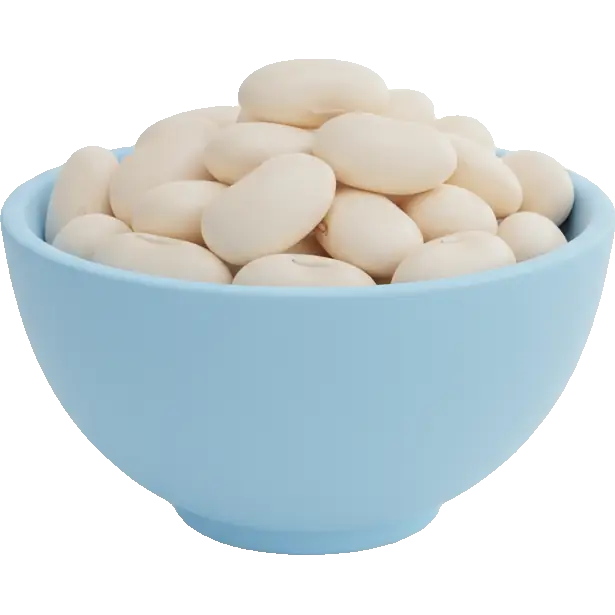
The foods most people ask about
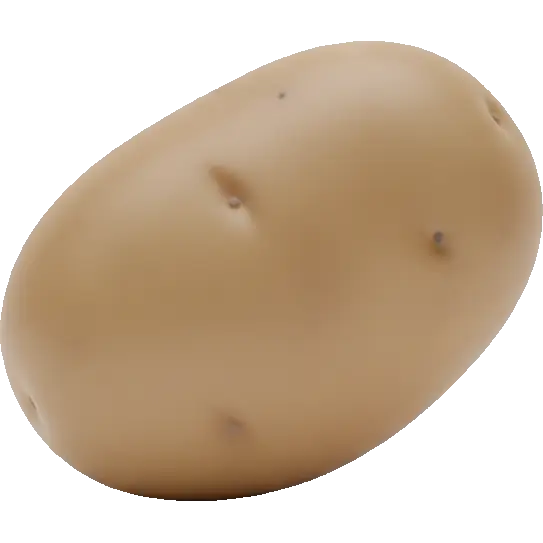
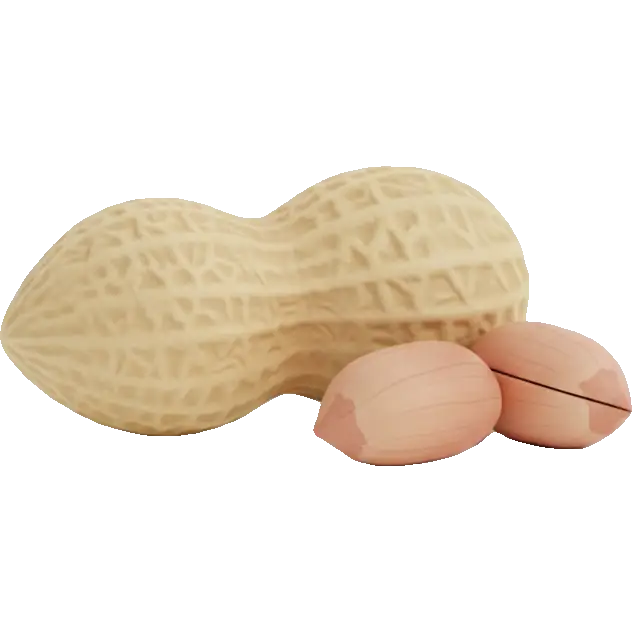
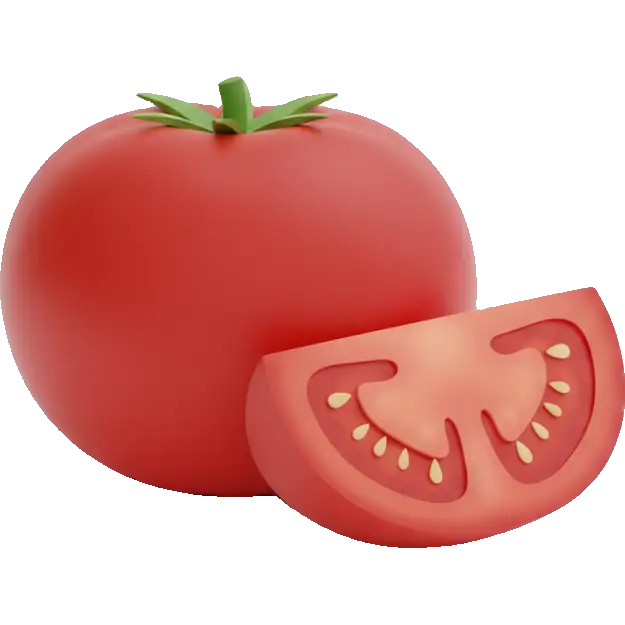
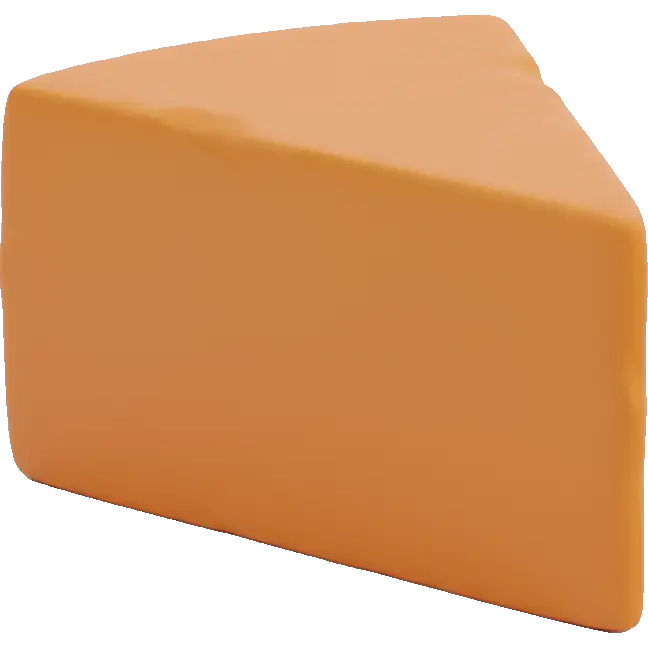
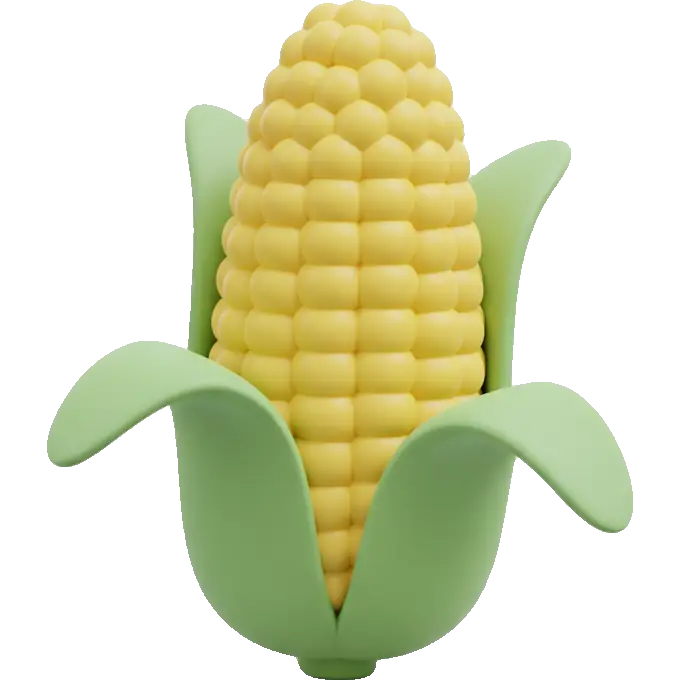
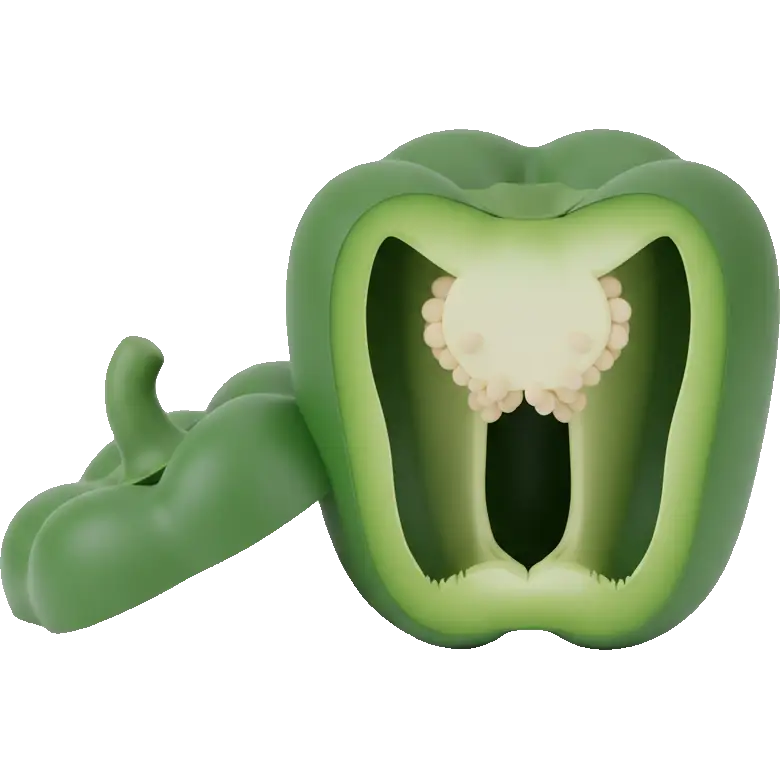
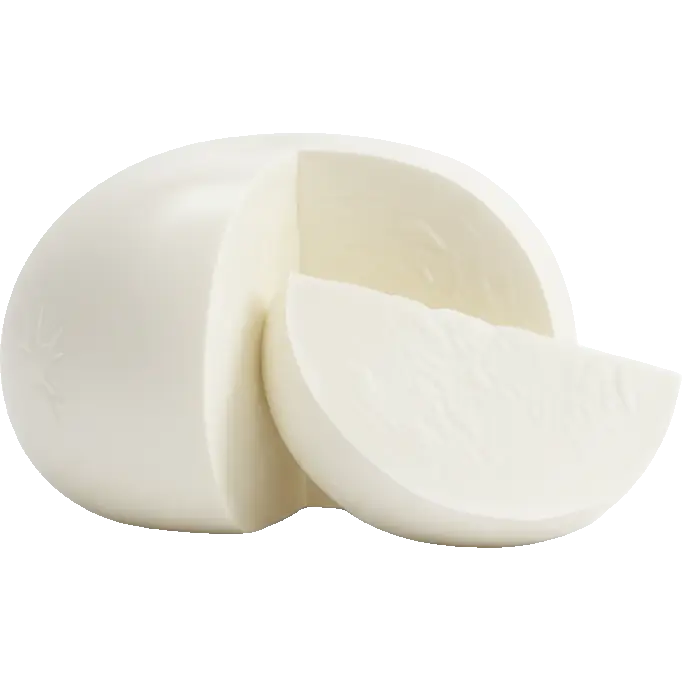
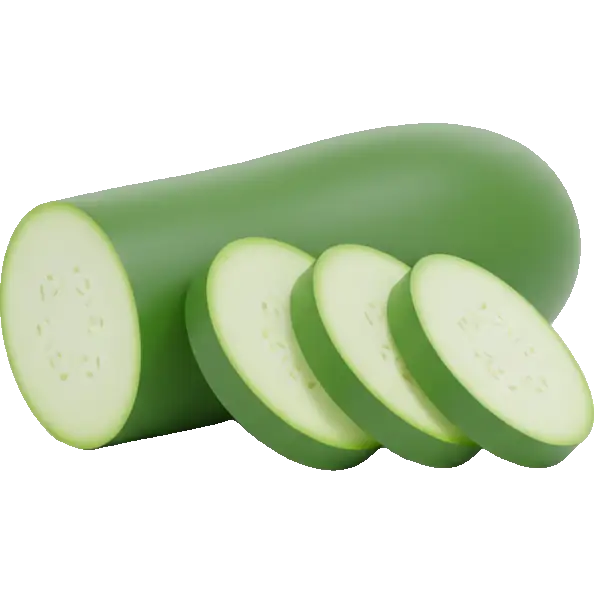
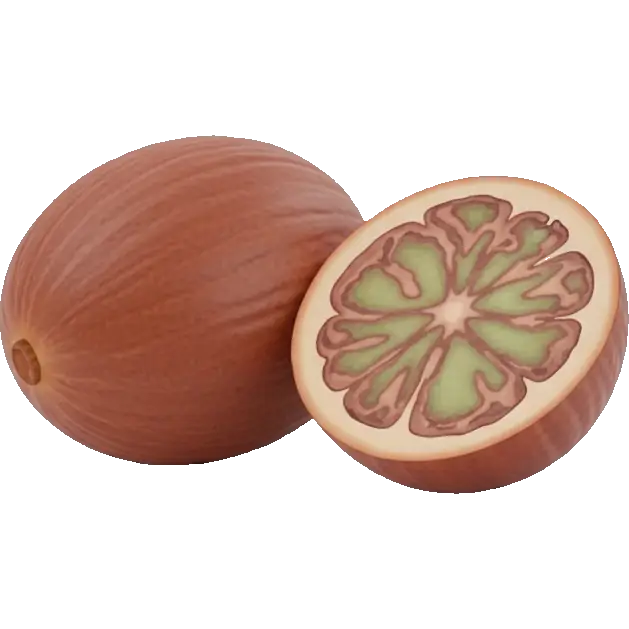
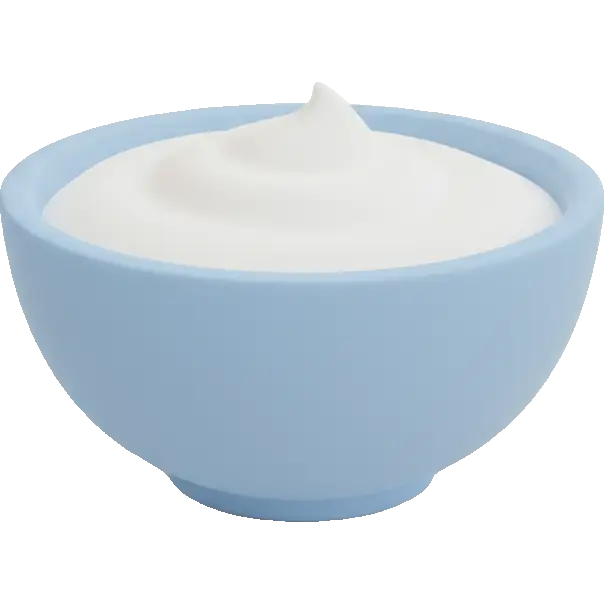
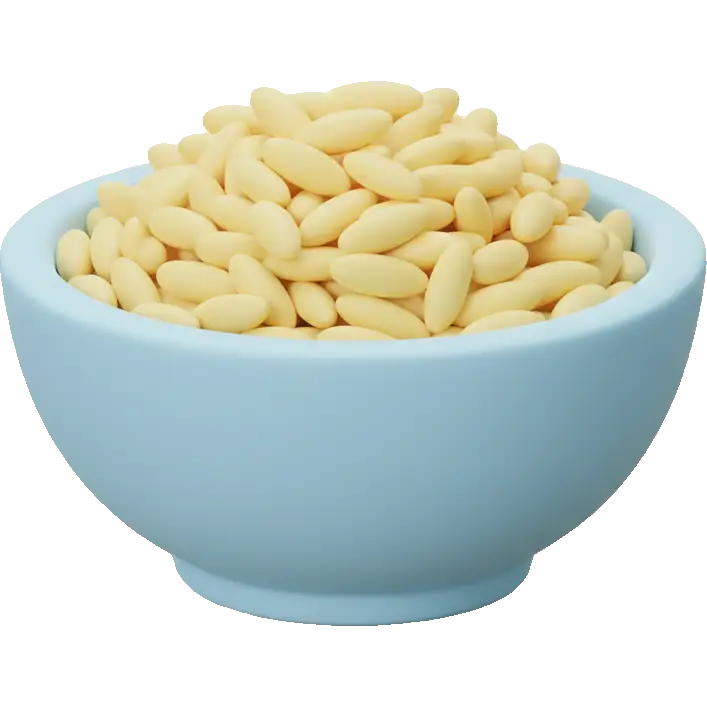
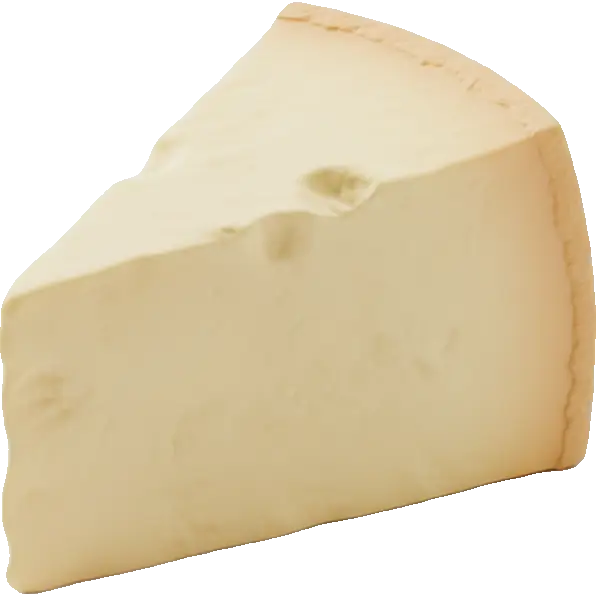
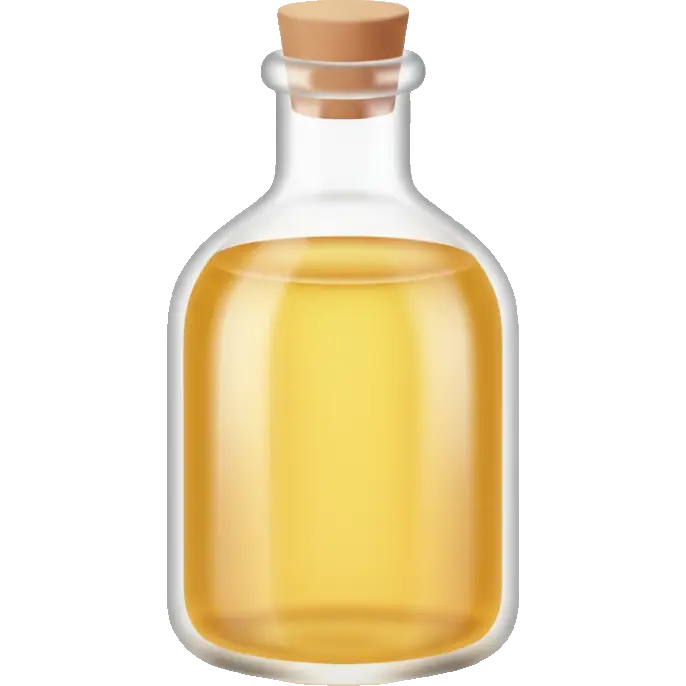
These are the ingredients the diet is most often argued about.






The full low-lectin list
Foods graded for a low-lectin diet. Avoid means the diet excludes it, which is not the same as the food being high in lectins.
Worth avoiding146 foods

| Food | Notes |
|---|---|
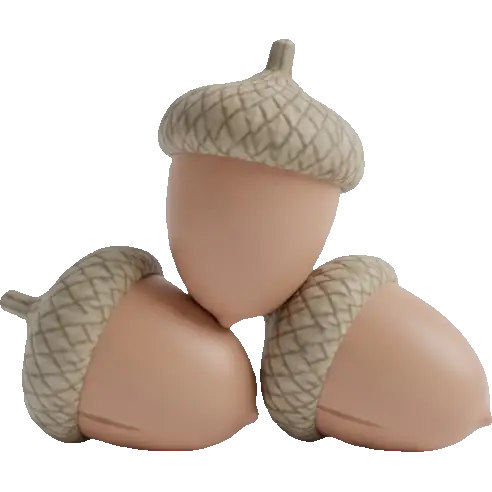
| Acorn nuts | Edible only after leaching to remove bitter tannins. Not a common allergen, but rare acorn allergy reported; tree‑nut‑allergic people shouldn’t assume cross‑tolerance. |
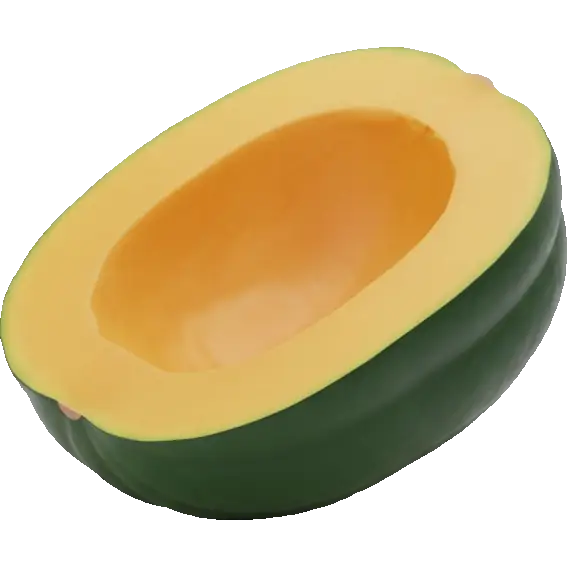
| Acorn squash | Acorn squash is a dark green winter squash. A sweet nutty squash with acorn-like shape. |
| Adzuki beans | Legume high in GOS—gas‑forming for many with IBS; soaking/pressure‑cooking helps a bit. Small serves may be tolerated after reintroduction. |
| Agave nectar | Agave nectar is syrup from agave plants. A liquid sweetener with mild honey-like flavor. |
| Aged cheese | Aged cheese is cheese matured over time. A sharp flavorful cheese with developed taste. |
| Almond butter | Low FODMAP only in a small serve (see Monash app). Tree‑nut allergen; also naturally higher in oxalates. |
| Amaranth | Amaranth is an ancient grain-like seed. A protein-rich pseudocereal with earthy flavor. |
| Amaranth grain | Naturally gluten‑free pseudocereal. Fiber‑dense—introduce gradually if sensitive; cross‑contact with gluten can occur, so seek certified GF if needed. |
| Angel hair pasta | Wheat pasta—contains gluten and fructans (high FODMAP). Gluten‑free versions can be low FODMAP depending on ingredients. |
| Areca nuts | Also called betel nut—Group 1 carcinogen; not recommended as a ‘food’. Avoid chewing; significant oral cancer risk. |
| Artificial sweeteners | Artificial sweeteners are synthetic sugar substitutes. Zero or low-calorie sweeteners for sugar replacement. |
| Barley | Barley is an ancient cereal grain. A chewy nutty grain for soups and beer. |
| Bean sprouts | Bean sprouts are germinated mung beans. A crisp sprout used in Asian stir-fries. |
| Beer | Beer is a fermented grain beverage. An alcoholic drink made from malted barley and hops. |
| Black beans | Black beans are small shiny dark legumes. A meaty bean popular in Latin American cuisine. |
| Black gram | Urad dal (black gram) is a legume high in GOS (FODMAP). Soaking, rinsing and small/canned serves reduce FODMAPs, but tolerance varies. |
| Black-eyed peas | Cowpeas/black-eyed peas are high in GOS. Canned, well-rinsed small serves test lower FODMAP; build tolerance cautiously. |
| Borlotti beans | High in GOS/fructans; generally high FODMAP even canned. Fibre‑rich but portion‑limited for IBS. |
| Broad beans | High FODMAP (GOS/fructans). Also avoid in G6PD deficiency (favism risk). |
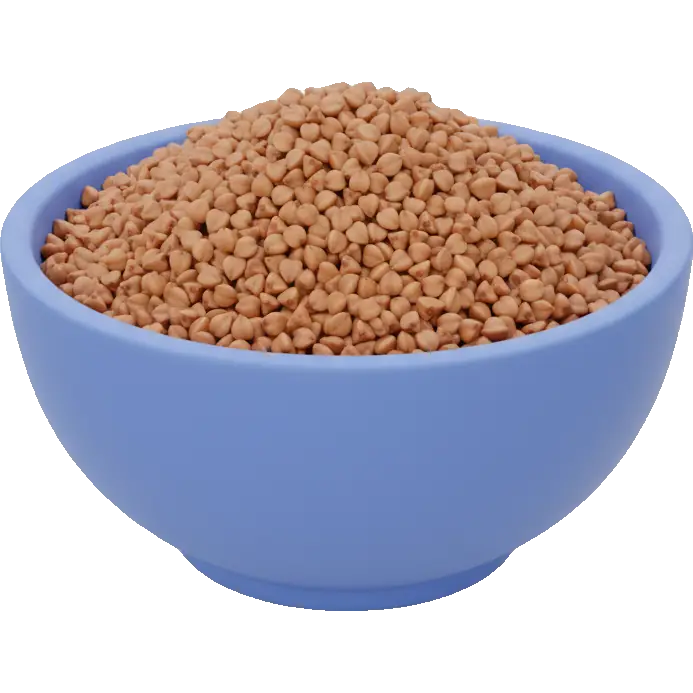
| Buckwheat | Buckwheat is a triangular pseudocereal seed. A nutty gluten-free grain for pancakes. |
| Butter | Butter is churned cream fat. A rich dairy fat used in cooking and baking worldwide. |
| Butter beans | Canned, well‑rinsed portions (~¼ cup) can be low FODMAP; larger serves high in GOS. |
| Butternut squash | Butternut squash is a tan bell-shaped winter squash. A sweet nutty squash with orange flesh. |
| Canola oil | Canola oil is oil from rapeseed plants. A neutral mild oil for everyday cooking. |
| Canteloupe | Cantaloupe is an orange-fleshed melon. A sweet aromatic melon with netted rind. |
| Cashews | Cashews are curved creamy nuts. A rich buttery nut used in cooking and snacking. |
| Chana dal | Split chickpeas; lower FODMAP than whole chickpeas but still GOS‑rich—keep serves small (brand/soak dependent). |
| Cheddar cheese | Cheddar cheese is a firm aged English cheese. A sharp tangy cheese in many varieties. |
| Cheese | Generic cheese. Lactose content varies by type; aged cheeses are typically lower in lactose. |
| Chia seeds | Chia seeds are tiny seeds from chia plants. A nutritious seed that forms gel when soaked. |
| Chickpeas | Chickpeas are round beige legumes. A nutty versatile bean used in hummus and curries. |
| Colby cheese | Colby cheese is a mild American cheese. A soft orange cheese similar to cheddar. |
| Corn | Corn is a cereal grain and vegetable. A versatile crop eaten fresh and processed. |
| Corn flour | Made from maize; gluten‑free (watch for factory cross‑contact). Polenta/cornmeal/grits are low FODMAP in sensible portions. |
| Corn grits | Coarsely ground corn (polenta). Low FODMAP in cooked 1 cup serves; gluten‑free (check for cross‑contact). |
| Cottage cheese | Cottage cheese is fresh curdy cheese. A mild lumpy cheese with high moisture. |
| Cottonseed | Raw cottonseed isn’t commonly eaten due to gossypol (toxin). Treated/ULG cottonseed exists but is niche. Treat as unknown for FODMAPs; avoid unless specifically processed. |
| Couscous | Semolina wheat granules; contains gluten and fructans. Some apps show only small 'amber' serves; generally avoid during elimination. |
| Cracked wheat | Cracked wheat/bulgur: contains gluten and is high in fructans; avoid on elimination. Gluten‑free alternatives: quinoa, rice, buckwheat. |
| Cranberry beans | Also called borlotti beans. High in GOS; canned & well‑rinsed beans can reduce FODMAPs, but no clear ‘green’ serve for this variety. |
| Cream | Cream is the high-fat layer from milk. A rich dairy product for cooking and coffee. |
| Cream cheese | Cream cheese is soft spreadable cheese. A mild tangy cheese for bagels and baking. |
| Cucumber | Cucumber is a cool crunchy vegetable. A refreshing vegetable eaten raw or pickled. |
| Durum wheat | High‑fructan wheat; contains gluten. Limit during low‑FODMAP elimination. |
| Eggplant | Eggplant is a purple nightshade vegetable. A meaty vegetable also called aubergine. |
| Emmer | Ancient wheat (often marketed as farro). High in fructans and contains gluten. |
| Farina | Refined wheat cereal (semolina/cream of wheat). High fructans and contains gluten. |
| Farro | Usually emmer/spelt; contains gluten and is high in fructans—limit on elimination. |
| Fava beans | Dried broad beans are high in GOS; typical portions are high FODMAP. |
| Fettuccine | Standard wheat pasta contains gluten and is high in fructans; gluten‑free versions differ. |
| Flageolet beans | Dried French beans; like other legumes they are high in GOS unless portioned very small/pressure‑cooked. |
| Freekeh | Cracked green wheat (contains gluten). High in fructans. Not allowed on AIP or EoE 6-FED (wheat). |
| Fresh cheese | Also known as just 'cheese'. Generic fresh cheese. Contains dairy proteins and varying lactose levels. |
| Garbanzo beans | Chickpeas. Canned/rinsed small serves can be low FODMAP; larger portions high in GOS/fructans. Not AIP (legume). |
| Ghee | Ghee is clarified butter from South Asia. A nutty aromatic cooking fat with high smoke point. |
| Gluten-free oats | Oats grown and milled without wheat contact; safe for most coeliacs though a minority react to avenin. |
| Goji berry | Usually sold dried. |
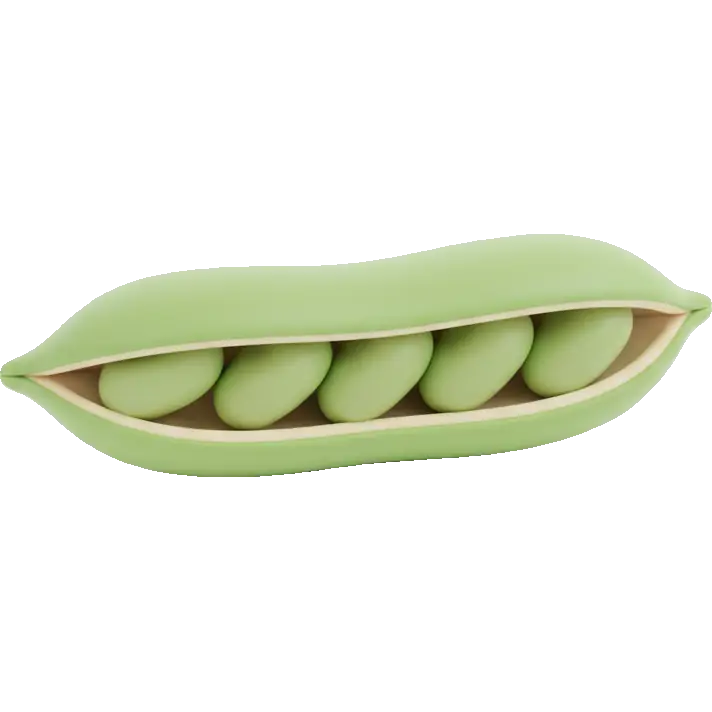
| Green bean | Green bean is an immature bean pod. A tender vegetable also called string bean. |
| Green bell pepper | Green bell pepper is an unripe sweet pepper. A slightly bitter crunchy pepper. |
| Green chile | Milder green chili peppers such as Anaheim or Hatch; gentler than jalapeno but still a nightshade; can aggravate reflux for some. |
| Green lentils | High in GOS; canned/rinsed or small boiled portions are better tolerated. |
| Green peas | Green peas are sweet seeds in pods. A tender spring vegetable eaten fresh or frozen. |
| Hard liquor | Hard liquor is distilled alcoholic spirits. Strong beverages like whiskey vodka and rum. |
| Honeydew melon | Honeydew is a pale green melon. A sweet mild melon with smooth skin. |
| Horse gram | High in GOS like other legumes; soak/pressure-cook to reduce FODMAPs. |
| Jalapeno pepper | Fresh hot chili; capsaicin can irritate the gut and trigger IBS or reflux flares; a nightshade with moderate salicylates. |
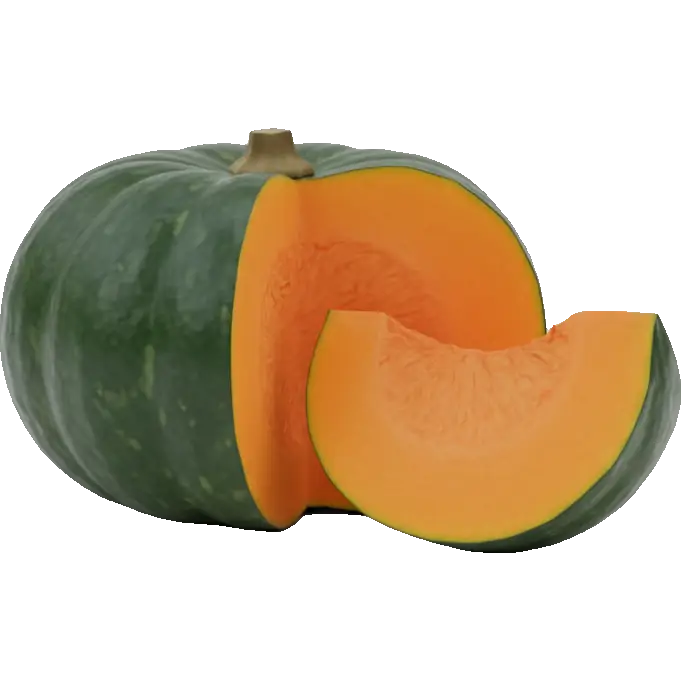
| Kabocha squash | Kabocha squash is a Japanese winter squash. A sweet dense squash with chestnut-like flavor. |
| Kamut flour | Ancient wheat containing gluten; high in fructans—avoid for coeliac and low-FODMAP. |
| Kefir | Kefir is fermented probiotic milk drink. A tangy drinkable yogurt-like beverage. |
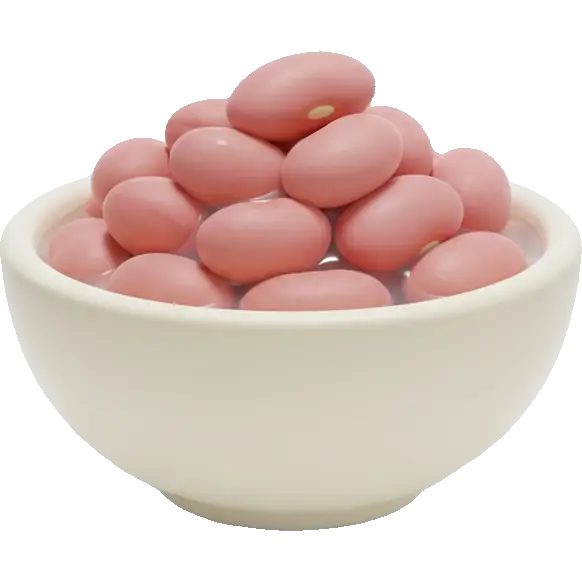
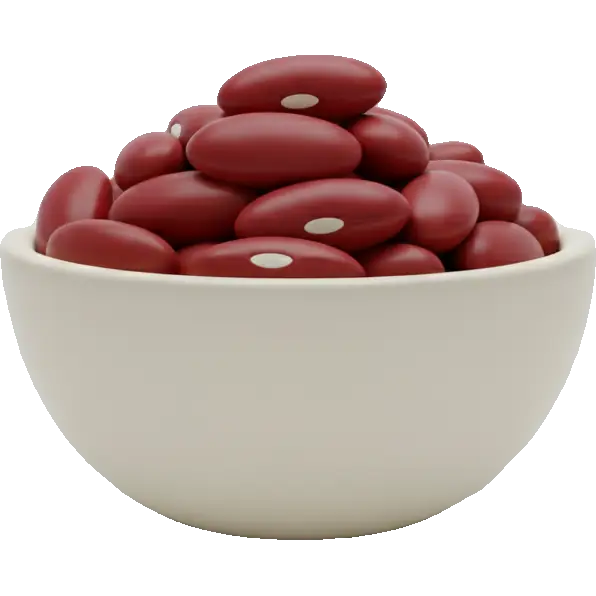
| Kidney beans | Kidney beans are large red kidney-shaped beans. A meaty bean used in chili and red beans and rice. |
| Lactose-free cheese | Cheese with the lactose removed or naturally aged out; casein and whey remain so it is not dairy-free. |
| Lentils | Lentils are small lens-shaped legumes. A quick-cooking protein-rich legume in many colors. |
| Lima beans | Lima beans are large flat pale green beans. A starchy creamy bean also called butter beans. |
| Lupin beans | Very high in GOS like other legumes; pickled/rinsed small serves may be better tolerated. |
| Macaroni | Wheat pasta → gluten and high fructans at standard serves; choose GF pasta for low FODMAP/coeliac. |
| Meat-free mince | Meat-free ground mince from soy or pea protein; usually lower in fat than beef mince; check for wheat gluten binder. |
| Milk | Standard dairy milk from cows. Contains lactose and dairy proteins. |
| Mozzarella | Fresh Italian cheese made from buffalo or cow milk. Low lactose in aged versions. |
| Muesli cereal | Varies by recipe: oats + nuts + dried fruit often drive fructans/GOS/polyols; choose GF oats and low-FODMAP fruit. |
| Mung beans | Like other legumes, high in GOS; small canned/soaked portions may be better tolerated. (Sprouts differ.) |
| Navy beans | High in GOS; canned and well-rinsed small portions are better tolerated. |
| Oat milk | Oat milk is plant-based oat beverage. A creamy slightly sweet dairy alternative. |
| Oat yogurt | Cultured oat milk; lactose-free; oats carry gluten cross-contact unless certified; higher FODMAP than other plant yogurts. |
| Oats | Oats are a cereal grain from the oat plant. A hearty grain commonly eaten as oatmeal. |
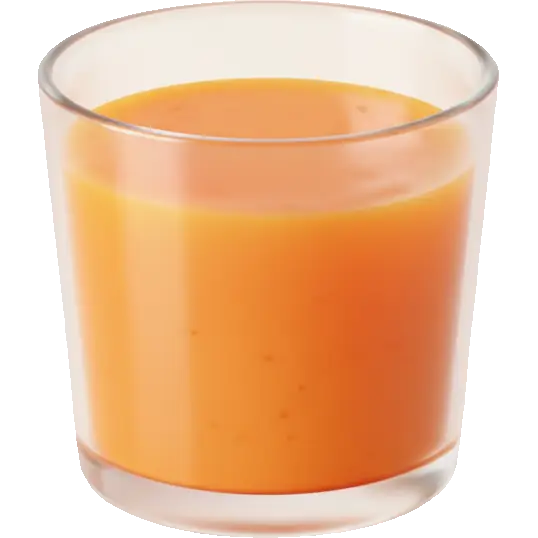
| Orange juice | Orange juice is pressed from oranges. A popular sweet-tart breakfast citrus drink. |
| Orzo | Wheat pasta shape → gluten; high in fructans at regular serves. |
| Parmesan cheese | Parmesan cheese is aged Italian hard cheese. A nutty savory cheese for pasta. |
| Peanut oil | Peanut oil is oil pressed from peanuts. A nutty high-heat oil popular for frying. |
| Peanuts | Peanuts are legumes that grow underground. A crunchy protein-rich nut-like legume. |
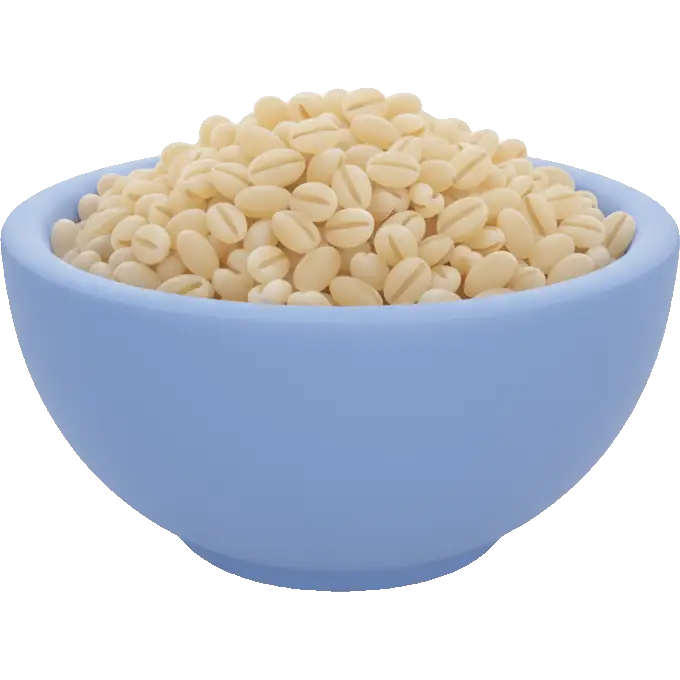
| Pearl barley | Contains gluten; barley is high in fructans—avoid for coeliac and during low‑FODMAP elimination. |
| Pigeon peas | Legume high in GOS; soaking/pressure-cooking helps but standard servings are high FODMAP. Also high in lectins and nickel. |
| Pink beans | Common bean; high in GOS at standard serves. Rinsing canned beans and small portions improve tolerance, but still often high FODMAP. |
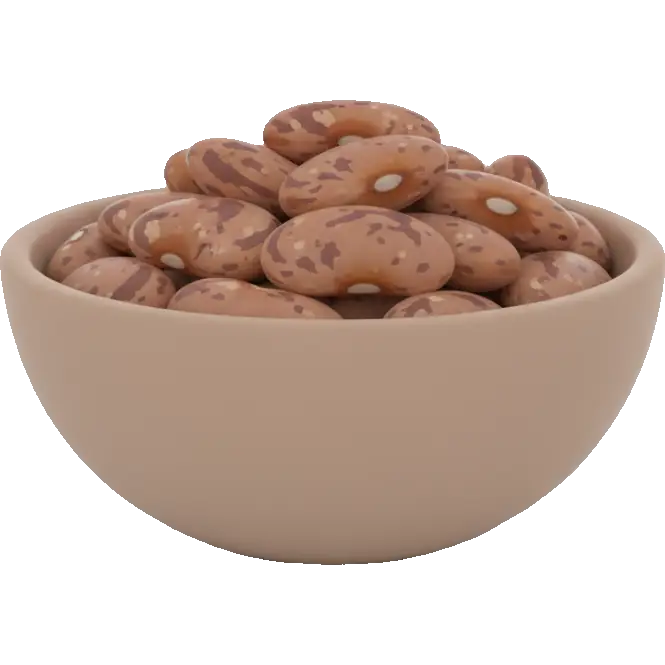
| Pinto beans | Pinto beans are speckled beige and brown beans. A creamy bean essential in Mexican refried beans. |
| Potato | Potato is a starchy tuber vegetable. A versatile staple in countless preparations. |
| Powdered milk | Very high lactose; concentrated dairy proteins. Choose lactose-free if needed. |
| Provolone | Aged semi-hard cheese: low lactose but high histamine/tyramine and natural glutamates. |
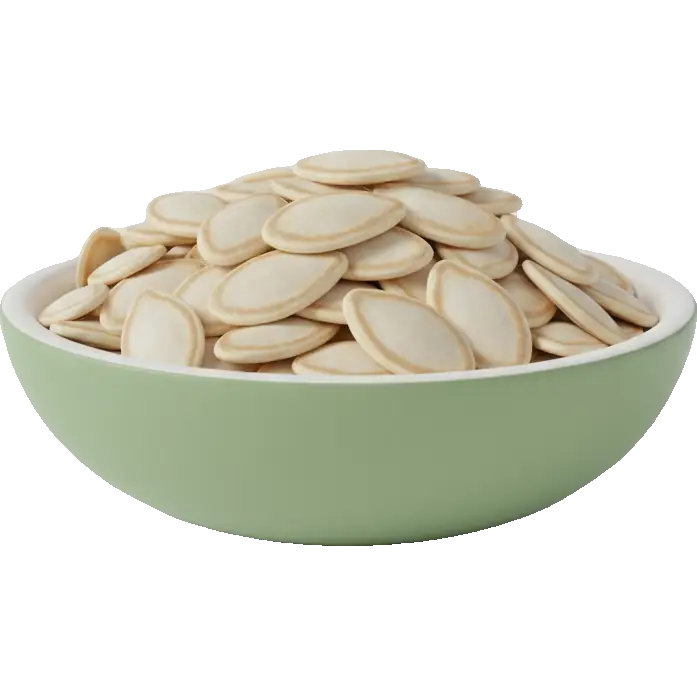
| Pumpkin seeds | Pumpkin seeds are flat green seeds from pumpkins. A nutritious seed eaten roasted as pepitas. |
| Queso blanco | Fresh cheese; moderate lactose; typically lower histamine than aged cheeses. |
| Queso fresco | Fresh, crumbly cheese; usually higher lactose than aged cheeses; lower histamine than aged. |
| Quinoa | Quinoa is a protein-rich pseudocereal seed. A fluffy grain-like seed from South America. |
| Ranch dressing | Often contains buttermilk + garlic/onion powder; many brands are gluten-free but check labels. |
| Red beans | Legume; high GOS unless canned/rinsed. Legumes are also higher in nickel; start with small serves. |
| Red bell pepper | Red bell pepper is a ripe sweet pepper. A sweet crunchy pepper with rich flavor. |
| Red lentils | High GOS (and some fructans). Canned/rinsed or small serves reduce FODMAP load. |
| Rice milk | Rice milk is plant-based rice beverage. A light naturally sweet dairy alternative. |
| Ricotta cheese | Ricotta is Italian whey cheese. A light creamy cheese for pasta and desserts. |
| Rolled barley | Rolled barley is flattened barley grains. A quick-cooking barley for cereals and baking. |
| Rye | Rye is a cereal grain related to wheat. A hearty grain with distinctive tangy flavor. |
| Rye flour | Rye flour is ground rye grain. A dense flour used in breads like pumpernickel. |
| Seitan | Pure wheat gluten—catastrophic for celiac but paradoxically LOW FODMAP at ≤30g. Best plant protein for nickel allergy. Triggers mast cell histamine release. |
| Semolina | Semolina is coarse durum wheat flour. A grainy flour used for pasta and couscous. |
| Snow peas | Snow peas are flat edible-pod peas. A sweet crisp vegetable eaten whole. |
| Soy beans | Soybeans are protein-rich Asian legumes. A versatile bean made into tofu tempeh and milk. |
| Soy milk | Soy milk is plant-based soybean beverage. A protein-rich dairy alternative. |
| Soy nuts | Roasted soybeans; high in GOS (like other legumes). Small serves may still trigger symptoms. |
| Soy protein | Powdered isolate or concentrate from defatted soybeans; the fermentable carbs are stripped in processing so it stays low FODMAP unlike whole soybeans. Still soy at heart: high in oxalate and nickel and a recognised histamine liberator; off the table for soy allergy or an EoE elimination trial. Flavoured powders often add inulin or polyol sweeteners so scan the label. |
| Soy sauce | Soy sauce is fermented soybean liquid. A salty umami seasoning essential in Asian cooking. |
| Soy yogurt | Fermented soy milk with live cultures; no lactose or dairy protein; histamine and tyramine rise with culture time. |
| Spaghetti squash | Spaghetti squash is a yellow oblong squash. A unique squash with stringy pasta-like flesh. |
| Split chickpeas | Also called chana dal/split garbanzo. Standard chickpea servings are high in GOS; some split/soaked forms test lower—portion and preparation matter. |
| Split lentils | Dehulled/red/yellow lentils can be lower FODMAP than whole at small serves, but still contain GOS—rinsing/cooking water discard helps. |
| Squash seeds | Squash seeds are edible seeds from squash. A nutritious seed similar to pumpkin seeds. |
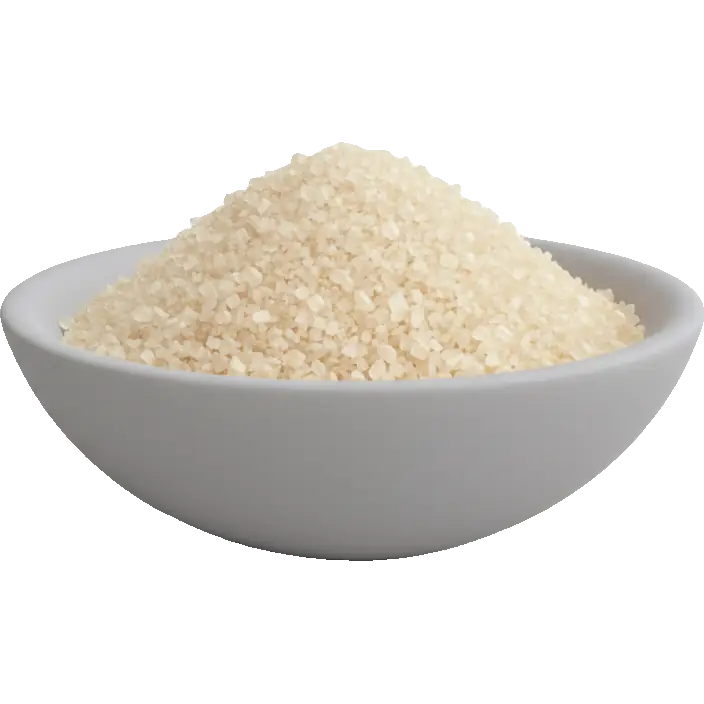
| Sugar | Standard table sugar (sucrose) from cane or beet. The most common sweetener used in cooking and baking. |
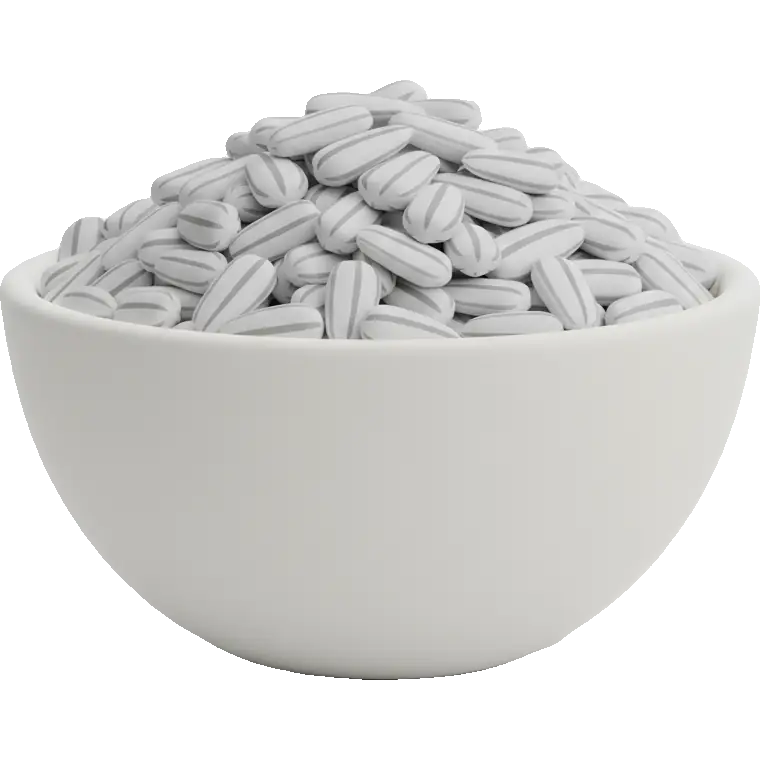
| Sunflower seeds | Sunflower seeds are striped seeds from sunflowers. A nutritious snack seed eaten roasted. |
| Tempeh | Fermented whole soybean cake; low FODMAP but high in histamine and tyramine from fermentation. |
| Tofu | Tofu is pressed soybean curd. A mild protein-rich food that absorbs flavors well. |
| Tomato | Tomato is a red fruit used as vegetable. A juicy versatile ingredient in cuisines worldwide. |
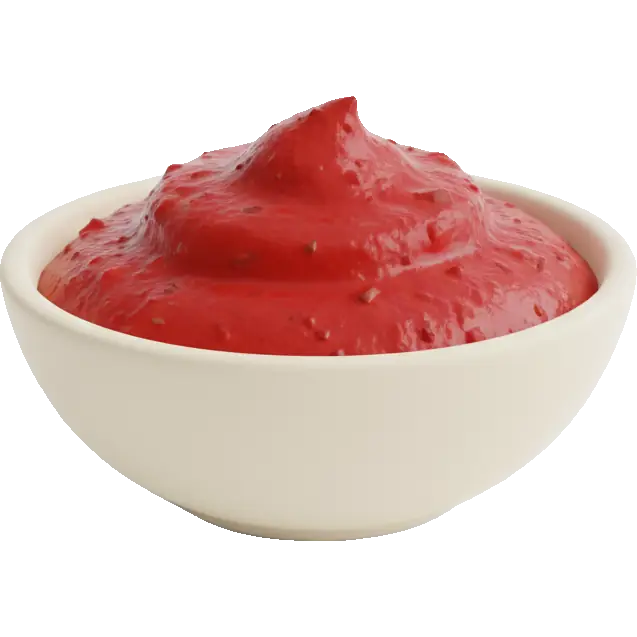
| Tomato sauce | Includes tomato paste and passata. |
| Tortellini | Wheat pasta + cheese/meat filling → gluten + lactose. Choose GF, lactose-free versions if needed. |
| Urad dal | Like most legumes, high in GOS (a FODMAP). Soaking/cooking/canning can lower GOS; small portions after reintroduction. |
| Veggie patty | Meat-free burger patty from beans soy or pea protein; check for egg or dairy binders and wheat gluten. |
| Veggie sausage | Meat-free sausage from soy or pea protein; no nitrites or animal fat; check for wheat gluten binder and added sulfites. |
| Watermelon | Watermelon is a large striped melon. A refreshing sweet fruit with red juicy flesh. |
| Wheat | Wheat is a cereal grain and global staple. The most widely grown crop used for flour. |
| Wheat bran | Wheat bran is the outer layer of wheat kernels. A fiber-rich byproduct of flour milling. |
| Wheat germ | Wheat germ is the nutrient-rich wheat embryo. A nutritious part of wheat kernel. |
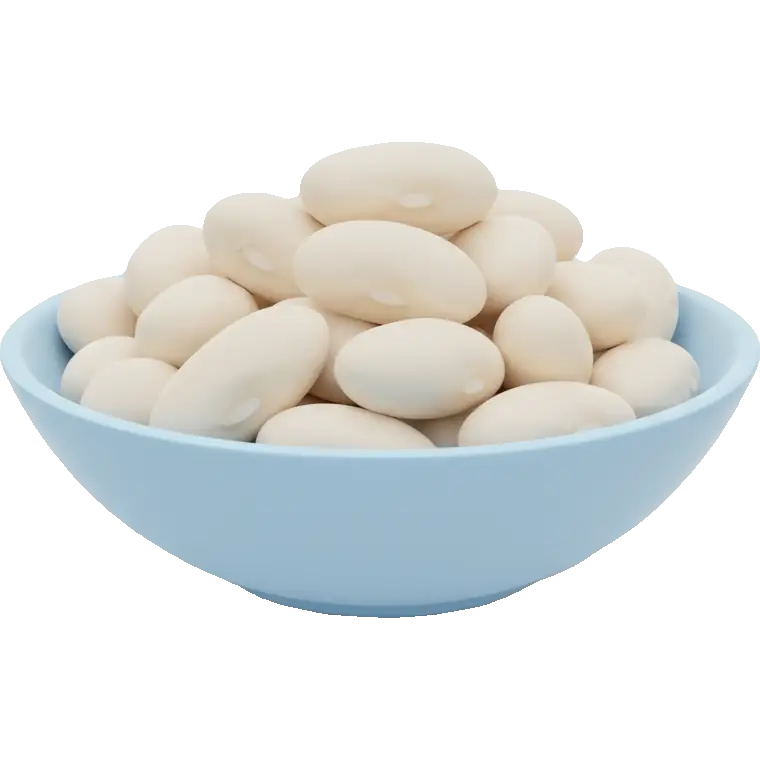
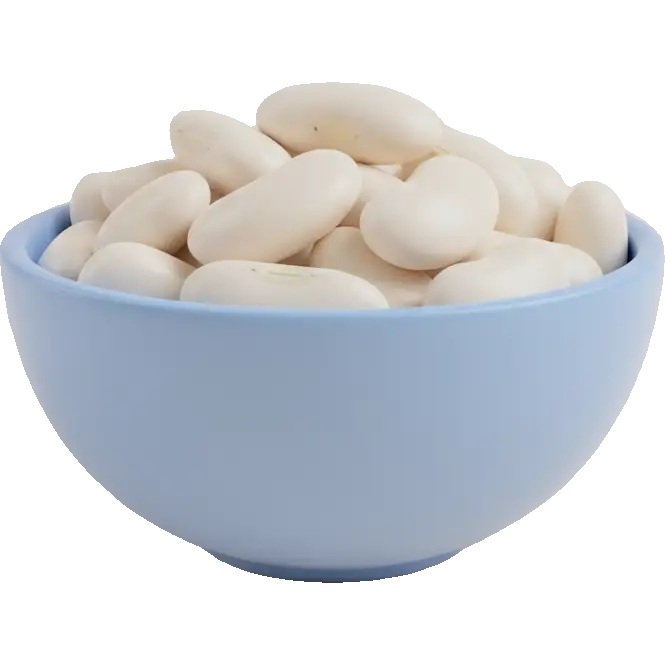
| White beans | High GOS; canned & well-rinsed small portions are better tolerated than boiled. Reintroduce cautiously. |
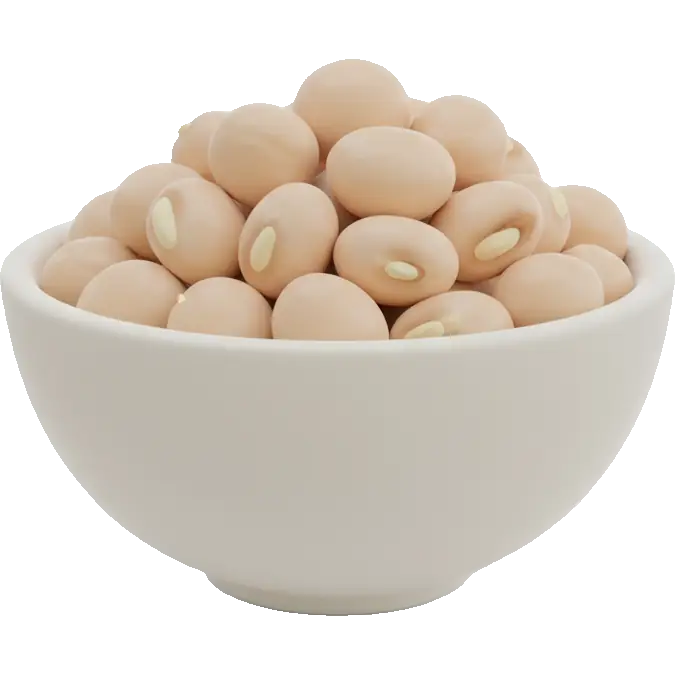
| White or navy beans | White or navy beans are small oval white beans. A mild creamy bean used in soups and baked beans. |
| White wine | White wine is fermented light grapes. A refreshing wine ranging from dry to sweet. |
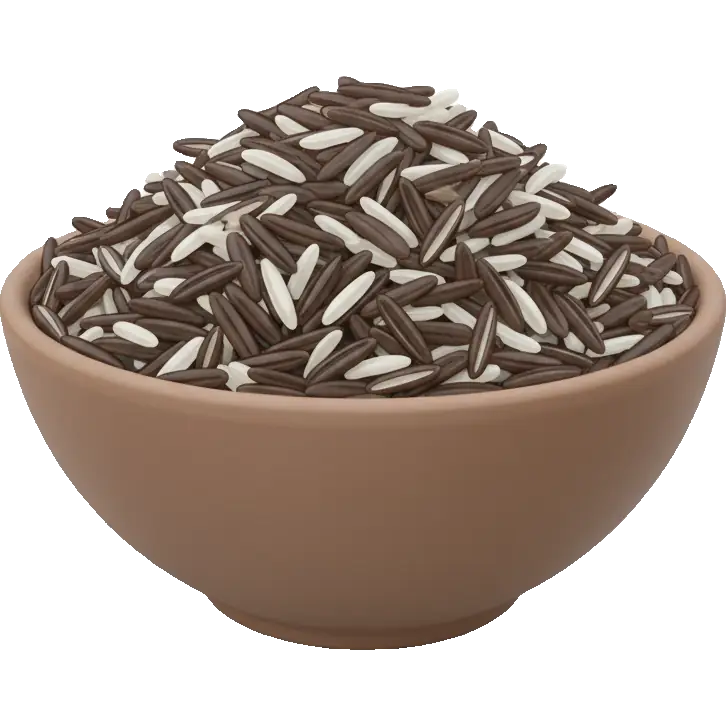
| Wild rice | Wild rice is an aquatic grass seed. A chewy nutty grain native to North America. |
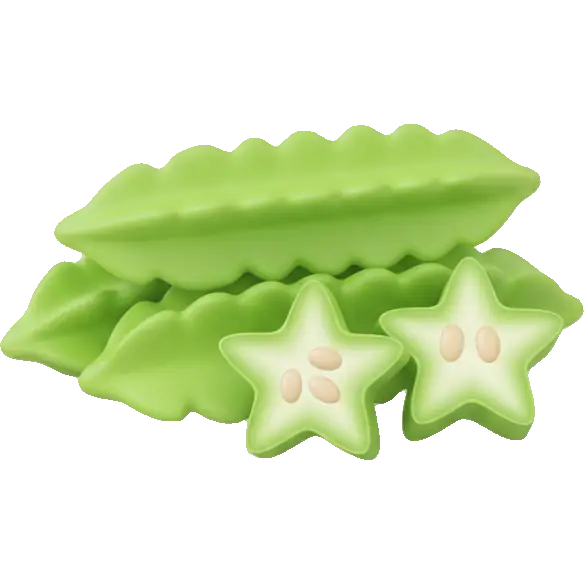
| Winged beans | Legume; likely high GOS. Soaking/cooking may lower FODMAPs but data limited—trial small amounts after reintro. |
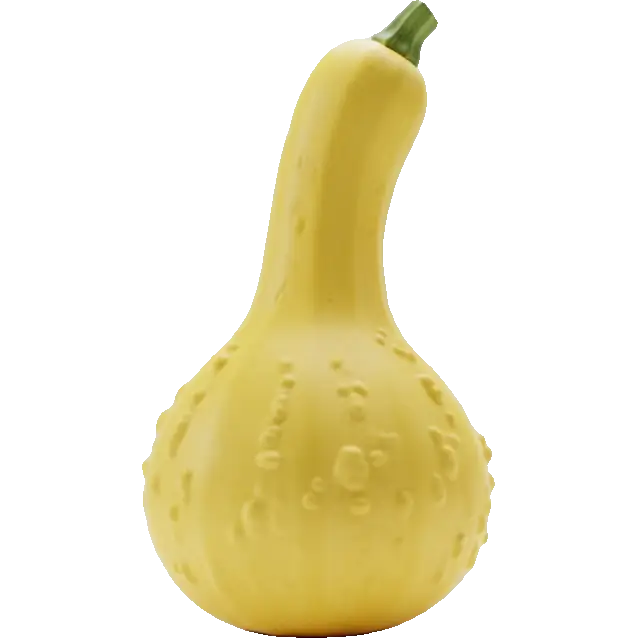
| Yellow crookneck squash | Yellow crookneck squash is a curved summer squash. A mild tender squash with bumpy skin. |
| Yellow lentils | Dehulled lentils still contain GOS. Canned/rinsed small portions are often better tolerated than boiled. |
| Yellow split peas | High in GOS; small serves may be tolerated post-reintroduction. |
| Yogurt | Yogurt is fermented milk with cultures. A tangy creamy dairy eaten plain or flavored. |
| Zucchini | Zucchini is a green summer squash. A mild versatile vegetable also called courgette. |






Moderate65 foods
| Food | Notes |
|---|---|
| Aguas frescas | Fruit‑water drinks vary: mango/watermelon versions are high FODMAP; citrus/berry‑based can be friendlier. Often high in added sugar. |
| Almonds | Almonds are oval tree nuts with mild flavor. A versatile nut eaten whole or as flour and milk. |
| Banana | Banana is a curved yellow tropical fruit. A sweet creamy fruit eaten fresh or cooked. |
| Beef | Beef is meat from cattle. A red meat staple consumed worldwide in many cuts. |
| Bison | Bison is meat from American buffalo. A lean red meat similar to beef but richer. |
| Breadnut seeds | Edible tropical seeds; nutrient‑dense but untested for FODMAPs. Treat like other starchy seeds; introduce cautiously. |
| Buffalo | Buffalo is meat from water buffalo or bison. A lean red meat popular in many cultures. |
| Bulgur wheat | Cracked par‑boiled wheat → contains gluten; high in fructans (FODMAP) in standard serves. |
| Chicken | Chicken is the most common poultry meat. A versatile white meat consumed worldwide. |
| Corn tortilla | Naturally gluten-free. Low FODMAP. Made from nixtamalized corn (masa). |
| Cucumber seeds | Cucumber flesh is low FODMAP; isolated seeds are rarely eaten in quantity but are not known to be high FODMAP. Seeds are excluded on strict AIP. |
| Duck egg | Duck egg is the egg from ducks. A larger richer egg than chicken eggs. |
| Edamame | Low FODMAP around 75 g (½ cup) shelled; larger serves increase GOS. |
| Egg | Standard chicken egg. Common allergen. |
| Egg white | The white (albumen) of a chicken egg. |
| Egg yolk | The yolk of a chicken egg. |
| Elk | Elk is lean game meat from elk deer. A mild tender red meat similar to venison. |
| Emu | Emu is lean red meat from emu birds. A rich dark poultry meat similar to beef. |
| Flax milk | Varies by brand; often includes gums (gellan/guar) and added nutrients. Seed-based so not AIP. Check GF certification. |
| French dressing | Recipe/brand dependent; can include onion/garlic, tomato/paprika, thickeners, dairy and preservatives. Check labels. |
| Garlic aioli | Emulsion of oil + egg + garlic. High fructans due to garlic; not vegan; avoided on AIP/6-FED (eggs). |
| Gluten-free cereal | Breakfast cereal from rice corn or certified oats; varies widely so check for added sugar dried fruit and inulin. |
| Gluten-free soy sauce | Assumes certified gluten-free tamari/rice-brewed soy sauce made from soybeans; salt and gluten-free grain or no grain. Low FODMAP by serving/subtypes; but fermented soy is high concern for histamine/tyramine and free glutamates; high sodium makes it weak for DASH. Soy allergen makes it poor for EoE elimination. |
| Honey mustard | Often contains honey, vinegar, spices; some brands add wheat/dairy/garlic—check labels. |
| Horseradish sauce | Often mayo/cream-based with vinegar/sugar; many add onion/garlic—brand-dependent. |
| Hummus | Chickpeas + tahini + garlic. Canned/rinsed chickpeas and garlic-infused oil versions are gentler. |
| Jackfruit | FODMAP depends on ripeness and amount: unripe (green) jackfruit is better tolerated than ripe sweet fruit. |
| Jackfruit seeds | Consumed boiled/roasted in some cuisines; limited FODMAP data—may behave like legumes. |
| Kimchi | Fermented cabbage with garlic/chili; high in biogenic amines (histamine/tyramine). GF unless wheat flour added. |
| Korma paste | Often includes onion/garlic, nuts, dairy/yogurt; some brands add wheat—check labels. |
| Kvass | Traditional rye-bread ferment → gluten and likely higher fructans; varies by recipe. |
| Lamb | Lamb is meat from young sheep. A tender flavorful red meat with distinctive taste. |
| Lard | Lard is rendered pig fat. A traditional cooking fat for baking and frying. |
| Malt syrup | Made from barley; often contains gluten. High in fructans → not low FODMAP. Sweeter than sugar; use rice malt syrup instead if low FODMAP. |
| Mango chutney | Usually contains mango (excess fructose) plus onion/garlic and sugar. Brands vary—check labels; small serves may still trigger. |
| Margarine | Usually plant oils + emulsifiers. Many brands are dairy-free/vegan, but some contain milk solids or flavors—check label. |
| Milkshake | Typically milk + ice cream + syrup → high lactose and sugar. Choose lactose‑free/plant‑milk versions if needed. |
| Millet flour | Naturally gluten‑free grain flour. Generally low FODMAP in typical serves; whole‑grain → moderate starch for SIBO—watch portion. |
| Miso paste | Fermented soy paste; low FODMAP in small serves. Can contain barley (gluten) depending on type. High in free glutamates and biogenic amines. |
| Oat bran | Fiber‑dense; small serves can be tolerated; choose certified GF oat bran if gluten‑sensitive. |
| Ostrich | Ostrich is lean red meat from ostriches. A healthy dark poultry meat low in fat. |
| Oyster sauce | Concentrated oyster extract + sugar + soy/wheat (often). High umami; many brands contain wheat—check labels. |
| Papaya | Papaya is a tropical fruit with orange flesh. A sweet musky fruit with black seeds. |
| Pea milk | Pea‑protein beverages (Ripple etc.) test low FODMAP at ~1 cup/250 mL; check labels for inulin/chicory. |
| Pea protein | Plain pea protein isolate/concentrate from yellow peas. Typically gluten-free and low FODMAP because most fermentable carbs are removed; assumes no inulin; polyols or flavour additives. Legume-derived; so not Paleo/AIP; lectin and nickel concern can vary by processing. |
| Peanut butter | Low FODMAP at ~2 Tbsp; choose pure peanut-only spreads (no HFCS/inulin). |
| Physalis | Also sold as cape gooseberry or golden berry; nightshade family; eat only the ripe fruit without its husk. |
| Pili nuts | Very high-fat nut; limited FODMAP data (likely low due to low carbs). Tree nuts can be high in nickel; watch portions if nickel-sensitive. |
| Plant-based butter | Dairy-free butter alternative from plant oils; no lactose or milk protein unlike some margarines; check for soy lecithin. |
| Plantains | Plantains are starchy cooking bananas. A firm banana variety that must be cooked. |
| Pork | Pork is meat from domestic pigs. A versatile white meat consumed worldwide. |
| Quail egg | Quail egg is the small spotted egg from quail. A delicate egg often used as garnish. |
| Rabbit | Rabbit is lean white meat from rabbits. A mild tender meat similar to chicken. |
| Relish | Typically cucumbers + vinegar + sugar + onions/spices; onion/garlic drive FODMAP; preservatives vary by brand. |
| Satay sauce | Satay sauce is peanut-based dipping sauce. A creamy Southeast Asian condiment. |
| Sesame dressing | Sesame dressing is Asian sesame-based sauce. A nutty tangy salad dressing. |
| Sweet and sour sauce | Often includes onion/garlic, pineapple, ketchup; brands may add wheat (gluten) and preservatives—check labels. |
| Tartar sauce | Typically mayonnaise + pickles/capers + onion; some brands add dairy or wheat—check labels. |
| Teff flour | Naturally gluten-free ancient grain; Monash lists low FODMAP serves for teff flour. |
| Teriyaki sauce | Usually soy sauce (wheat), mirin/sugar, garlic/ginger; higher in glutamates and often contains wheat → gluten. |
| Tomatillo | Lab-tested: fresh/canned tomatillos are low FODMAP at typical serves. Nightshade family. |
| Turkey | Turkey is large poultry meat. A lean white and dark meat traditional for holidays. |
| Vegan cheese | Dairy-free cheese alternative usually from coconut oil and starch; no lactose or casein; cashew and soy versions exist so check allergens. |
| Vegan mayonnaise | Aquafaba-based is HIGH FODMAP (GOS); oil-based without aquafaba is LOW FODMAP. Seed oils incompatible with Paleo/AIP; avocado oil versions are anti-inflammatory. |
| Venison | Venison is meat from deer. A lean rich game meat with earthy flavor. |








How to test it on your own evidence
If you suspect this is your problem, there is a cheaper experiment than removing every plant food you enjoy.
Cook your legumes properly first, because undercooking is the one mechanism here that is not in doubt. Then pick the two or three foods on the list you eat most, drop only those for two weeks, and bring them back one at a time with a few days between. Write down what you ate and how you felt, including the uneventful days.
If the reaction turns out to be real, it is worth asking what else those foods carry. Beans are high in FODMAPs, tomatoes are nightshades and also histamine liberators, and wheat carries fructans. Any of those explains a reaction more readily than lectins do, and each one has a narrower fix.
Journal your day in 30 seconds, find your triggers.


Check any food in seconds
The lectin checker grades any food in our database, and every food on this page links to its own page with the rest of what it carries.
Where Triggerbites fits in
This list comes from the food data inside Triggerbites. The app grades every ingredient for lectins alongside FODMAPs, histamine, nightshades, allergens, additives and more, so a bowl of beans is checked for every explanation in the section above at once.
You type or say your day the way you'd tell a friend: "lentil soup and sourdough for lunch, a tomato salad and a Coke Zero with dinner, bloated and achy the next morning". Triggerbites pulls out the ingredients and lines them up against your symptoms, including the ones that arrive a day later. Before you cut whole food groups, you have your own record of which ingredients your bad days follow, and a PDF of it to take to a dietitian.




Triggerbites Features
- Log your day in 30 seconds: Text, voice or photo. Log as you go, or recap it all in the evening.
- Your food, broken down: Meals become ingredients and sensitivity profiles: histamine, salicylates, FODMAPs, allergens, and even the additives on packaged food.
- Everything in the same journal: Symptoms, supplements, sleep, stress, exercise and mood, beside what you ate.
- See what repeats over time: Patterns between what you eat and how you feel, including delayed reactions that show up days later.
Common questions
Are lectins actually bad for you?
One is, in one situation. Raw or undercooked kidney beans contain phytohaemagglutinin, which causes violent vomiting within hours. Boiling destroys it. The wider claim that lectins in ordinary cooked food cause inflammation or weight gain is not well supported.
Which foods are highest in lectins?
Legumes, especially kidney beans, soy and peanuts; grains, especially wheat; and the nightshade family, which includes tomato, potato, aubergine and peppers. Almost all plant foods contain some.
Does cooking destroy lectins?
Boiling destroys the dangerous ones. Ten minutes at a proper rolling boil makes kidney beans safe, which is why a slow cooker on low is the wrong tool for dried kidney beans. Tinned beans are already cooked.
Why does a low-lectin diet include beer and cheese?
Because the popular version of the diet excludes most grains and conventional dairy for reasons unrelated to lectins. A list of what the diet removes is not the same as a list of high-lectin foods, and it is worth knowing which one you are reading.
Should I try a low-lectin diet?
It removes beans, wholegrains and tomatoes, which are among the best-studied foods for long-term health. If you suspect a problem, drop two or three foods and keep the rest of the category, and check whether FODMAPs, nightshades or fructans explain it first.
Could my reaction to beans be something other than lectins?
Very likely. Beans are high in FODMAPs, which cause gas and bloating by a well-understood mechanism, and undercooking causes trouble by another. Both explain a reaction to beans more readily than lectins do.
Live, love, log. 🧡
References
- 1
- 2Lajolo FM, Genovese MI "Nutritional significance of lectins and enzyme inhibitors from legumes" Journal of Agricultural and Food Chemistry, 2002PubMed
 FDA
Article References and Citations
- US Food and Drug Administration: "Bad Bug Book: Phytohaemagglutinin" - https://www.fda.gov/food/foodborne-pathogens/bad-bug-book-second-edition
- Lajolo FM, Genovese MI: "Nutritional significance of lectins and enzyme inhibitors from legumes", Journal of Agricultural and Food Chemistry, 2002 - https://pubmed.ncbi.nlm.nih.gov/12381157/