Nightshade foods: the complete list
A botanical family - not a category of 'bad' foods. Here's the full list, and an honest look at the science.
"Nightshades" sounds ominous, and the wellness internet treats the word that way. A nightshade is a member of a botanical plant family, and that family includes some of the most-eaten vegetables on earth.
Below is the complete list of nightshade foods, with an honest account of what the science does and doesn't say.
What nightshades are
Nightshades are plants in the Solanaceae family. The everyday edible ones are potatoes, tomatoes, peppers (bell and chilli), eggplant, and a few others like tomatillos and goji berries.1
What unites them chemically is a group of compounds called glycoalkaloids - solanine in potatoes, and related compounds in the others. Glycoalkaloids are part of the plant's natural defence. At high doses they are toxic, which is the well-documented reason you shouldn't eat green or sprouted potatoes. The amounts in normal, properly-stored produce are low, and most of a potato's glycoalkaloid sits in the skin.1
The honest part: a chronic, low-level "nightshade intolerance" - distinct from acute glycoalkaloid toxicity - is not a well-established medical diagnosis. Few studies have directly linked normal nightshade consumption to negative health outcomes, and for most people these are nutritious foods.2 Some people with inflammatory conditions report feeling better avoiding them, but the evidence there is largely anecdotal.
The nightshade foods
Below is the full list of nightshade foods - drawn directly from the Triggerbites ingredient database.
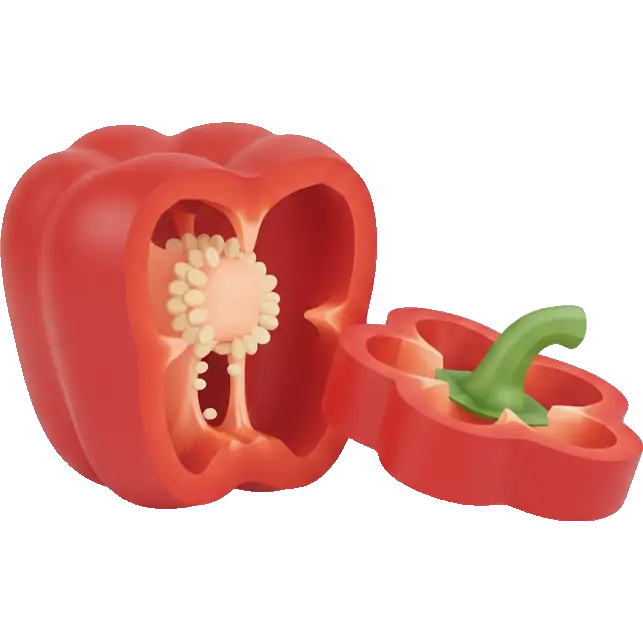
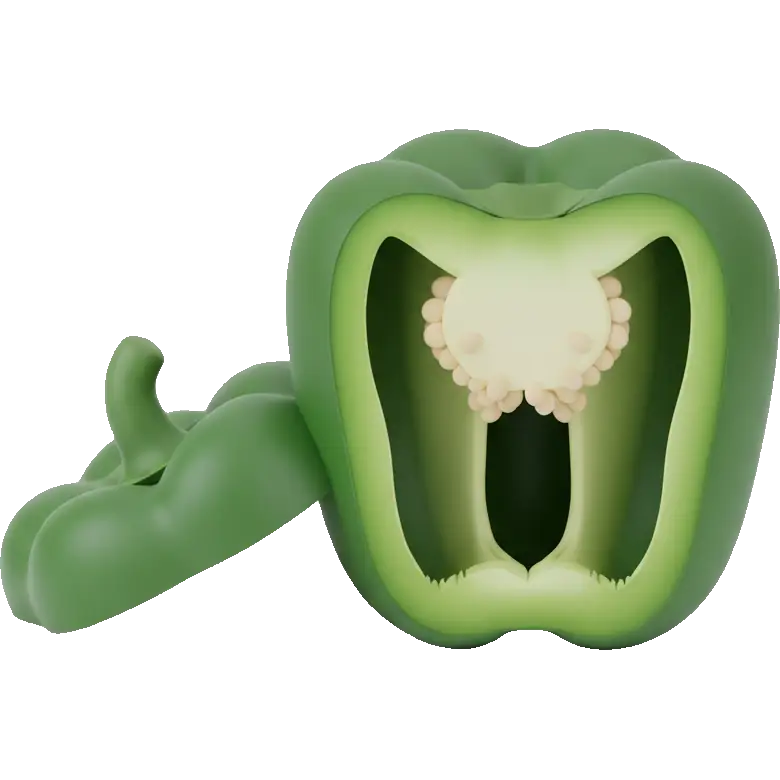

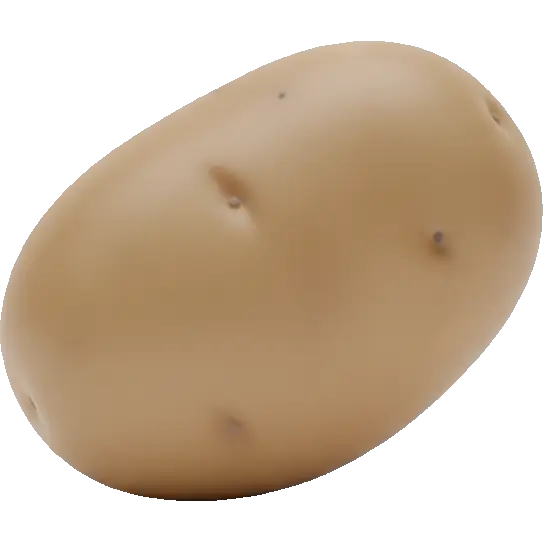
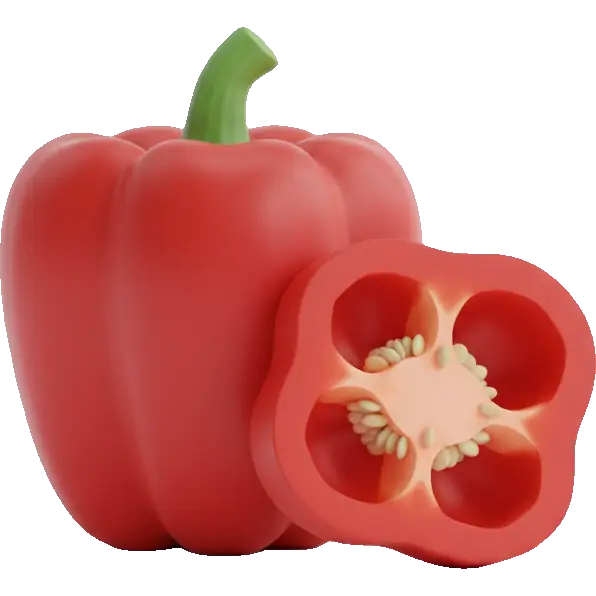

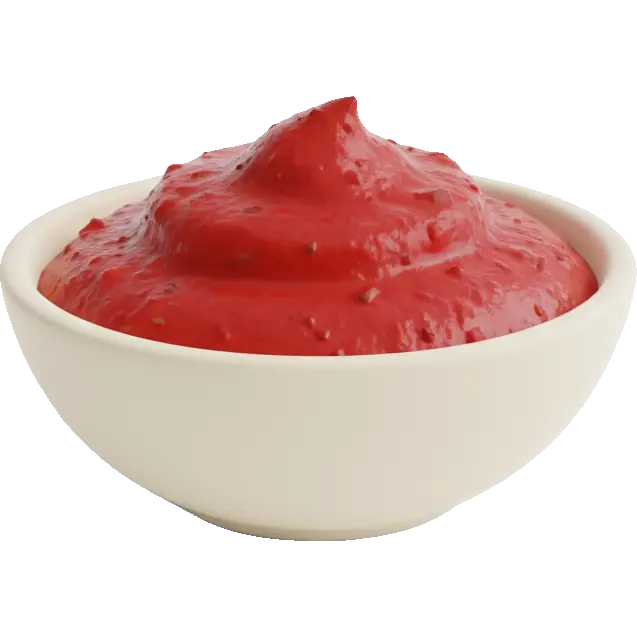
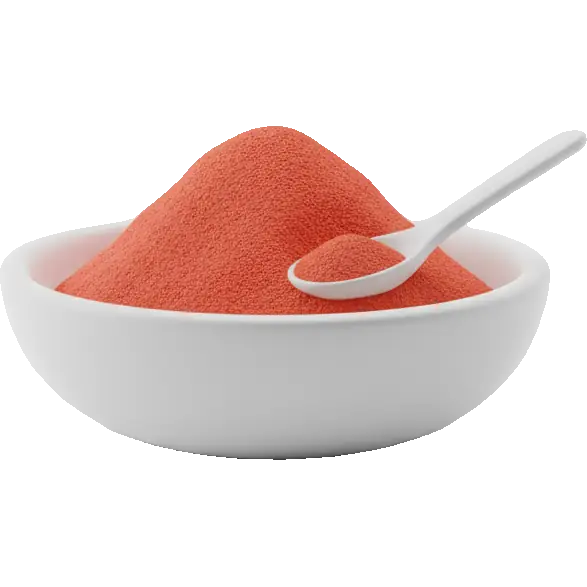
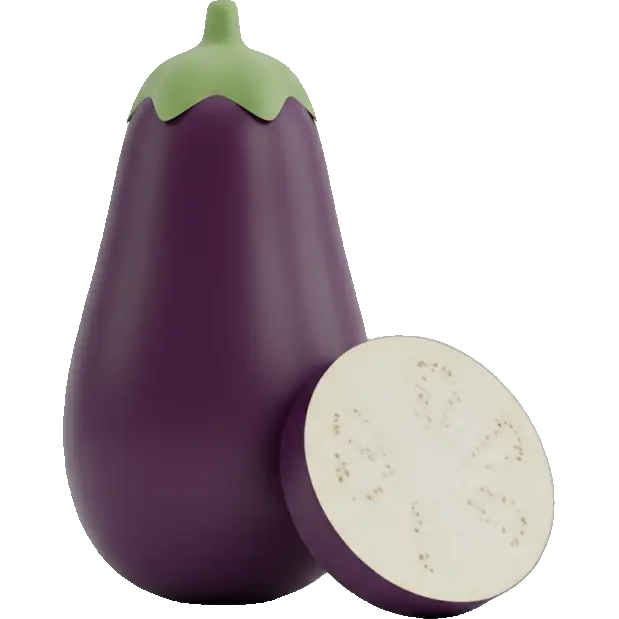
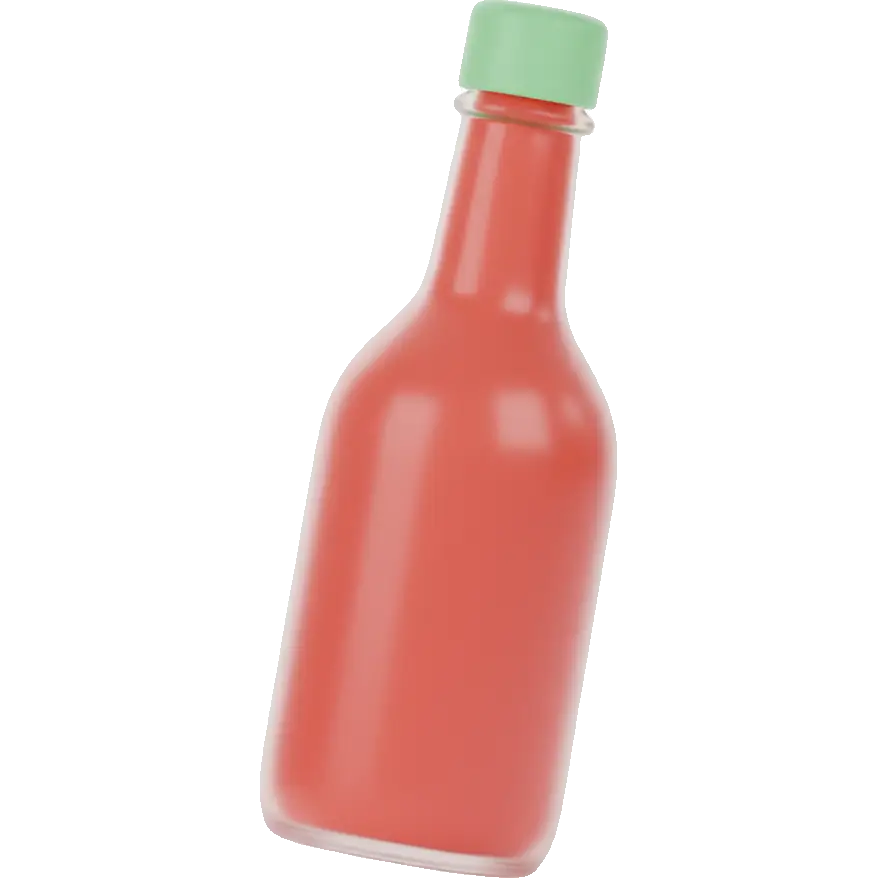
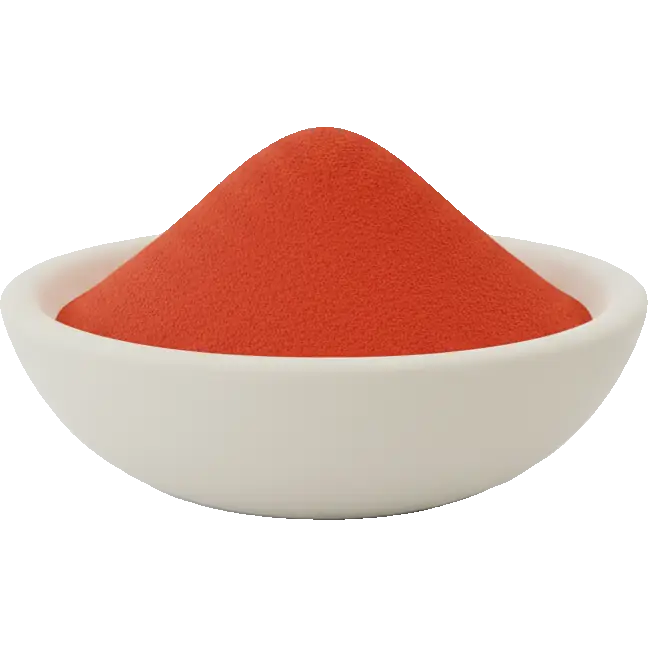
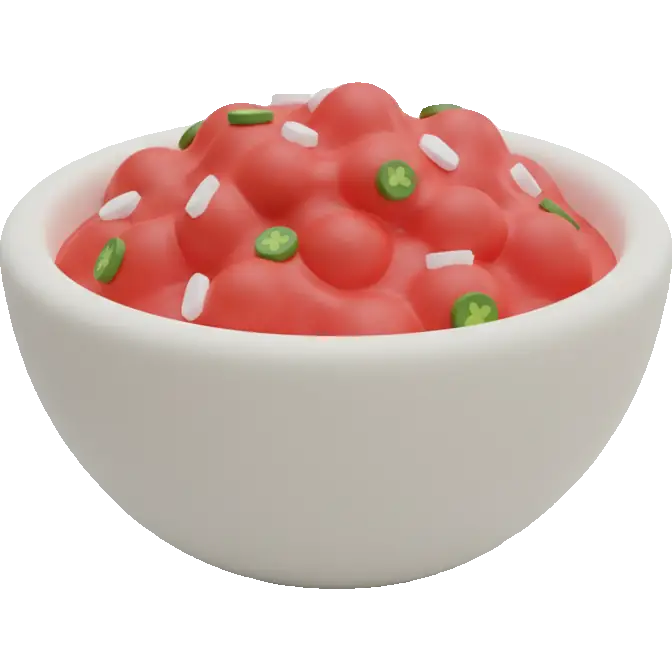

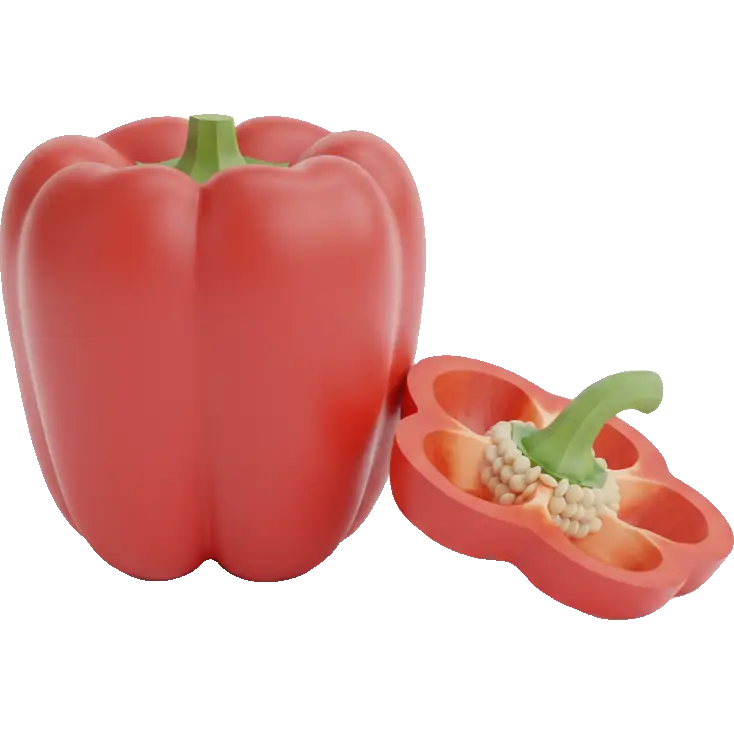
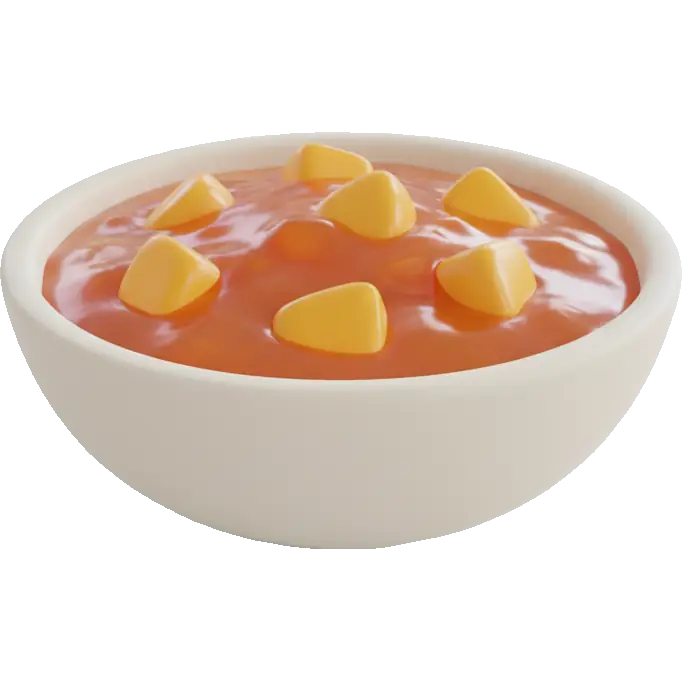
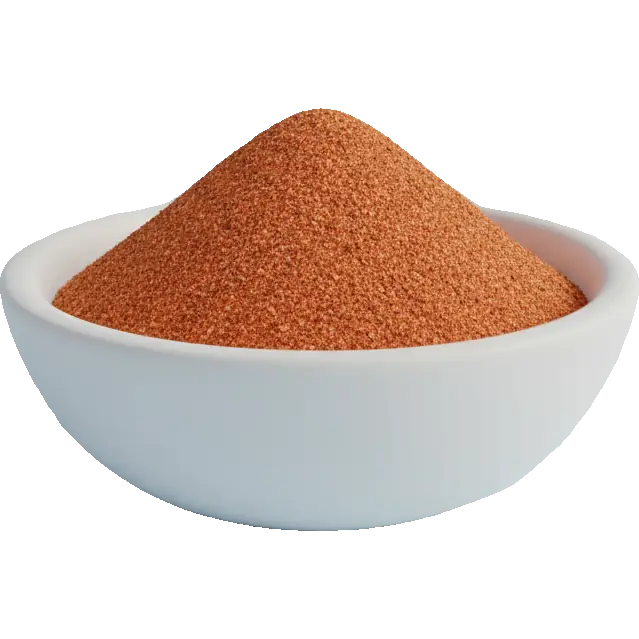
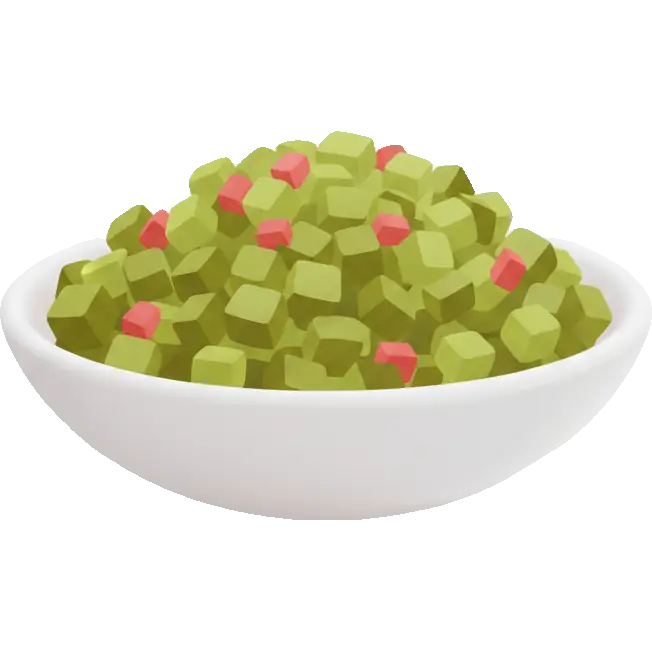
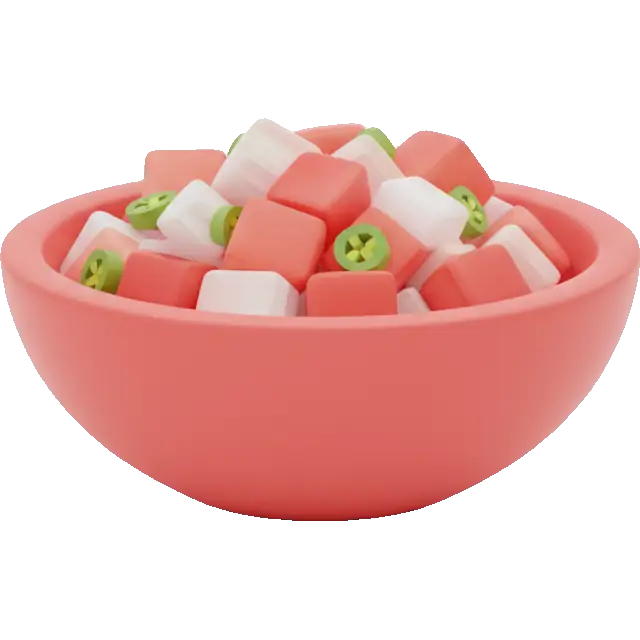
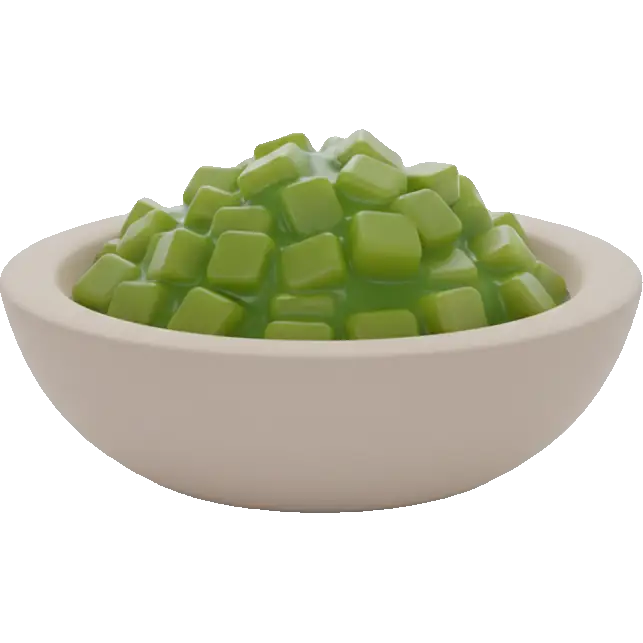
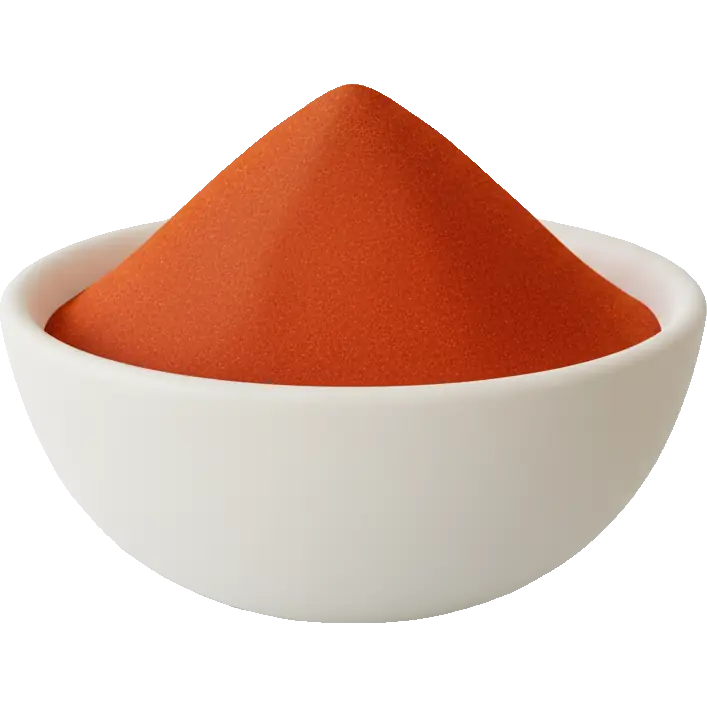
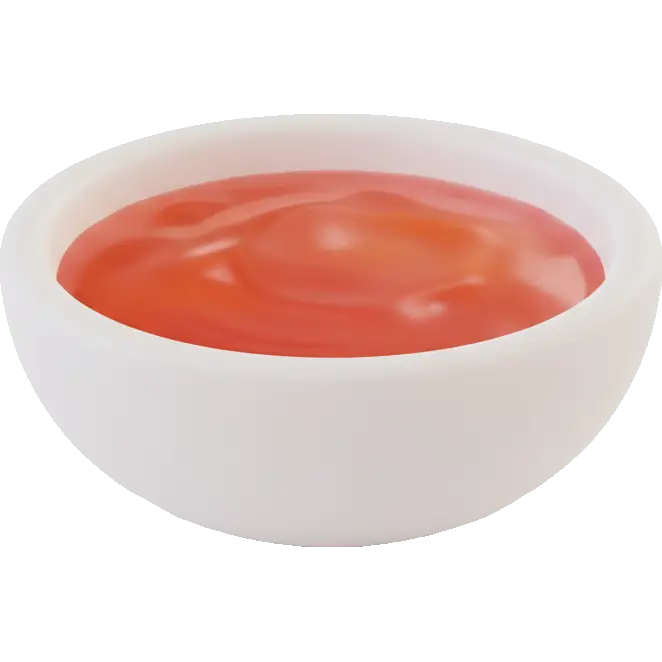
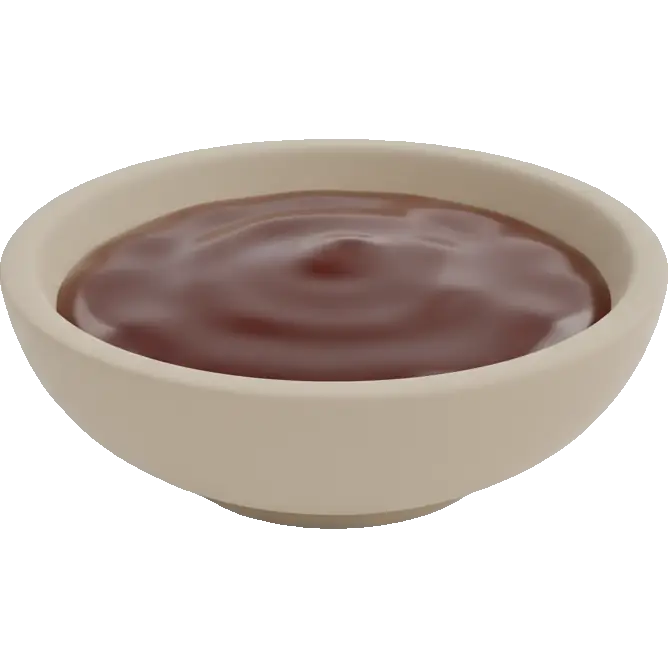

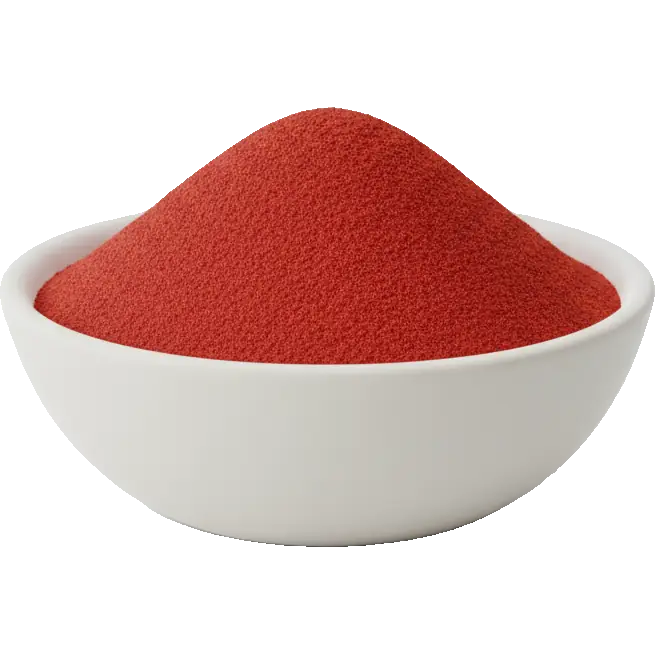
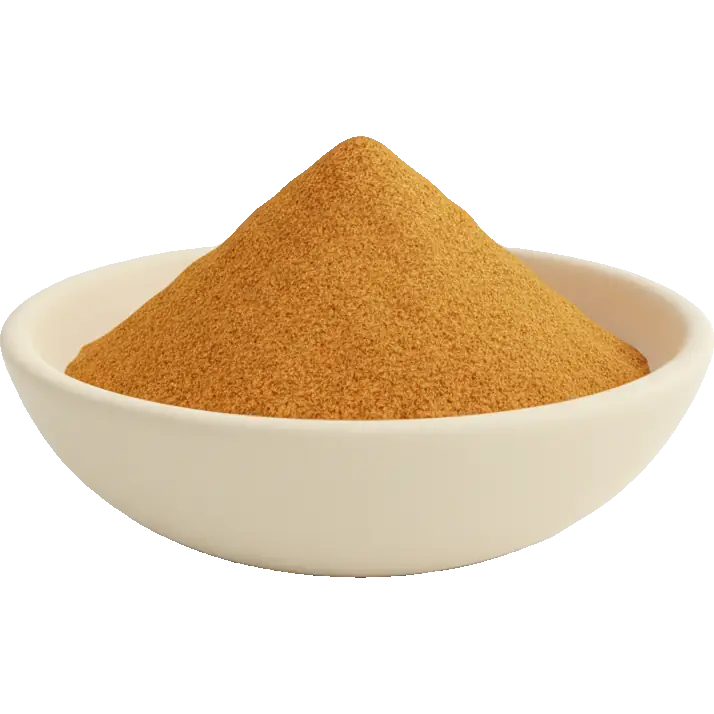
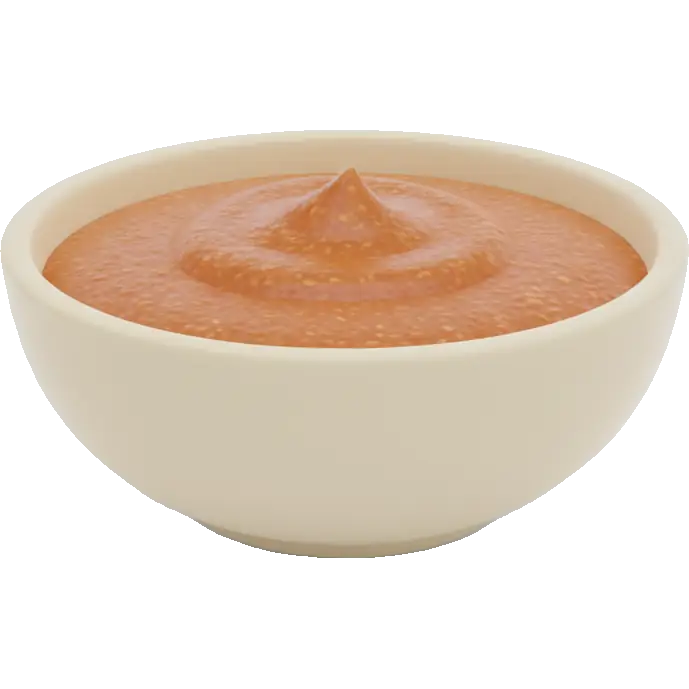
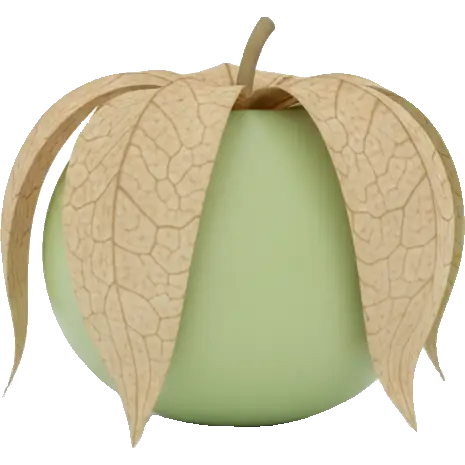
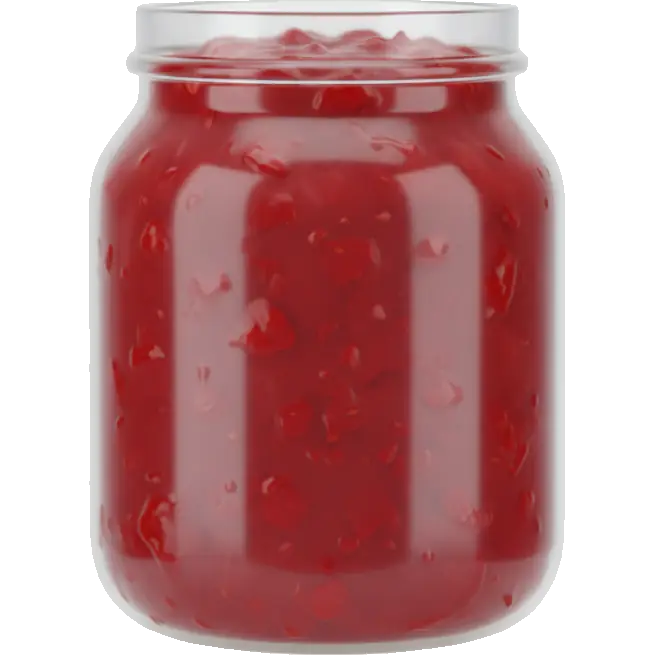
A common point of confusion: black and white pepper are not nightshades. Peppercorns come from an entirely unrelated plant family - it's only capsicum peppers (bell and chilli) that are Solanaceae. The thread through the real list is potato, tomato, peppers, eggplant and the sauces and spice blends made from them.
A balanced way to think about it
If you suspect nightshades affect you, the sensible approach is the same as for any contested trigger: test it on yourself. Nightshades are healthy foods for the great majority of people, and cutting four nutritious vegetable groups on the strength of an internet list has a real cost.
Finding your pattern
The honest way to know is to track: which nightshade foods you ate, how much, the symptoms that followed and their timing, and whether removing them and reintroducing them changes anything for you.
Where Triggerbites fits in
This list comes straight from the food data inside Triggerbites, which tags every ingredient for nightshade content alongside 40+ other trigger criteria.
So instead of guessing from a generic list, you can log your meals and symptoms, see whether nightshades correlate with how you feel, and run a proper remove-and-reintroduce test on your own evidence.
It takes seconds a day, and it replaces a scary word with your own data.






Triggerbites Features
- Log your day in 30 seconds: Text, voice or photo. Log as you go, or recap it all in the evening.
- Your food, broken down: Meals become ingredients and sensitivity profiles: histamine, salicylates, FODMAPs, allergens, and even the additives on packaged food.
- Everything in the same journal: Symptoms, supplements, sleep, stress, exercise and mood, beside what you ate.
- See what repeats over time: Patterns between what you eat and how you feel, including delayed reactions that show up days later.
For related pieces, see how to find your food triggers and food intolerance tests: what works and what doesn't.
Live, love, log. 🧡
References
 WebMD
WebMDArticle References and Citations
- WebMD: "Nightshade Vegetables: What They Are and Who Should Avoid Them" - https://www.webmd.com/diet/what-to-know-about-nightshade-vegetables
- GoodRx Health: "What Are Nightshade Vegetables and Should You Avoid Them?" - https://www.goodrx.com/well-being/diet-nutrition/nightshade-vegetables