High-salicylate foods: the complete list
A natural plant-defence chemical, concentrated in herbs, spices and certain fruits - here's the full list, and why it's a load.
Salicylate sensitivity is one of the hardest food reactions to pin down, for one simple reason: salicylates are everywhere in the plant kingdom, in wildly varying amounts. The load is spread across hundreds of foods.
So if salicylates are something you're trying to manage, a clear, complete list helps. Here it is, and the idea that makes it usable: salicylates work as a load you accumulate across a day.
What salicylates are
Salicylates are natural chemicals that plants produce as part of their defence system - protection against insects, fungi and disease.2
Because they're a plant defence compound, they're concentrated where a plant most needs defending: in herbs and spices above all, then in many fruits, and in some vegetables. Meat, fish, dairy, eggs and plain grains contain very little.2 The active ingredient in aspirin - acetylsalicylic acid - belongs to the very same chemical family, which is why the two are related.
Reactions to salicylates are pharmacological, with no immune system involved: the chemical acts on the body's biochemistry directly, shifting the balance of inflammatory mediators.1 (We cover the mechanism in salicylate sensitivity explained.)
The high-salicylate foods
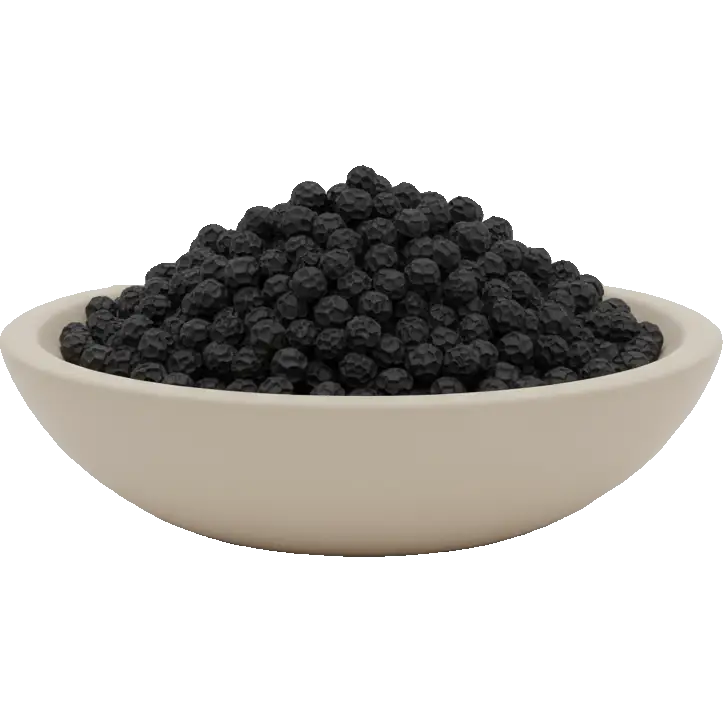
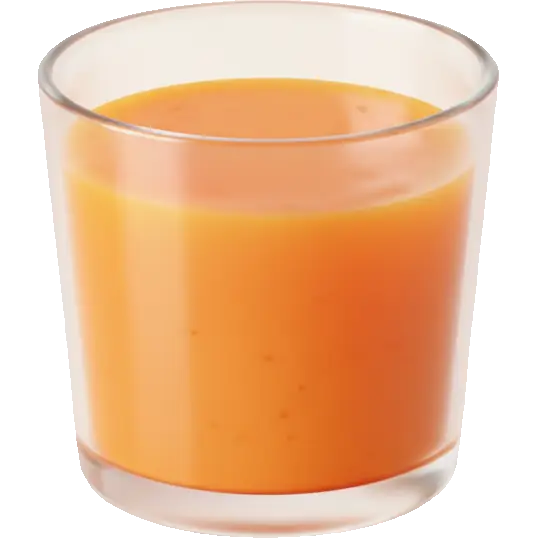
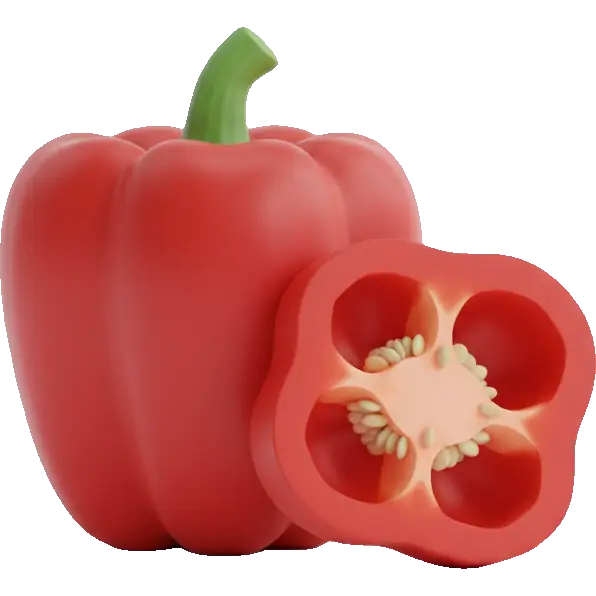
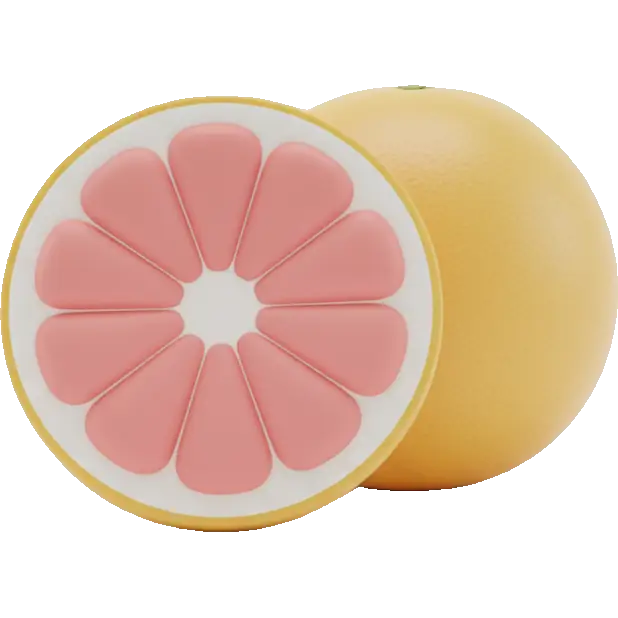
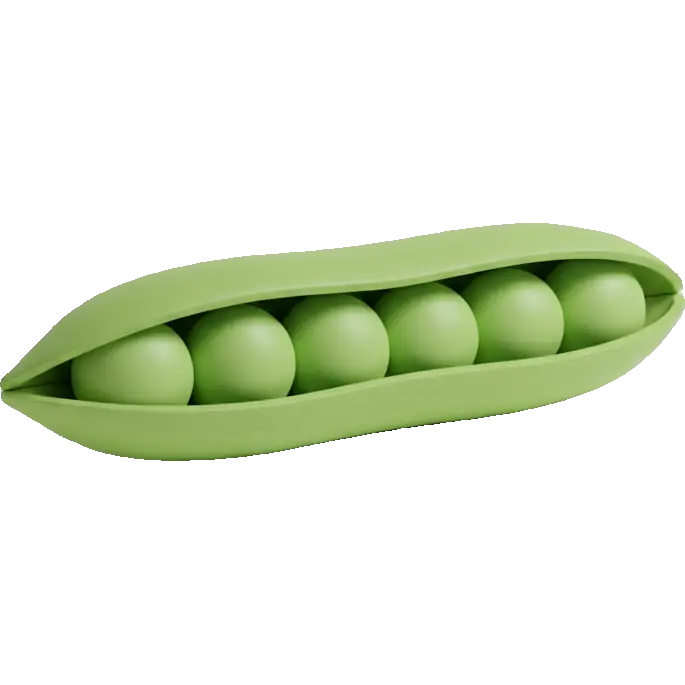
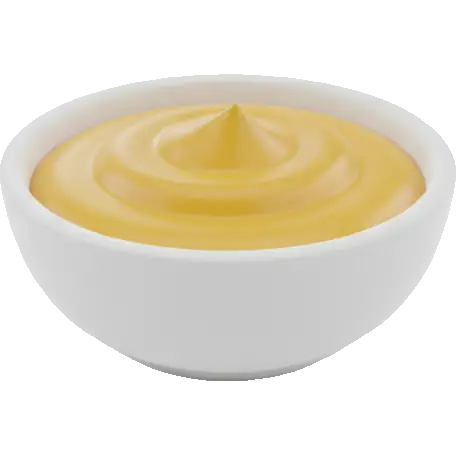
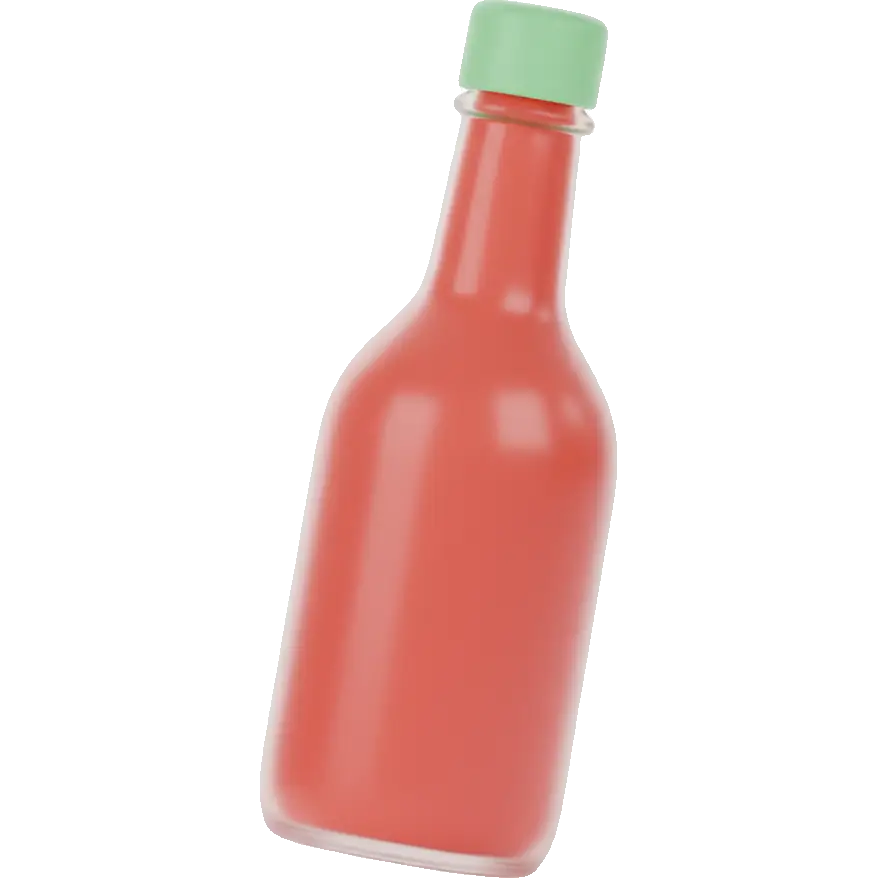
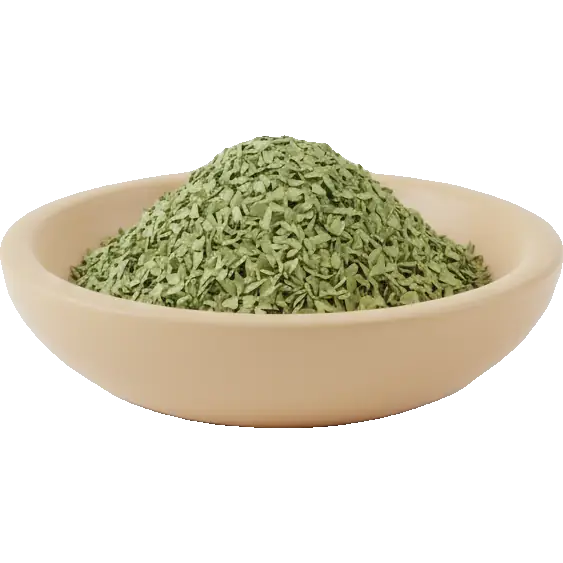
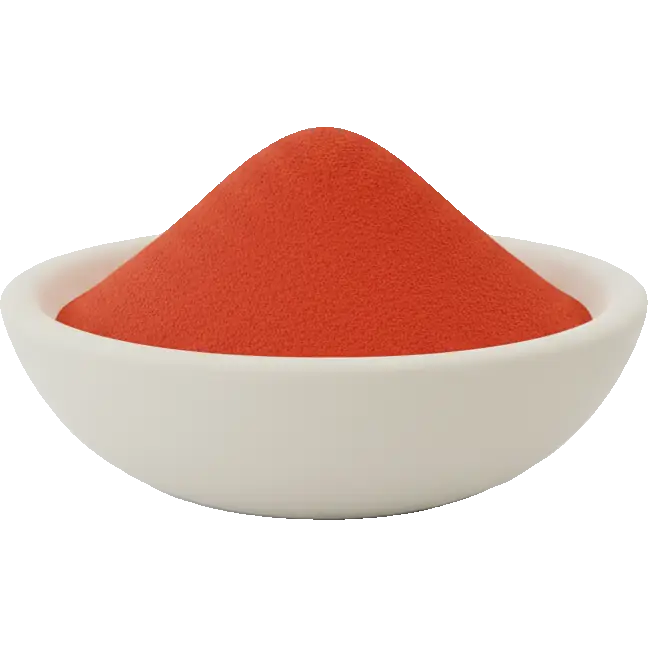
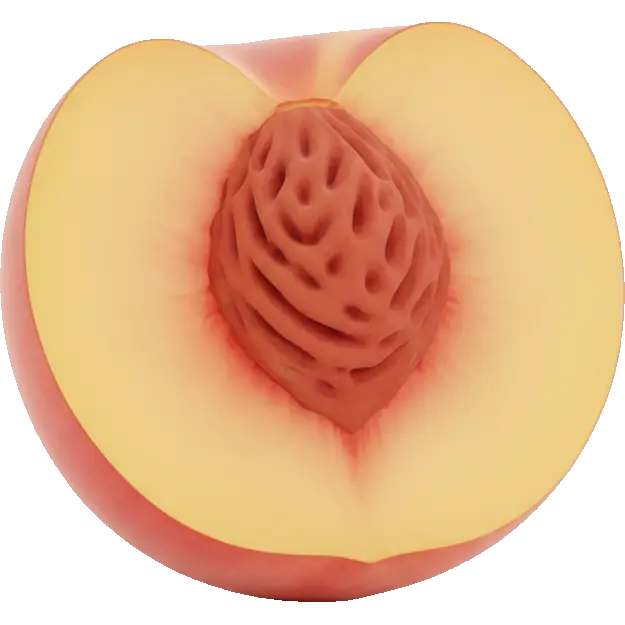
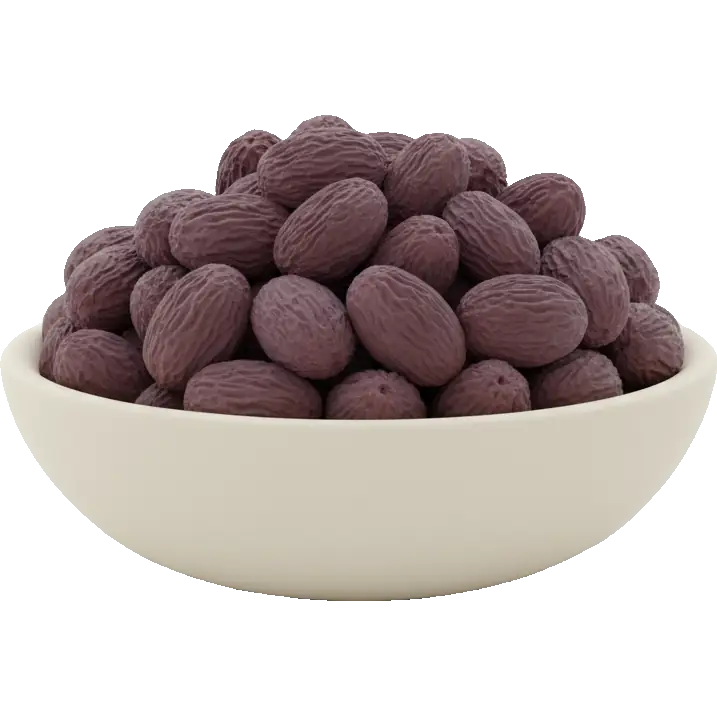
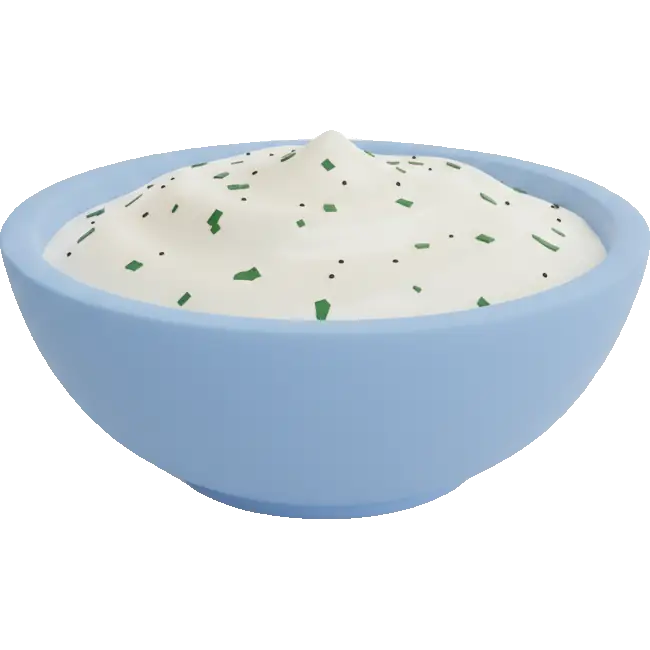
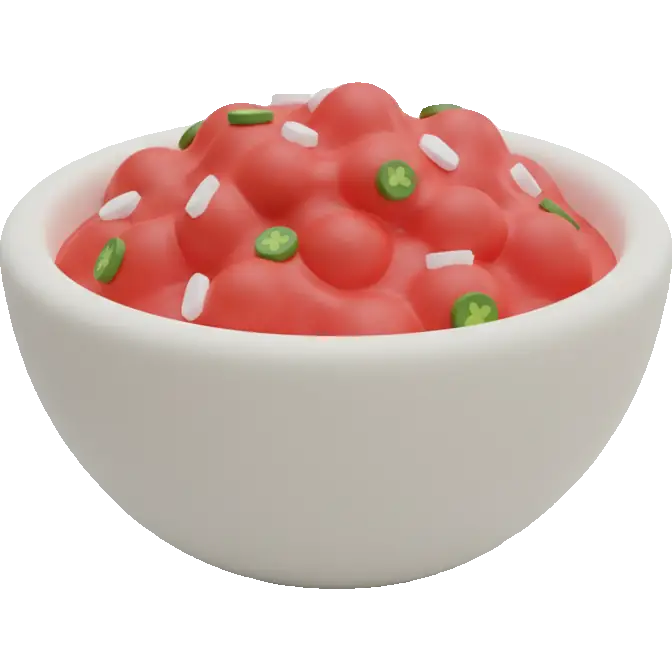
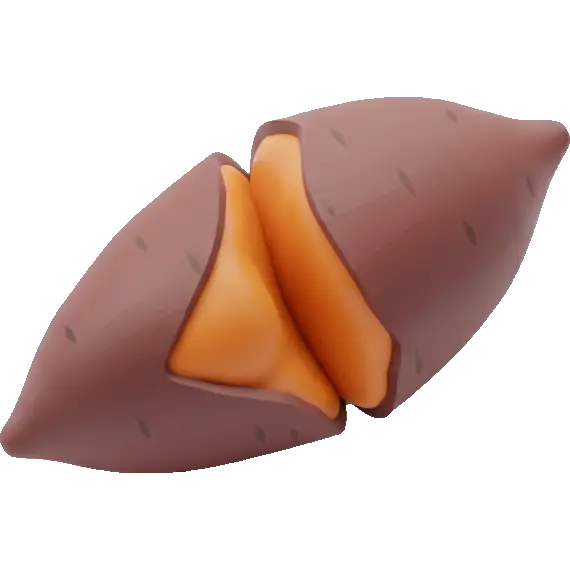
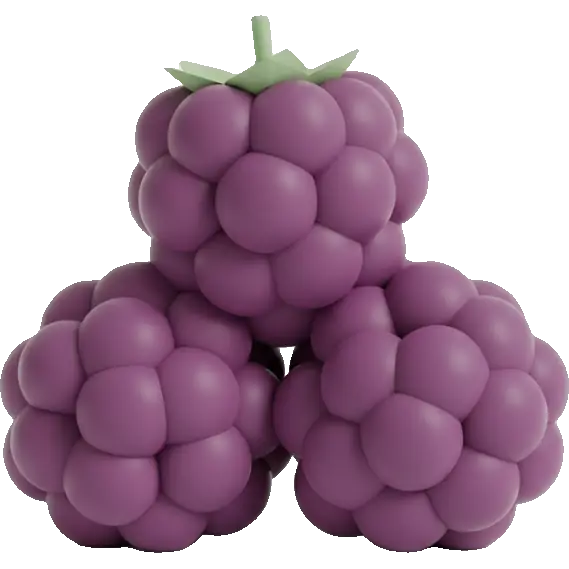
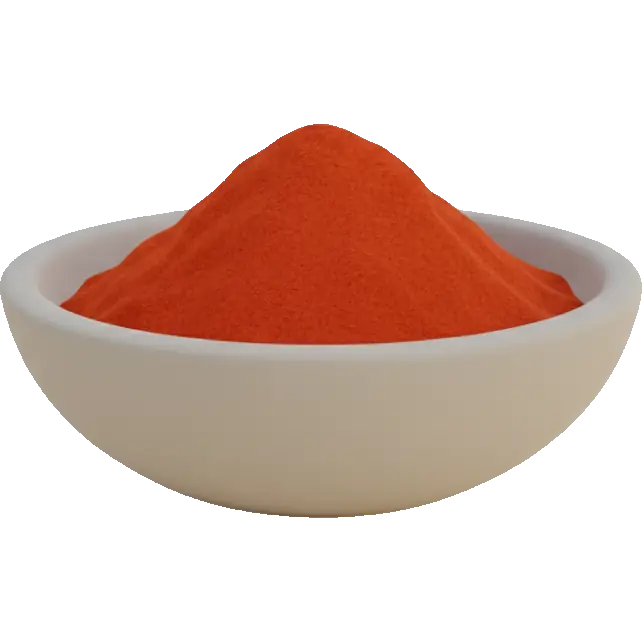
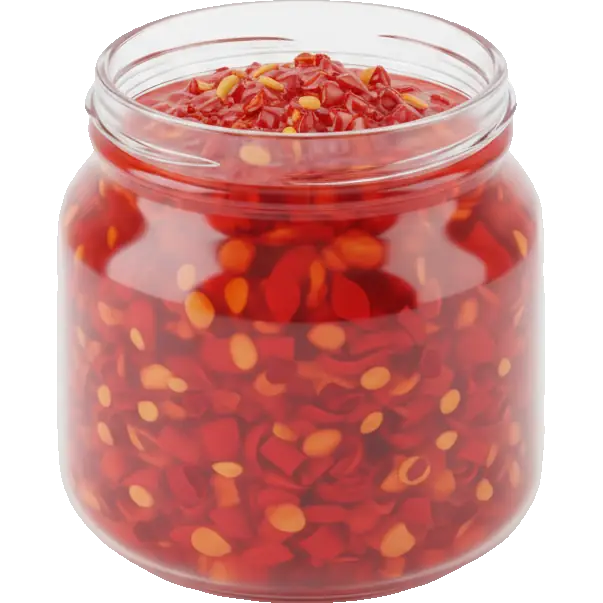
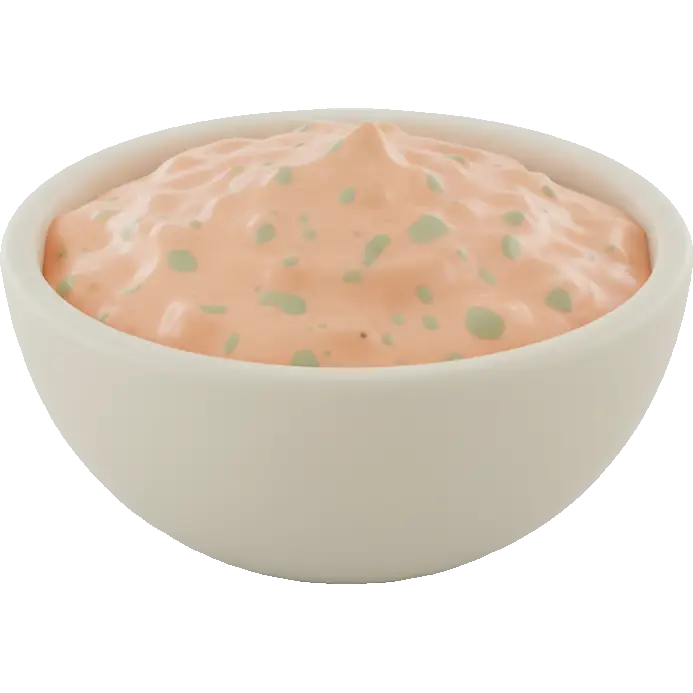
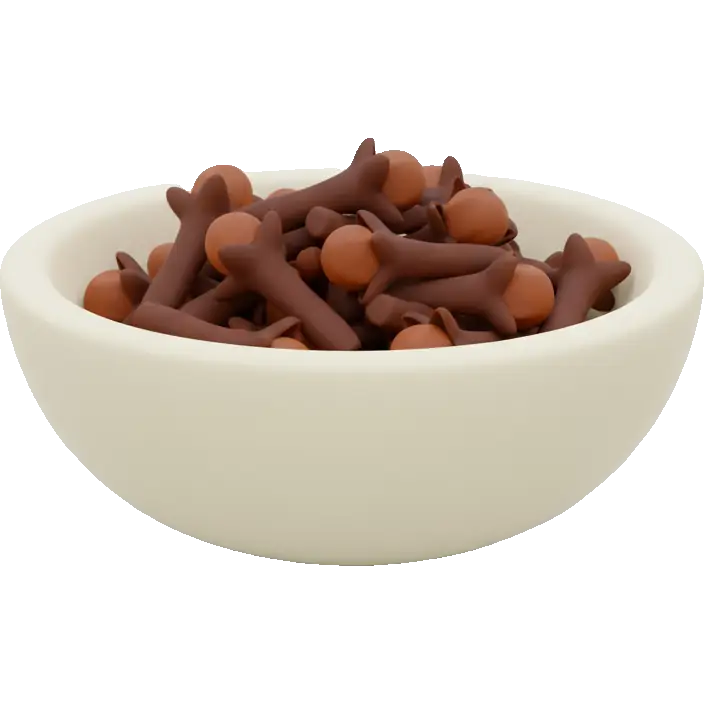
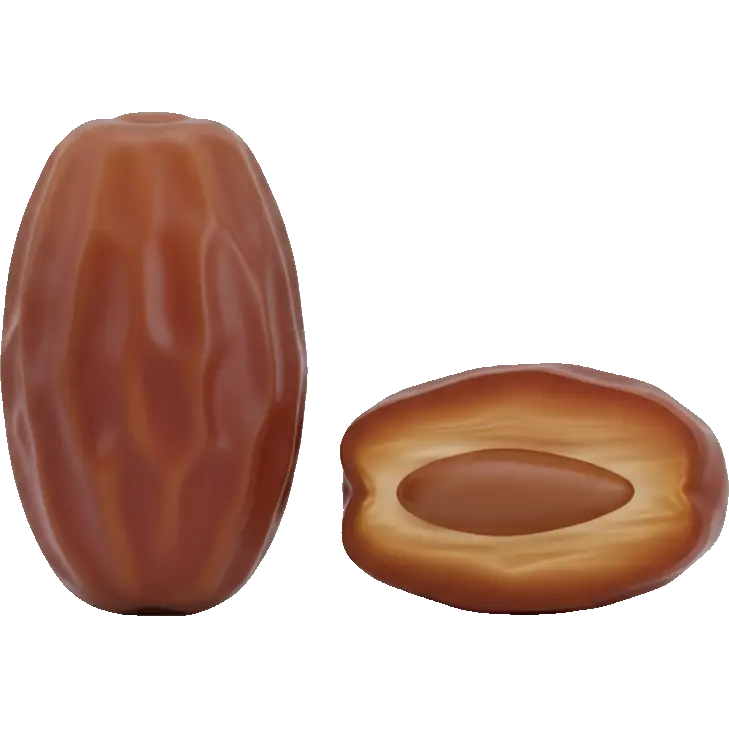
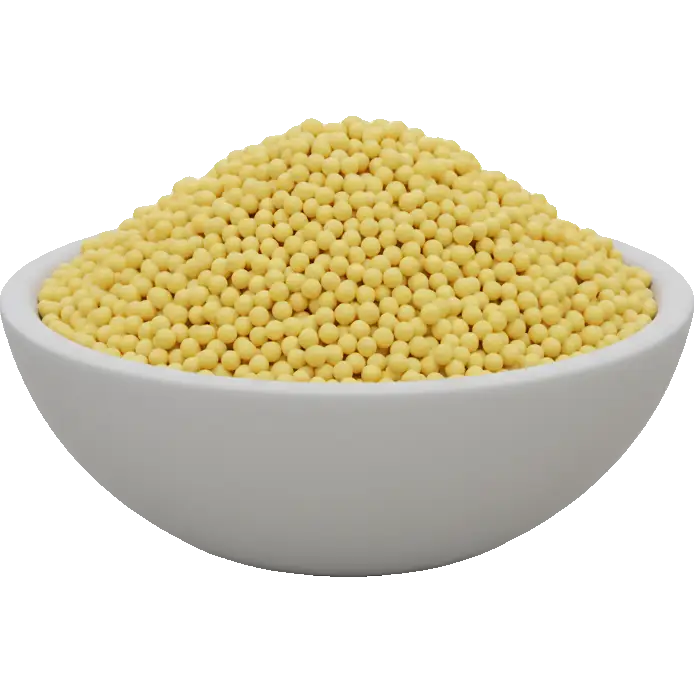
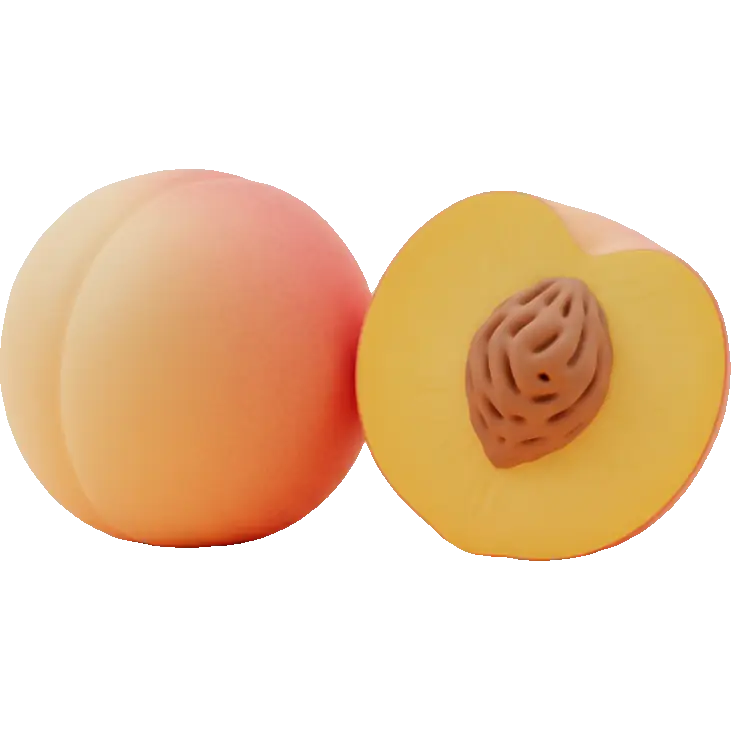
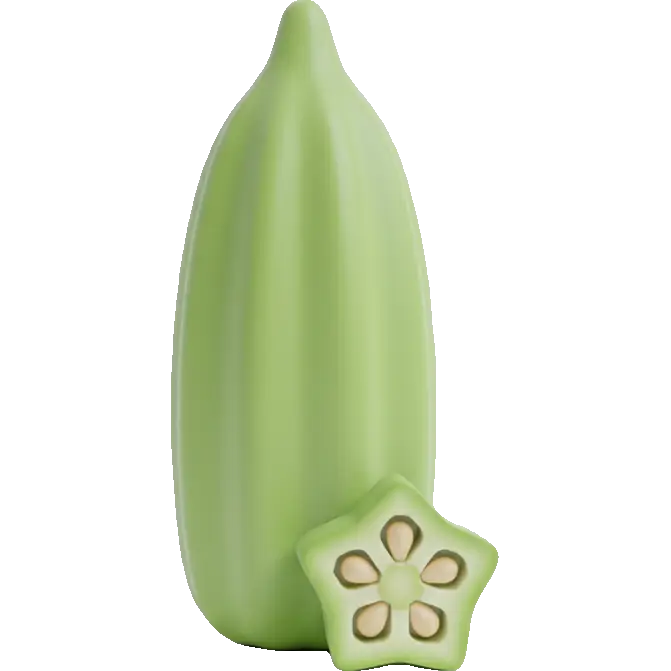
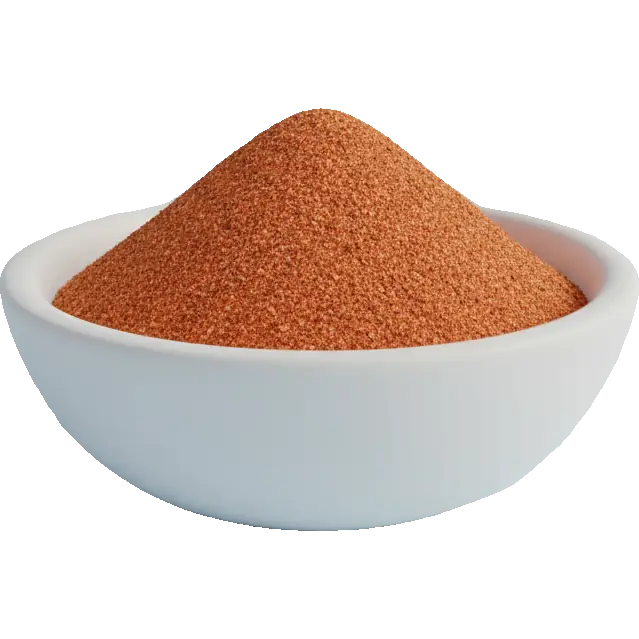
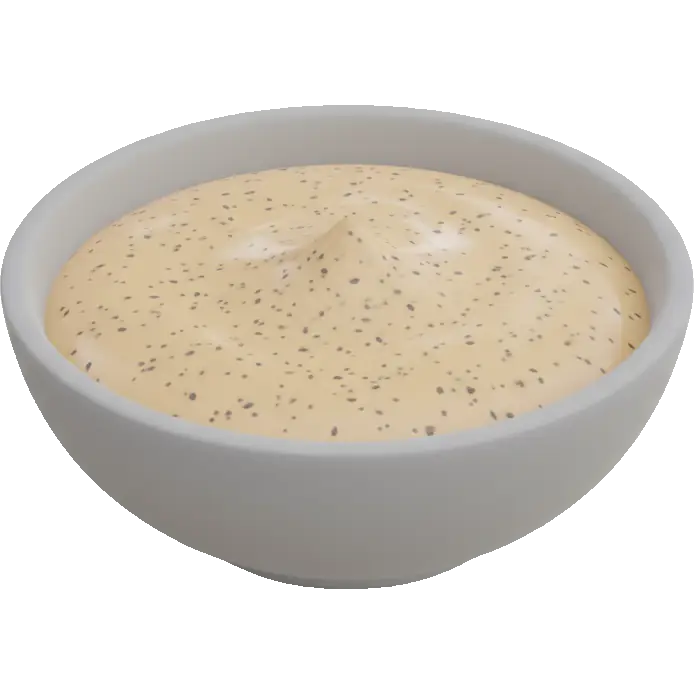
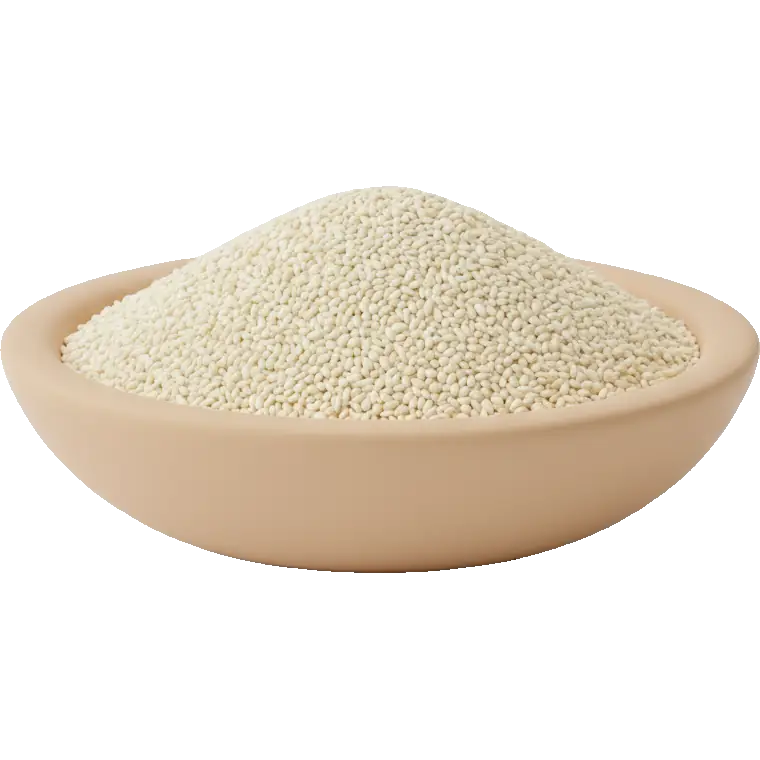
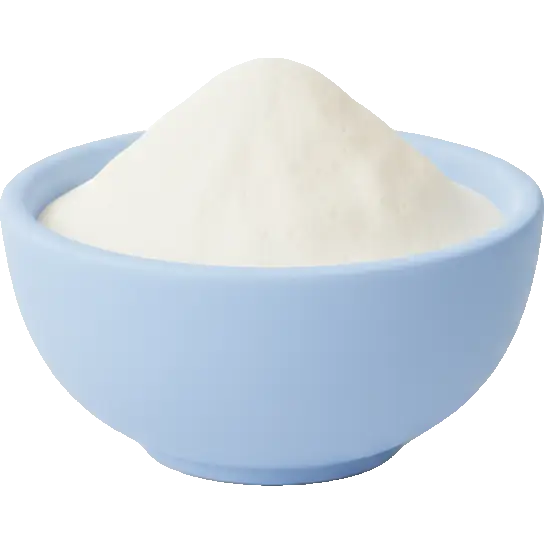
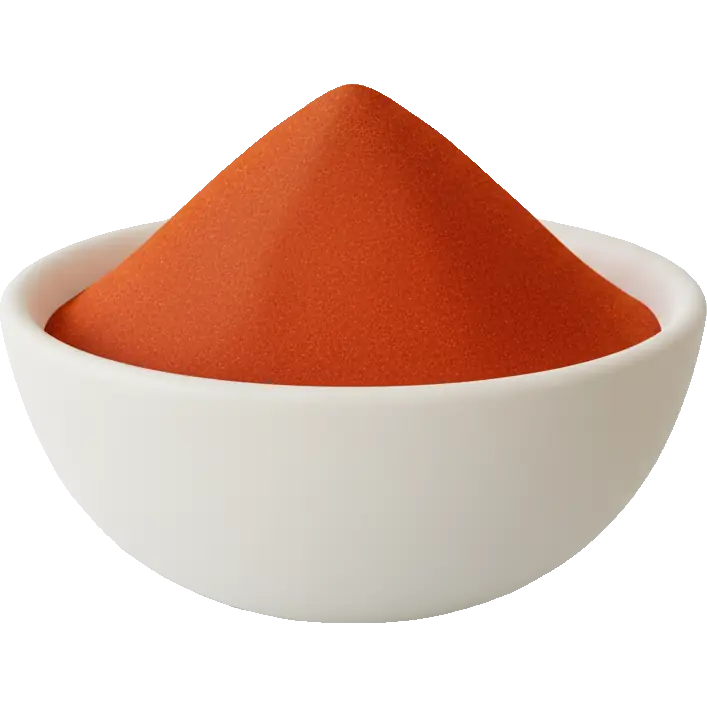
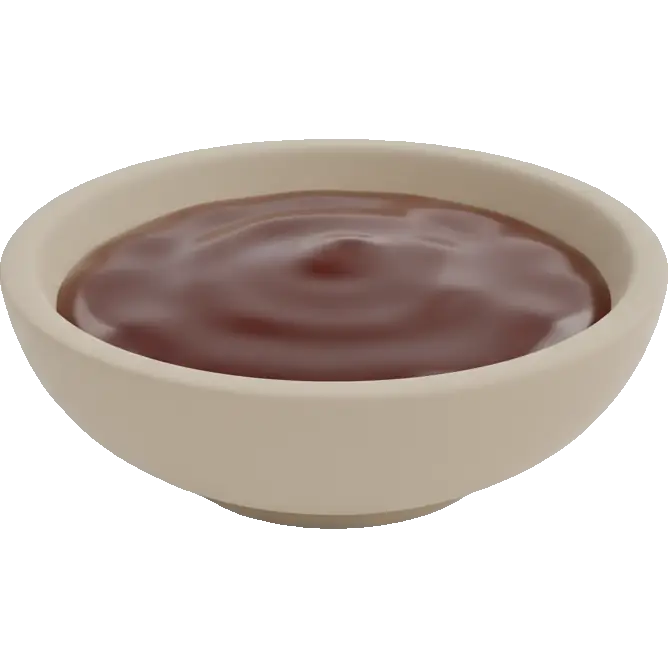
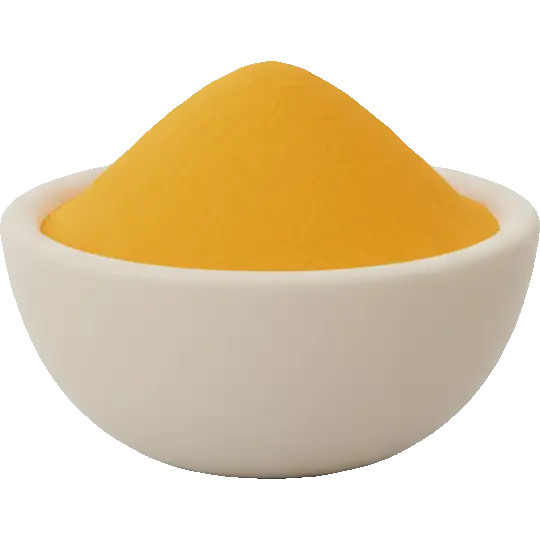
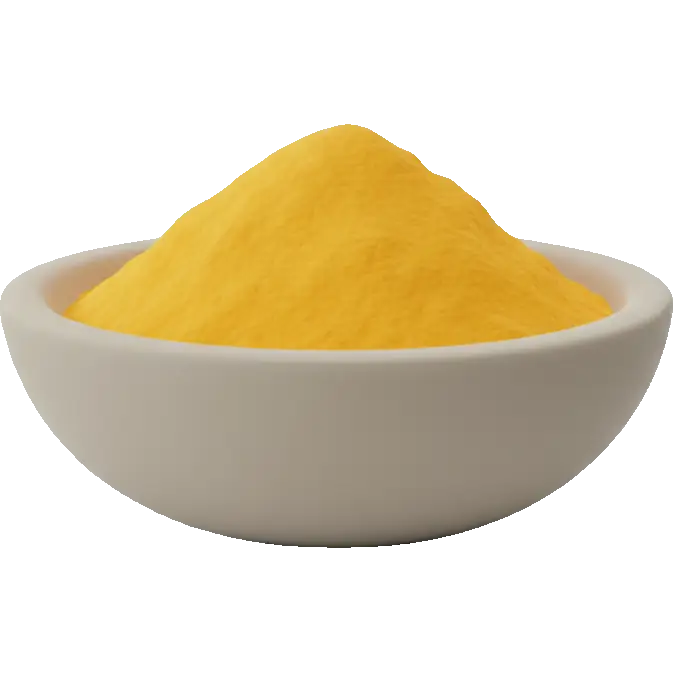
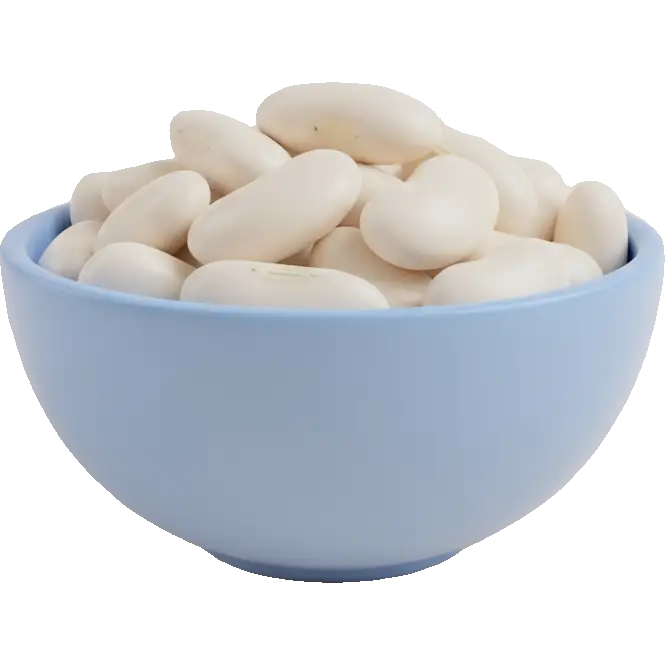
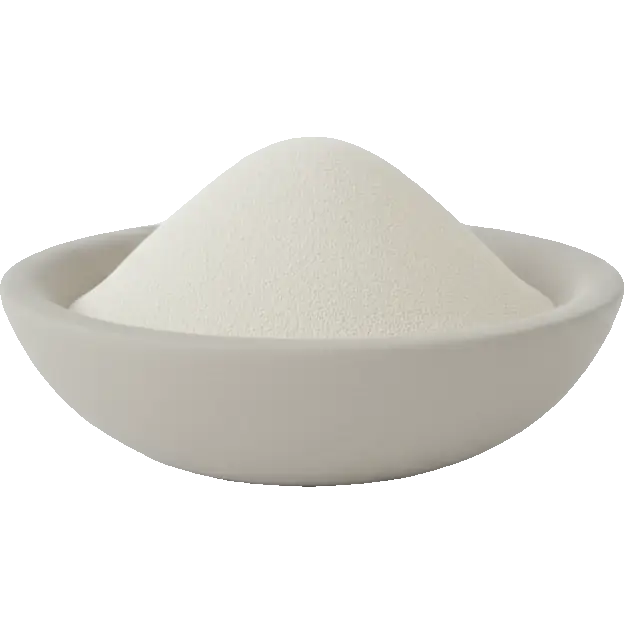
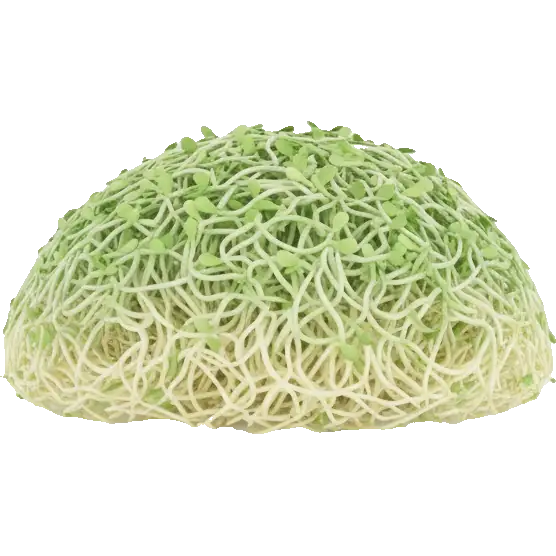
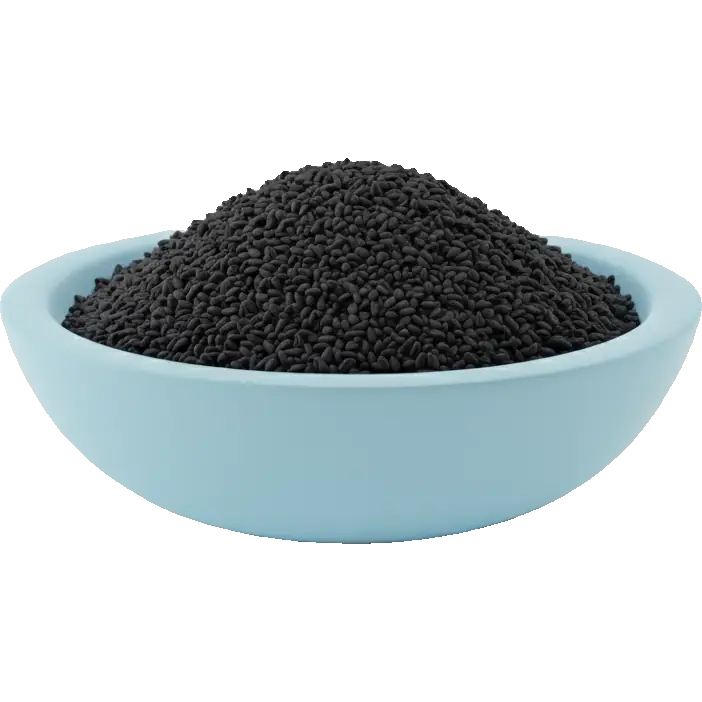
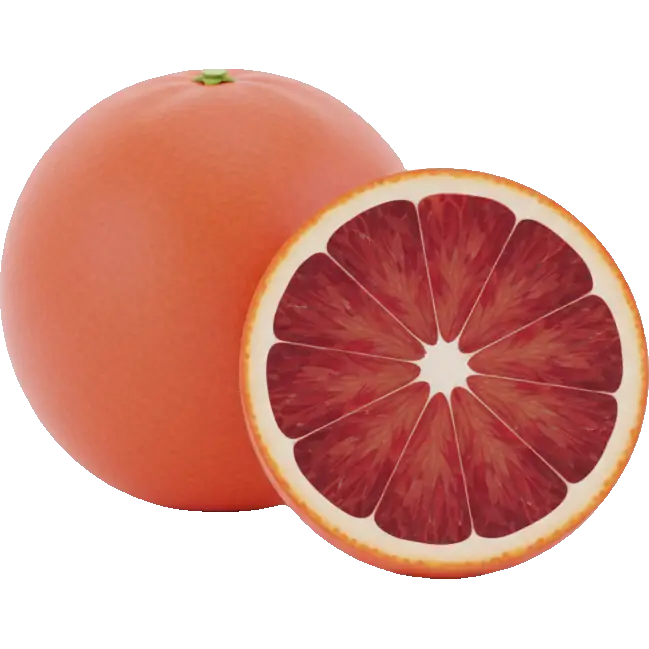
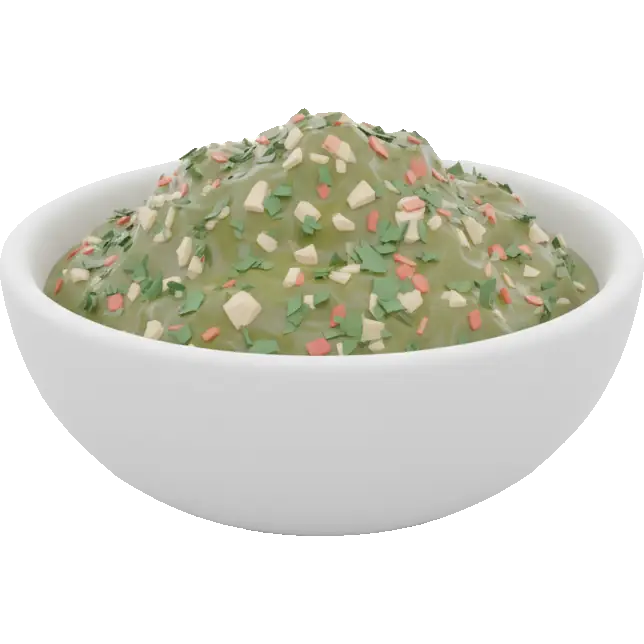
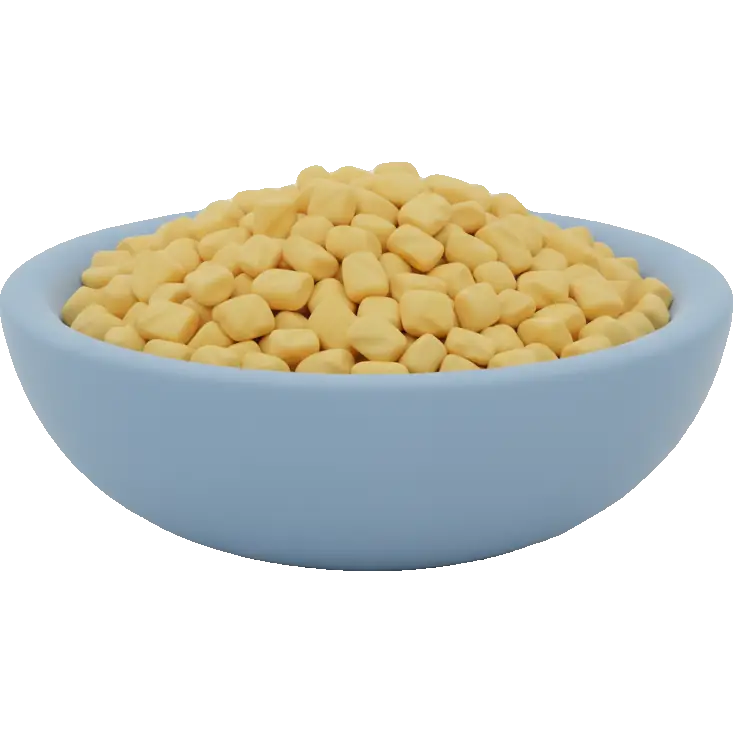
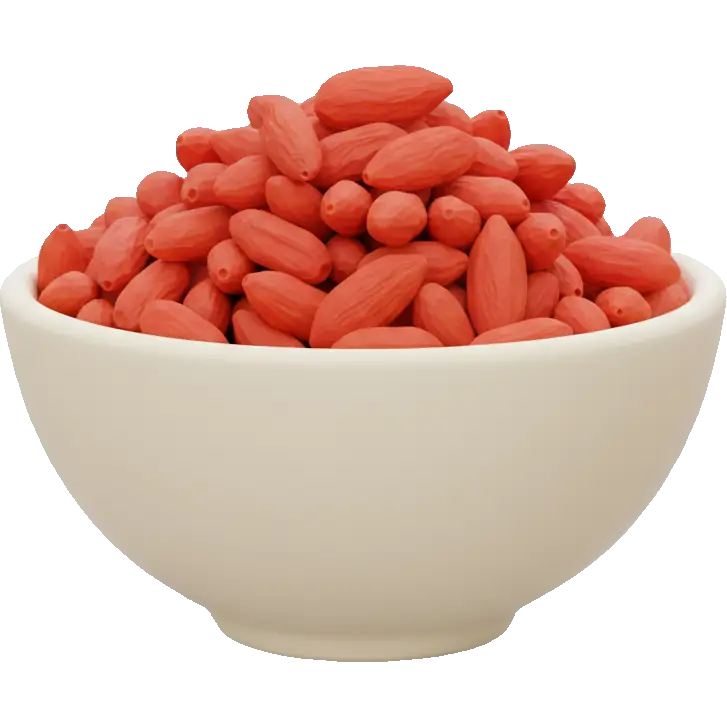
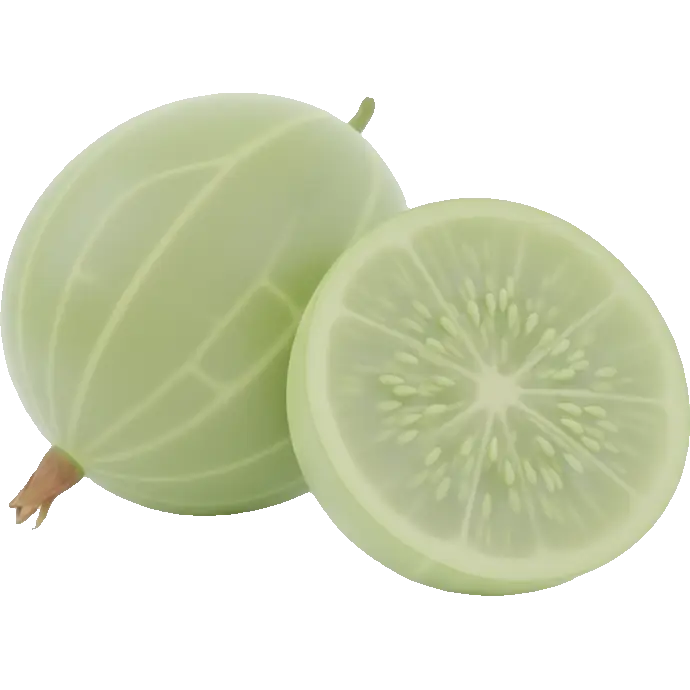
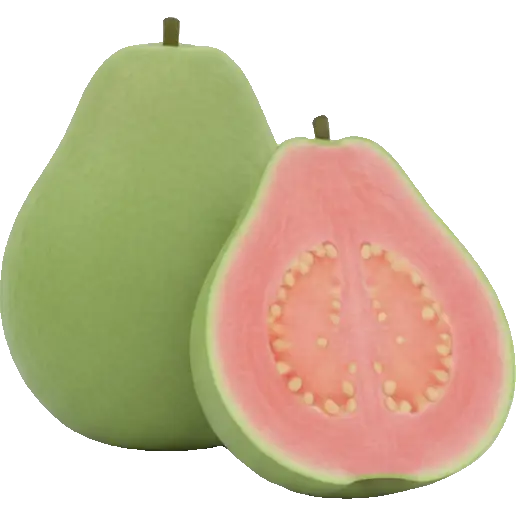
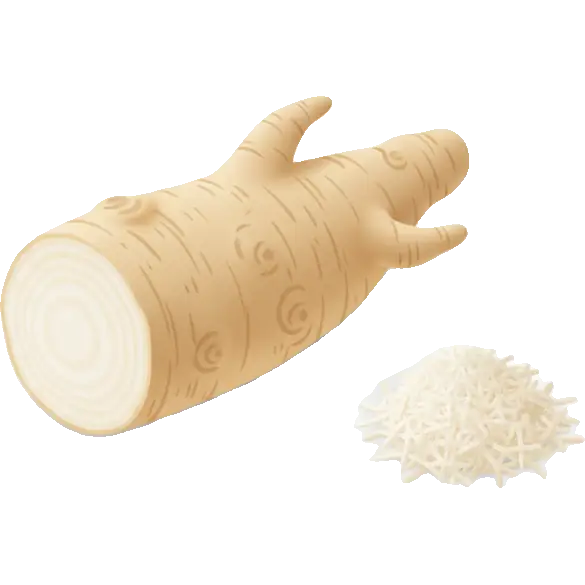
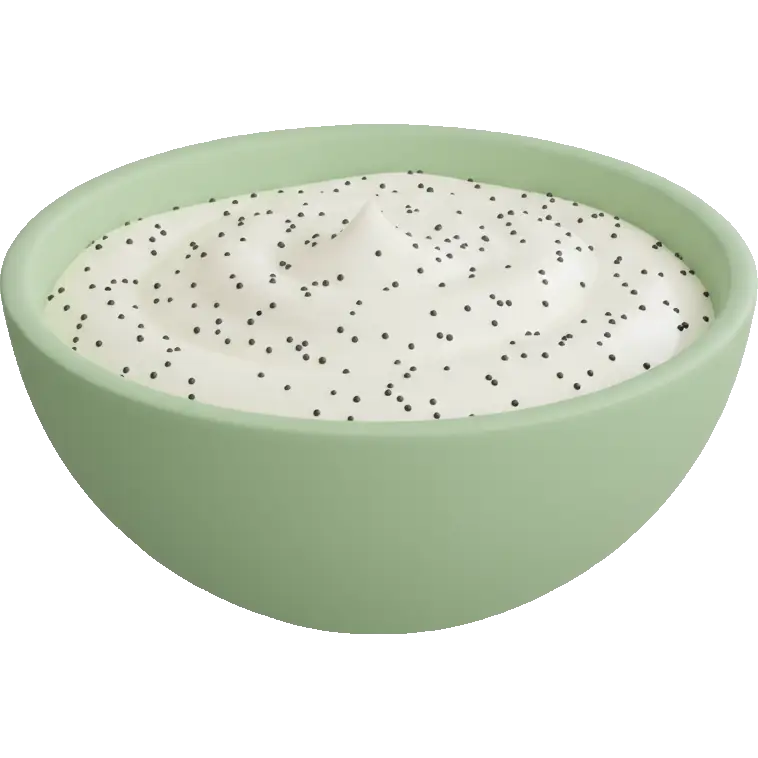
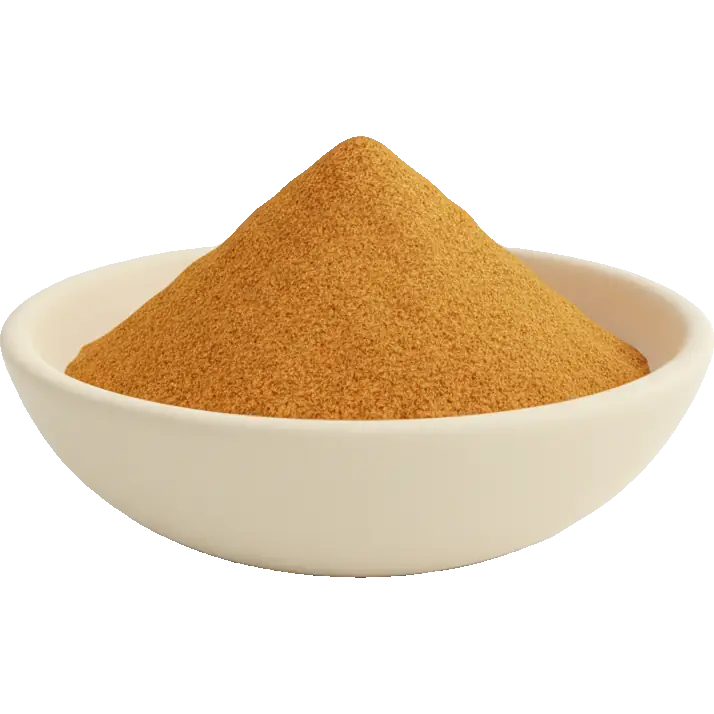
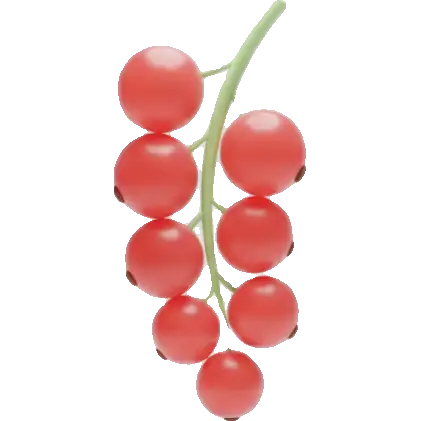
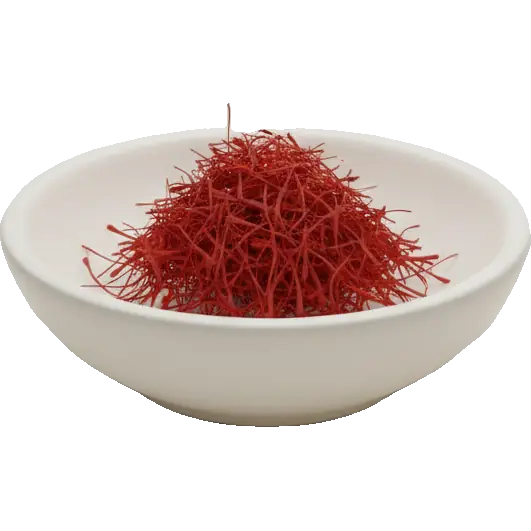
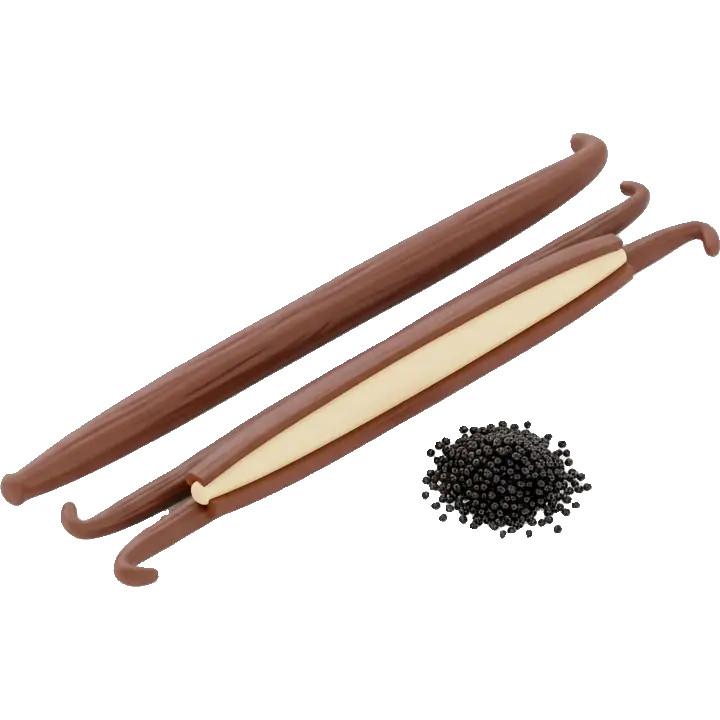
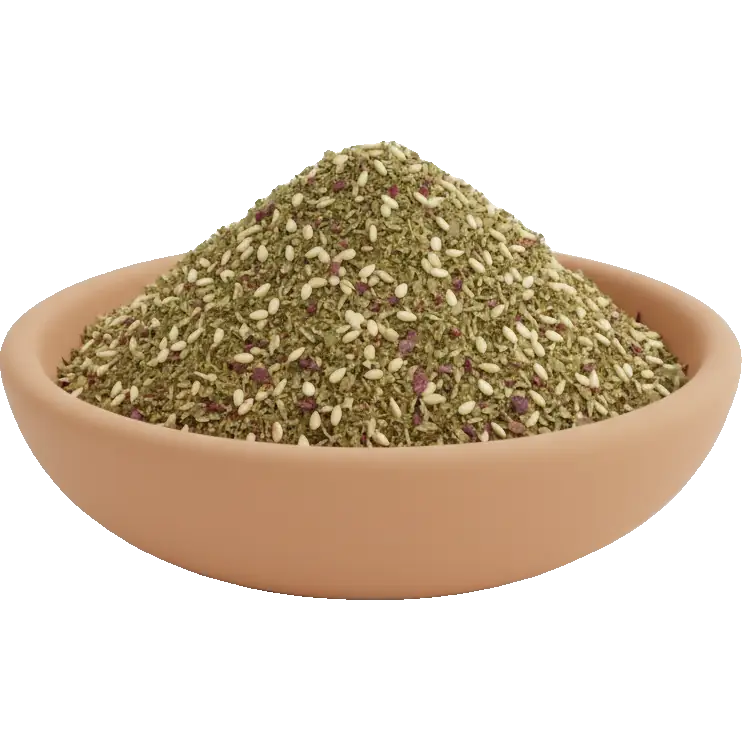
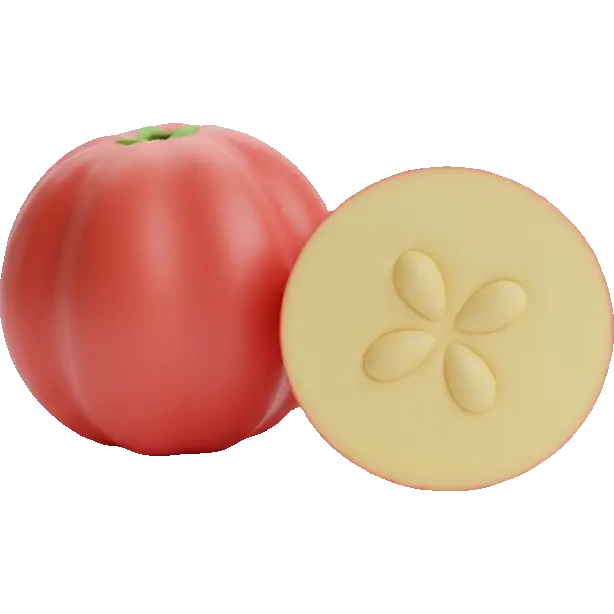
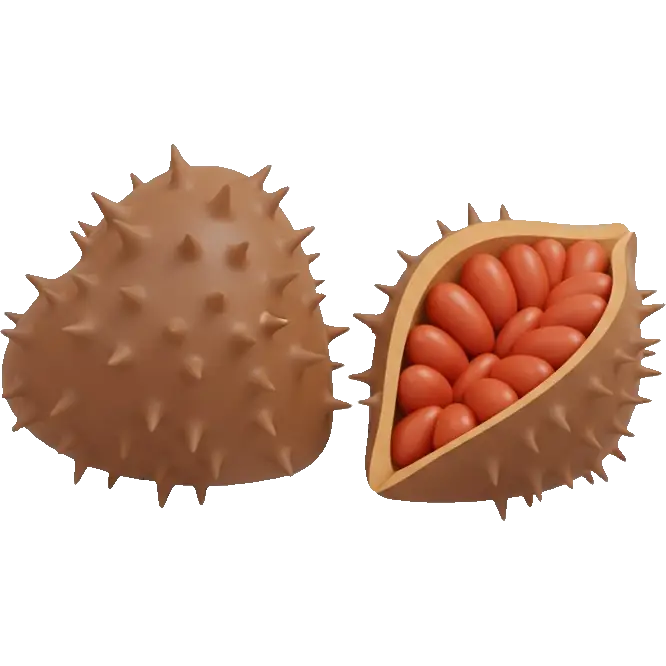
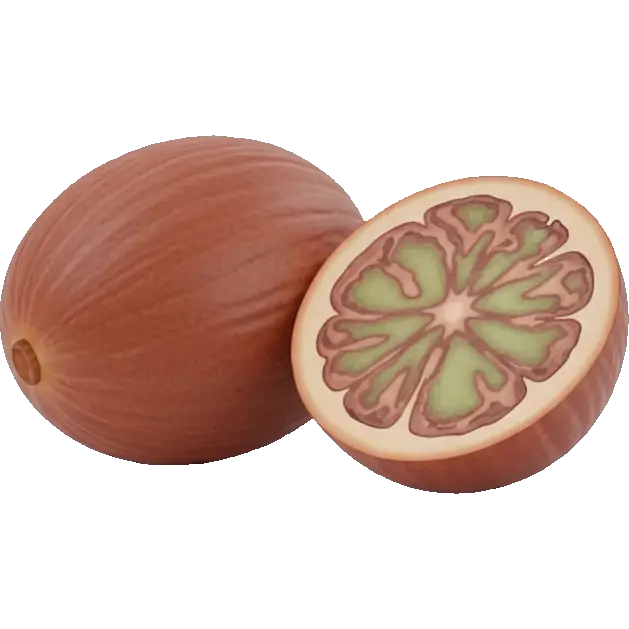
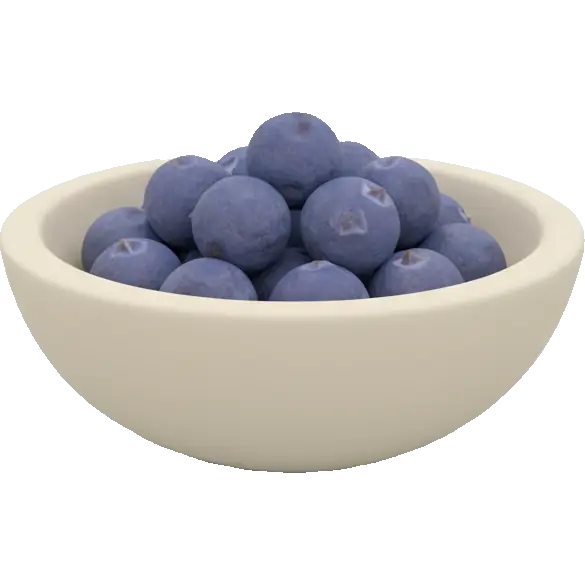
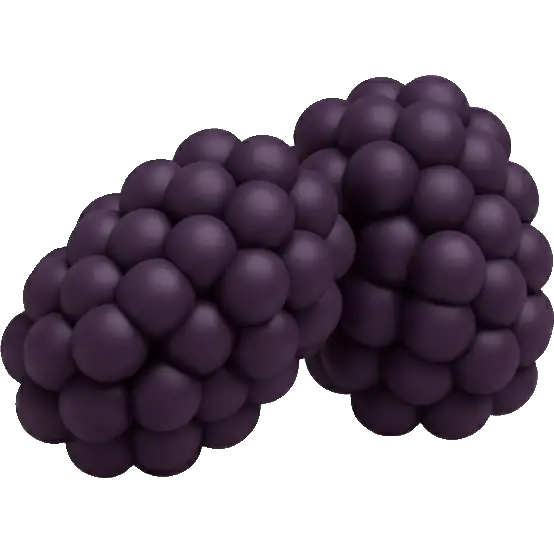
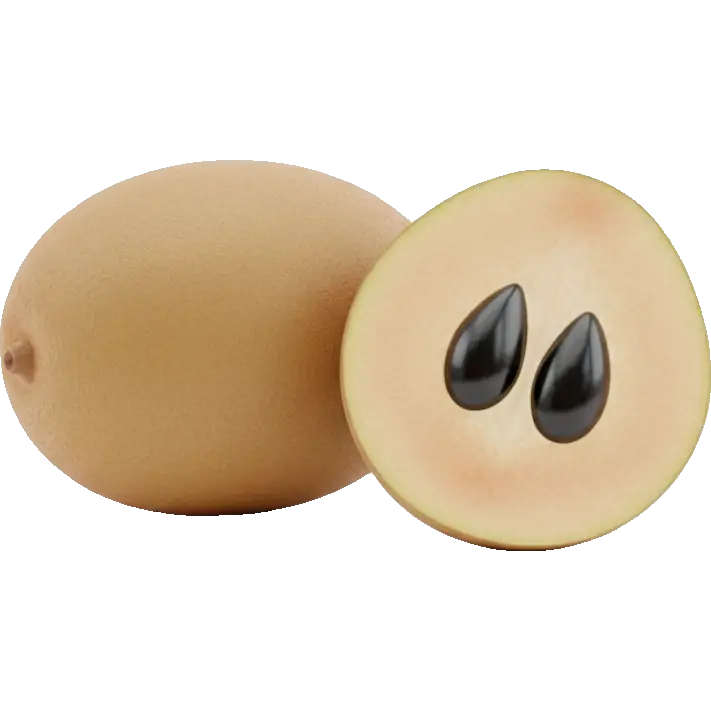
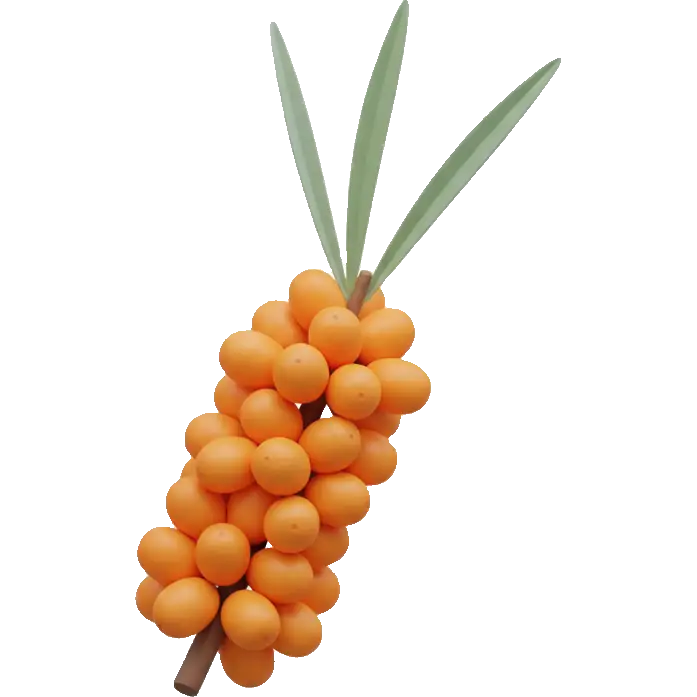
Below is the full list of foods that carry a meaningful salicylate load - drawn directly from the Triggerbites ingredient database. Notice how heavily it leans on herbs and spices.

























































































































It's a cumulative load
The trigger is rarely one food, and far more often the total across a day.
Salicylate sensitivity behaves as a threshold effect: a herb-heavy dressing, berries, tomato, a cup of tea and a glass of wine each contribute a little, and it's the sum that can tip you over.3 That's also why single-food elimination so often fails to find it - the load is spread too thinly across too many foods to pin on any one.
It's worth being clear on the evidence, too: the reaction to aspirin and NSAIDs is well established, while reacting to the much smaller amounts of salicylate naturally in food is a more debated, individual question.3 Either way, the job is managing a load, and over-restricting a list this large carries real nutritional cost.
Finding your pattern
Because salicylate is cumulative, the thing to track is the total salicylate load of a day, and how it lines up with how you felt.
Where Triggerbites fits in
This list comes straight from the food data inside Triggerbites, which tags every ingredient for salicylate load alongside 40+ other trigger criteria.
So when you log meals in plain language, Triggerbites extracts the ingredients, tags the salicylate content, and correlates the cumulative daily load with your symptoms across time windows. Instead of chasing one food, you see the pattern single-food elimination always misses.
It takes seconds a day, and it makes a thinly-spread trigger finally visible.






Triggerbites Features
- Log your day in 30 seconds: Text, voice or photo. Log as you go, or recap it all in the evening.
- Your food, broken down: Meals become ingredients and sensitivity profiles: histamine, salicylates, FODMAPs, allergens, and even the additives on packaged food.
- Everything in the same journal: Symptoms, supplements, sleep, stress, exercise and mood, beside what you ate.
- See what repeats over time: Patterns between what you eat and how you feel, including delayed reactions that show up days later.
For the science, see salicylate sensitivity explained and why your skin reacts to food.
Live, love, log. 🧡
References
- 1Deutsches Arzteblatt International (PMC) "Salicylate Intolerance: Pathophysiology, Clinical Spectrum, Diagnosis and Treatment", 2008PMC
- 2Malakar S, et al. "Bioactive food chemicals and gastrointestinal symptoms: a focus of salicylates" Journal of Gastroenterology and Hepatology, 2017Wiley Online Library
- 3Allergo Journal International "Dietary implications in acetylsalicylic acid intolerance", 2020Springer
 PMC
PMCArticle References and Citations
- Deutsches Arzteblatt International (PMC): "Salicylate Intolerance: Pathophysiology, Clinical Spectrum, Diagnosis and Treatment", 2008 - https://www.ncbi.nlm.nih.gov/pmc/articles/PMC2696737/
- Malakar S, et al.: "Bioactive food chemicals and gastrointestinal symptoms: a focus of salicylates", Journal of Gastroenterology and Hepatology, 2017 - https://onlinelibrary.wiley.com/doi/10.1111/jgh.13702
- Allergo Journal International: "Dietary implications in acetylsalicylic acid intolerance", 2020 - https://link.springer.com/article/10.1007/s40629-020-00125-7