High-fructan foods: the complete list, and why bread is on it
The FODMAP group that catches most people out, and the reason a gluten-free loaf often helps when gluten was never the problem.
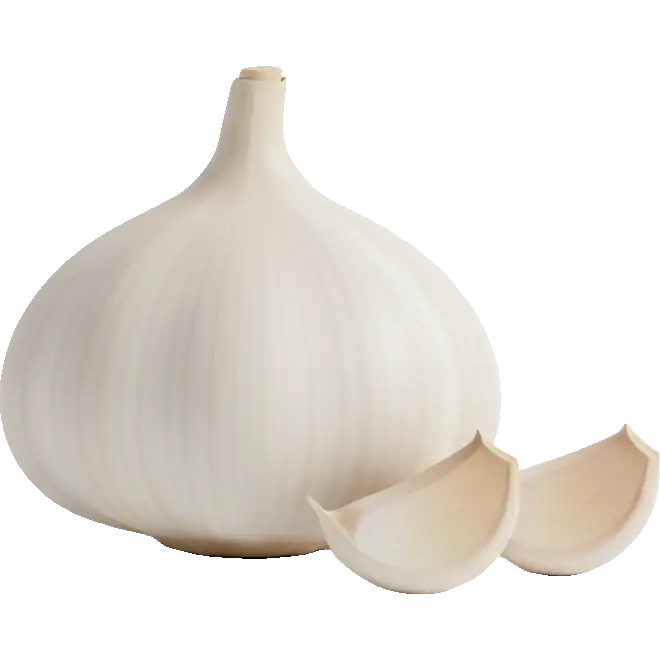
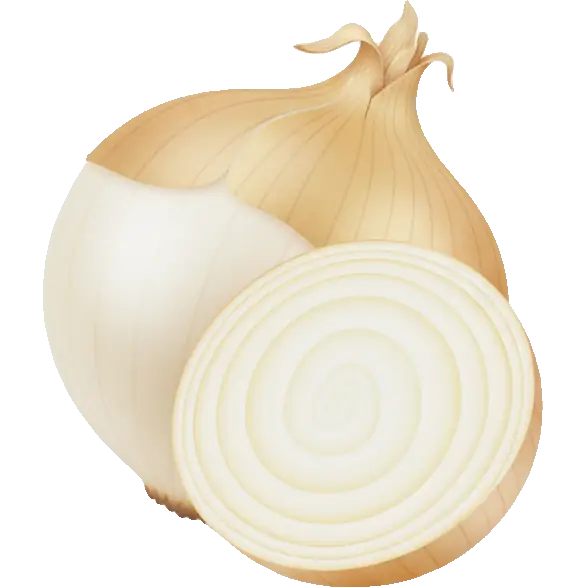
Of the five FODMAP groups, fructans are the one that catches most people out. They are in bread, in onion, in garlic, and in a long list of foods nobody thinks of as risky, which is why a low FODMAP diet so often starts to work only once the fructans come out.
Below is every food our database grades for fructans, and a plain explanation of what they are and how to test them.
What fructans are
A fructan is a chain of fructose molecules with a glucose on the end. Inulin and fructo-oligosaccharides, the FOS you see on a supplement label, are both fructans.
The human gut has no enzyme that breaks those chains apart.1 Nothing is wrong with you; nobody has one. So fructans travel the length of the small intestine untouched and arrive in the colon whole, where your gut bacteria ferment them. That fermentation produces gas, which stretches the bowel wall, and the stretching is what a sensitive gut registers as bloating, cramping and urgency.
Two consequences follow from that. Fructans affect everyone the same way chemically, and only some people feel it, which is the difference between a gut that tolerates distension and one that does not. And fructans are genuinely good for most people, because the bacteria they feed are the ones you want.
Wheat is the biggest single source
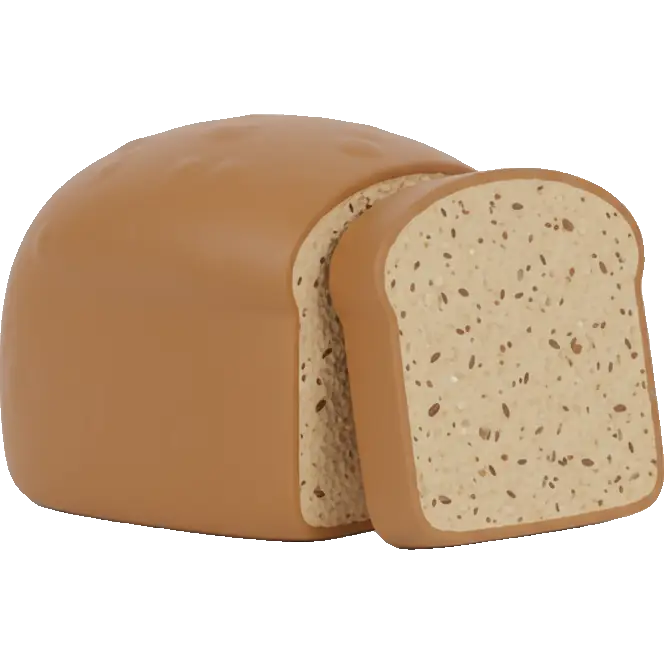
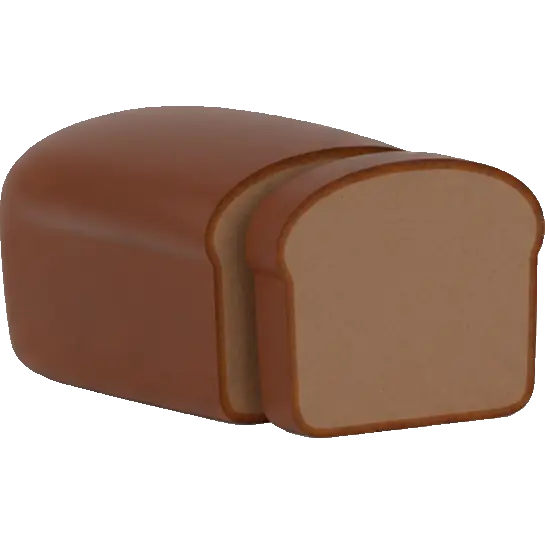
Wheat is the biggest single source of fructans in a Western diet, because of how much bread, pasta and cereal most people eat in a day. A single slice carries only a small amount.
That is also why some people who feel better without wheat do not have coeliac disease or a gluten problem at all. They have a fructan problem, and the bread was carrying both.2 A gluten-free loaf usually helps in that case, which is often read as proof of gluten sensitivity when the fructans left the room at the same time.
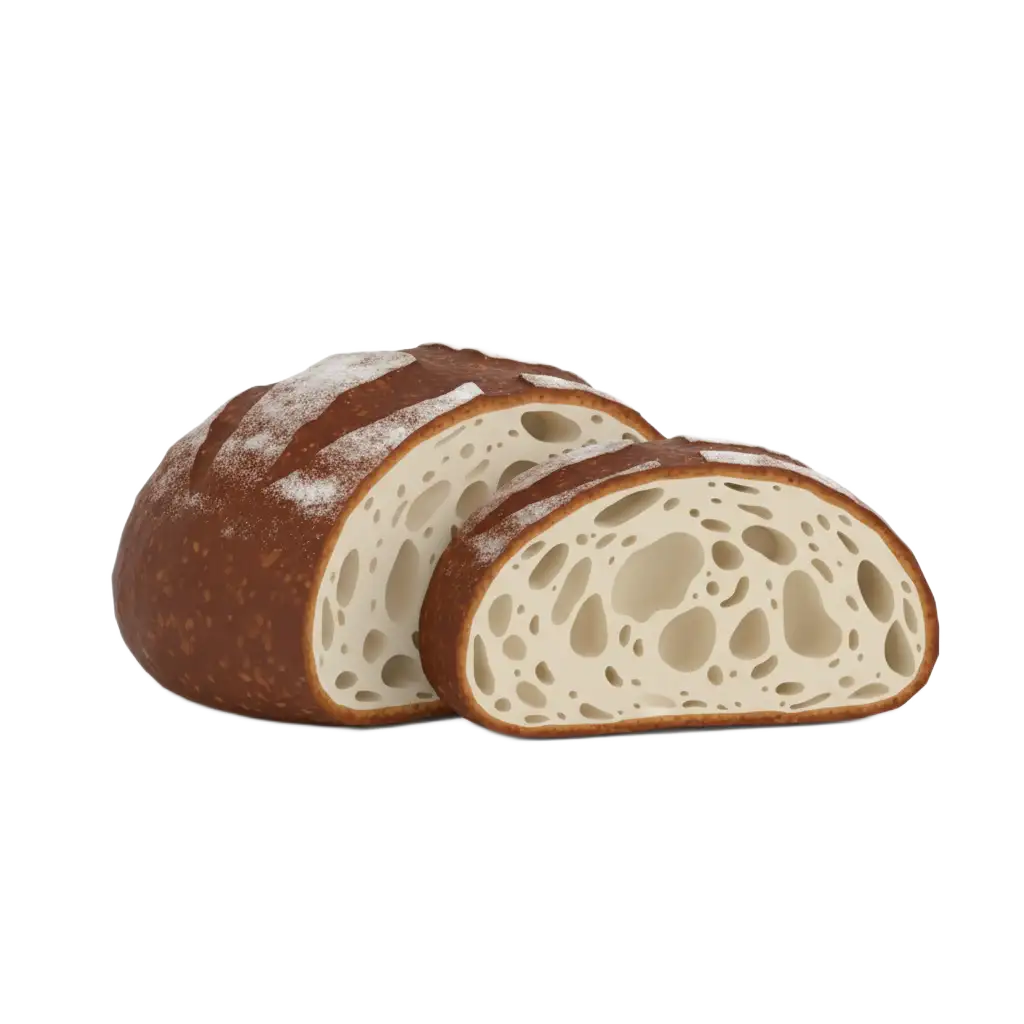
Sourdough is the useful exception. A long ferment lets the bacteria eat much of the fructan before you do, so a properly fermented sourdough is often tolerated when ordinary bread is not.3
The high-fructan foods
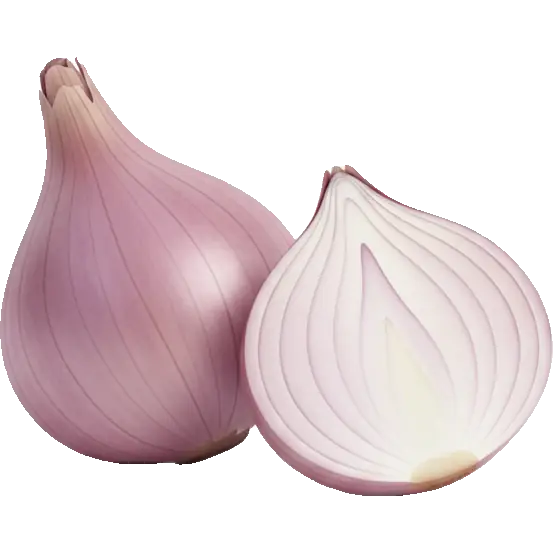
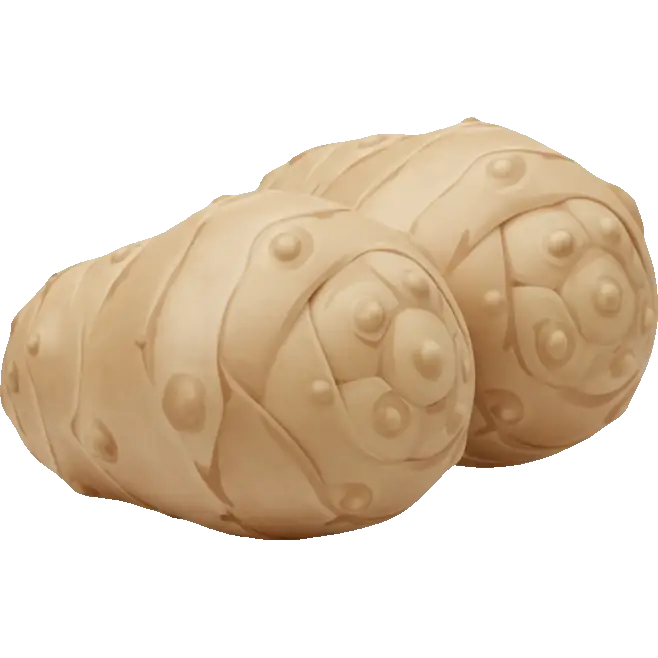
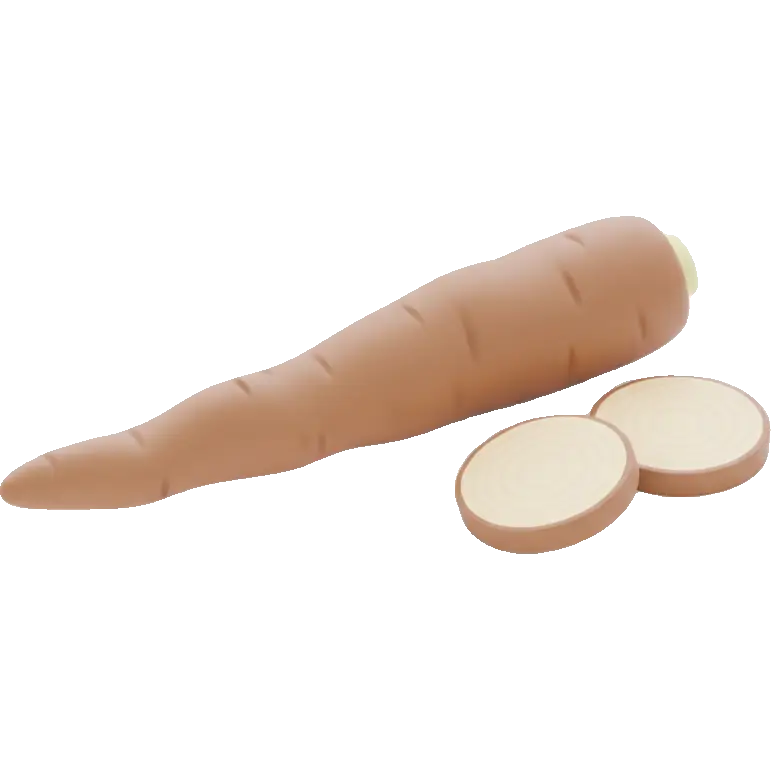
These are the ones most people recognise.



The complete list
Every food our database grades for fructans, highest first. Wheat, onion, garlic and the sauces built on them dominate.
Worth avoiding78 foods

| Food | Notes |
|---|---|
| Angel hair pasta | Wheat pasta—contains gluten and fructans (high FODMAP). Gluten‑free versions can be low FODMAP depending on ingredients. |
| Artichoke | Artichoke is a thistle vegetable. A tender heart surrounded by edible leaves. |
| Artichoke heart | Globe artichoke is high in FODMAP fructans; even small serves can trigger IBS in sensitive people. Packed with prebiotic fibre (inulin). |
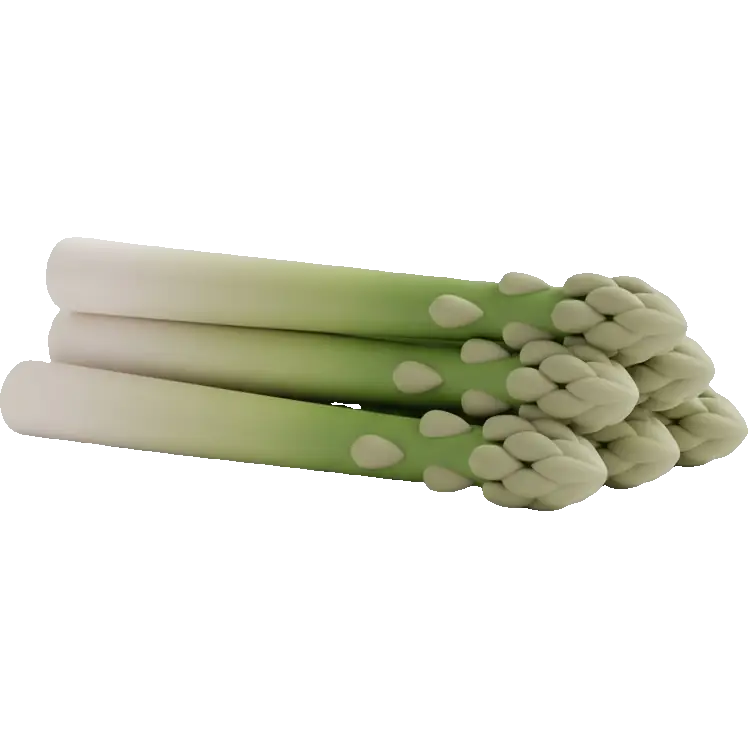
| Asparagus | Asparagus is a spring vegetable stalk. A tender green spear with grassy flavor. |
| Barbecue sauce | Brands vary; many contain onion/garlic (fructans) and HFCS. Some Monash-certified low FODMAP BBQ sauces exist—check labels for onion/garlic and wheat. |
| Barley | Barley is an ancient cereal grain. A chewy nutty grain for soups and beer. |
| Barley groats | Contains gluten (avoid in coeliac). Barley is high in fructans (FODMAP). Whole-grain barley is otherwise nutritious when tolerated. |
| Black bean sauce | Often contains fermented black soybeans, soy sauce (wheat) and garlic—problematic for gluten/FODMAP. Look for gluten-free recipes or certified low FODMAP brands. |
| Borlotti beans | High in GOS/fructans; generally high FODMAP even canned. Fibre‑rich but portion‑limited for IBS. |
| Broad beans | High FODMAP (GOS/fructans). Also avoid in G6PD deficiency (favism risk). |
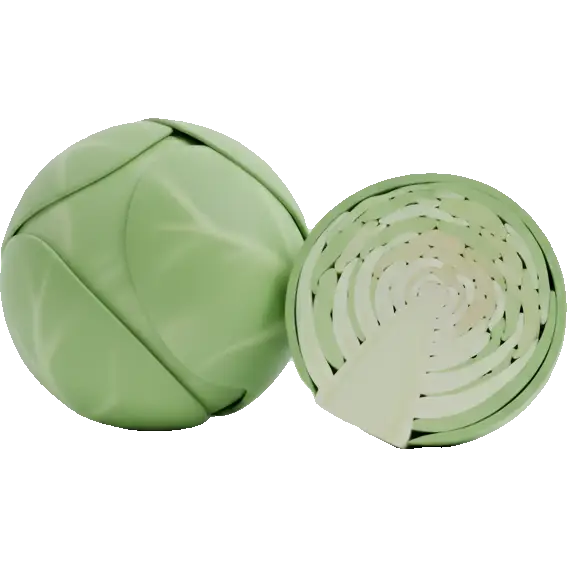
| Brussels sprouts | Brussels sprouts are small cabbage-like vegetables. A nutty cruciferous vegetable on stalks. |
| Bulgur wheat | Cracked par‑boiled wheat → contains gluten; high in fructans (FODMAP) in standard serves. |
| Burdock root | Gobo/burdock root is high in fructans; small amounts may be tolerated but typical serves are high FODMAP. |
| Caesar dressing | Classic Caesar uses anchovy, egg yolk, Parmesan and garlic (fructans) → not vegan/vegetarian and often high FODMAP. Fish, egg & milk are major allergens. |
| Carob pods | Carob powder is high in fructans at modest serves; limit quantity. |
| Cashew nuts | High FODMAP (GOS/fructans). Also among higher‑nickel nuts; limit if nickel‑sensitive. |
| Chili garlic sauce | Contains garlic → fructans. Choose garlic‑free chili sauces or use garlic‑infused oil if needed. |
| Chimichurri | Parsley‑garlic herb sauce; typical recipes include raw garlic → fructans. Use garlic‑infused oil to lower FODMAPs. |
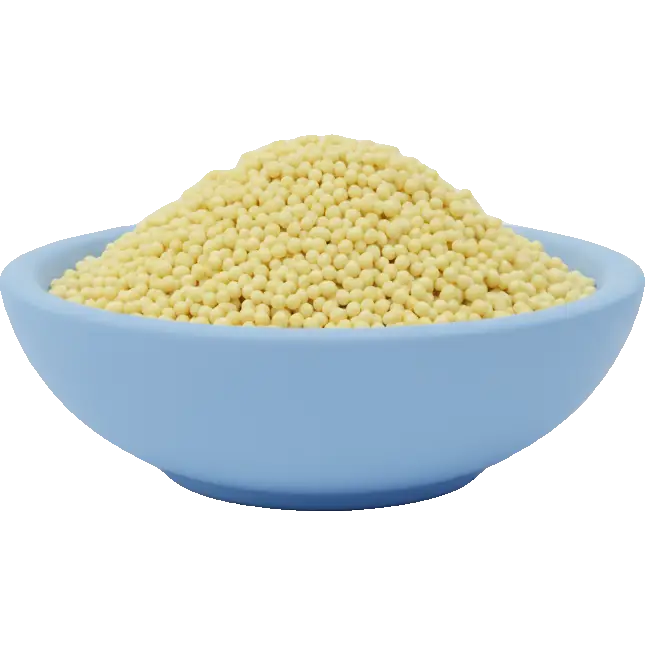
| Couscous | Semolina wheat granules; contains gluten and fructans. Some apps show only small 'amber' serves; generally avoid during elimination. |
| Cracked wheat | Cracked wheat/bulgur: contains gluten and is high in fructans; avoid on elimination. Gluten‑free alternatives: quinoa, rice, buckwheat. |
| Dandelion greens | Bitter leafy greens; often listed as high FODMAP (fructans). Use sparingly on elimination. |
| Durum wheat | High‑fructan wheat; contains gluten. Limit during low‑FODMAP elimination. |
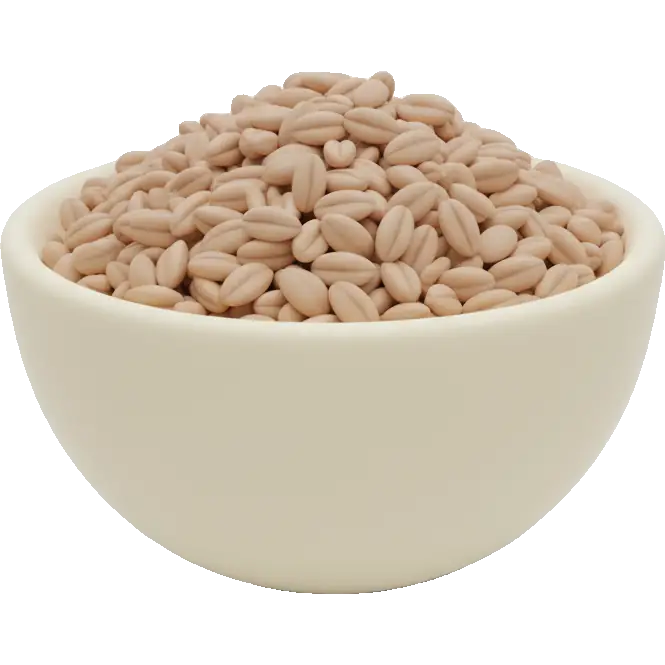
| Emmer | Ancient wheat (often marketed as farro). High in fructans and contains gluten. |
| Farina | Refined wheat cereal (semolina/cream of wheat). High fructans and contains gluten. |
| Farro | Usually emmer/spelt; contains gluten and is high in fructans—limit on elimination. |
| Fennel bulb | Fennel bulb is a crisp anise-flavored vegetable. A white bulb with licorice-like taste. |
| Fettuccine | Standard wheat pasta contains gluten and is high in fructans; gluten‑free versions differ. |
| Flour tortilla | Wheat-based. Contains gluten and fructans. Not low FODMAP. |
| Freekeh | Cracked green wheat (contains gluten). High in fructans. Not allowed on AIP or EoE 6-FED (wheat). |
| Garbanzo beans | Chickpeas. Canned/rinsed small serves can be low FODMAP; larger portions high in GOS/fructans. Not AIP (legume). |
| Garlic | Garlic is a fresh garlic bulb from the allium family. High in fructans. Common cooking aromatic used worldwide. |
| Garlic aioli | Emulsion of oil + egg + garlic. High fructans due to garlic; not vegan; avoided on AIP/6-FED (eggs). |
| Garlic powder | Very concentrated fructans. Often a trigger on low-FODMAP diets. Use garlic-infused oil instead. |
| Gravy | Traditional gravies often contain wheat flour and onion/garlic; packet mixes may add MSG/sulfites. Gluten-free low-FODMAP versions exist. |
| Harissa | Chili-garlic paste; often contains garlic → fructans. Choose garlic-free versions to lower FODMAPs. |
| Jerusalem artichoke | Very high in inulin (fructans) → strong FODMAP trigger for most people. |
| Kamut flour | Ancient wheat containing gluten; high in fructans—avoid for coeliac and low-FODMAP. |
| Korma paste | Often includes onion/garlic, nuts, dairy/yogurt; some brands add wheat—check labels. |
| Kvass | Traditional rye-bread ferment → gluten and likely higher fructans; varies by recipe. |
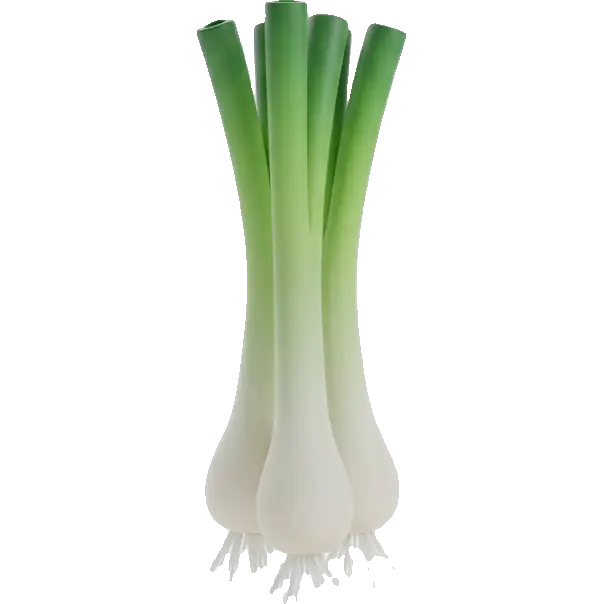
| Leek | Leek is a mild onion-family vegetable. A sweet subtle allium used in soups and sides. |
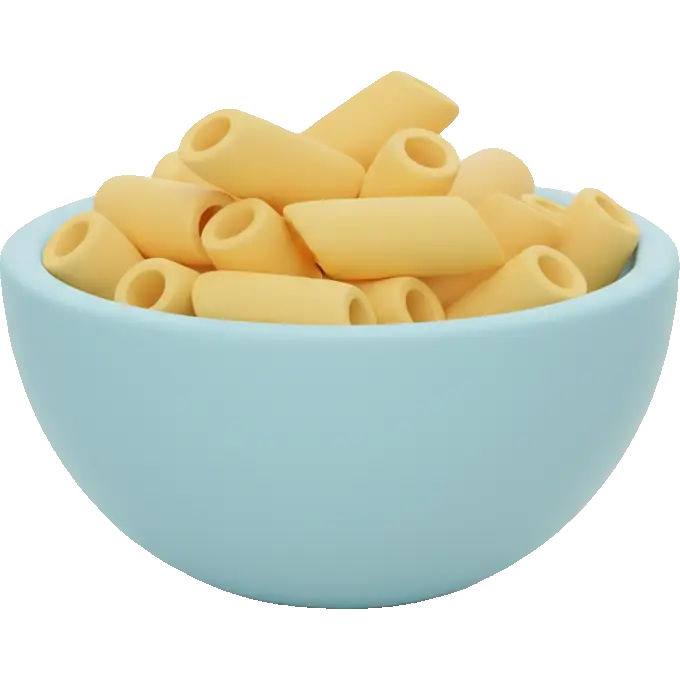
| Macaroni | Wheat pasta → gluten and high fructans at standard serves; choose GF pasta for low FODMAP/coeliac. |
| Malt syrup | Made from barley; often contains gluten. High in fructans → not low FODMAP. Sweeter than sugar; use rice malt syrup instead if low FODMAP. |
| Olive tapenade | Often includes garlic/capers/anchovy—FODMAP depends on recipe; garlic drives fructans. |
| Onion | Very high in fructans; avoid on elimination. |
| Orzo | Wheat pasta shape → gluten; high in fructans at regular serves. |
| Pearl barley | Contains gluten; barley is high in fructans—avoid for coeliac and during low‑FODMAP elimination. |
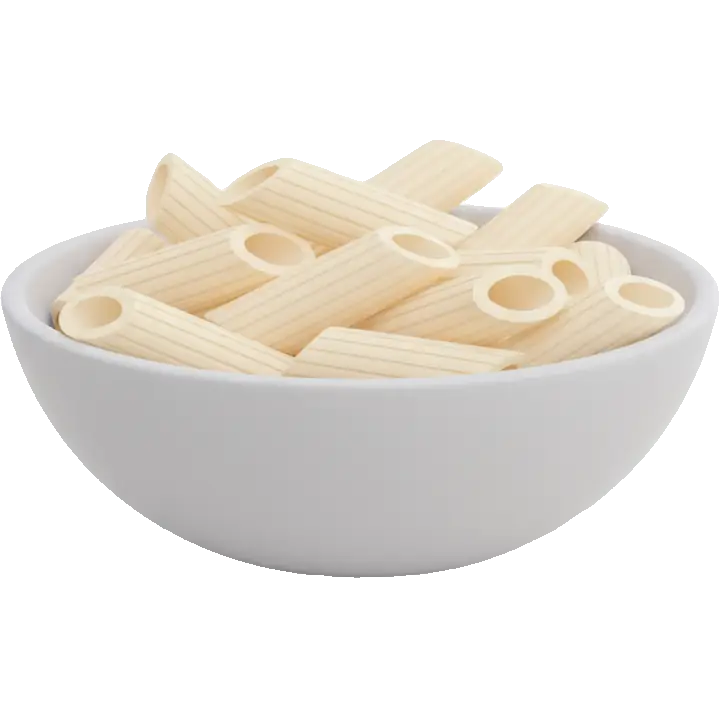
| Penne | Wheat pasta; high in fructans at standard serves. Gluten-free penne avoids gluten and reduces FODMAPs. |
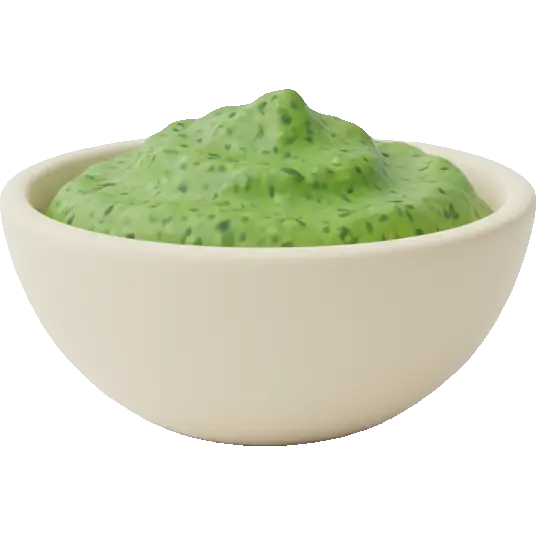
| Pesto | Typically basil, garlic, pine nuts, Parmesan, and olive oil. Garlic drives FODMAPs; garlic-infused oil versions are friendlier. |
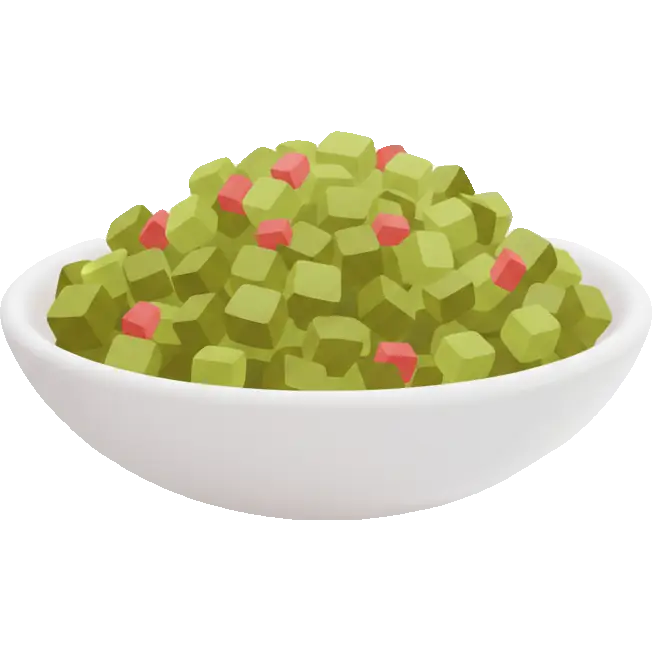
| Pickle relish | Usually diced pickles with sugar and often onion. Onion drives fructans; check labels if you’re avoiding garlic/onion or sulfites. |
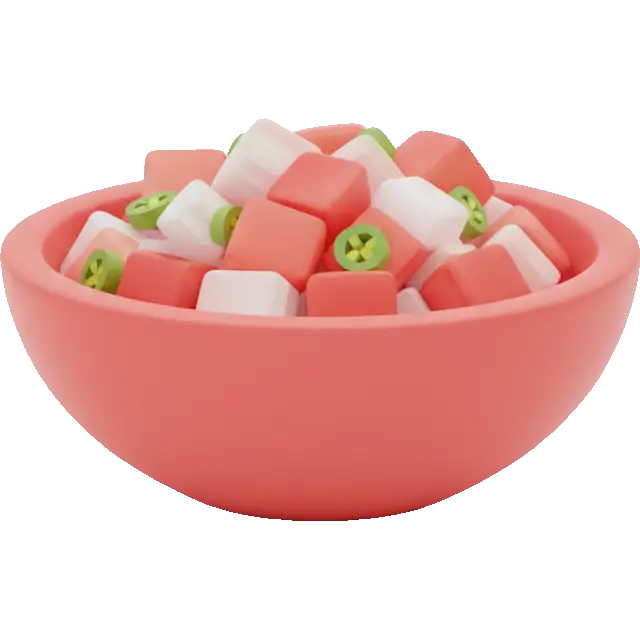
| Pico de gallo | Fresh salsa with raw onion, tomato, cilantro, lime, and chili. Onion makes it high in fructans; tomatoes/chiles are nightshades. |
| Piri piri sauce | Chili, garlic, lemon, oil, and spices. Garlic drives fructans; hot chili can irritate IBS and GERD. Check labels for onion/added sugars. |
| Ranch dressing | Often contains buttermilk + garlic/onion powder; many brands are gluten-free but check labels. |
| Relish | Typically cucumbers + vinegar + sugar + onions/spices; onion/garlic drive FODMAP; preservatives vary by brand. |
| Rolled barley | Rolled barley is flattened barley grains. A quick-cooking barley for cereals and baking. |
| Rye | Rye is a cereal grain related to wheat. A hearty grain with distinctive tangy flavor. |
| Rye flour | Rye flour is ground rye grain. A dense flour used in breads like pumpernickel. |
| Salsa | Salsa is tomato-based Mexican sauce. A chunky or smooth condiment with chili peppers. |
| Satay sauce | Satay sauce is peanut-based dipping sauce. A creamy Southeast Asian condiment. |
| Scallions | Scallions are mild green onions. A fresh allium used raw and in cooking. |
| Semolina | Semolina is coarse durum wheat flour. A grainy flour used for pasta and couscous. |
| Shallot | Shallot is a mild onion variety. A delicate allium with subtle garlic notes. |
| Spaghetti | Wheat pasta; high in fructans at normal serves. Small ½-cup cooked portions can be tolerated for some on low-FODMAP. |
| Spelt flour | Ancient wheat—contains gluten and typically high FODMAP as flour. Sourdough spelt bread can be tolerated in limited serves due to fermentation. |
| Sriracha | Chili-garlic hot sauce with added sugar; commonly contains sulfite preservatives. High in fructans due to garlic; hot chilies can irritate some. |
| Sweet and sour sauce | Often includes onion/garlic, pineapple, ketchup; brands may add wheat (gluten) and preservatives—check labels. |
| Teriyaki sauce | Usually soy sauce (wheat), mirin/sugar, garlic/ginger; higher in glutamates and often contains wheat → gluten. |
| Tortellini | Wheat pasta + cheese/meat filling → gluten + lactose. Choose GF, lactose-free versions if needed. |
| Tzatziki | Classic tzatziki contains yoghurt (lactose) and garlic (fructans). Low-FODMAP versions use lactose-free yoghurt and garlic-infused oil. |
| Wheat | Wheat is a cereal grain and global staple. The most widely grown crop used for flour. |
| Wheat bran | Wheat bran is the outer layer of wheat kernels. A fiber-rich byproduct of flour milling. |
| Wheat flour | Contains gluten and wheat fructans; common trigger in IBS and coeliac disease. |
| Wheat germ | Wheat germ is the nutrient-rich wheat embryo. A nutritious part of wheat kernel. |
| Whole grain bread | Usually wheat-based → gluten + fructans. Gluten-free and sourdough options can be lower FODMAP in set serves. |
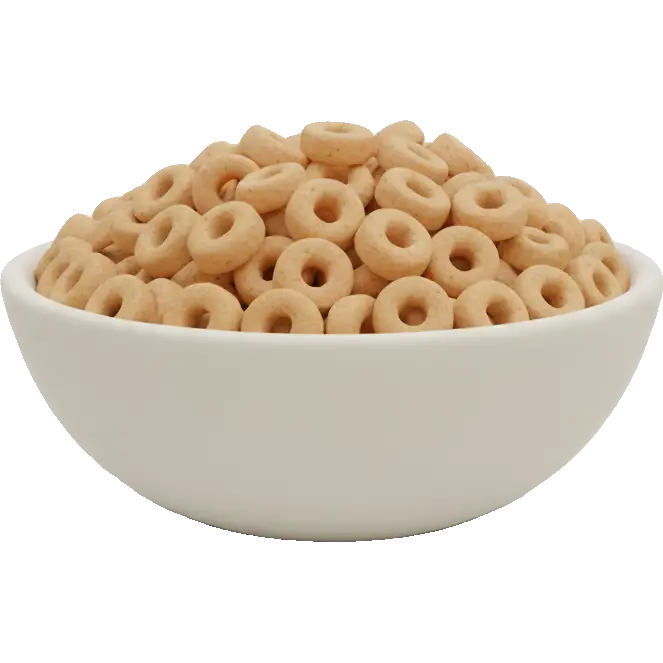
| Whole grain cereal | Varies by grain; many whole-grain cereals use wheat/bran (fructans). Choose GF options (oats, corn, rice, quinoa) and check portions. |
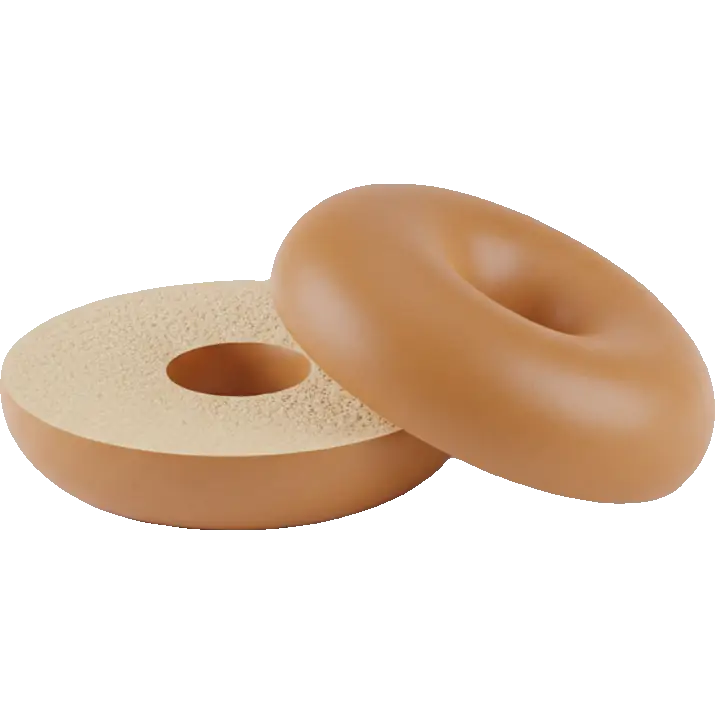
| Whole wheat bagel | Wheat flour = fructans + gluten. Portion sizes quickly exceed low-FODMAP thresholds. |
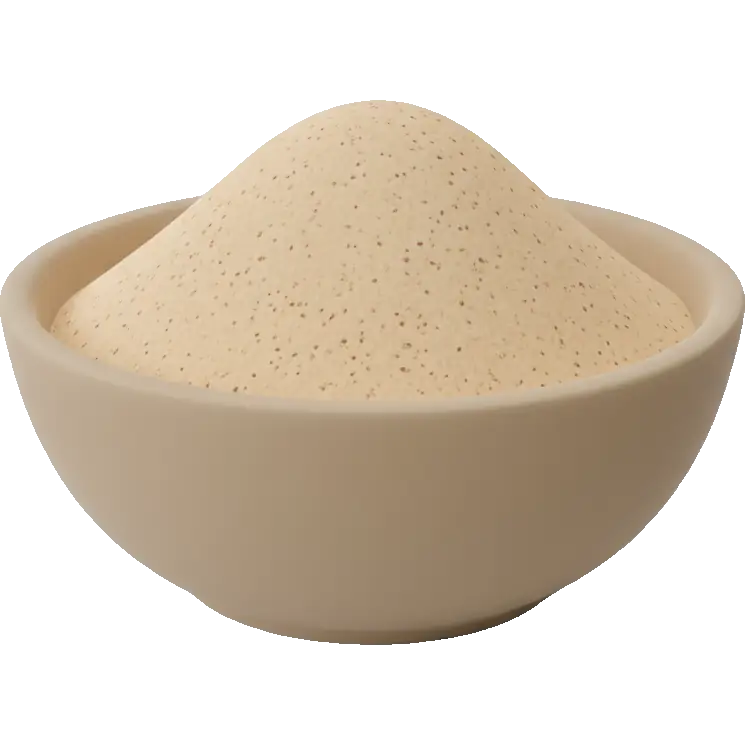
| Whole wheat flour | Whole wheat is high in fructans and contains gluten. |
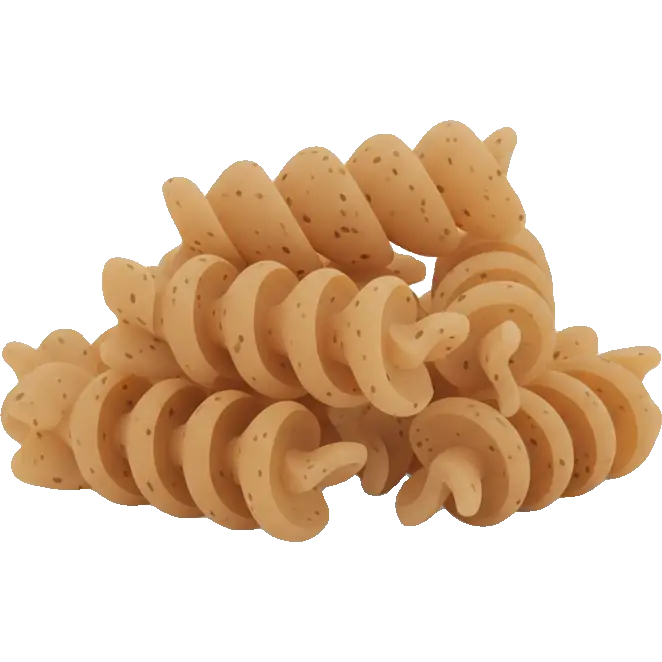
| Whole wheat pasta | Wheat pasta contains fructans; very small cooked portions can be tolerated by some during elimination, but standard serves are high FODMAP. |
| Yam bean | Jicama is rich in inulin (a fructan); tends to be high FODMAP except in very small serves. |


Moderate63 foods
| Food | Notes |
|---|---|
| Adzuki beans | Legume high in GOS—gas‑forming for many with IBS; soaking/pressure‑cooking helps a bit. Small serves may be tolerated after reintroduction. |
| Ale | Usually barley/malt based (contains gluten). Beer/ale are generally low FODMAP per serve but alcohol and carbonation can still trigger IBS; may contain histamine/biogenic amines. |
| Almond butter | Low FODMAP only in a small serve (see Monash app). Tree‑nut allergen; also naturally higher in oxalates. |
| Amaranth | Amaranth is an ancient grain-like seed. A protein-rich pseudocereal with earthy flavor. |
| Amaranth grain | Naturally gluten‑free pseudocereal. Fiber‑dense—introduce gradually if sensitive; cross‑contact with gluten can occur, so seek certified GF if needed. |
| Banana | Banana is a curved yellow tropical fruit. A sweet creamy fruit eaten fresh or cooked. |
| Barley malt | Sweet, malty extract from sprouted barley—contains gluten. Often used in cereals and breads; even small amounts can matter for coeliac unless labelled GF. |
| Beet | Beet is a deep red root vegetable. A sweet earthy root with edible greens. |
| Beet juice | Concentrated beetroot can push FODMAP load (mannitol/fructans) and oxalates higher than whole cooked beet servings. |
| Blue cheese dressing | Typically contains blue cheese + buttermilk/sour cream and often garlic/onion. FODMAP and lactose depend on brand; check labels. |
| Bread | Generic bread made from wheat flour. Contains gluten and moderate FODMAPs from wheat. The most common baked grain product. |
| Broccoli | Broccoli is a green cruciferous vegetable. A nutritious vegetable with tree-like florets. |
| Buffalo sauce | Typically hot sauce (often with garlic) + butter; contains dairy and nightshade chili; brand recipes vary. |
| Butter beans | Canned, well‑rinsed portions (~¼ cup) can be low FODMAP; larger serves high in GOS. |
| Cannellini beans | Legume high in GOS; canned & well‑rinsed small portions may be tolerated. |
| Chutney | Fruit + vinegar + spices; many include onion/garlic and lots of sugar—brand and portion dependent. |
| Cocktail sauce | Ketchup + horseradish + spices; many versions include garlic/onion or HFCS—portion and brand matter. |
| Fava beans | Dried broad beans are high in GOS; typical portions are high FODMAP. |
| Feijoa | Assuming this is feijoa (pineapple guava): typically high FODMAP at common serves (excess fructose). |
| Flageolet beans | Dried French beans; like other legumes they are high in GOS unless portioned very small/pressure‑cooked. |
| Flax milk | Varies by brand; often includes gums (gellan/guar) and added nutrients. Seed-based so not AIP. Check GF certification. |
| French dressing | Recipe/brand dependent; can include onion/garlic, tomato/paprika, thickeners, dairy and preservatives. Check labels. |
| Fruit nectar | Concentrated fruit purée + sugar; portions often high in fructose. Ingredients vary by fruit and brand. |
| Garam masala | Blend of spices (typically cumin, coriander, cardamom, cinnamon, cloves, pepper). Some blends add chili/garlic—check labels. |
| Gluten-free cereal | Breakfast cereal from rice corn or certified oats; varies widely so check for added sugar dried fruit and inulin. |
| Gochujang | Fermented Korean chili paste (rice or wheat, soy). Nightshade-heavy; often contains gluten and is high in histamine/tyramine. |
| Honey mustard | Often contains honey, vinegar, spices; some brands add wheat/dairy/garlic—check labels. |
| Horse gram | High in GOS like other legumes; soak/pressure-cook to reduce FODMAPs. |
| Horseradish sauce | Often mayo/cream-based with vinegar/sugar; many add onion/garlic—brand-dependent. |
| Hot sauce | Chili-based condiments often include garlic/onion; choose garlic-free brands if needed. |
| Hulled sesame seeds | Sesame seeds: low FODMAP in small serves (~2 Tbsp); higher in oxalates and nickel. |
| Hummus | Chickpeas + tahini + garlic. Canned/rinsed chickpeas and garlic-infused oil versions are gentler. |
| Kimchi | Fermented cabbage with garlic/chili; high in biogenic amines (histamine/tyramine). GF unless wheat flour added. |
| Lupin beans | Very high in GOS like other legumes; pickled/rinsed small serves may be better tolerated. |
| Mango chutney | Usually contains mango (excess fructose) plus onion/garlic and sugar. Brands vary—check labels; small serves may still trigger. |
| Mead | Fermented honey alcohol; residual fructose varies (dry vs sweet). Often contains sulfites; fermented → higher histamine/amines. |
| Muesli cereal | Varies by recipe: oats + nuts + dried fruit often drive fructans/GOS/polyols; choose GF oats and low-FODMAP fruit. |
| Mung beans | Like other legumes, high in GOS; small canned/soaked portions may be better tolerated. (Sprouts differ.) |
| Navy beans | High in GOS; canned and well-rinsed small portions are better tolerated. |
| Okra | Okra is a green pod vegetable. A mucilaginous vegetable used in gumbo and curries. |
| Oyster sauce | Concentrated oyster extract + sugar + soy/wheat (often). High umami; many brands contain wheat—check labels. |
| Pepper jelly | Sugary preserve with peppers; often high in excess fructose and may include apple/pear juice or HFCS. Check labels for onion/garlic. |
| Plum sauce | Sweet-sour condiment with plums (sorbitol), sugar, and often garlic/onion/soy sauce—commonly high in polyols and FODMAPs. |
| Poppy seed dressing | Sweet vinaigrette; often includes onion powder and sugar. Check for added onion/garlic and stabilizers if you’re FODMAP-sensitive. |
| Radicchio leaves | Chicory family; low-FODMAP at normal serves; larger portions may introduce some GOS. |
| Rapini | Not formally tested by Monash; small portions likely tolerated similar to other bitter greens. |
| Red beans | Legume; high GOS unless canned/rinsed. Legumes are also higher in nickel; start with small serves. |
| Red lentils | High GOS (and some fructans). Canned/rinsed or small serves reduce FODMAP load. |
| Romanesco | Romanesco is a fractal-patterned cruciferous vegetable. A mild vegetable between broccoli and cauliflower. |
| Sesame dressing | Sesame dressing is Asian sesame-based sauce. A nutty tangy salad dressing. |
| Sesame paste | Sesame paste is ground sesame seeds. A thick paste used in hummus and Asian sauces. |
| Smoothie | Highly variable; blending encourages larger fruit portions and FODMAP stacking. Use low-FODMAP fruits/milks and watch serve size. |
| Sourdough bread | Wheat sourdough. Fermentation reduces fructans but still contains gluten. Small serves may be tolerated. |
| Sweet corn | Low FODMAP at small serves (e.g., ~½ cob); larger portions bring up fructans. Rinse canned kernels. |
| Tahini | Sesame paste; low FODMAP in ~2 Tbsp serves. Higher in oxalates and nickel—watch portions. |
| Tartar sauce | Typically mayonnaise + pickles/capers + onion; some brands add dairy or wheat—check labels. |
| Veggie patty | Meat-free burger patty from beans soy or pea protein; check for egg or dairy binders and wheat gluten. |
| Veggie sausage | Meat-free sausage from soy or pea protein; no nitrites or animal fat; check for wheat gluten binder and added sulfites. |
| Vinaigrette | Often oil + vinegar + aromatics; watch for garlic/onion/honey. Choose garlic-infused oil; some vinegars contain sulfites. |
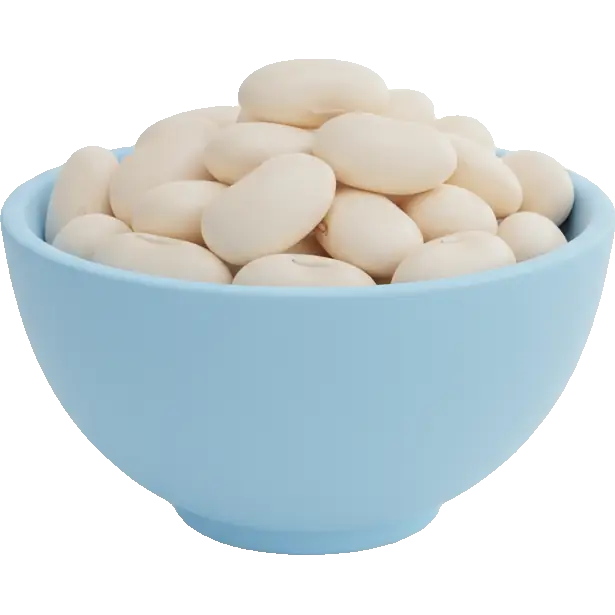
| White beans | High GOS; canned & well-rinsed small portions are better tolerated than boiled. Reintroduce cautiously. |
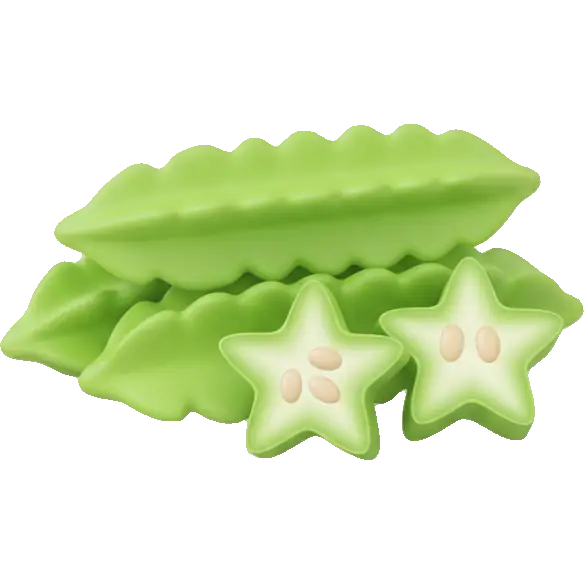
| Winged beans | Legume; likely high GOS. Soaking/cooking may lower FODMAPs but data limited—trial small amounts after reintro. |
| Yellow lentils | Dehulled lentils still contain GOS. Canned/rinsed small portions are often better tolerated than boiled. |
| Yellow split peas | High in GOS; small serves may be tolerated post-reintroduction. |








How much is too much
Fructans stack within a meal and across a day. Half an onion in a sauce, two slices of bread with lunch and a handful of cashews at four o'clock can each be fine and still add up to a bad evening.
Cooking does not help much. Fructans are water-soluble but heat-stable, so frying garlic does not remove them; it moves some into the oil. Garlic-infused oil works for exactly that reason, and it is the standard way to keep the flavour on a low FODMAP diet.
How to test it on your own evidence
The standard approach is to remove the high-fructan foods for two to six weeks, then bring them back one group at a time.
Wheat, onion and garlic are the three worth testing separately, because they behave differently in practice. Onion and garlic hit in quantities most people consider trivial. Wheat depends far more on how much you ate. Take one, eat a normal portion, and note what happens over the next day or two before moving to the next.
Write down the days nothing happened as well. An elimination diet with no record of the good days cannot tell you anything, and reintroduction is where the answer shows up.
Check any food in seconds
The fructans checker grades any food in our database, and every food on this page links to its own page with the rest of what it carries.
Where Triggerbites fits in
This list comes straight from the food data inside Triggerbites, which grades every ingredient for fructans alongside the other FODMAP groups, allergens, histamine, additives and more.
You log your day in plain words, or say it out loud, and the app pulls out the ingredients, grades the fructan load and lines it up against your symptoms, including the ones that arrive a day later. On a diet with this many moving parts, your own record is what tells you which part mattered.






Triggerbites Features
- Log your day in 30 seconds: Text, voice or photo. Log as you go, or recap it all in the evening.
- Your food, broken down: Meals become ingredients and sensitivity profiles: histamine, salicylates, FODMAPs, allergens, and even the additives on packaged food.
- Everything in the same journal: Symptoms, supplements, sleep, stress, exercise and mood, beside what you ate.
- See what repeats over time: Patterns between what you eat and how you feel, including delayed reactions that show up days later.
Common questions
What foods are highest in fructans?
Wheat in all its forms, onion and garlic, and almost anything built on them such as sauces, dressings and stocks. Asparagus, brussels sprouts, artichoke and leek are the other common ones.
Is a fructan intolerance the same as gluten sensitivity?
No, though they are easy to confuse. Wheat carries both, so cutting bread removes both at once. Several studies of people who believed they were gluten sensitive found fructans explained the symptoms and gluten did not.
Does cooking remove fructans?
No. Fructans are heat-stable, so frying garlic does not destroy them. Some do move into the cooking oil, which is why garlic-infused oil is the standard way to keep the flavour on a low FODMAP diet.
Why is sourdough lower in fructans?
A long fermentation lets the bacteria in the starter consume much of the fructan before you eat it. A genuine slow-fermented sourdough is often tolerated when ordinary bread is not, though a quick supermarket loaf labelled sourdough may not be.
Are fructans bad for you?
For most people, the opposite. They feed the gut bacteria you want, which is why inulin is sold as a supplement. They cause trouble only in a gut that reacts badly to the gas that fermentation produces.
How long does a fructan reaction take?
Usually four to twelve hours, because the fructans have to reach the colon before anything happens. That delay is why people so often blame the wrong meal.
Live, love, log. 🧡
References
- 1
- 2Gastroenterology "Fructan, Rather Than Gluten, Induces Symptoms in Patients With Self-Reported Non-Celiac Gluten Sensitivity"PubMed
- 3
 Monash FODMAP
Article References and Citations
- Monash University: "FODMAPs and Irritable Bowel Syndrome" - https://www.monashfodmap.com/about-fodmap-and-ibs/
- Gastroenterology: "Fructan, Rather Than Gluten, Induces Symptoms in Patients With Self-Reported Non-Celiac Gluten Sensitivity" - https://pubmed.ncbi.nlm.nih.gov/29102613/
- Loponen J, Gänzle MG: "Use of sourdough in low FODMAP baking", Foods, 2018 - https://pubmed.ncbi.nlm.nih.gov/29932101/