High-GOS foods: the complete list, and why beans do that
Galacto-oligosaccharides are the FODMAP group nobody can digest, and the reason pulses behave the way they do.
GOS is the FODMAP group that explains beans. If pulses do something to you that pasta does not, this is usually why.
Below is every food our database grades for GOS, and what it means in practice.
What GOS is
The letters stand for galacto-oligosaccharides: a short chain of galactose sugars with a glucose on the end. Raffinose and stachyose are the two you will see named.
Nobody digests them. The human gut does not make alpha-galactosidase, the enzyme that would split those chains, so GOS passes through the small intestine intact and arrives in the colon whole.1 There your bacteria ferment it, and fermentation makes gas. That missing enzyme is the whole reason beans have the reputation they do.
Where it sits
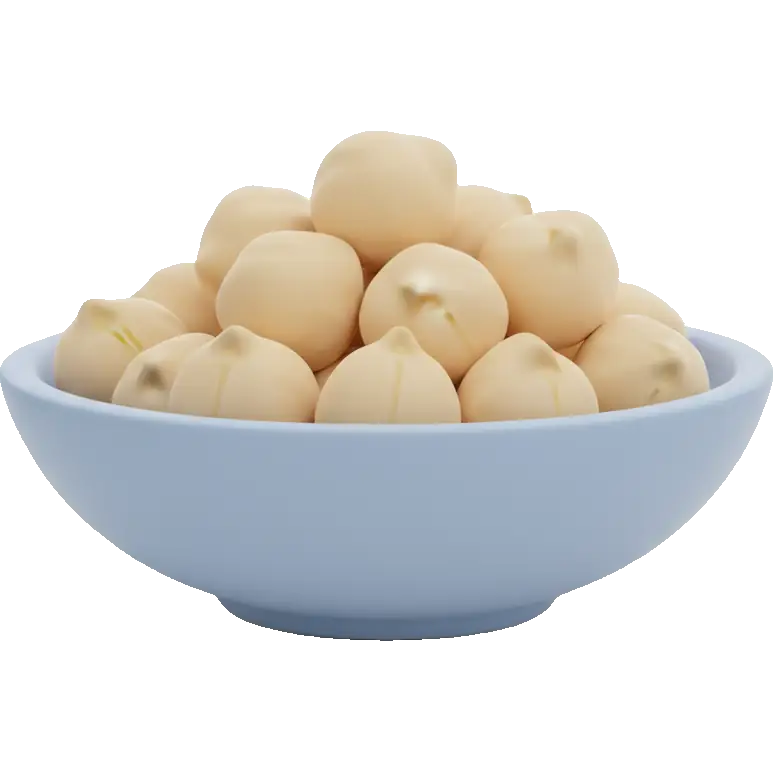
Legumes carry the most by a wide margin: chickpeas, lentils, kidney beans, black beans, butter beans and soy. Hummus is on the list for the obvious reason.
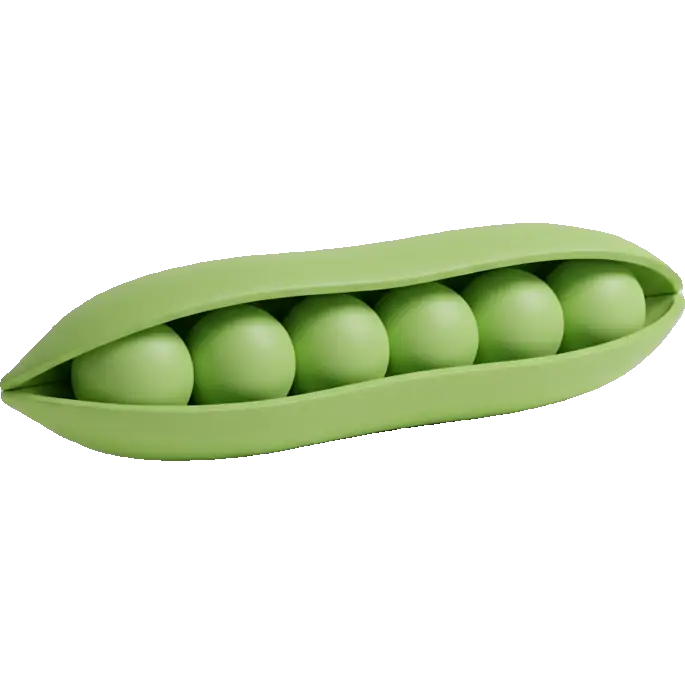
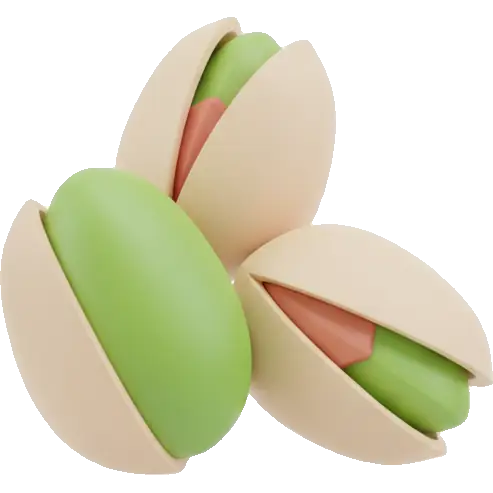
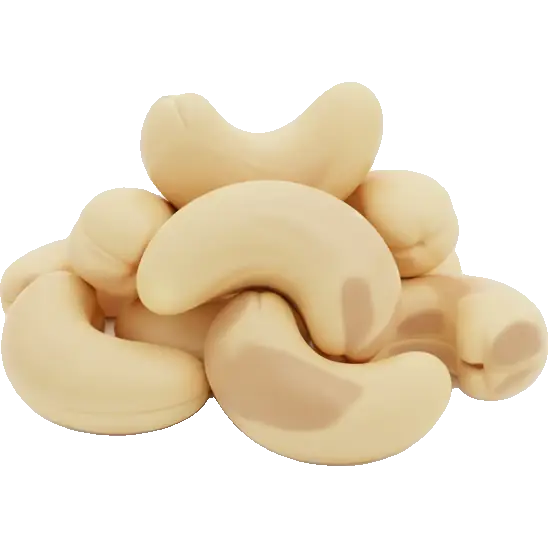
Beyond pulses, GOS turns up in cashews and pistachios, in green peas, and in some soy products. It is also added to infant formula and to prebiotic supplements on purpose, because feeding those bacteria is usually a good thing.
The high-GOS foods
The high-GOS foods most people eat regularly:
The complete list
Every food our database grades for GOS, highest first. Each one links to its own page.
Worth avoiding44 foods

| Food | Notes |
|---|---|
| Adzuki beans | Legume high in GOS—gas‑forming for many with IBS; soaking/pressure‑cooking helps a bit. Small serves may be tolerated after reintroduction. |
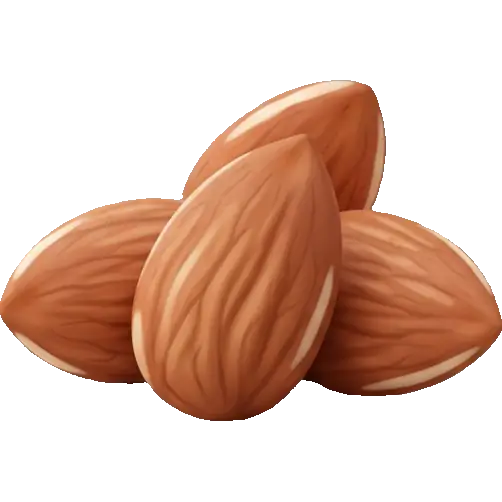
| Almonds | Almonds are oval tree nuts with mild flavor. A versatile nut eaten whole or as flour and milk. |
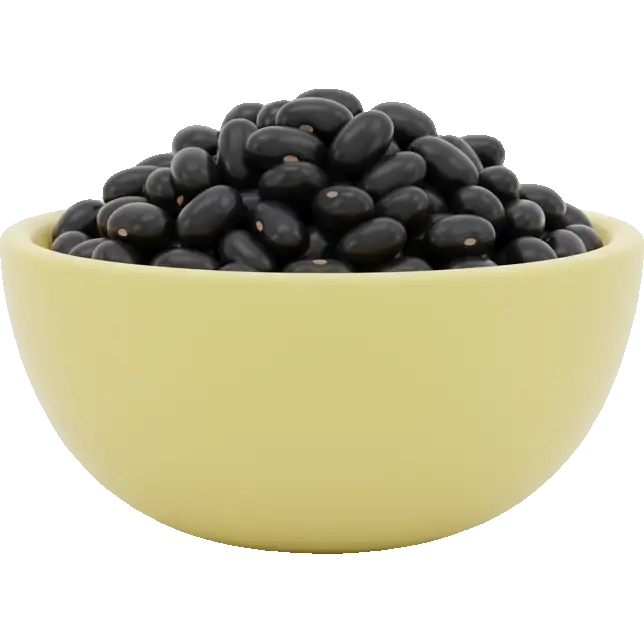
| Black beans | Black beans are small shiny dark legumes. A meaty bean popular in Latin American cuisine. |
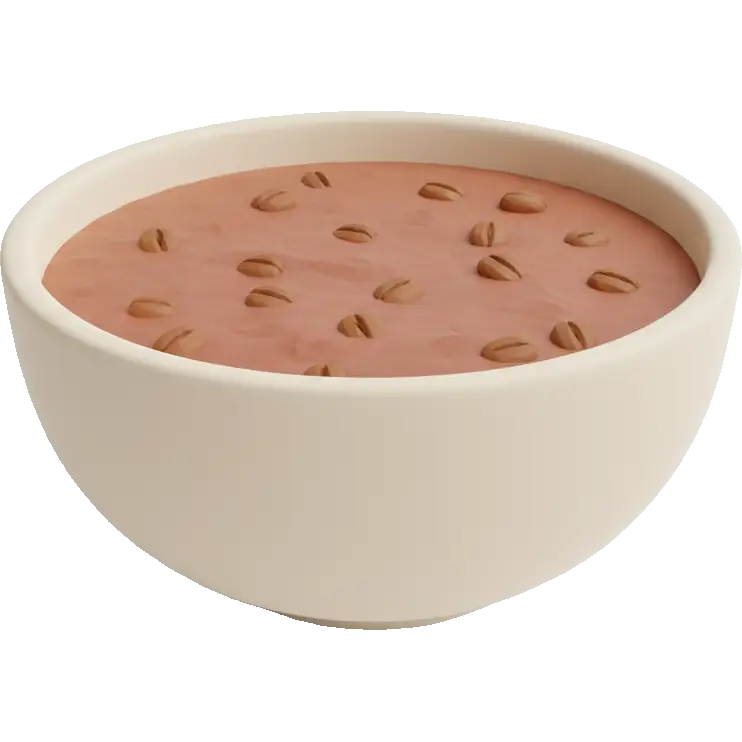
| Black gram | Urad dal (black gram) is a legume high in GOS (FODMAP). Soaking, rinsing and small/canned serves reduce FODMAPs, but tolerance varies. |
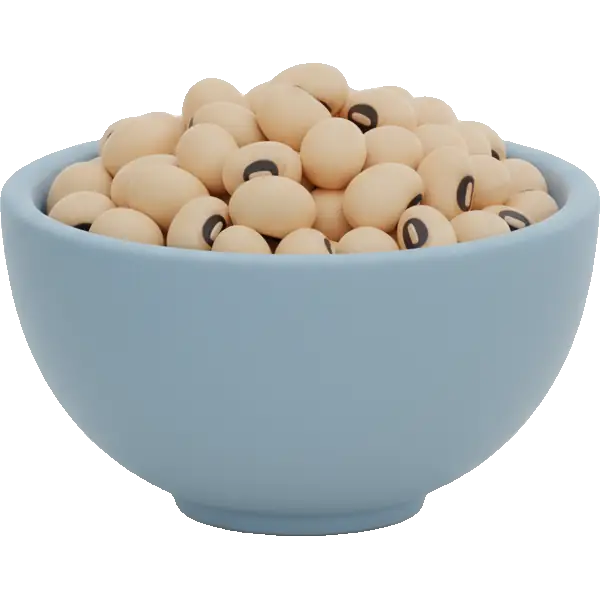
| Black-eyed peas | Cowpeas/black-eyed peas are high in GOS. Canned, well-rinsed small serves test lower FODMAP; build tolerance cautiously. |
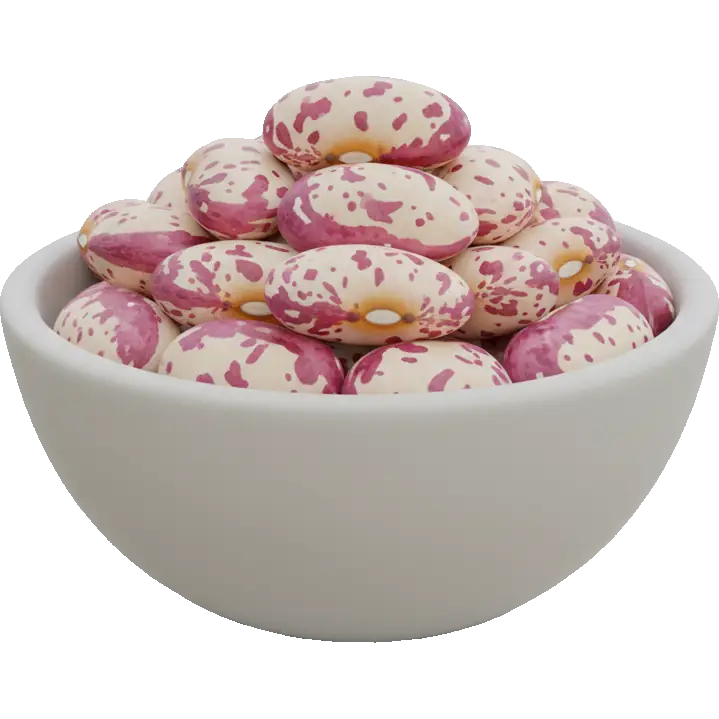
| Borlotti beans | High in GOS/fructans; generally high FODMAP even canned. Fibre‑rich but portion‑limited for IBS. |
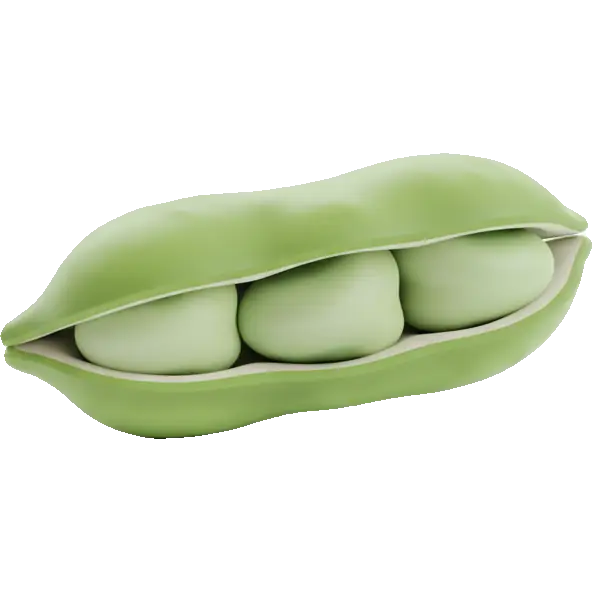
| Broad beans | High FODMAP (GOS/fructans). Also avoid in G6PD deficiency (favism risk). |
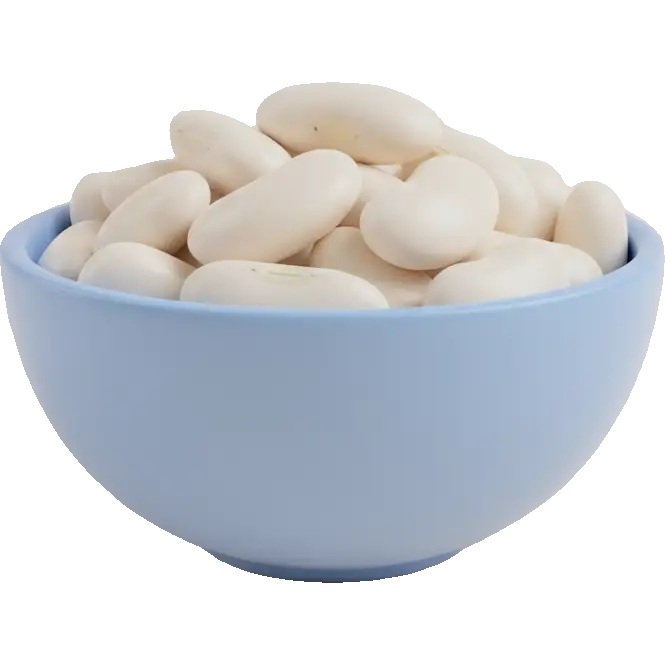
| Butter beans | Canned, well‑rinsed portions (~¼ cup) can be low FODMAP; larger serves high in GOS. |
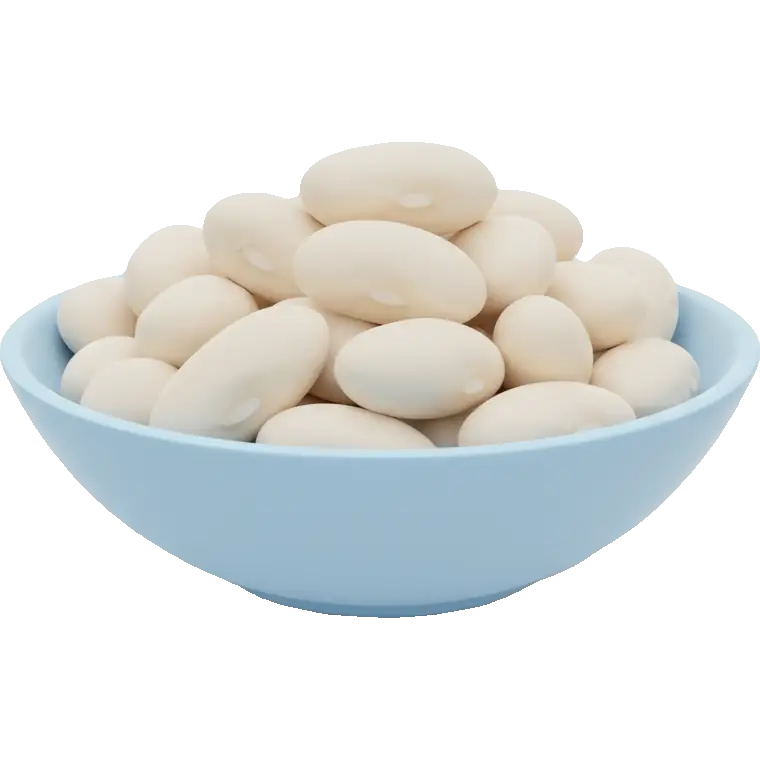
| Cannellini beans | Legume high in GOS; canned & well‑rinsed small portions may be tolerated. |
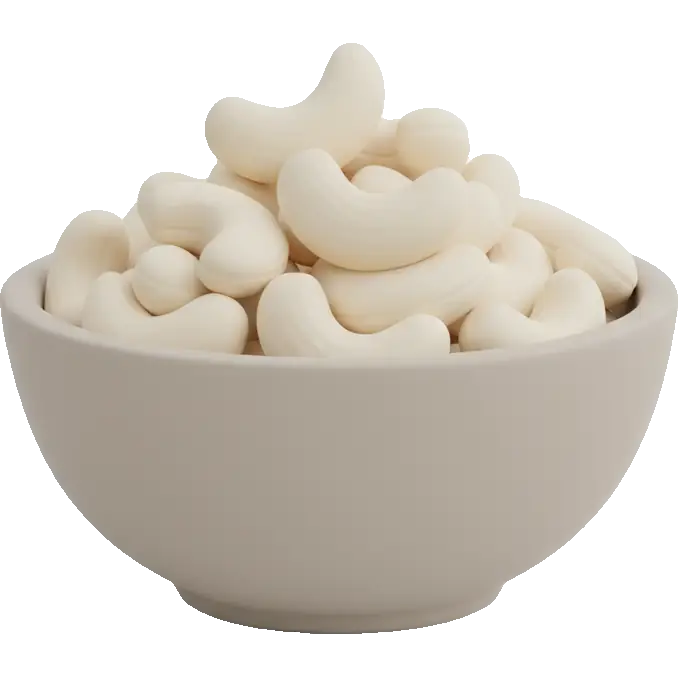
| Cashew nuts | High FODMAP (GOS/fructans). Also among higher‑nickel nuts; limit if nickel‑sensitive. |
| Cashews | Cashews are curved creamy nuts. A rich buttery nut used in cooking and snacking. |
| Chana dal | Split chickpeas; lower FODMAP than whole chickpeas but still GOS‑rich—keep serves small (brand/soak dependent). |
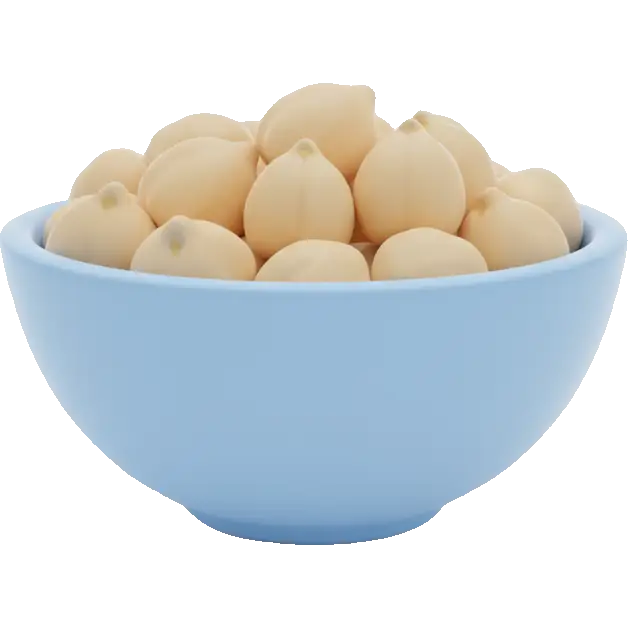
| Chickpeas | Chickpeas are round beige legumes. A nutty versatile bean used in hummus and curries. |
| Cranberry beans | Also called borlotti beans. High in GOS; canned & well‑rinsed beans can reduce FODMAPs, but no clear ‘green’ serve for this variety. |
| Fava beans | Dried broad beans are high in GOS; typical portions are high FODMAP. |
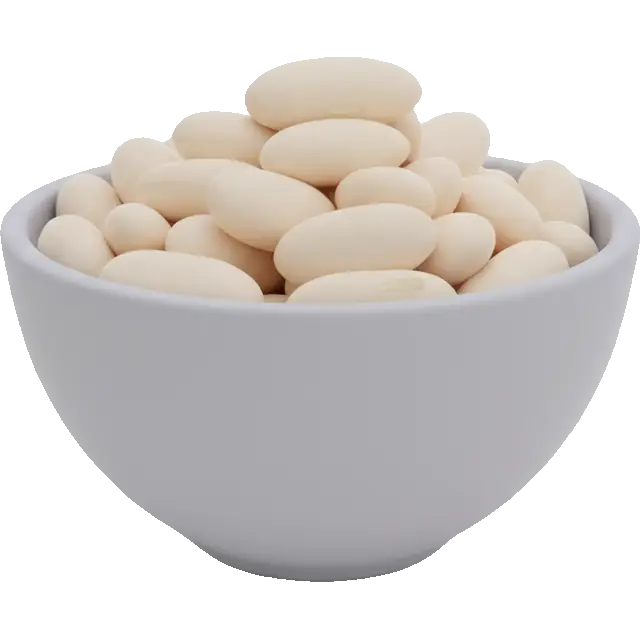
| Flageolet beans | Dried French beans; like other legumes they are high in GOS unless portioned very small/pressure‑cooked. |
| Garbanzo beans | Chickpeas. Canned/rinsed small serves can be low FODMAP; larger portions high in GOS/fructans. Not AIP (legume). |
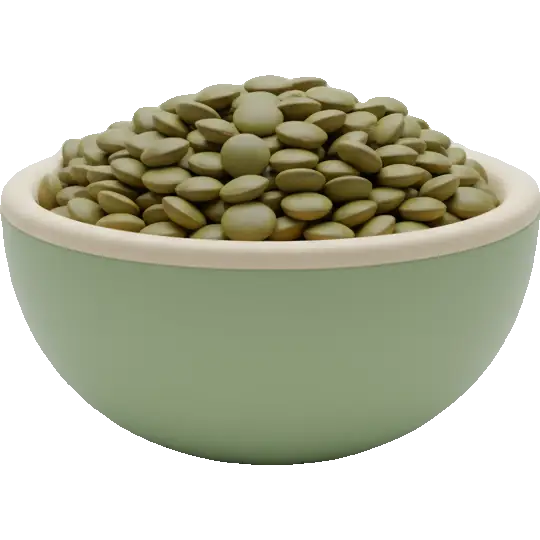
| Green lentils | High in GOS; canned/rinsed or small boiled portions are better tolerated. |
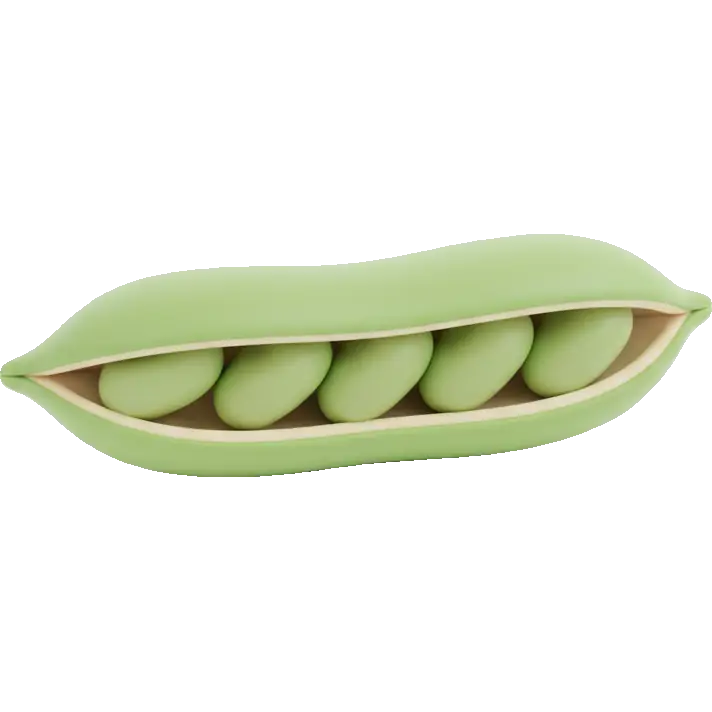
| Green peas | Green peas are sweet seeds in pods. A tender spring vegetable eaten fresh or frozen. |
| Horse gram | High in GOS like other legumes; soak/pressure-cook to reduce FODMAPs. |
| Hummus | Chickpeas + tahini + garlic. Canned/rinsed chickpeas and garlic-infused oil versions are gentler. |
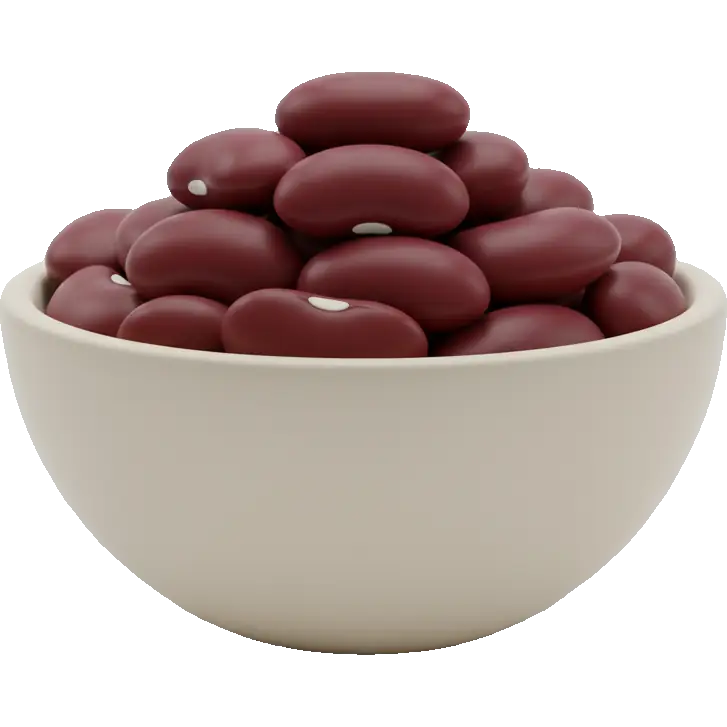
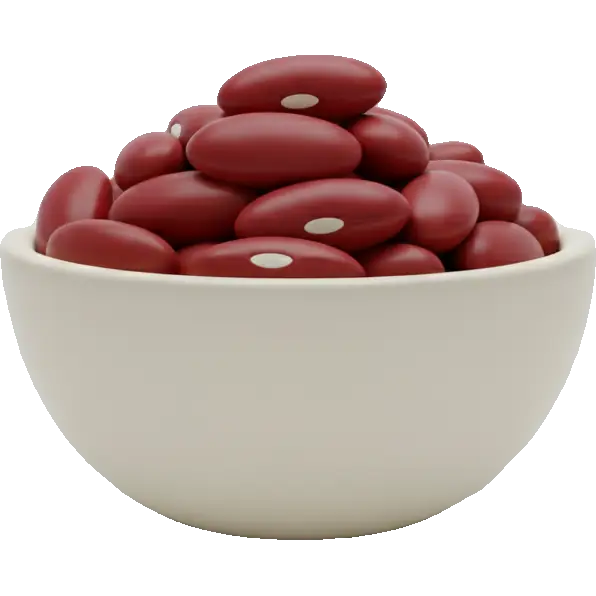
| Kidney beans | Kidney beans are large red kidney-shaped beans. A meaty bean used in chili and red beans and rice. |
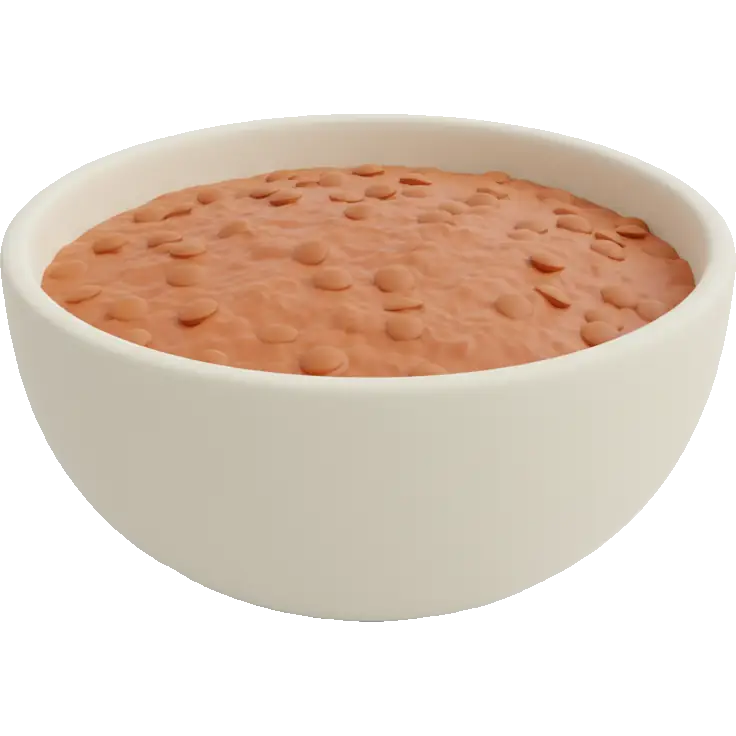
| Lentils | Lentils are small lens-shaped legumes. A quick-cooking protein-rich legume in many colors. |
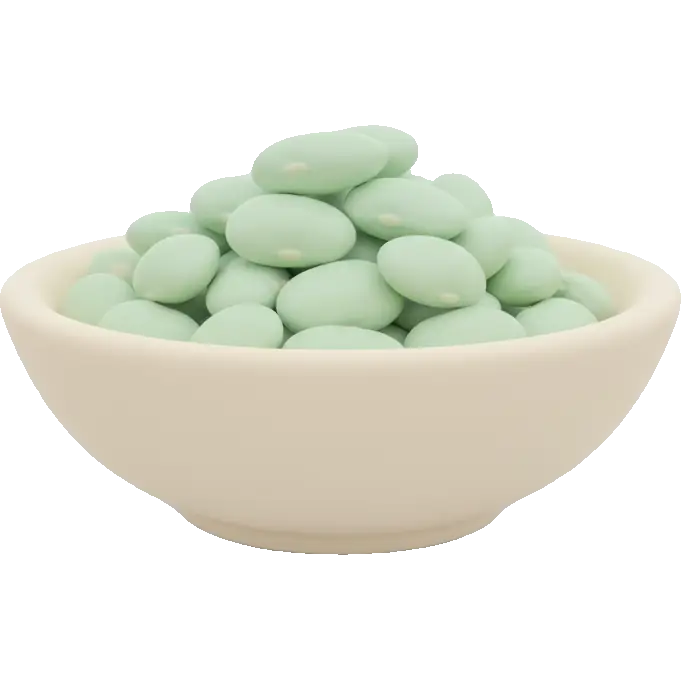
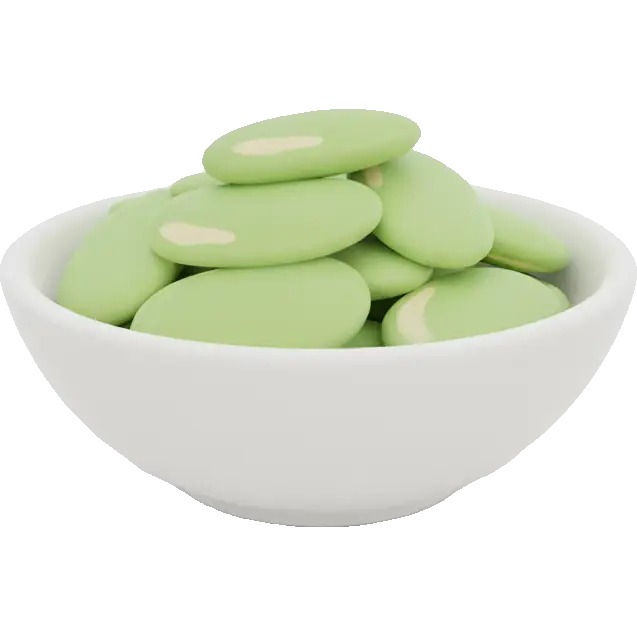
| Lima beans | Lima beans are large flat pale green beans. A starchy creamy bean also called butter beans. |
| Lupin beans | Very high in GOS like other legumes; pickled/rinsed small serves may be better tolerated. |
| Miso paste | Fermented soy paste; low FODMAP in small serves. Can contain barley (gluten) depending on type. High in free glutamates and biogenic amines. |
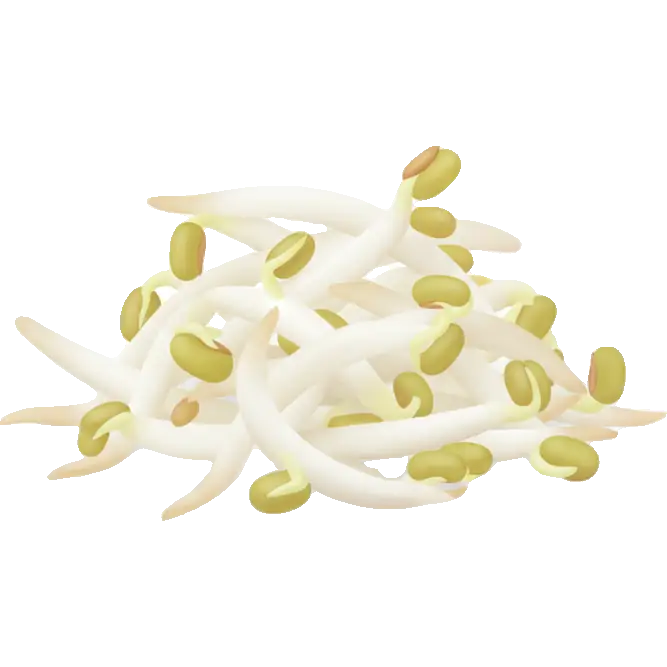
| Mung beans | Like other legumes, high in GOS; small canned/soaked portions may be better tolerated. (Sprouts differ.) |
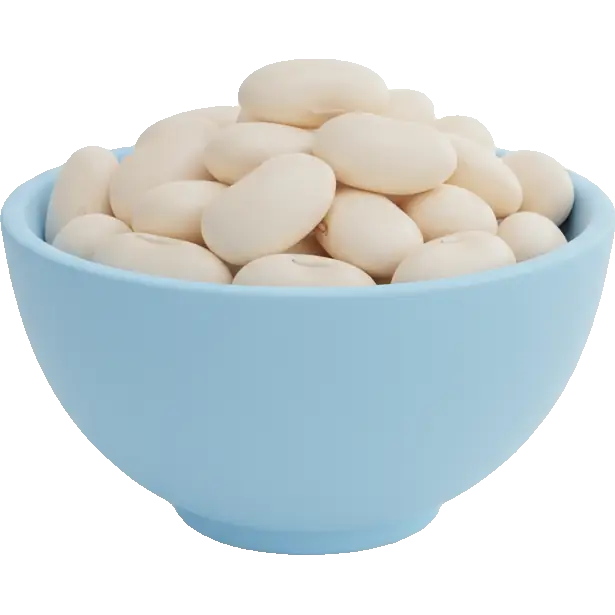
| Navy beans | High in GOS; canned and well-rinsed small portions are better tolerated. |
| Pigeon peas | Legume high in GOS; soaking/pressure-cooking helps but standard servings are high FODMAP. Also high in lectins and nickel. |
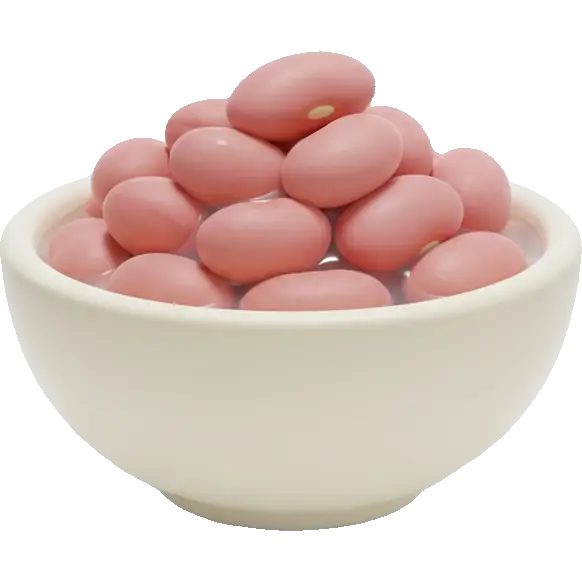
| Pink beans | Common bean; high in GOS at standard serves. Rinsing canned beans and small portions improve tolerance, but still often high FODMAP. |
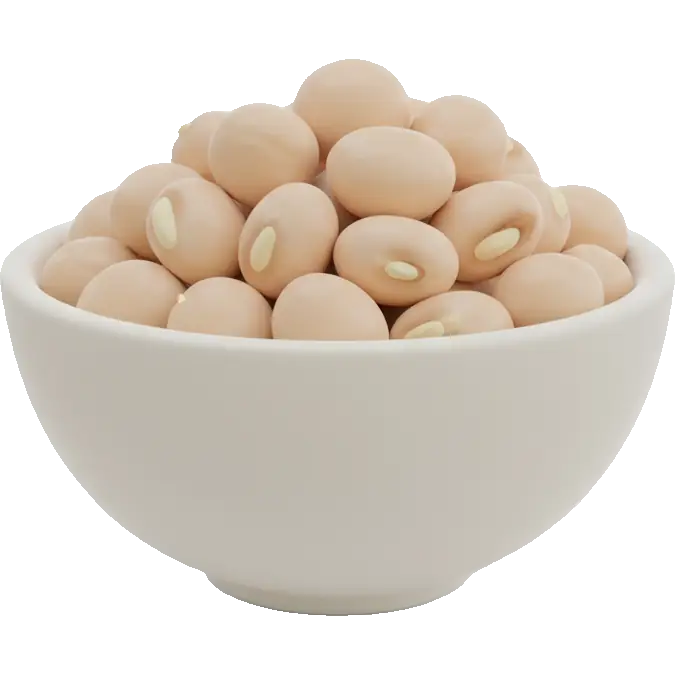
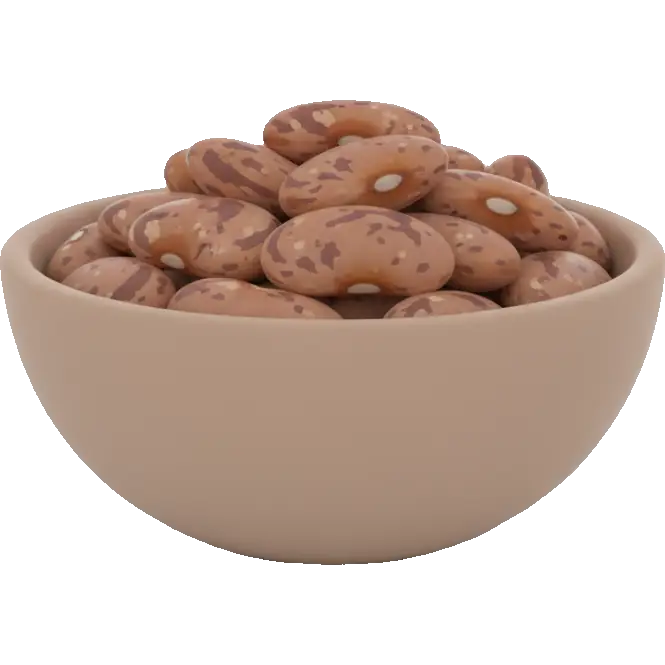
| Pinto beans | Pinto beans are speckled beige and brown beans. A creamy bean essential in Mexican refried beans. |
| Pistachios | Pistachios are green nuts in split shells. A sweet slightly savory nut with distinctive color. |
| Red beans | Legume; high GOS unless canned/rinsed. Legumes are also higher in nickel; start with small serves. |
| Red lentils | High GOS (and some fructans). Canned/rinsed or small serves reduce FODMAP load. |
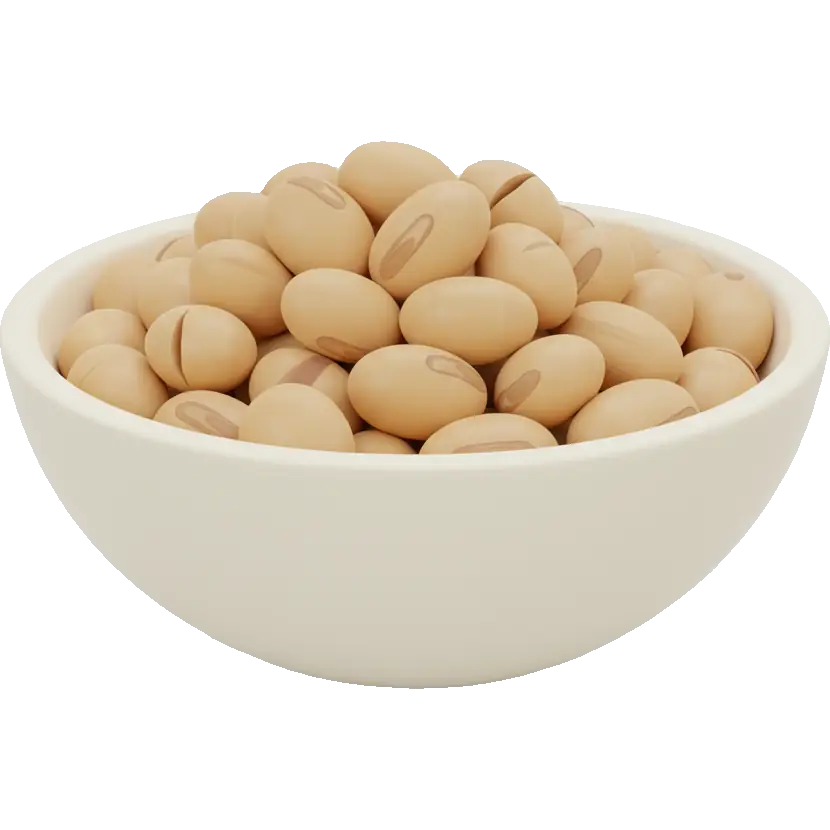
| Soy beans | Soybeans are protein-rich Asian legumes. A versatile bean made into tofu tempeh and milk. |
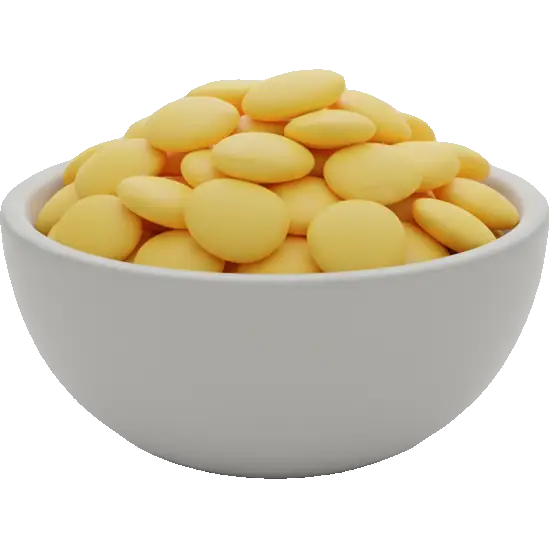
| Soy nuts | Roasted soybeans; high in GOS (like other legumes). Small serves may still trigger symptoms. |
| Split chickpeas | Also called chana dal/split garbanzo. Standard chickpea servings are high in GOS; some split/soaked forms test lower—portion and preparation matter. |
| Split lentils | Dehulled/red/yellow lentils can be lower FODMAP than whole at small serves, but still contain GOS—rinsing/cooking water discard helps. |
| Urad dal | Like most legumes, high in GOS (a FODMAP). Soaking/cooking/canning can lower GOS; small portions after reintroduction. |
| White beans | High GOS; canned & well-rinsed small portions are better tolerated than boiled. Reintroduce cautiously. |
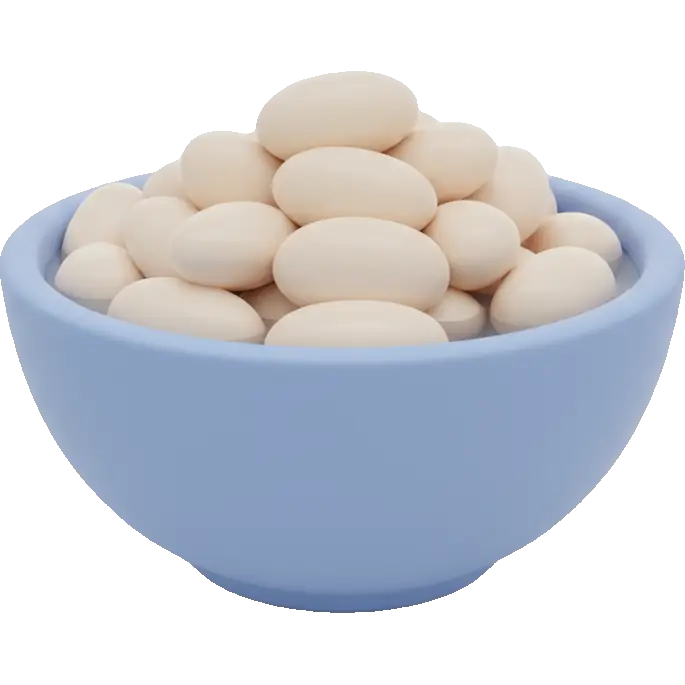
| White or navy beans | White or navy beans are small oval white beans. A mild creamy bean used in soups and baked beans. |
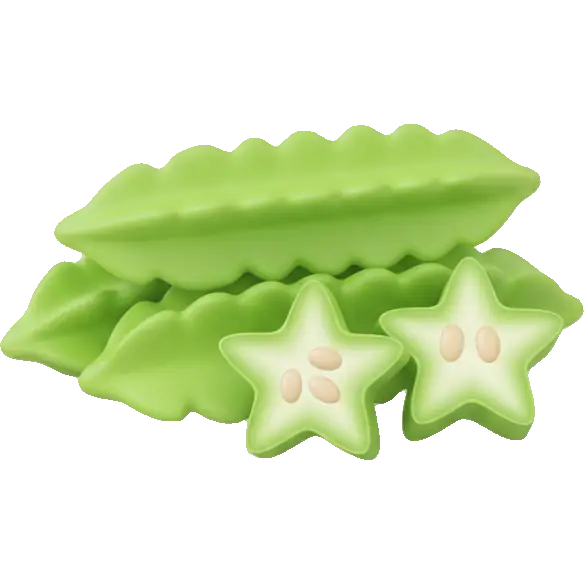
| Winged beans | Legume; likely high GOS. Soaking/cooking may lower FODMAPs but data limited—trial small amounts after reintro. |
| Yellow lentils | Dehulled lentils still contain GOS. Canned/rinsed small portions are often better tolerated than boiled. |
| Yellow split peas | High in GOS; small serves may be tolerated post-reintroduction. |
Moderate33 foods
| Food | Notes |
|---|---|
| Almond butter | Low FODMAP only in a small serve (see Monash app). Tree‑nut allergen; also naturally higher in oxalates. |
| Amaranth | Amaranth is an ancient grain-like seed. A protein-rich pseudocereal with earthy flavor. |
| Amaranth grain | Naturally gluten‑free pseudocereal. Fiber‑dense—introduce gradually if sensitive; cross‑contact with gluten can occur, so seek certified GF if needed. |
| Cashew milk | Commercial cashew milks are dilute; several are certified/considered low FODMAP around a 1‑cup (240 ml) serve. |
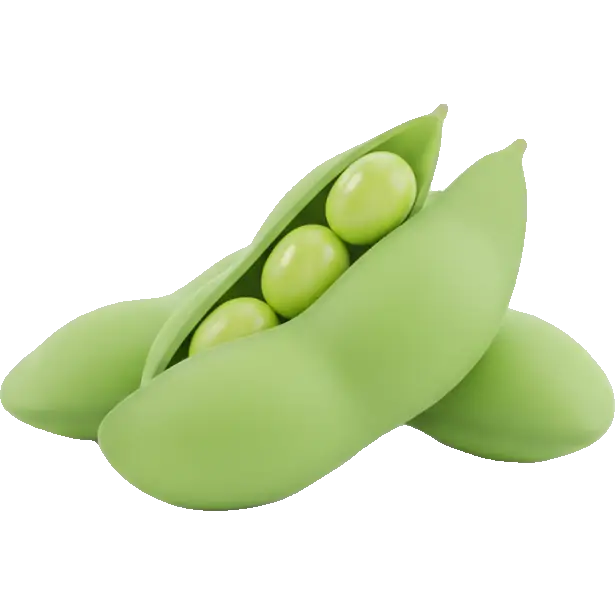
| Edamame | Low FODMAP around 75 g (½ cup) shelled; larger serves increase GOS. |
| Freekeh | Cracked green wheat (contains gluten). High in fructans. Not allowed on AIP or EoE 6-FED (wheat). |
| Hazelnut | Hazelnut is a round brown nut in a husk. A sweet rich nut used in chocolate and baking. |
| Hemp protein | De-oiled hemp seed cake milled into powder; keeps the seed fibre so a full 30g scoop goes well past the 20g serve tested for hemp seeds. Start with half a scoop and build up. Pressing out the oil concentrates minerals so nickel runs higher than whole seeds; naturally gluten-free but check for shared-mill warnings. |
| Kamut flour | Ancient wheat containing gluten; high in fructans—avoid for coeliac and low-FODMAP. |
| Korma paste | Often includes onion/garlic, nuts, dairy/yogurt; some brands add wheat—check labels. |
| Lotus seeds | Also called fox nuts/makhana; moderate FODMAP—watch portions (GOS). |
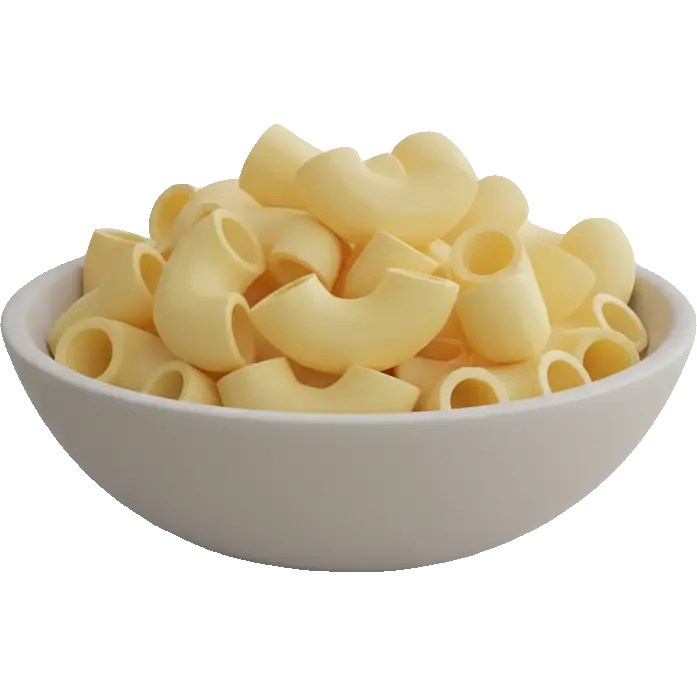
| Macaroni | Wheat pasta → gluten and high fructans at standard serves; choose GF pasta for low FODMAP/coeliac. |
| Meat-free mince | Meat-free ground mince from soy or pea protein; usually lower in fat than beef mince; check for wheat gluten binder. |
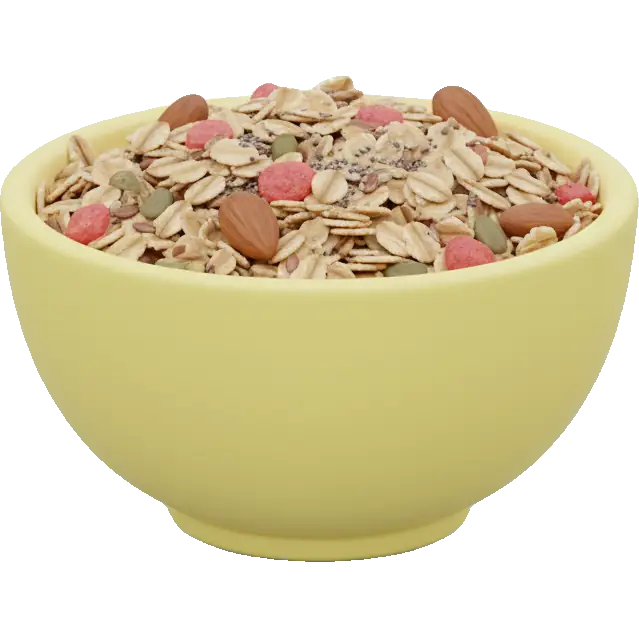
| Muesli cereal | Varies by recipe: oats + nuts + dried fruit often drive fructans/GOS/polyols; choose GF oats and low-FODMAP fruit. |
| Oat milk | Oat milk is plant-based oat beverage. A creamy slightly sweet dairy alternative. |
| Oat yogurt | Cultured oat milk; lactose-free; oats carry gluten cross-contact unless certified; higher FODMAP than other plant yogurts. |
| Orzo | Wheat pasta shape → gluten; high in fructans at regular serves. |
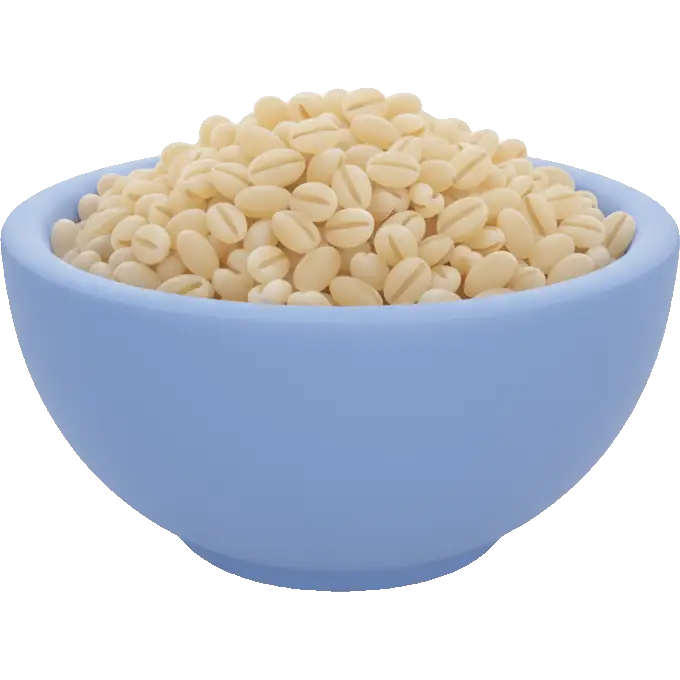
| Pearl barley | Contains gluten; barley is high in fructans—avoid for coeliac and during low‑FODMAP elimination. |
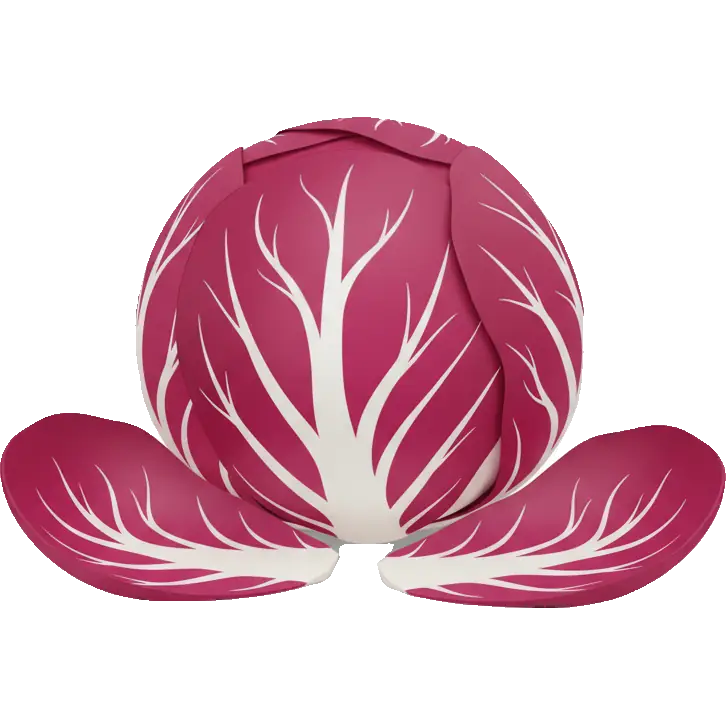
| Radicchio leaves | Chicory family; low-FODMAP at normal serves; larger portions may introduce some GOS. |
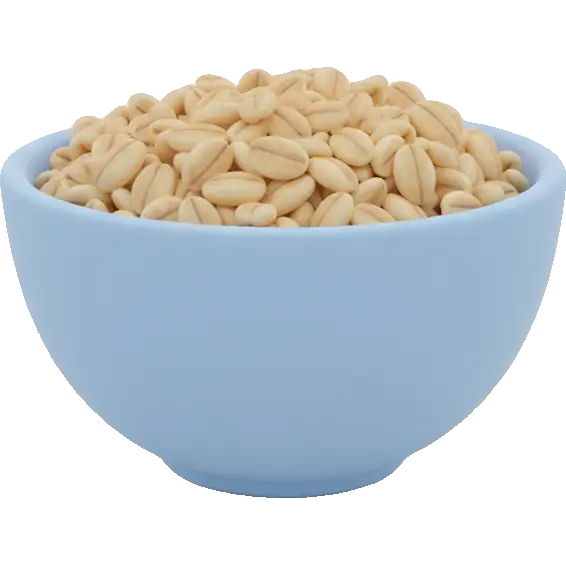
| Rolled barley | Rolled barley is flattened barley grains. A quick-cooking barley for cereals and baking. |
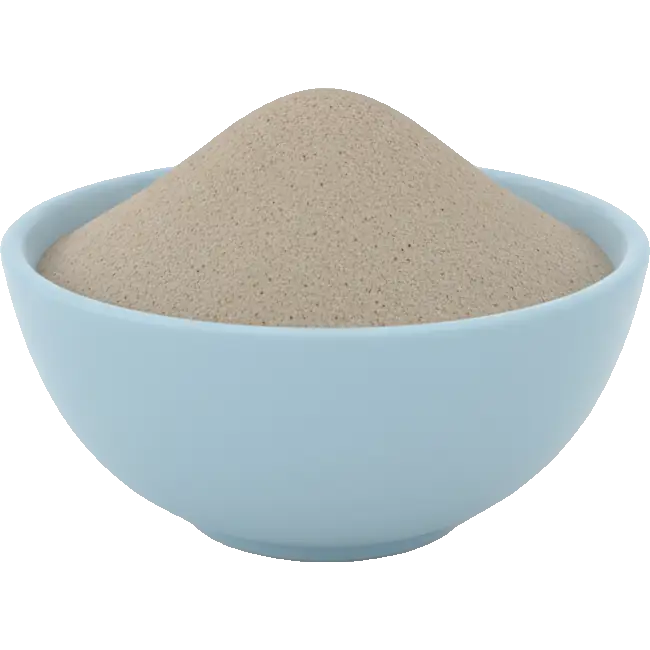
| Rye flour | Rye flour is ground rye grain. A dense flour used in breads like pumpernickel. |
| Satay sauce | Satay sauce is peanut-based dipping sauce. A creamy Southeast Asian condiment. |
| Semolina | Semolina is coarse durum wheat flour. A grainy flour used for pasta and couscous. |
| Smoothie | Highly variable; blending encourages larger fruit portions and FODMAP stacking. Use low-FODMAP fruits/milks and watch serve size. |
| Snow peas | Snow peas are flat edible-pod peas. A sweet crisp vegetable eaten whole. |
| Soy milk | Soy milk is plant-based soybean beverage. A protein-rich dairy alternative. |
| Soy yogurt | Fermented soy milk with live cultures; no lactose or dairy protein; histamine and tyramine rise with culture time. |
| Tortellini | Wheat pasta + cheese/meat filling → gluten + lactose. Choose GF, lactose-free versions if needed. |
| Vegan mayonnaise | Aquafaba-based is HIGH FODMAP (GOS); oil-based without aquafaba is LOW FODMAP. Seed oils incompatible with Paleo/AIP; avocado oil versions are anti-inflammatory. |
| Veggie patty | Meat-free burger patty from beans soy or pea protein; check for egg or dairy binders and wheat gluten. |
| Veggie sausage | Meat-free sausage from soy or pea protein; no nitrites or animal fat; check for wheat gluten binder and added sulfites. |
| White miso | Small servings can be low FODMAP; check label for barley/wheat (gluten). Fermented foods may contain biogenic amines. |
| Yardlong beans | Also called asparagus beans; pod stage similar to green beans. Limited testing; some sources suggest low FODMAP at moderate serves. |














How much is too much
How you prepare pulses changes how much GOS reaches your gut.
Tinned pulses, drained and rinsed, carry noticeably less than dried ones you cooked yourself, since GOS is water-soluble and a good deal of it leaves in the liquid. Soaking dried beans overnight and throwing the soaking water away does the same job. Sprouting reduces it further.
Portion matters as much as preparation. A quarter of a tin of chickpeas sits inside most people's tolerance where a whole tin does not, and that difference is worth knowing before you write off hummus for life.
You can also buy the enzyme. Alpha-galactosidase supplements do what your gut cannot, and taken with the meal they work for a lot of people.
How to test it on your own evidence
Drop pulses, hummus, cashews and pistachios for two weeks, keeping the rest of your diet steady.
Then reintroduce deliberately. Start with a rinsed tinned portion, the gentlest version, before you try a home-cooked dried one. That tells you whether the problem is GOS at all or only the quantity. Work up from a couple of tablespoons.
If you react to beans but not to lentils, or to home-cooked but not to tinned, that tells you about dose and preparation.
Journal your day in 30 seconds, find your triggers.


Check any food in seconds
The GOS checker grades any food in our database, and every food on this page links to its own page with the rest of what it carries.
Where Triggerbites fits in
This list comes from the food data inside Triggerbites. The app grades every ingredient for GOS, and for the other FODMAP groups, allergens, histamine, additives and more.
You journal your day in plain words or by voice, in about 30 seconds: "porridge and a coffee for breakfast, a falafel wrap with hummus and a Coke Zero for lunch, bloated all evening." The app pulls out the chickpeas and the rest of the ingredients, grades each one, and puts them beside how you felt. Because GOS takes hours to reach the colon, it compares each symptom with what you ate earlier that day and in the days before, so the evening bloating gets matched to the lunchtime hummus.
During reintroduction the same record shows whether rinsed tinned chickpeas and home-cooked lentils behave differently for you, and you can export it as a PDF for your dietitian.




Triggerbites Features
- Log your day in 30 seconds: Text, voice or photo. Log as you go, or recap it all in the evening.
- Your food, broken down: Meals become ingredients and sensitivity profiles: histamine, salicylates, FODMAPs, allergens, and even the additives on packaged food.
- Everything in the same journal: Symptoms, supplements, sleep, stress, exercise and mood, beside what you ate.
- See what repeats over time: Patterns between what you eat and how you feel, including delayed reactions that show up days later.
Common questions
What foods are highest in GOS?
Pulses above everything else: chickpeas, lentils, kidney beans, black beans, butter beans and soy, plus hummus and baked beans. Cashews, pistachios, almonds and green peas carry meaningful amounts too.
Why can nobody digest GOS?
Because humans do not produce alpha-galactosidase, the enzyme that splits those sugar chains. Nobody makes it, with IBS or without. What differs between people is how much the resulting gas bothers the gut.
Does rinsing tinned beans help?
Yes, noticeably. GOS is water-soluble, so draining and rinsing removes a fair amount of what is in the tin. Soaking dried beans overnight and discarding the soaking water does the same thing.
Do Beano and similar products work?
They supply alpha-galactosidase, the enzyme your gut lacks, so taken with the meal they do the job your digestion cannot. Many people find they work well, though the dose has to match the size of the meal.
Are GOS supplements bad then?
Not at all. GOS is added to infant formula and sold as a prebiotic precisely because those gut bacteria are worth feeding. It causes trouble only in a gut that reacts badly to the gas that fermentation produces.
How long after eating beans do symptoms start?
Usually four to twelve hours, since the GOS has to travel the length of the small intestine before anything happens. A late lunch of chickpeas often shows up in the evening.
Live, love, log. 🧡
References
 Monash FODMAP
Article References and Citations
- Monash University: "GOS and the low FODMAP diet" - https://www.monashfodmap.com/about-fodmap-and-ibs/