High-polyol foods: the complete list, and the sugar-free trap
The FODMAP group hiding in apples, mushrooms and every packet of sugar-free gum.
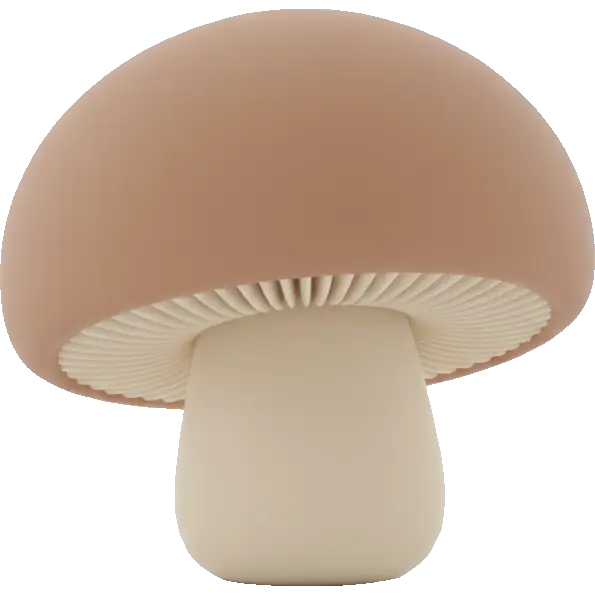
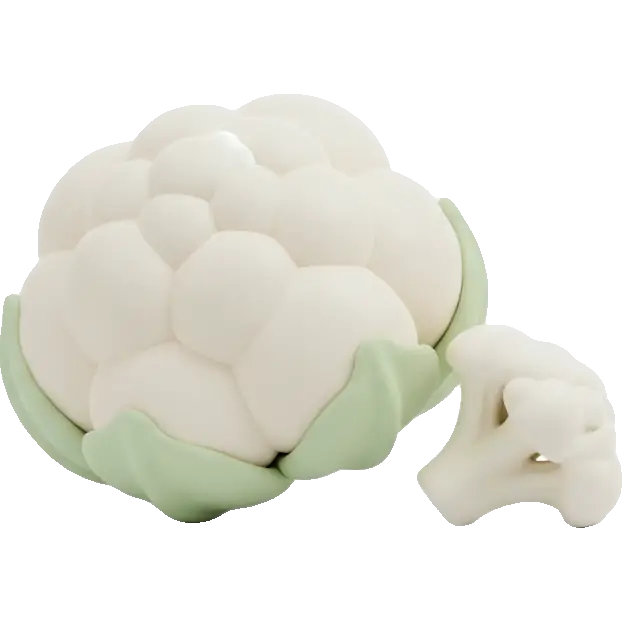
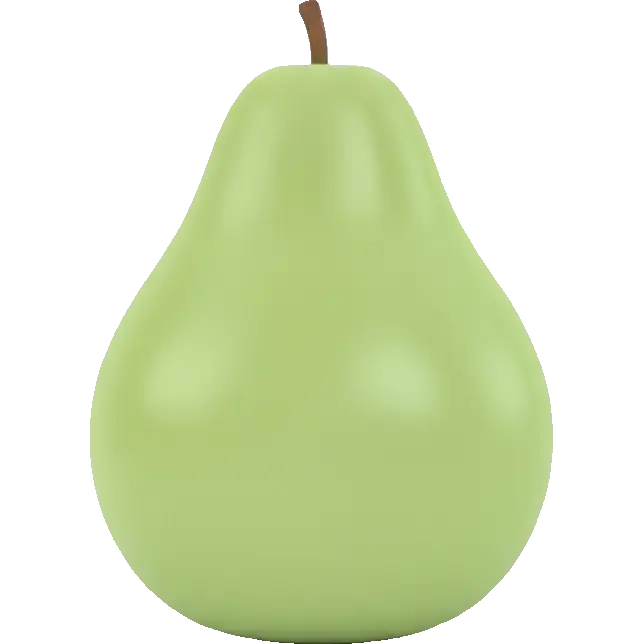
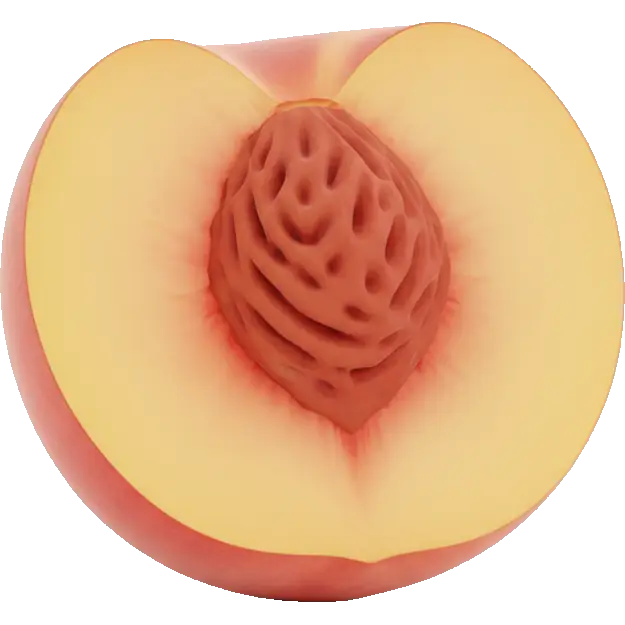
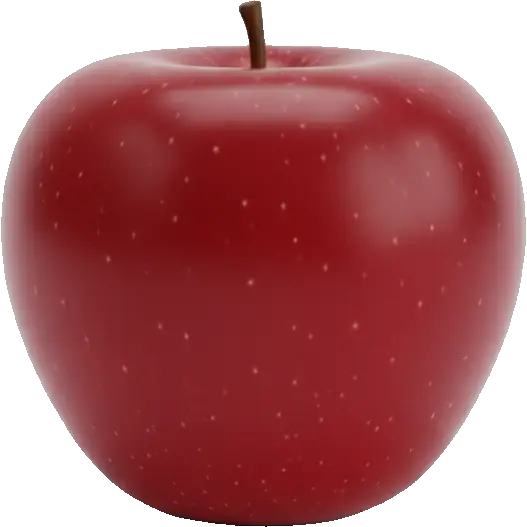
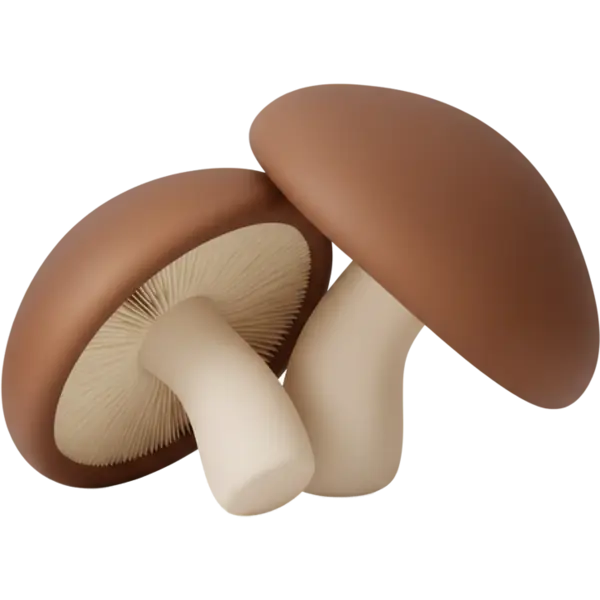
Polyols are the FODMAP group people meet without knowing it. They are in apples and pears, in stone fruit, in mushrooms and cauliflower, and in most sugar-free chewing gum, which is where a lot of people first discover they have a problem.
Below is every ingredient our database grades for polyols, and how to test them on yourself.
What polyols are
Polyols are sugar alcohols. The "alcohol" in the name is a piece of chemistry, and there is none of the drinkable kind in them. They are sugars carrying an extra hydroxyl group, and that group changes how your body handles them.
Two of them account for most of what you eat. Sorbitol occurs naturally in apples, pears, stone fruit and dried fruit. Mannitol turns up in mushrooms, cauliflower, celery and sweet potato. A third group, the ones ending in -itol on an ingredients panel, are added as sweeteners: xylitol, maltitol, erythritol and isomalt among them.
Your small intestine absorbs polyols slowly and incompletely, and how much gets through varies a great deal between people. Whatever is not absorbed does two things. It draws water into the bowel, which is why polyols loosen stools, and it reaches the colon where bacteria ferment it, which is where the gas comes from.1 The water-drawing effect is also why sugar-free mints carry a laxative warning on the packet.
The high-polyol foods
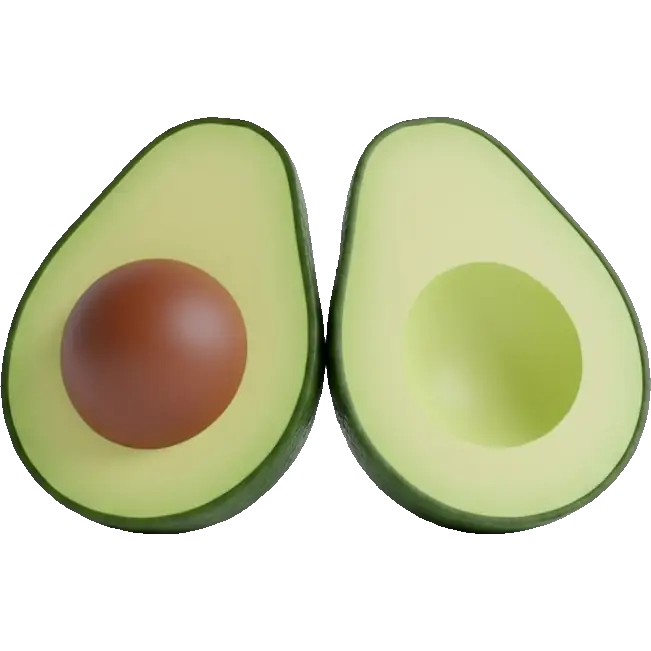
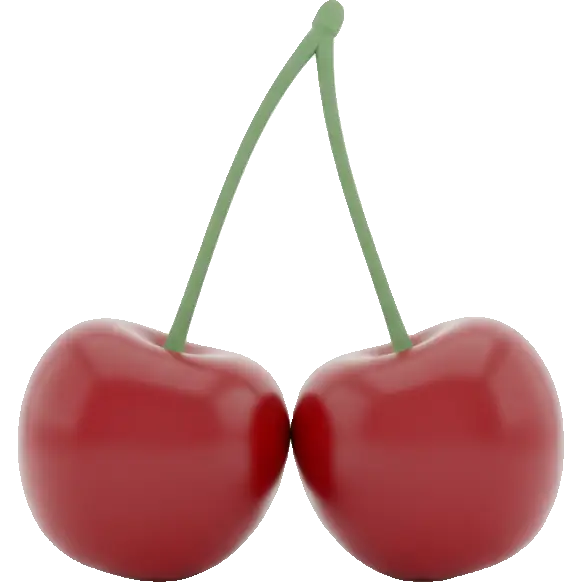
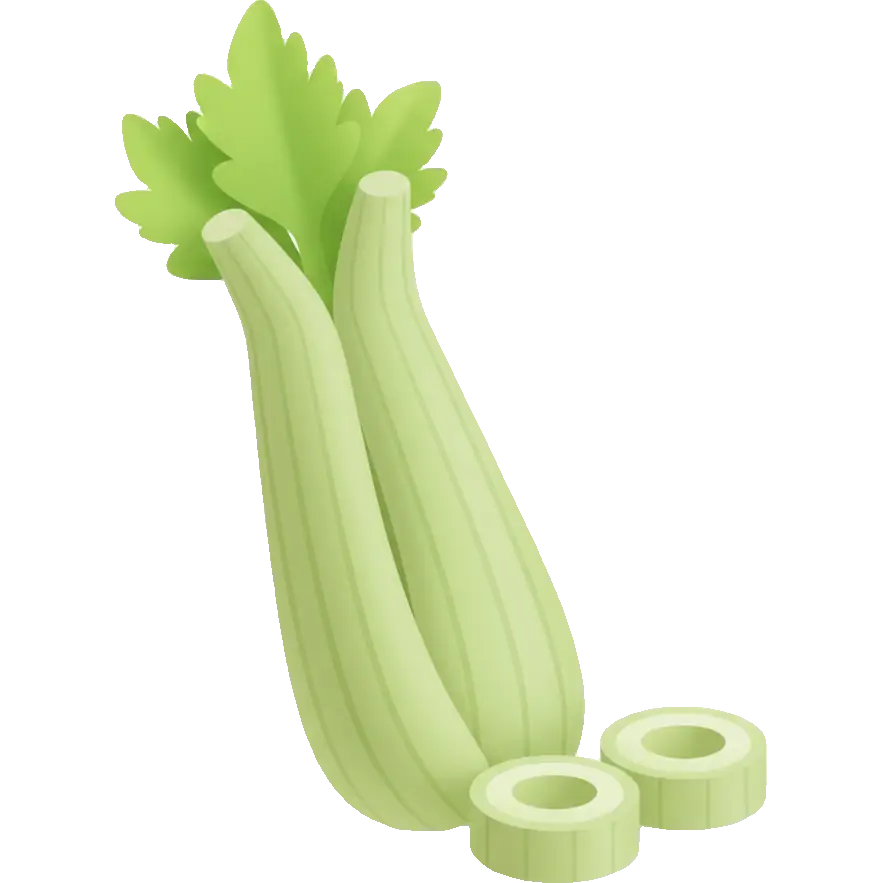
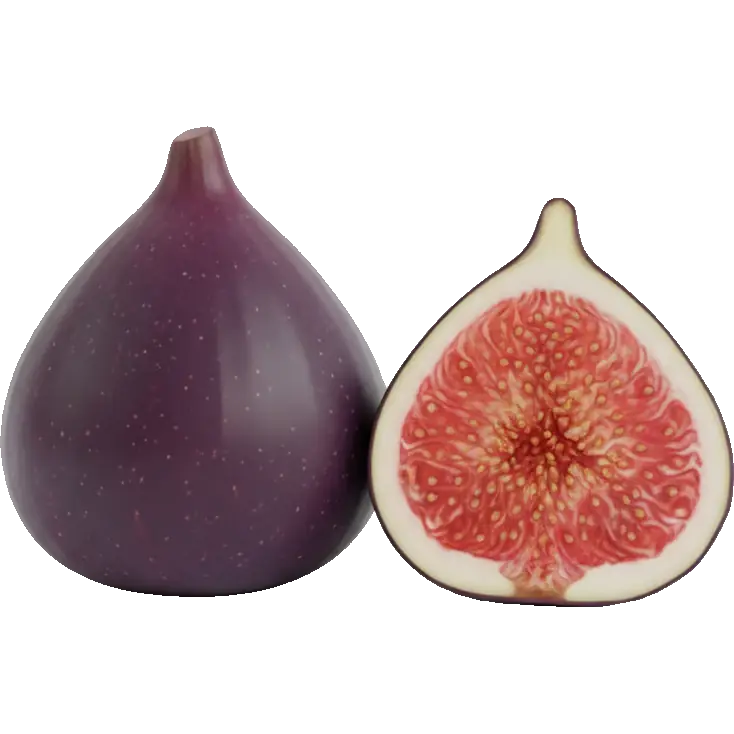
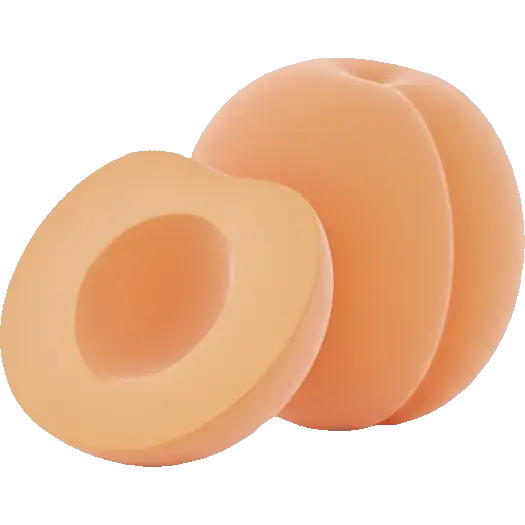
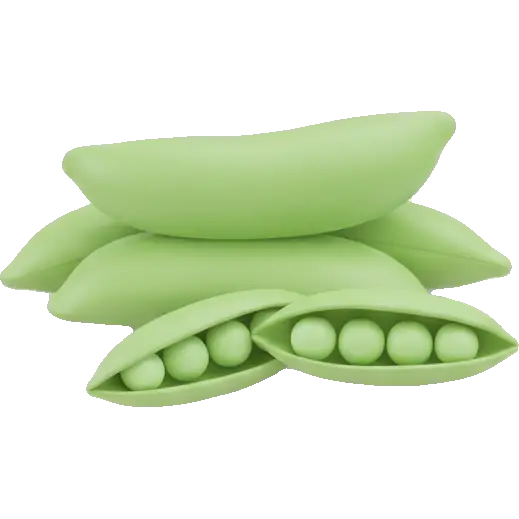
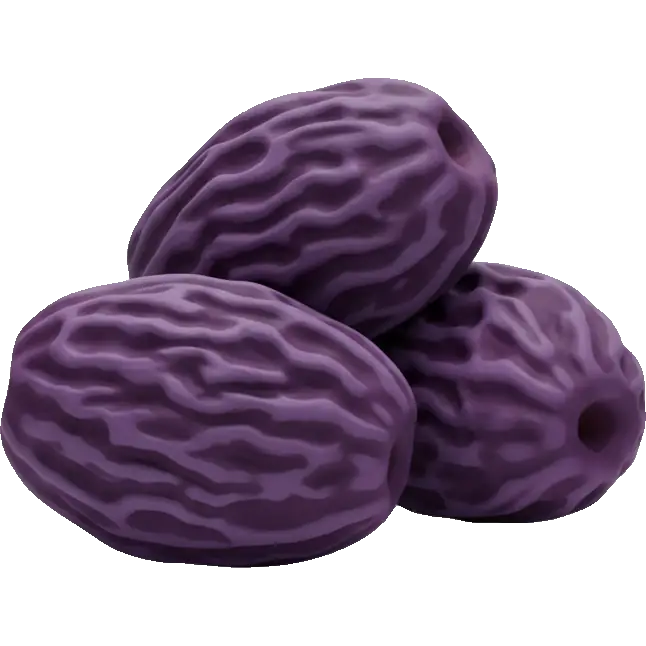
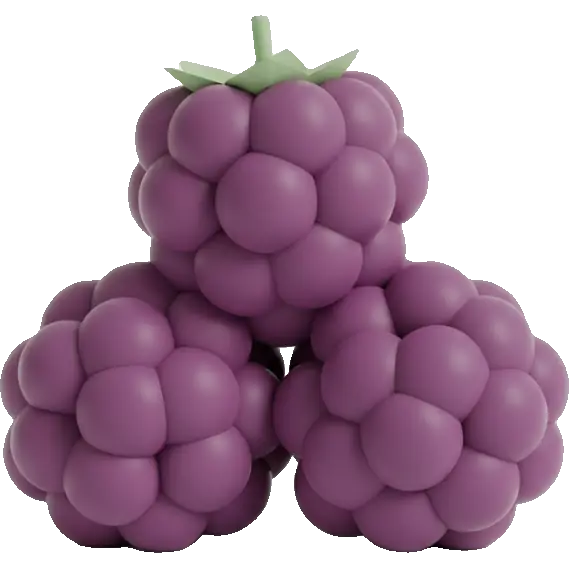
These are the high-polyol ingredients most people will recognise.



The complete list
Every food our database grades for polyols, highest first. Each one links to its own page.
Worth avoiding46 foods

| Food | Notes |
|---|---|
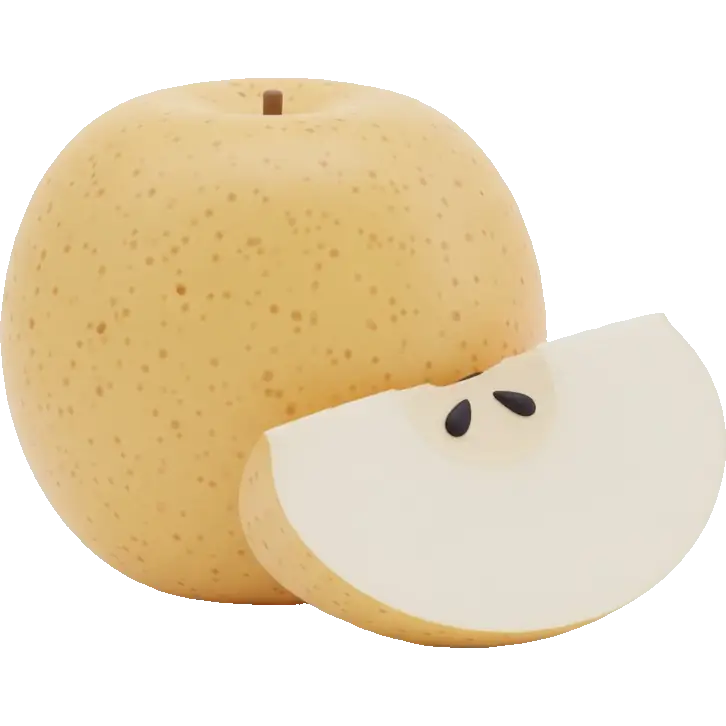
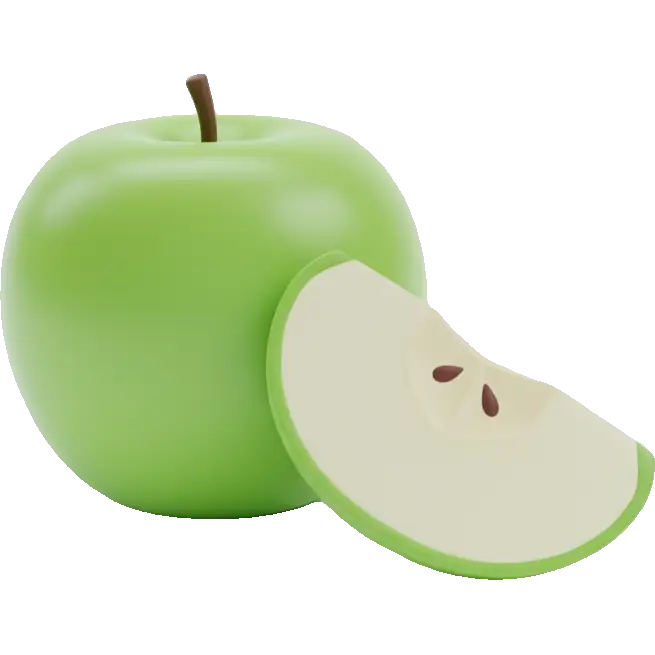
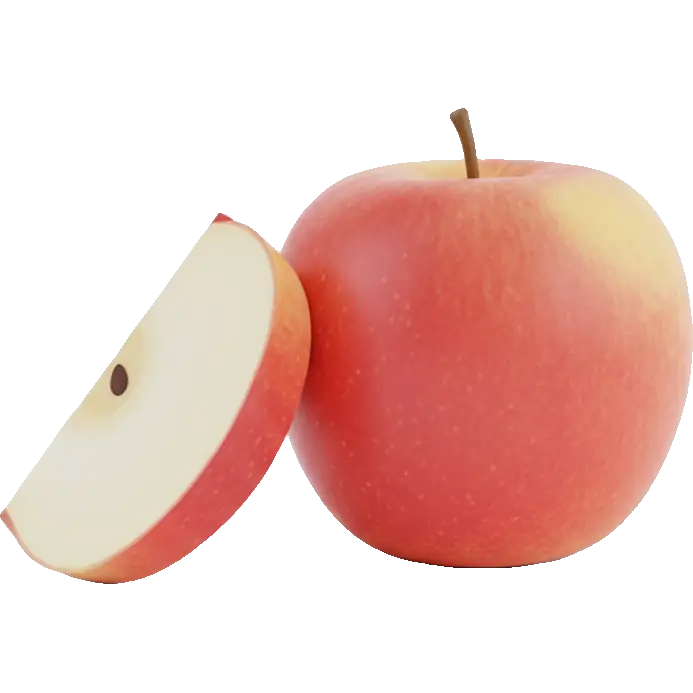
| Apple | Apple is a crisp round fruit. One of the most popular fruits eaten fresh or cooked. |
| Apple butter | Concentrated apple spread—typically high in excess fructose and sorbitol (high FODMAP). |
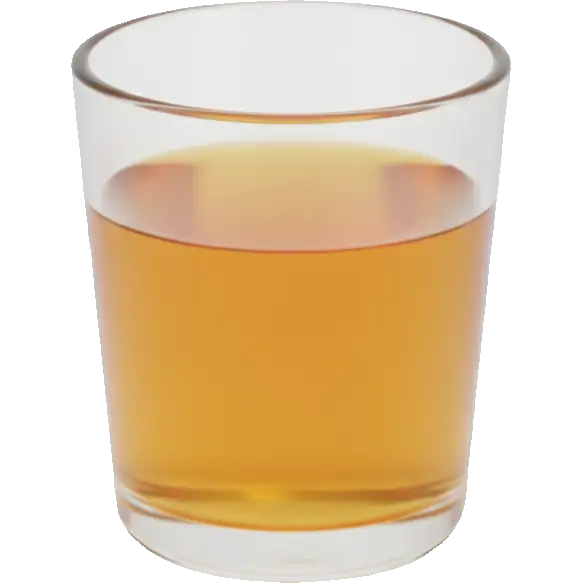
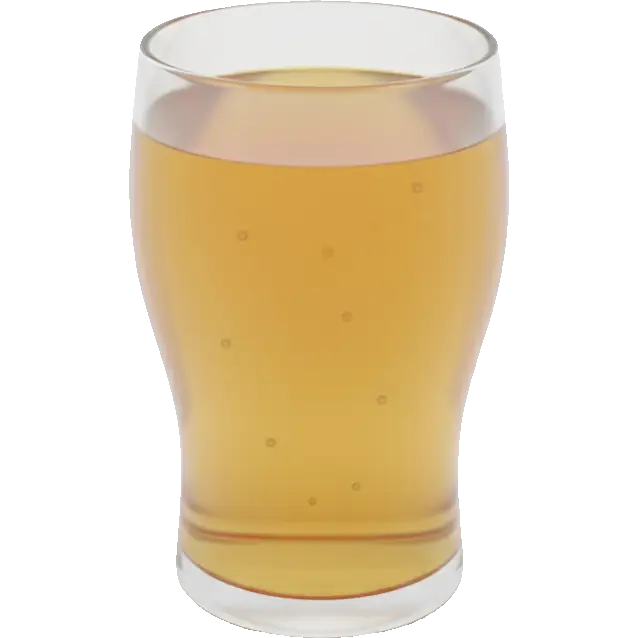
| Apple juice | High in excess fructose—common IBS trigger even in small serves (high FODMAP). |
| Apricot | Apricot is a small orange stone fruit. A sweet velvety fruit related to peaches. |
| Apricot jam | Stone‑fruit jam often high in polyols (sorbitol) and fructose; small serves only if tolerated; watch ‘reduced‑sugar’ jams (often polyols). |
| Asian pear | Also called nashi pear. High FODMAP due to excess fructose (and some sorbitol); tiny 25–30 g serves may be tolerated. |
| Avocado | Avocado is a creamy green fruit with pit. A buttery fruit used in savory and sweet dishes. |
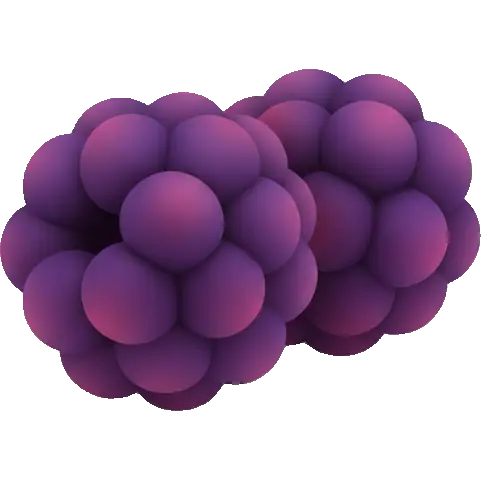
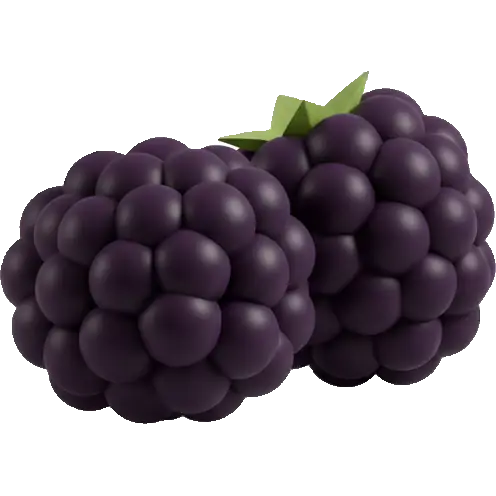
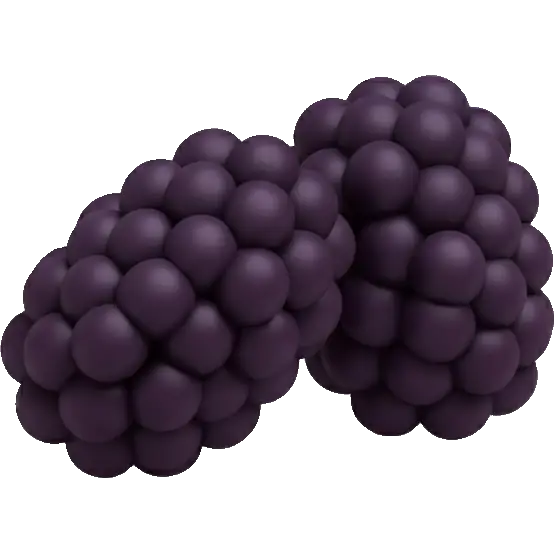
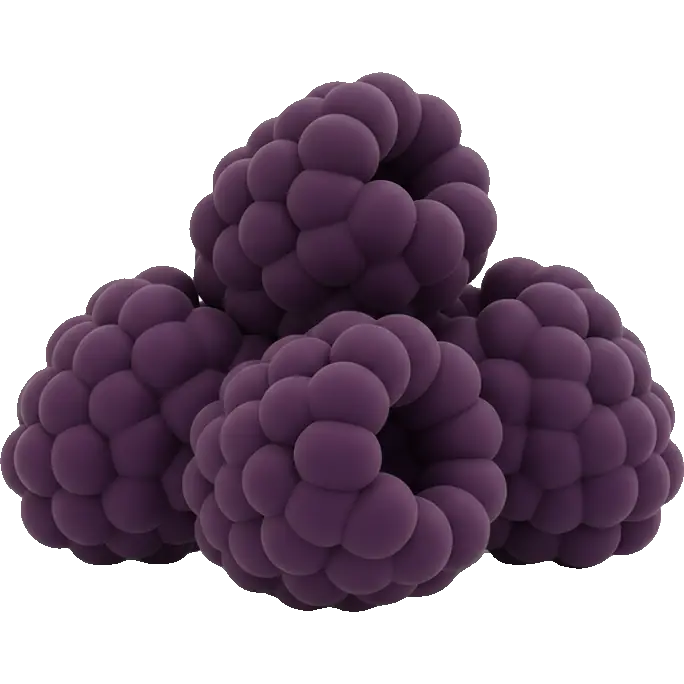
| Blackberry | Blackberry is a dark purple aggregate fruit. A sweet-tart berry growing on thorny brambles. |
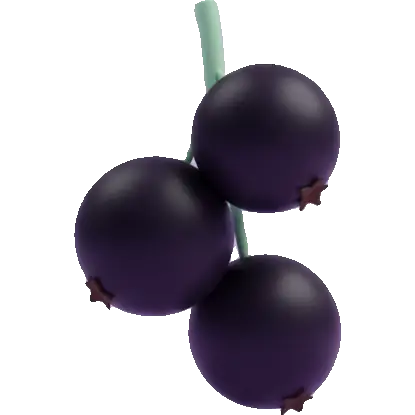
| Blackcurrant | High in sorbitol (a polyol); small portions only if sensitive to sorbitol. Rich in vitamin C and anthocyanins. |
| Boysenberry | Limited testing; likely small low‑FODMAP serve only. Larger serves often high in polyols/excess fructose. |
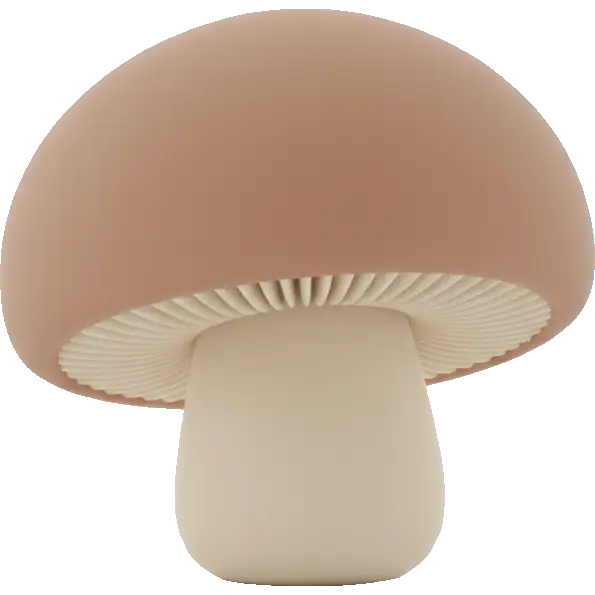
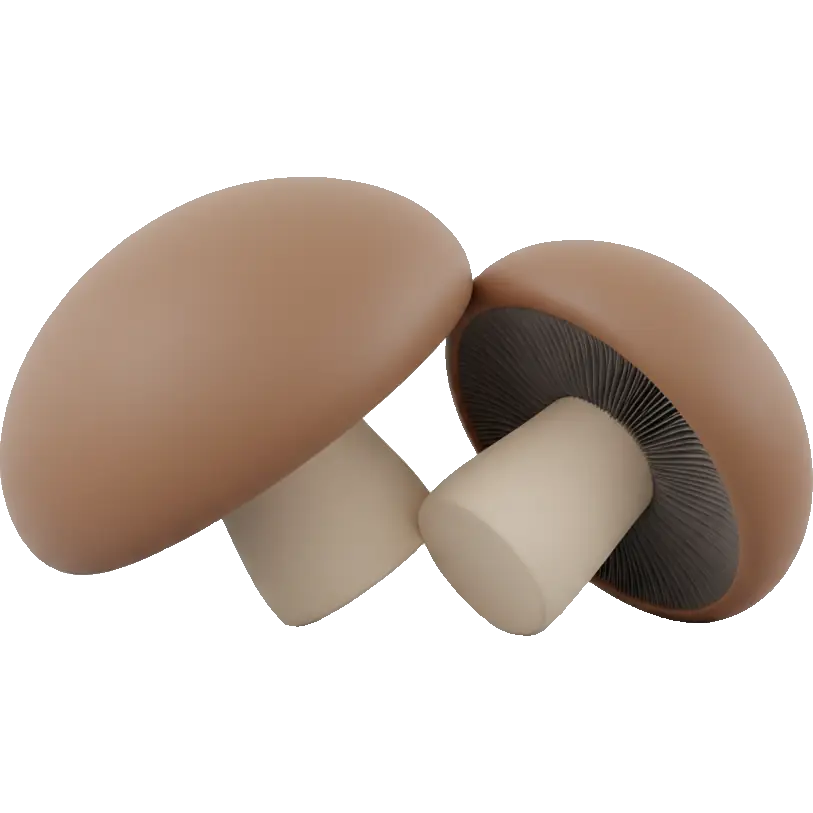
| Button mushroom | Common white mushroom; high in mannitol so a frequent FODMAP trigger; naturally glutamate rich. |
| Cauliflower | Cauliflower is a white cruciferous vegetable. A mild vegetable with dense florets. |
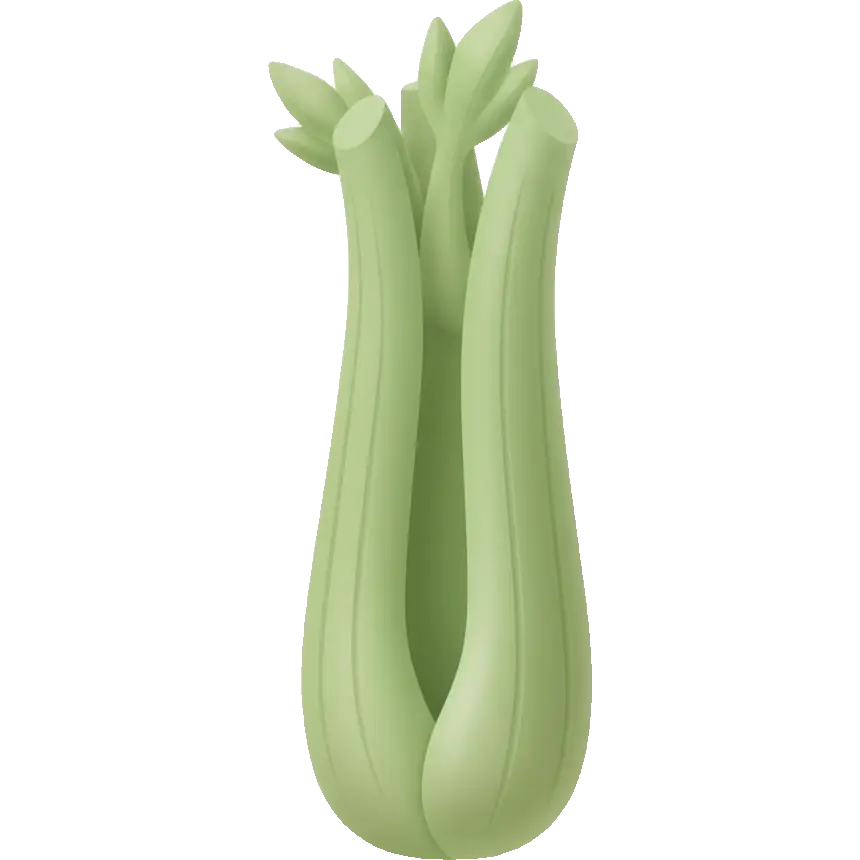
| Celery | Celery is a crunchy stalk vegetable. A mild vegetable used raw and in cooking. |
| Celery stalk | High in mannitol (polyol). Very small serves can fit low FODMAP; larger portions become high. |
| Chamomile tea | Herbal infusion that tests high FODMAP at typical serves. |
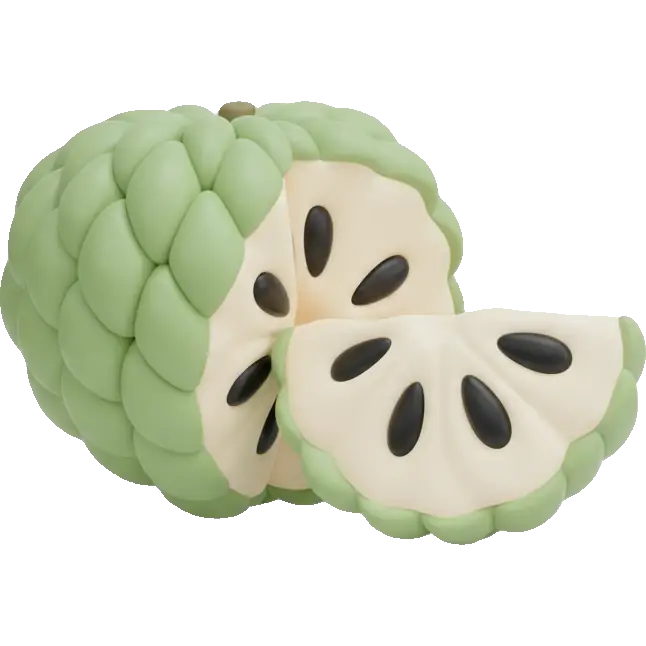
| Cherimoya | Tropical fruit likely high in sorbitol/excess fructose at typical serves—trial small portions only. |
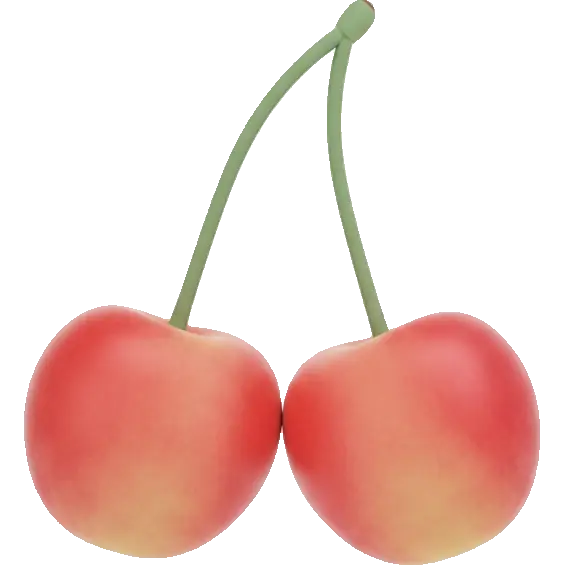
| Cherry | Cherry is a small round stone fruit. A sweet or tart fruit enjoyed fresh or in desserts. |
| Cider | Apple‑based (alcoholic or not) → often high FODMAP; alcohol and sulfites can also be issues. |
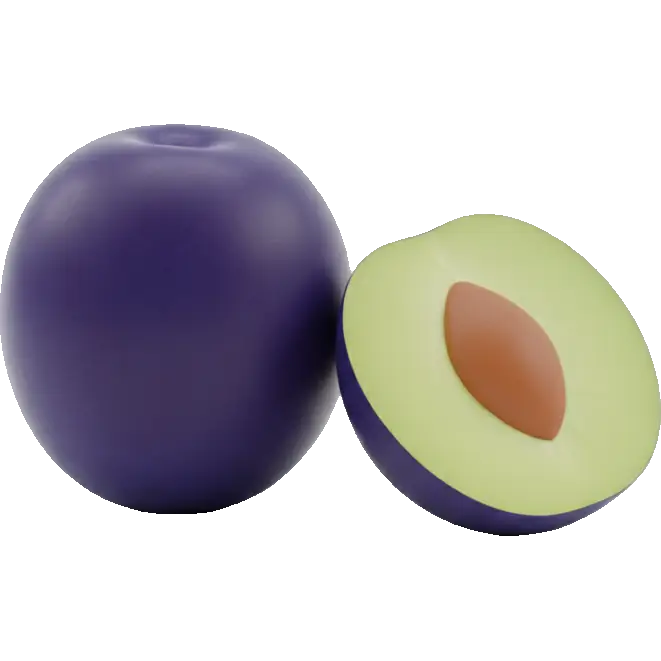
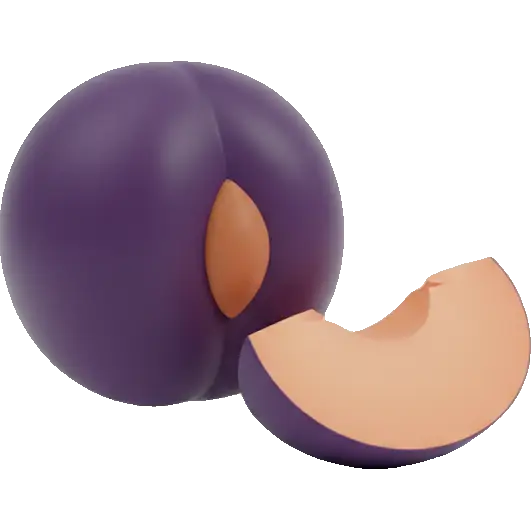
| Damson plum | Stone fruit; plums are high in sorbitol and often trigger IBS symptoms. Very small tastes only during reintroduction. |
| Dewberry | Closely related to blackberries; likely higher in sorbitol—tolerance varies. Untested specifically; trial small portions. |
| Fig | Fig is a soft teardrop fruit with seeds. A sweet honey-flavored fruit eaten fresh or dried. |
| Green apple | Apples are high FODMAP (excess fructose + sorbitol), regardless of variety. |
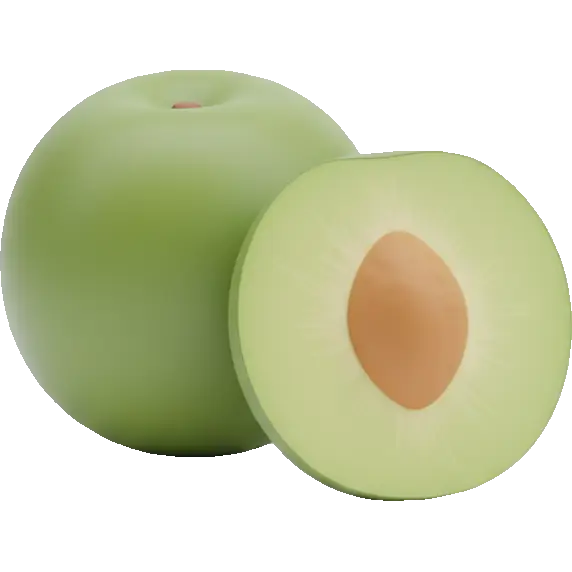
| Greengage | A type of plum; plums are high in sorbitol → high FODMAP. |
| Hard cider | Untested, but likely high FODMAP (apple-based); alcohol can irritate IBS—trial cautiously if at all. |
| Honeycrisp apple | Apples are high in sorbitol and excess fructose → high FODMAP. |
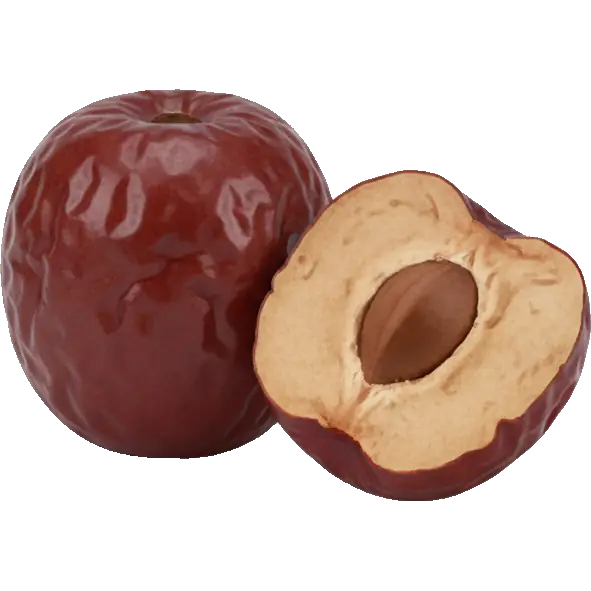
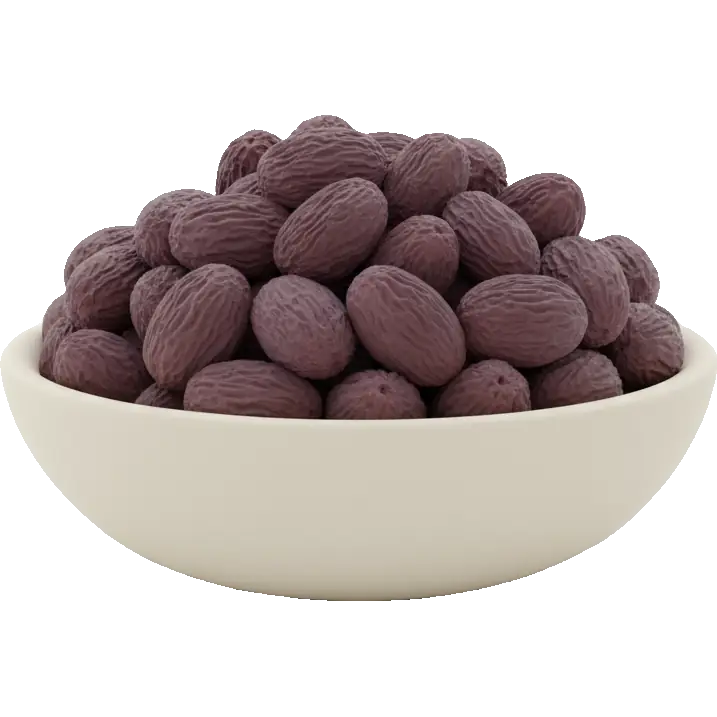
| Jujube | Fresh small serves may be tolerated; dried jujube tends to be higher in sorbitol. |
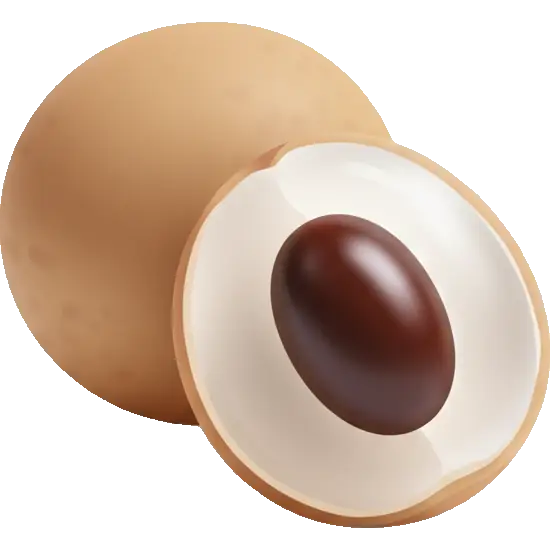
| Longan | Lychee relative; typically high FODMAP (excess fructose/sorbitol), especially dried/canned. |
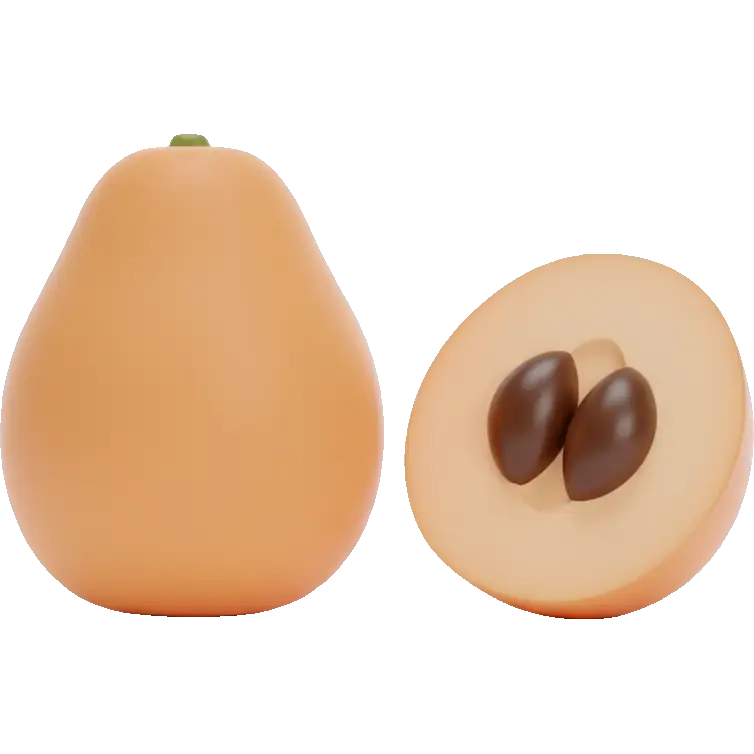
| Loquat | High in sorbitol (polyol) → high FODMAP at common serves. |
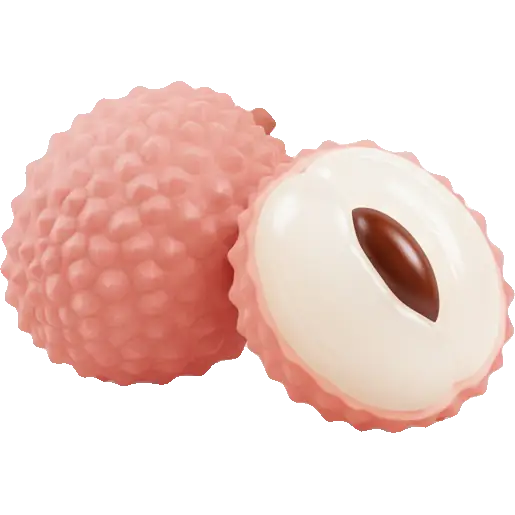
| Lychee | High in excess fructose/sorbitol, especially dried/canned → high FODMAP. |
| Marionberry | Similar to blackberries; polyol (sorbitol) load rises with portion. Small serves may be tolerated. |
| Mushroom | Mushroom is an edible fungus. A savory umami-rich ingredient in many varieties. |
| Nectarine | Nectarine is a smooth-skinned peach variety. A sweet juicy stone fruit. |
| Olallieberry | Blackberry hybrid; blackberries are high in polyols (sorbitol) at common serves. |
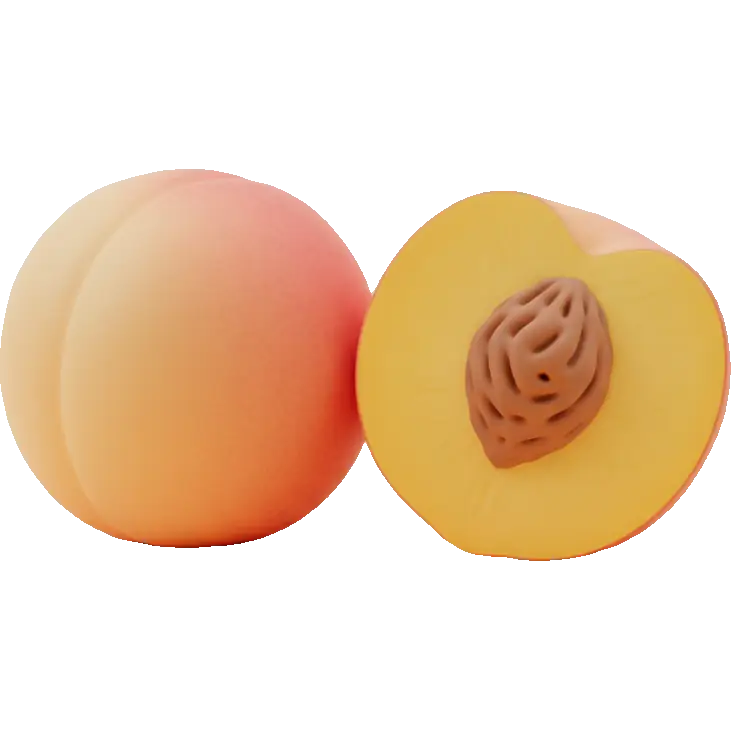
| Peach | Peach is a fuzzy stone fruit. A sweet juicy summer fruit with yellow flesh. |
| Pear | Pear is a bell-shaped fruit. A sweet juicy fruit with grainy texture. |
| Perry | Pear cider; pears are high in excess fructose and sorbitol. Alcoholic ciders and perry often contain added sulfites. |
| Plum | Plum is a round stone fruit. A sweet juicy fruit in many colors. |
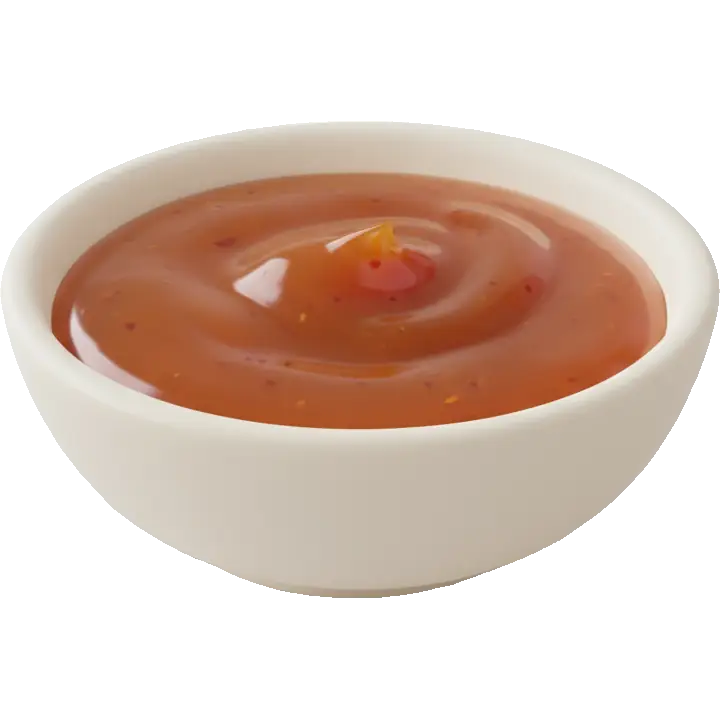
| Plum sauce | Sweet-sour condiment with plums (sorbitol), sugar, and often garlic/onion/soy sauce—commonly high in polyols and FODMAPs. |
| Portobello mushroom | High in mannitol (polyol) → often a FODMAP trigger; tolerance improves at very small portions. |
| Prune | Prune is a dried plum. A sweet chewy dried fruit with concentrated flavor. |
| Queen anne cherry | Sweet cherry cultivar; high FODMAP (sorbitol + excess fructose). Small portions only if tolerated. |
| Red delicious apple | High in sorbitol + excess fructose → common FODMAP trigger. |
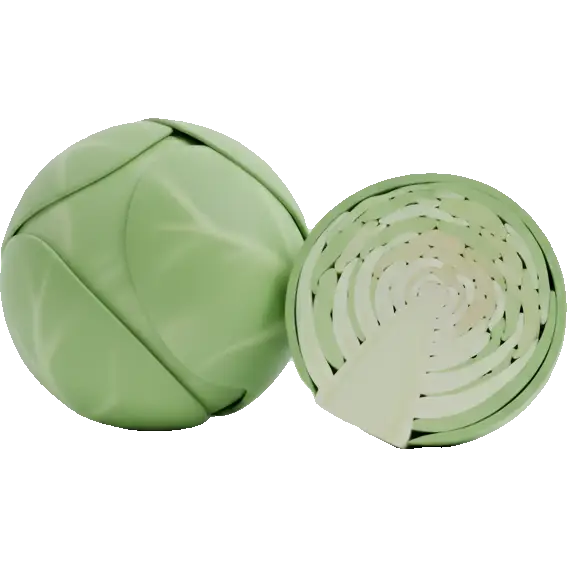
| Sauerkraut | Sauerkraut is fermented shredded cabbage. A tangy probiotic condiment from Germany. |
| Shiitake mushroom | Intensely umami mushroom; very high free glutamate and notable histamine; drying concentrates both. |
| Snow peas | Snow peas are flat edible-pod peas. A sweet crisp vegetable eaten whole. |
| Wasabi | Commercial pastes often contain sorbitol (E420) and fillers; wasabi powder (reconstituted) is the safer low-FODMAP option. |

Moderate36 foods
| Food | Notes |
|---|---|
| Banana | Banana is a curved yellow tropical fruit. A sweet creamy fruit eaten fresh or cooked. |
| Barbecue sauce | Brands vary; many contain onion/garlic (fructans) and HFCS. Some Monash-certified low FODMAP BBQ sauces exist—check labels for onion/garlic and wheat. |
| Beet | Beet is a deep red root vegetable. A sweet earthy root with edible greens. |
| Beet juice | Concentrated beetroot can push FODMAP load (mannitol/fructans) and oxalates higher than whole cooked beet servings. |
| Beetroot | Small serves of cooked beetroot can be low–moderate FODMAP; larger serves become high due to polyols (mannitol). Also moderately high in oxalates. |
| Blue cheese dressing | Typically contains blue cheese + buttermilk/sour cream and often garlic/onion. FODMAP and lactose depend on brand; check labels. |
| Blueberry | Blueberry is a small round blue fruit. A sweet antioxidant-rich North American berry. |
| Broccoli | Broccoli is a green cruciferous vegetable. A nutritious vegetable with tree-like florets. |
| Brussels sprouts | Brussels sprouts are small cabbage-like vegetables. A nutty cruciferous vegetable on stalks. |
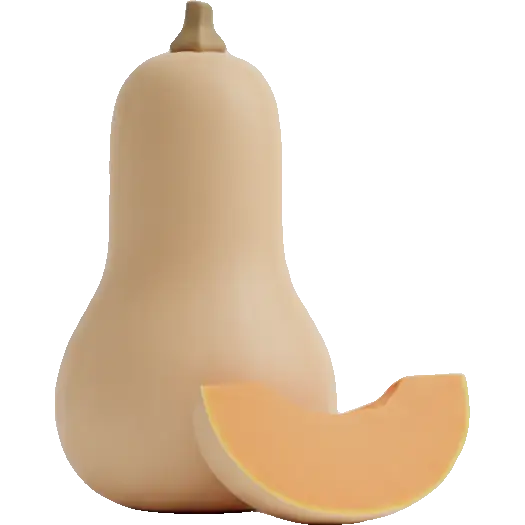
| Butternut squash | Butternut squash is a tan bell-shaped winter squash. A sweet nutty squash with orange flesh. |
| Coconut butter | Purée of coconut flesh (not oil); small serves may be low FODMAP, larger become high due to polyols. |
| Cola | FODMAP depends on sweetener: HFCS‑sweetened is high FODMAP; sugar‑sweetened isn’t a FODMAP but still a free sugar. Caffeinated & carbonated. |
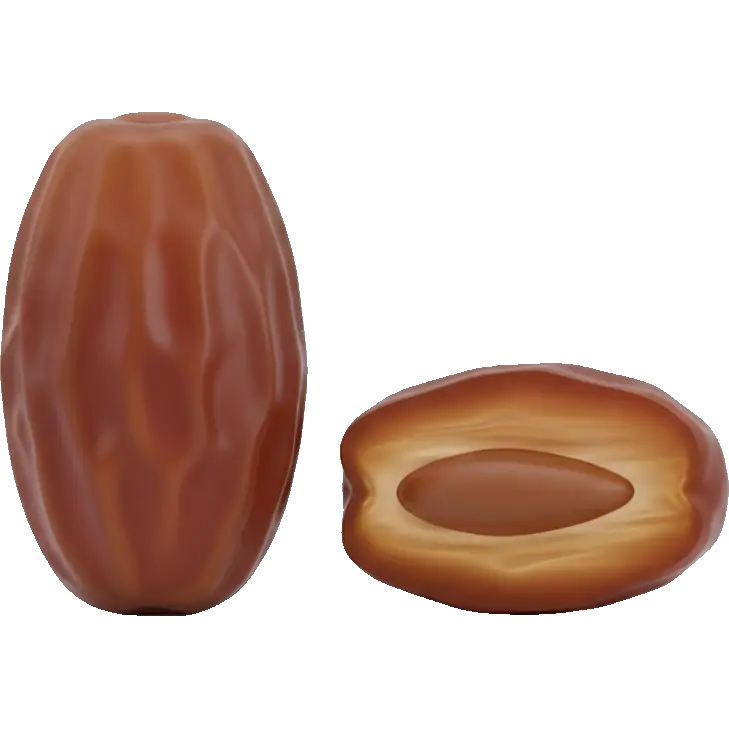
| Date | Date is a sweet dried stone fruit. A chewy caramel-flavored fruit from palm trees. |
| Flax milk | Varies by brand; often includes gums (gellan/guar) and added nutrients. Seed-based so not AIP. Check GF certification. |
| French dressing | Recipe/brand dependent; can include onion/garlic, tomato/paprika, thickeners, dairy and preservatives. Check labels. |
| Fruit nectar | Concentrated fruit purée + sugar; portions often high in fructose. Ingredients vary by fruit and brand. |
| Goji berry | Usually sold dried. |
| Jackfruit | FODMAP depends on ripeness and amount: unripe (green) jackfruit is better tolerated than ripe sweet fruit. |
| Mango chutney | Usually contains mango (excess fructose) plus onion/garlic and sugar. Brands vary—check labels; small serves may still trigger. |
| Medlar | Old‑world fruit (bletted). Contains sorbitol and sugars; FODMAP data limited—trial small serves if sensitive to polyols. |
| Milkshake | Typically milk + ice cream + syrup → high lactose and sugar. Choose lactose‑free/plant‑milk versions if needed. |
| Muesli cereal | Varies by recipe: oats + nuts + dried fruit often drive fructans/GOS/polyols; choose GF oats and low-FODMAP fruit. |
| Okra | Okra is a green pod vegetable. A mucilaginous vegetable used in gumbo and curries. |
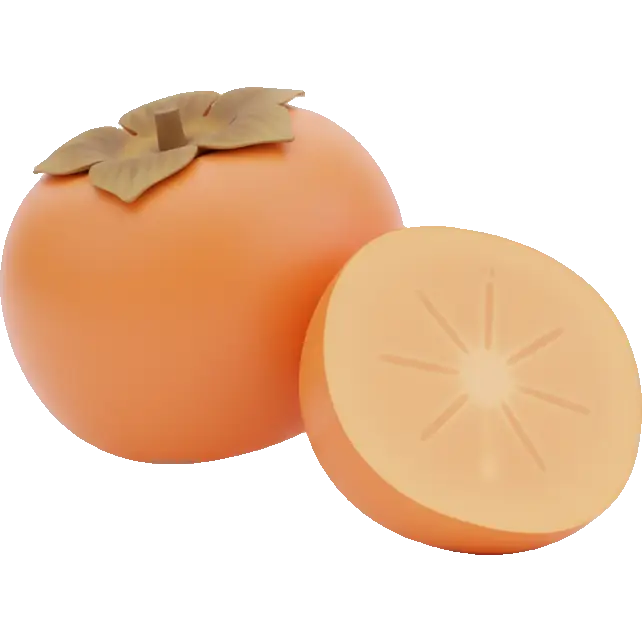
| Persimmon | Persimmon is an orange autumn fruit. A sweet honey-flavored fruit when fully ripe. |
| Potato | Potato is a starchy tuber vegetable. A versatile staple in countless preparations. |
| Raisins | Raisins are dried grapes. A sweet chewy dried fruit for baking and snacking. |
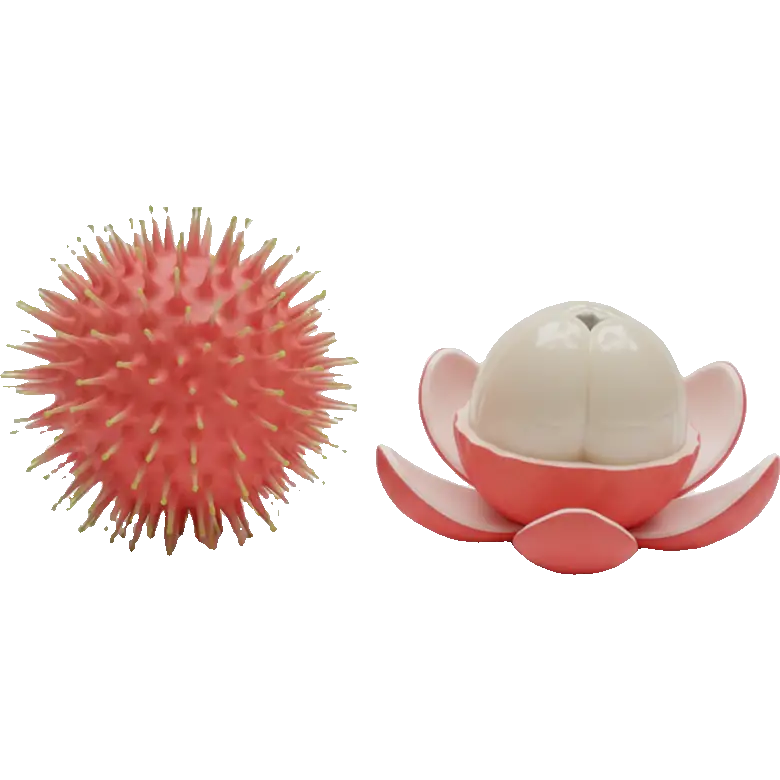
| Rambutan | Tropical fruit; portions above ~3 pieces become high-FODMAP. Small serves may be tolerated. |
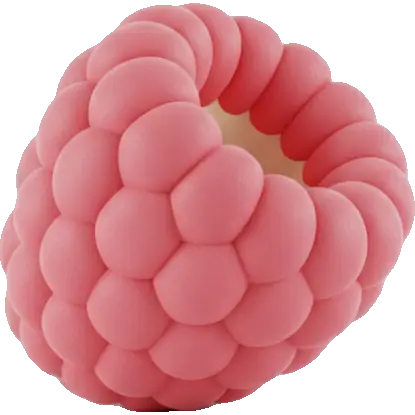
| Raspberry | Raspberry is a soft red aggregate fruit. A sweet-tart delicate berry. |
| Red currant | Red currant is a small tart red berry. A sour berry for jellies and garnishes. |
| Romanesco | Romanesco is a fractal-patterned cruciferous vegetable. A mild vegetable between broccoli and cauliflower. |
| Smoothie | Highly variable; blending encourages larger fruit portions and FODMAP stacking. Use low-FODMAP fruits/milks and watch serve size. |
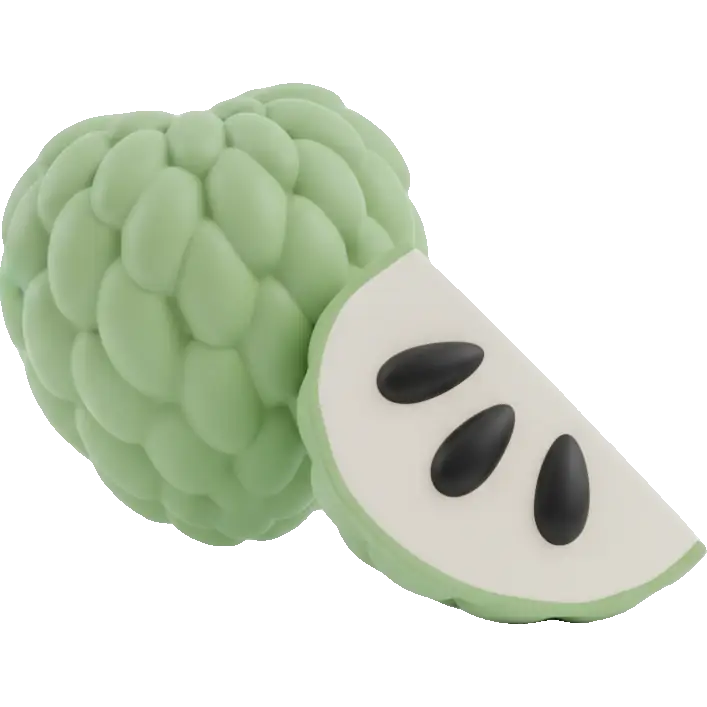
| Sugar apple | Also called sweetsop; likely high FODMAP in regular portions—test cautiously or avoid during elimination. |
| Sweet potato | Sweet potato is an orange-fleshed tuber. A sweet starchy root vegetable. |
| Sweetsop | Same fruit as sugar apple; likely high FODMAP—trial carefully post-reintroduction. |
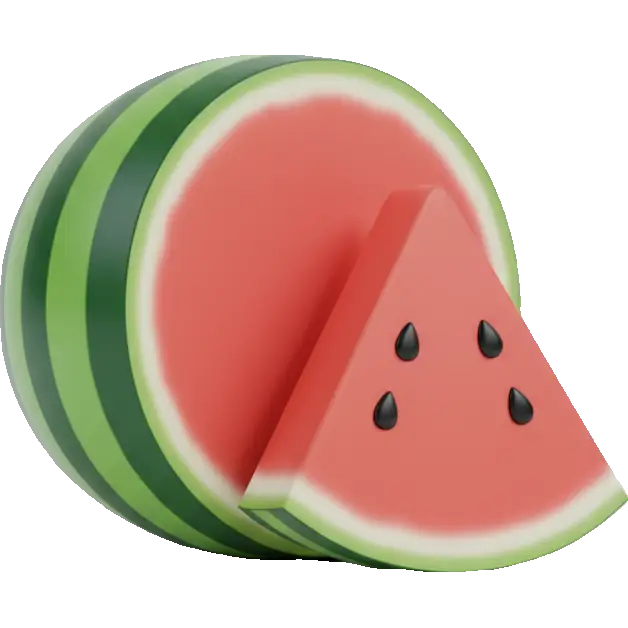
| Watermelon | Watermelon is a large striped melon. A refreshing sweet fruit with red juicy flesh. |
| Yam | Yam is a starchy tropical tuber. A dense root vegetable distinct from sweet potato. |








How much is too much
Dose matters more with polyols than with most FODMAPs. Half an apple may be fine where a whole one is not, and the difference between two mushrooms and a plateful is the difference between a quiet evening and a bad one.
Two practical points. Fruit juice concentrates polyols, so apple juice hits harder than an apple. And drying concentrates them further, which is why prunes have their reputation and why dried apricots catch people out.
Polyols also survive heat, so roasted cauliflower carries what raw cauliflower carried. With some other FODMAP groups, soaking or rinsing does lower the load.
How to test it on your own evidence
Polyols are one of the easier groups to test, because the effect arrives quickly and the foods are easy to isolate.
Drop the high-polyol foods and any sugar-free products for two weeks. Then reintroduce in two separate steps, because sorbitol and mannitol behave differently in different people. Take a portion of apple or pear for the sorbitol arm, wait a few days, then mushroom or cauliflower for the mannitol arm. Note the size of the portion as well as the food, since the dose is doing most of the work here.
If sugar-free gum or mints are part of your day, stop those first. Of all the changes on this page, that one is the most likely to explain your symptoms.
Journal your day in 30 seconds, find your triggers.


Check any food in seconds
The polyols checker grades any food in our database, and every food on this page links to its own page with the rest of what it carries.
Where Triggerbites fits in
This list comes from the food data inside Triggerbites. The app grades every ingredient for polyols, alongside the other FODMAP groups, allergens, histamine, additives and more.
You type or say your day the way you'd tell a friend: "an apple and a coffee for breakfast, mushroom risotto for lunch, a few sugar-free mints in the afternoon, bloated and loose by the evening". Triggerbites pulls out the ingredients, finds packaged products by name with their sweeteners listed, grades the polyol load and lines it up against your symptoms. Because polyols depend so much on dose, seeing how much you ate on the days that went wrong tells you more than any general list.
The app ranks the ingredients your symptoms follow, so you can see whether the apple, the mushrooms or the mints come out on top. You can export the whole record as a PDF for your doctor or dietitian.




Triggerbites Features
- Log your day in 30 seconds: Text, voice or photo. Log as you go, or recap it all in the evening.
- Your food, broken down: Meals become ingredients and sensitivity profiles: histamine, salicylates, FODMAPs, allergens, and even the additives on packaged food.
- Everything in the same journal: Symptoms, supplements, sleep, stress, exercise and mood, beside what you ate.
- See what repeats over time: Patterns between what you eat and how you feel, including delayed reactions that show up days later.
Common questions
What foods are highest in polyols?
Apples, pears, stone fruit such as peaches, plums and cherries, dried fruit including prunes and apricots, avocado, mushrooms, cauliflower and celery. Sugar-free products sweetened with sorbitol, xylitol, maltitol or isomalt carry the largest doses of all.
What is the difference between sorbitol and mannitol?
Both are polyols and both cause trouble the same way, but they sit in different foods. Sorbitol is the fruit one, in apples, pears and stone fruit. Mannitol is the vegetable one, in mushrooms, cauliflower, celery and sweet potato. People often react to one and not the other, which is why they are tested separately.
Why does sugar-free gum upset my stomach?
Because the sweeteners in it are polyols, usually sorbitol, xylitol or maltitol, and they reach your colon largely unabsorbed. That is also why those packets carry a laxative warning. A few pieces across a day adds up to a meaningful dose.
Does cooking reduce polyols?
No. Polyols survive heat, so roasted cauliflower carries what raw cauliflower carried and a cooked apple carries what the raw one did. This is different from some other FODMAP groups, where soaking or rinsing genuinely reduces the load.
Is erythritol a polyol?
Yes, though it behaves better than most. It is absorbed in the small intestine and largely excreted, so it reaches the colon in smaller amounts and tends to cause fewer symptoms than sorbitol or maltitol at the same dose.
How quickly do polyols cause symptoms?
Usually within a few hours, and often faster than other FODMAPs because the water-drawing effect starts before any fermentation does. Loose stools within half a day of a large dose is the typical pattern.
Live, love, log. 🧡
References
 Monash FODMAP
Article References and Citations
- Monash University: "Polyols and the low FODMAP diet" - https://www.monashfodmap.com/about-fodmap-and-ibs/