Tyramine-rich foods: the complete list, and the migraine link
A biogenic amine formed by ageing and fermentation, a known migraine trigger, and the full graded list.
If migraine is part of your life you have probably seen tyramine on a trigger list, usually beside "aged cheese" and not much else. The full picture is more useful than that, because tyramine follows one clear rule, and once you know the rule the whole list makes sense.
Below is every food our database grades for tyramine, and a plain explanation of where it comes from.
What tyramine is
Tyramine is a biogenic amine, and like histamine it is a product of time.
It forms when bacteria break down tyrosine, an amino acid found in protein-rich food. That breakdown happens during ageing, fermenting, curing and pickling, and it happens slowly in any food that sits around long enough to start spoiling. Fresh food is low in tyramine. The same food aged, cured or fermented climbs a long way higher.1
Two things make it worth knowing about. It is a recognised migraine trigger for some people, thought to work by prompting nerve cells to release extra norepinephrine.2 And for anyone taking an older class of antidepressant called MAOIs, tyramine-rich food can push blood pressure to dangerous levels, which is why a low-tyramine diet is a firm requirement alongside those medications.
The tyramine foods
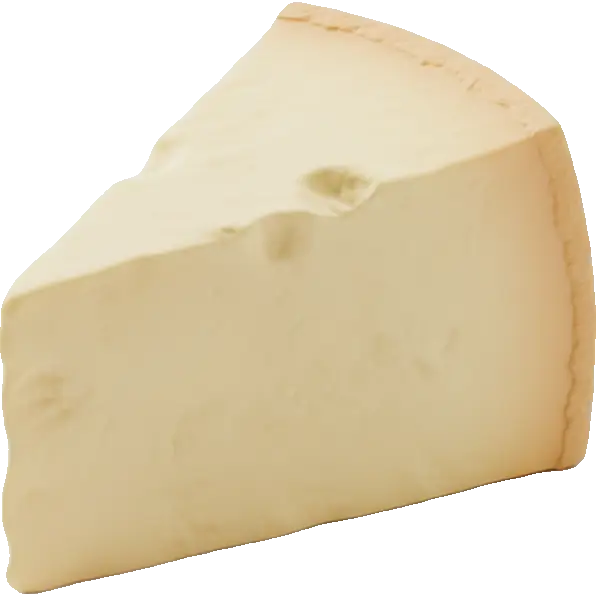
These are the ones most people recognise.
The complete list
Every food our database grades for tyramine, highest first. Aged cheese, cured meat, fermented food and alcohol dominate, exactly as the chemistry predicts.
Worth avoiding36 foods

| Food | Notes |
|---|---|
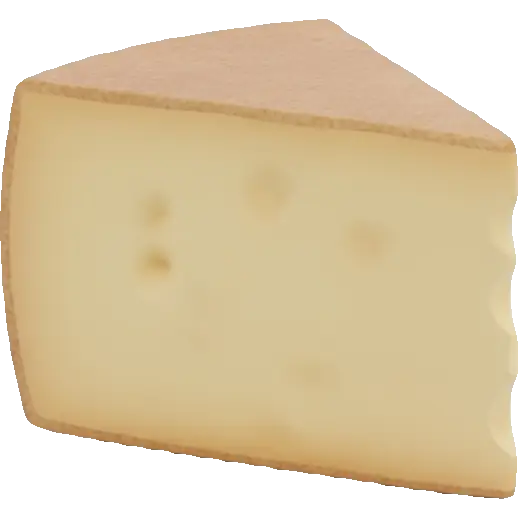
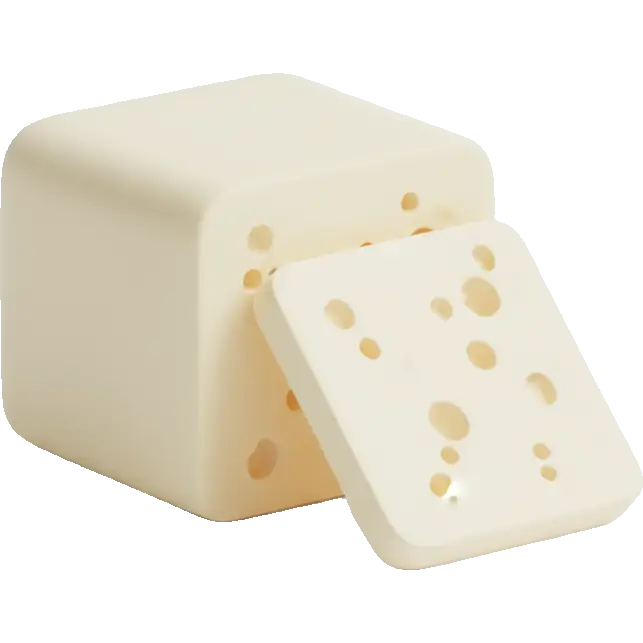
| Aged cheese | Aged cheese is cheese matured over time. A sharp flavorful cheese with developed taste. |
| Ale | Usually barley/malt based (contains gluten). Beer/ale are generally low FODMAP per serve but alcohol and carbonation can still trigger IBS; may contain histamine/biogenic amines. |
| Anchovy | Plain fish is FODMAP‑free; anchovies are often fermented/salted and can be high in histamine/tyramine—avoid if histamine‑intolerant or on MAOIs. |
| Anchovy paste | Concentrated anchovy with salt/oil; same histamine/tyramine caveats; check labels for added garlic. |
| Balsamic vinegar | Balsamic vinegar is aged Italian grape vinegar. A sweet-tart dark vinegar from Modena. |
| Beer | Beer is a fermented grain beverage. An alcoholic drink made from malted barley and hops. |
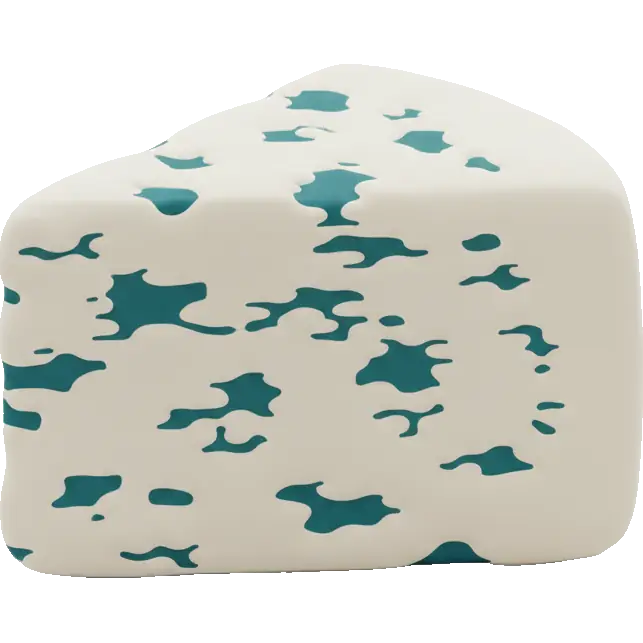
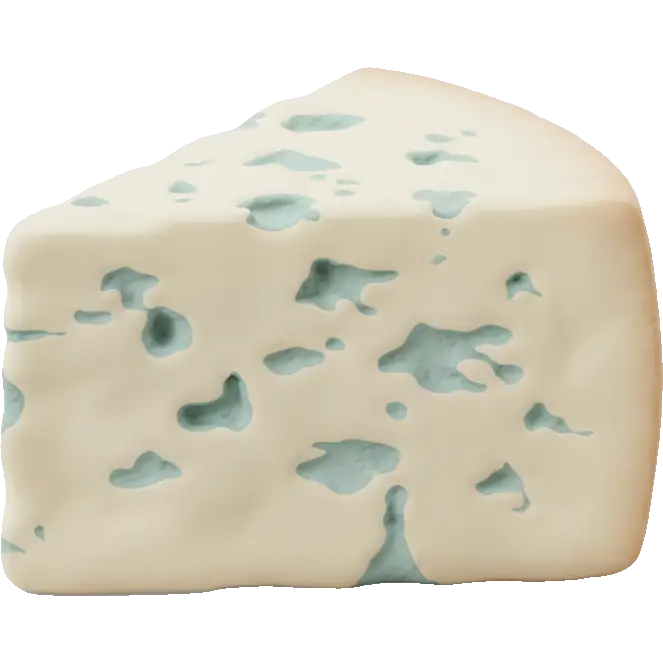
| Blue cheese | Aged cheese: lactose is minimal; but high in tyramine and biogenic amines—avoid with MAOIs and histamine intolerance. Most blue cheeses test gluten-free; check rennet if vegetarian. |
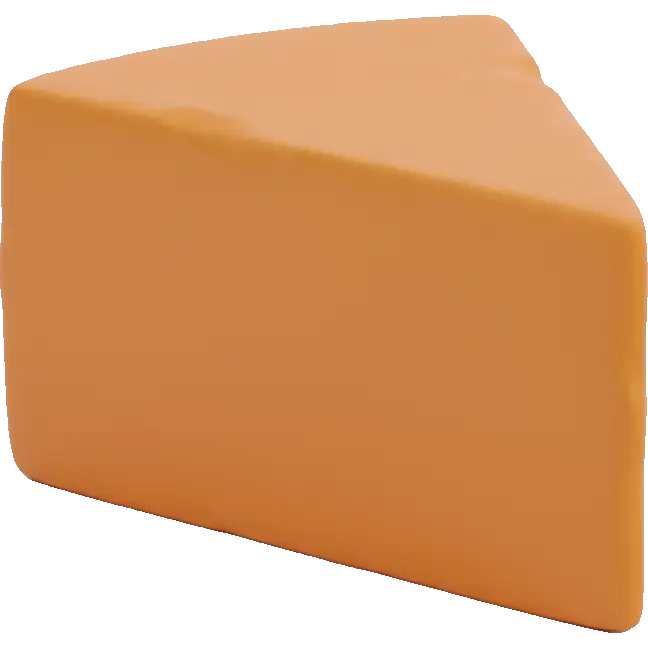
| Cheddar cheese | Cheddar cheese is a firm aged English cheese. A sharp tangy cheese in many varieties. |
| Chevre | Soft goat cheese contains lactose; small serves may be tolerated. Aged goat cheeses are lower‑lactose. |
| Colby cheese | Colby cheese is a mild American cheese. A soft orange cheese similar to cheddar. |
| Colby jack | Semi‑soft cheese; generally low in lactose but higher in biogenic amines. |
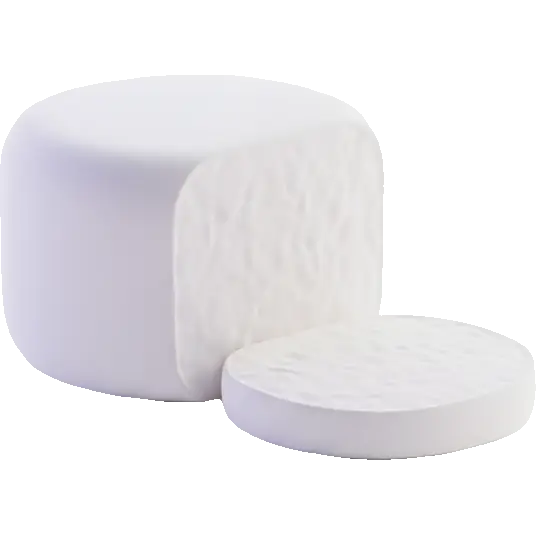
| Feta | Brined cheese; lactose is lower than milk and small 40 g serves are typically low FODMAP. |
| Fish sauce | Fermented condiment; carbohydrate content is low but biogenic amines (histamine/tyramine) can be high. Check brand for added sugar/gluten. |
| Gluten-free soy sauce | Assumes certified gluten-free tamari/rice-brewed soy sauce made from soybeans; salt and gluten-free grain or no grain. Low FODMAP by serving/subtypes; but fermented soy is high concern for histamine/tyramine and free glutamates; high sodium makes it weak for DASH. Soy allergen makes it poor for EoE elimination. |
| Goat cheese | Goat cheeses vary: fresh chèvre has more lactose; aged versions have little lactose but are high in histamine/tyramine. Contains dairy proteins. |
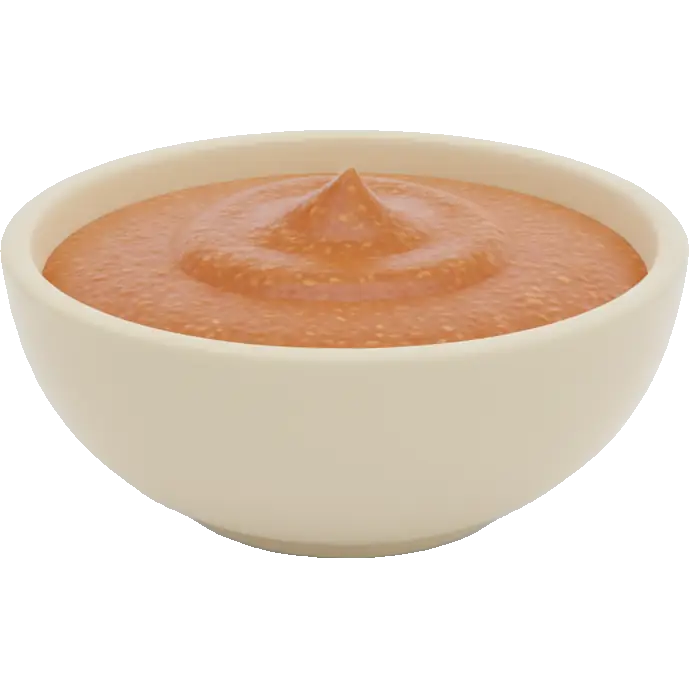
| Gochujang | Fermented Korean chili paste (rice or wheat, soy). Nightshade-heavy; often contains gluten and is high in histamine/tyramine. |
| Gorgonzola | Blue cheese; very high in histamine/tyramine and natural glutamates. Lactose is typically very low, but contains dairy proteins. |
| Halloumi | Lower-lactose cheese with salty profile; Monash lists a small low FODMAP serve—watch histamine. |
| Havarti | Aged/semi-soft cheese; typically low in lactose but higher in biogenic amines (histamine/tyramine). |
| Kefir | Kefir is fermented probiotic milk drink. A tangy drinkable yogurt-like beverage. |
| Kimchi | Fermented cabbage with garlic/chili; high in biogenic amines (histamine/tyramine). GF unless wheat flour added. |
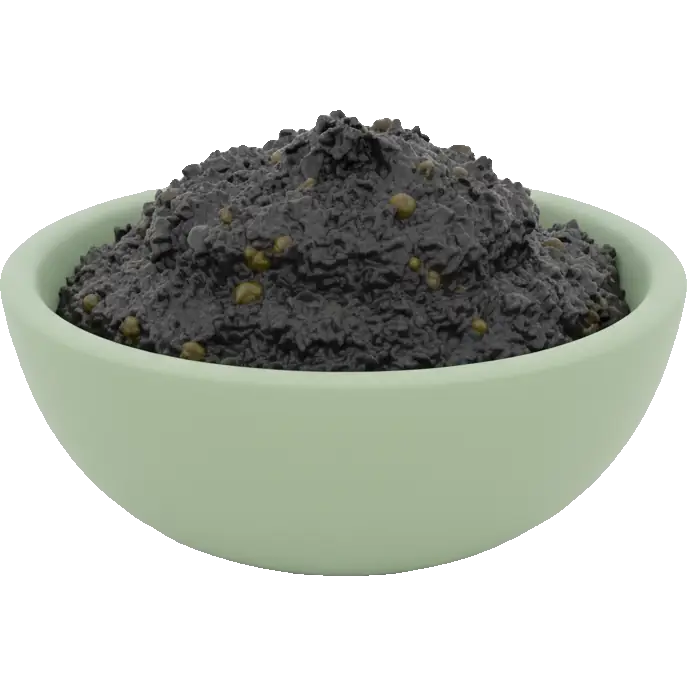
| Miso paste | Fermented soy paste; low FODMAP in small serves. Can contain barley (gluten) depending on type. High in free glutamates and biogenic amines. |
| Mulled wine | Wine + sugar + spices; alcohol and added sugars can aggravate symptoms; many wines have sulfites. |
| Parmesan | Aged hard cheese; very low lactose but high in biogenic amines (histamine/tyramine). |
| Parmesan cheese | Parmesan cheese is aged Italian hard cheese. A nutty savory cheese for pasta. |
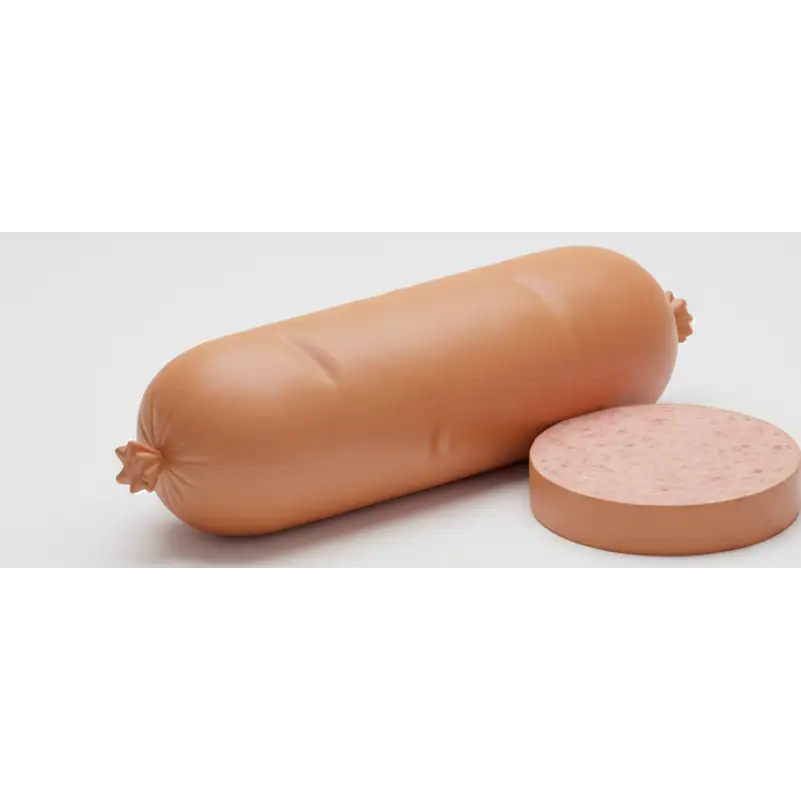
| Processed meat | Includes hot dogs sausages deli meats etc. |
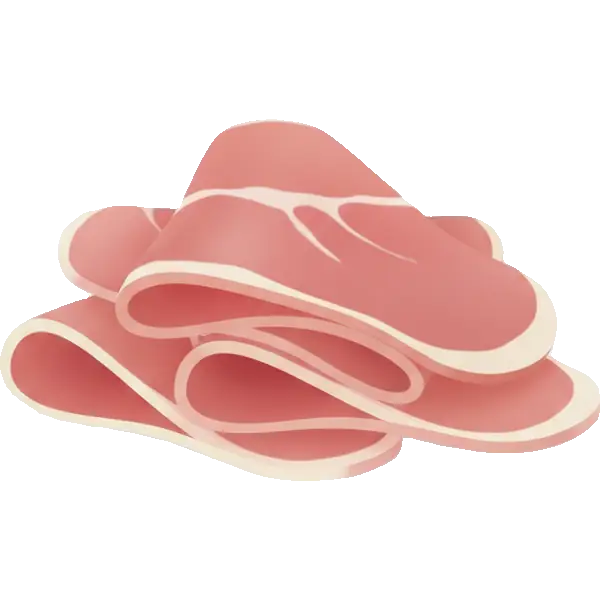
| Prosciutto | Aged/cured meat → high histamine/tyramine. Traditional Parma uses only pork+salt (no nitrites). |
| Provolone | Aged semi-hard cheese: low lactose but high histamine/tyramine and natural glutamates. |
| Red wine | Red wine is fermented dark grapes. An alcoholic beverage with varied styles and flavors. |
| Red wine vinegar | Red wine vinegar is fermented red wine. A tangy acidic liquid for dressings. |
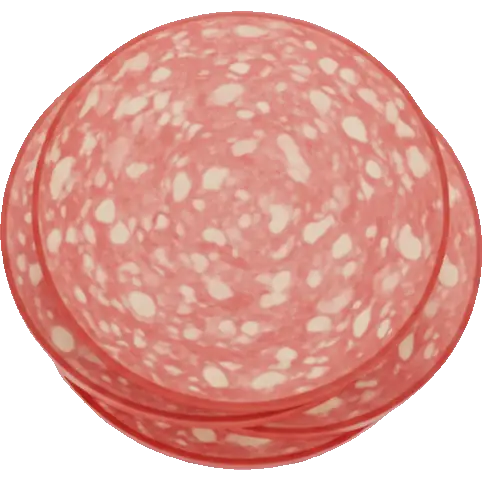
| Salami | Salami is cured fermented sausage. A seasoned dried meat sliced for sandwiches and charcuterie. |
| Sauerkraut | Sauerkraut is fermented shredded cabbage. A tangy probiotic condiment from Germany. |
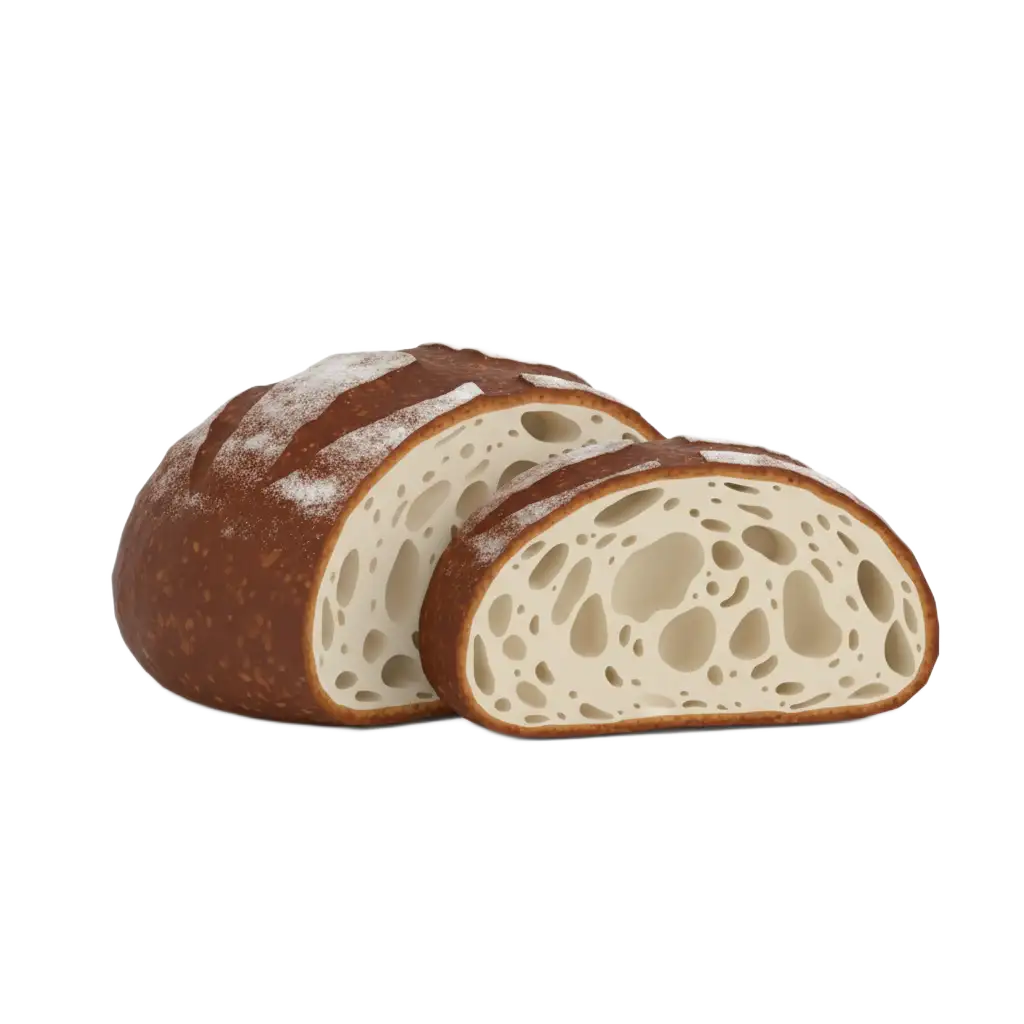
| Sourdough bread | Wheat sourdough. Fermentation reduces fructans but still contains gluten. Small serves may be tolerated. |
| Soy sauce | Soy sauce is fermented soybean liquid. A salty umami seasoning essential in Asian cooking. |
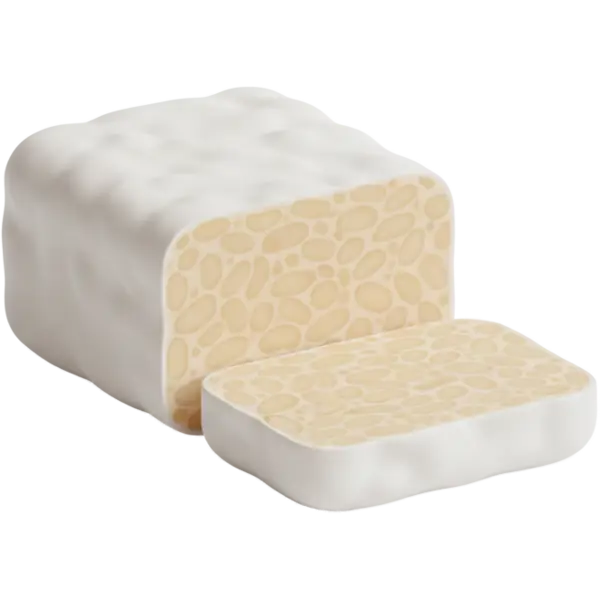
| Tempeh | Fermented whole soybean cake; low FODMAP but high in histamine and tyramine from fermentation. |
| Teriyaki sauce | Usually soy sauce (wheat), mirin/sugar, garlic/ginger; higher in glutamates and often contains wheat → gluten. |

Moderate85 foods
| Food | Notes |
|---|---|
| Abalone | Mollusk shellfish—major allergen group; reactions can be severe. If allergic to other mollusks, cross‑reactivity is possible. Fresh plain abalone is FODMAP‑free; beware sauces with garlic/onion. |
| Aperitif | Covers many pre‑dinner alcoholic drinks (vermouth, bitters, etc.). Alcohol can aggravate IBS; some are wine‑based and may contain sulfites/biogenic amines. |
| Aperol | Bitter orange aperitif (11% ABV). Alcohol may trigger IBS; distilled spirit/wine‑based mixers may include sulfites—check label; gluten‑free as a spirit/liqueur. |
| Armagnac | Distilled brandy—gluten‑free by distillation. Alcohol can worsen IBS; biogenic amines typically lower than wine but sensitivity varies. |
| Avocado | Avocado is a creamy green fruit with pit. A buttery fruit used in savory and sweet dishes. |
| Bacon | Usually cured with nitrites/nitrates; some brands add sugar/garlic. Processed meats are discouraged on heart-healthy diets; choose additive-free where possible. |
| Banana | Banana is a curved yellow tropical fruit. A sweet creamy fruit eaten fresh or cooked. |
| Barracuda | Fish is FODMAP-free. As with all fish, improper storage can lead to histamine (scombroid) poisoning—buy fresh and refrigerate promptly. |
| Bass | White fish (like bass) is FODMAP-free and protein-rich. Ensure freshness to minimise histamine formation. |
| Beef protein | Dairy-free protein powder from beef; often hydrolysed collagen rather than muscle (very high glycine and low leucine on the label is the tell). No lactose or dairy protein so a common whey swap. Hydrolysis frees amino acids so histamine and tyramine and free glutamate can run higher than fresh beef; flavoured blends may add sweeteners or cut in whey so check the label. |
| Blue cheese dressing | Typically contains blue cheese + buttermilk/sour cream and often garlic/onion. FODMAP and lactose depend on brand; check labels. |
| Bonito | As fish/bonito flakes: FODMAP‑free but very high in natural glutamate (umami) and biogenic amines; watch histamine intolerance. |
| Champagne | Sparkling wine is generally low FODMAP per serve; contains alcohol and often added sulfites. |
| Cheese | Generic cheese. Lactose content varies by type; aged cheeses are typically lower in lactose. |
| Chicken liver | Organ meat; FODMAP‑free, nutrient‑dense, but higher in biogenic amines—watch if histamine‑sensitive. |
| Chili garlic sauce | Contains garlic → fructans. Choose garlic‑free chili sauces or use garlic‑infused oil if needed. |
| Clotted cream | Very high‑fat dairy spread; still contains lactose—often not tolerated on elimination. |
| Coconut | Coconut is the fruit of coconut palms. A versatile tropical fruit used for meat milk and oil. |
| Cognac | Distilled spirit (brandy) → carbohydrate‑free/FODMAP‑free; alcohol may irritate IBS. |
| Cottage cheese | Cottage cheese is fresh curdy cheese. A mild lumpy cheese with high moisture. |
| Cream cheese | Cream cheese is soft spreadable cheese. A mild tangy cheese for bagels and baking. |
| Fresh cheese | Also known as just 'cheese'. Generic fresh cheese. Contains dairy proteins and varying lactose levels. |
| Gluhwein | Mulled red wine with spices and sugar. High in histamine/tyramine and sulfites; very high salicylates from spices. |
| Greek yogurt | Strained yogurt with reduced lactose; moderate at common serves—check tolerance and portion. |
| Half-and-half | Dairy blend (milk+cream) with moderate lactose—often not tolerated on elimination. |
| Ham | Processed meat; often cured with nitrites and can be higher in histamine—choose nitrite-free where possible. |
| Hard liquor | Hard liquor is distilled alcoholic spirits. Strong beverages like whiskey vodka and rum. |
| Harissa | Chili-garlic paste; often contains garlic → fructans. Choose garlic-free versions to lower FODMAPs. |
| Heavy cream | High-fat dairy with relatively low lactose; portion size matters on low FODMAP. |
| Honey mustard | Often contains honey, vinegar, spices; some brands add wheat/dairy/garlic—check labels. |
| Horseradish sauce | Often mayo/cream-based with vinegar/sugar; many add onion/garlic—brand-dependent. |
| Hot sauce | Chili-based condiments often include garlic/onion; choose garlic-free brands if needed. |
| Ipa | Hop-forward barley beer → gluten. Alcohol and carbonation can worsen IBS symptoms. |
| Kombucha | Fermented tea; low FODMAP only in small serves depending on residual sugars; can be high in histamine. |
| Korma paste | Often includes onion/garlic, nuts, dairy/yogurt; some brands add wheat—check labels. |
| Kvass | Traditional rye-bread ferment → gluten and likely higher fructans; varies by recipe. |
| Lactose-free cheese | Cheese with the lactose removed or naturally aged out; casein and whey remain so it is not dairy-free. |
| Lactose-free milk | Enzymatically treated cow’s milk (lactose removed) → low FODMAP; still contains dairy proteins. |
| Lactose-free yogurt | Dairy yogurt treated with lactase; lactose removed but casein and whey remain; not dairy-free. |
| Lager | Barley beer → gluten. Monash lists beer as low FODMAP per standard serve, but alcohol/carbonation can aggravate IBS. |
| Lamb liver | Organ meat; nutrient-dense but higher in biogenic amines—watch if histamine‑sensitive. |
| Lassi | Yogurt-based drink; lactose depends on culture/time—often moderate/high FODMAP unless lactose‑free. |
| Lemon curd | Butter‑ and egg‑based spread with sugar; lactose present unless made lactose‑free. |
| Light cream | Lower‑fat cream still contains lactose; portion‑dependent on low FODMAP. |
| Manchego | Aged sheep's cheese; very low lactose (often tolerated on low FODMAP in small serves). Contains dairy proteins and biogenic amines. |
| Mango chutney | Usually contains mango (excess fructose) plus onion/garlic and sugar. Brands vary—check labels; small serves may still trigger. |
| Mascarpone | Fresh Italian cheese, very low in carbs → typically low lactose. Rich in fat; contains dairy proteins and some biogenic amines. |
| Mead | Fermented honey alcohol; residual fructose varies (dry vs sweet). Often contains sulfites; fermented → higher histamine/amines. |
| Mezcal | Distilled agave spirit (like tequila). Typically no FODMAPs; alcohol can trigger IBS. Usually low sulfites; avoid sweetened mixers. |
| Monterey jack | Semi‑hard cow’s cheese; low lactose at usual serves. Contains dairy proteins and moderate natural glutamates/biogenic amines. |
| Mozzarella | Fresh Italian cheese made from buffalo or cow milk. Low lactose in aged versions. |
| Olive tapenade | Often includes garlic/capers/anchovy—FODMAP depends on recipe; garlic drives fructans. |
| Oyster sauce | Concentrated oyster extract + sugar + soy/wheat (often). High umami; many brands contain wheat—check labels. |
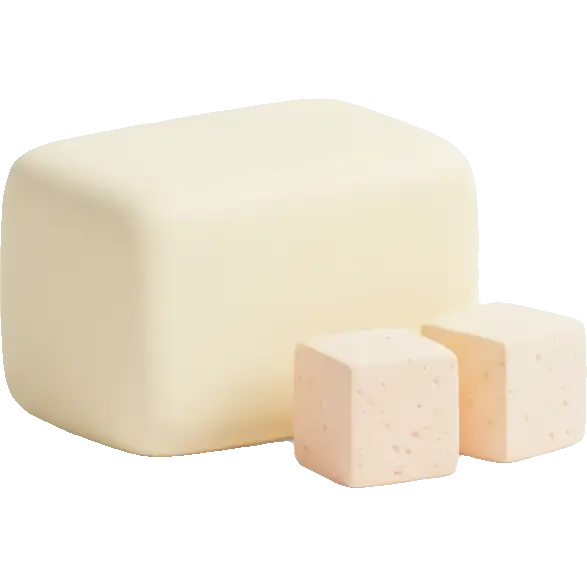
| Paneer | Fresh cheese; moderate lactose—watch portion on low FODMAP. |
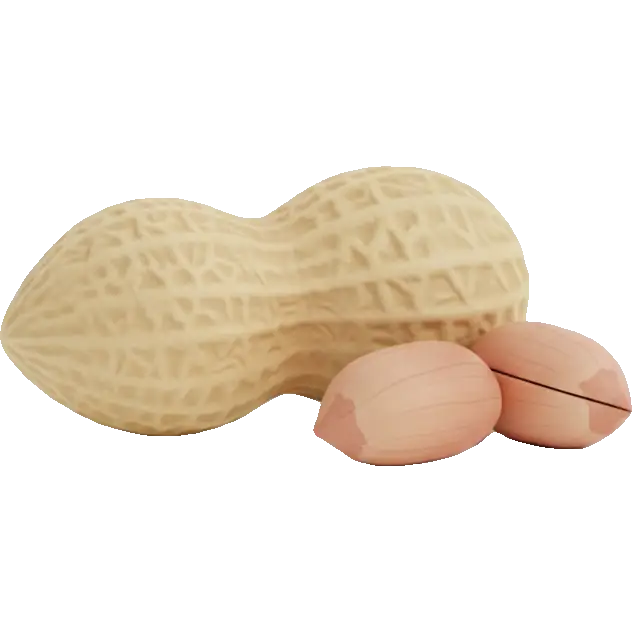
| Peanuts | Peanuts are legumes that grow underground. A crunchy protein-rich nut-like legume. |
| Perry | Pear cider; pears are high in excess fructose and sorbitol. Alcoholic ciders and perry often contain added sulfites. |
| Pilsner | Barley-based lager (gluten). Regular beers are generally low FODMAP in modest serves, but not suitable for celiac disease. Can contain histamine/tyramine; sulfites may be added. |
| Port | Sweet fortified wine; higher sugar load (excess fructose) and commonly contains sulfites. Fortified and barrel-aged wines can be high in histamine. |
| Porter | Barley-based beer → contains gluten. Usually low-FODMAP in typical serves, but may contain small sulfites. Alcohol can trigger histamine-like symptoms in some. |
| Ranch dressing | Often contains buttermilk + garlic/onion powder; many brands are gluten-free but check labels. |
| Raspberry | Raspberry is a soft red aggregate fruit. A sweet-tart delicate berry. |
| Relish | Typically cucumbers + vinegar + sugar + onions/spices; onion/garlic drive FODMAP; preservatives vary by brand. |
| Ricotta cheese | Ricotta is Italian whey cheese. A light creamy cheese for pasta and desserts. |
| Rose wine | Rosé wine is pink-tinted grape wine. A light refreshing wine between red and white. |
| Rye whiskey | Rye whiskey is whiskey made from rye grain. A spicy bold American spirit. |
| Sake | Sake is Japanese rice wine. A refined alcoholic beverage brewed from rice. |
| Sardines | Sardines are small oily fish. A nutritious fish often canned in oil or sauce. |
| Satay sauce | Satay sauce is peanut-based dipping sauce. A creamy Southeast Asian condiment. |
| Sausage | Fresh or cured pork sausage; seasoning blends often include garlic and onion; cured versions add nitrites and higher histamine; check labels for gluten fillers. |
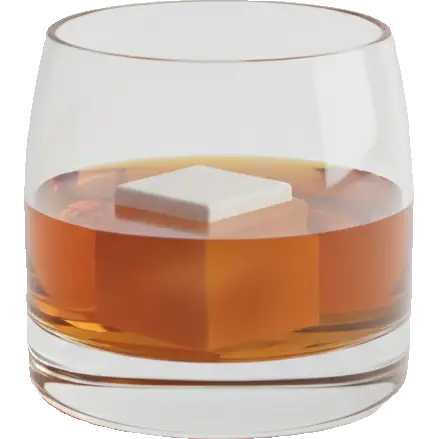
| Scotch | Scotch is Scottish whisky. A smoky complex spirit aged in oak barrels. |
| Sesame dressing | Sesame dressing is Asian sesame-based sauce. A nutty tangy salad dressing. |
| Sherry | Fortified wine; often contains sulfites. Dry styles (fino/manzanilla) have less residual sugar than cream sherry. |
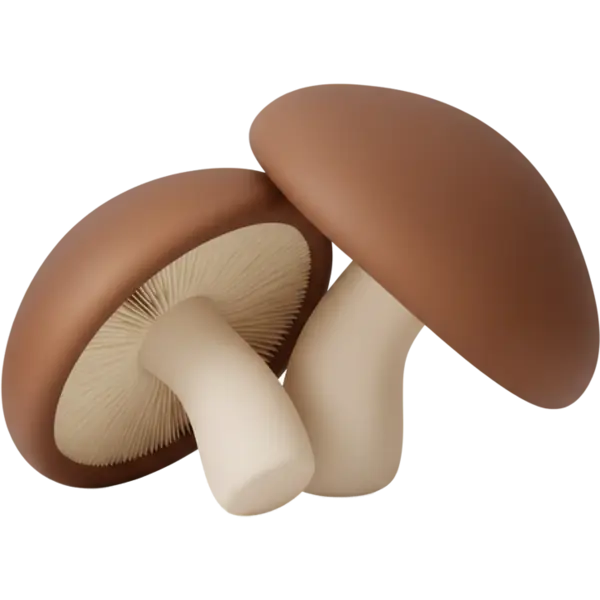
| Shiitake mushroom | Intensely umami mushroom; very high free glutamate and notable histamine; drying concentrates both. |
| Soy yogurt | Fermented soy milk with live cultures; no lactose or dairy protein; histamine and tyramine rise with culture time. |
| Sparkling wine | Carbonated wine (e.g., Champagne, Prosecco). Contains sulfites; sweetness varies (brut vs demi-sec). Biogenic amines may bother sensitive individuals. |
| Spinach | Spinach is a nutritious dark leafy green. A mild versatile vegetable eaten raw or cooked. |
| Stout | Barley-based beer → gluten; alcohol can aggravate IBS; some brands may contain added sulfites. |
| Sweet and sour sauce | Often includes onion/garlic, pineapple, ketchup; brands may add wheat (gluten) and preservatives—check labels. |
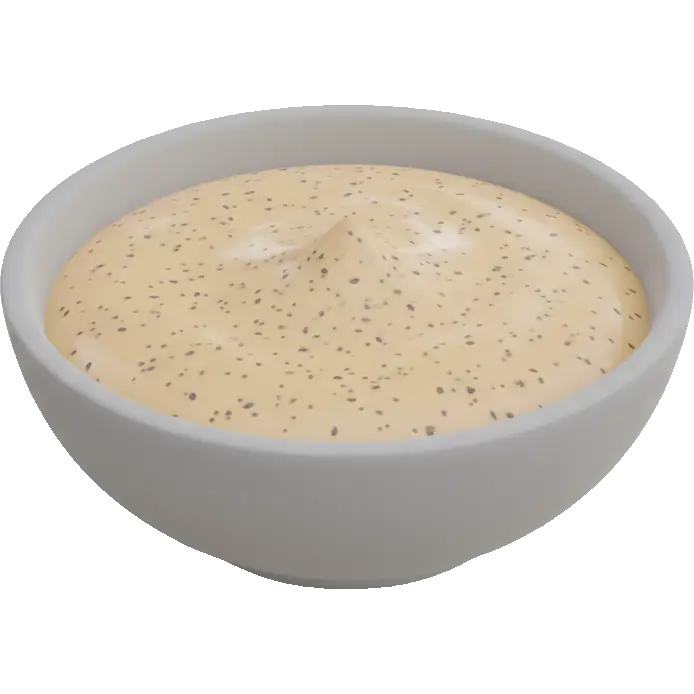
| Tartar sauce | Typically mayonnaise + pickles/capers + onion; some brands add dairy or wheat—check labels. |
| Tequila | Distilled spirit (gluten-free). Alcohol itself can aggravate IBS; choose small serves. |
| Tortellini | Wheat pasta + cheese/meat filling → gluten + lactose. Choose GF, lactose-free versions if needed. |
| Vermouth | Fortified/aromatized wine; styles vary in sugar. Wine typically contains sulfites; biogenic amines (histamine/tyramine) may be present. |
| Water kefir | Non-dairy fermented drink; residual sugars can be present and fermentation can generate biogenic amines (histamine/tyramine). |
| White wine | White wine is fermented light grapes. A refreshing wine ranging from dry to sweet. |
| Yogurt | Yogurt is fermented milk with cultures. A tangy creamy dairy eaten plain or flavored. |






How much is too much
For migraine, tyramine adds to a load.3 Whether a tyramine-rich food contributes to an attack usually depends on the rest of the day: sleep, stress, where you are in your cycle, a skipped meal, and whatever else stacked up alongside it. The same aged cheese can be fine on a calm, well-slept Tuesday and a problem on a fraught Friday.
A useful rule of thumb is that storage matters as much as the food. A cheese that has been open in the fridge for a week carries more tyramine than the same cheese on the day you bought it, and leftovers climb for the same reason. If you are testing this, eat things fresh and note when you did not.
The exception is MAOI medication, where avoidance is a medical requirement whatever your personal threshold. If you take one, follow your prescriber's list rather than this one.
How to test it on your own evidence
Cutting every food here would remove most cheese, most cured meat, most fermented food and every alcoholic drink, which is a lot to give up on a maybe.
A narrower test answers the question. Pick the two or three tyramine-heavy foods you eat most, keep the rest of your diet steady, and drop only those for two weeks. Bring them back one at a time, a normal portion, a few days apart. Record what you ate, when the headache started and how you slept, including the days nothing happened. Tyramine headaches typically arrive within a few hours to a day, so the timing itself is evidence.
Check any food in seconds
The tyramine checker grades any food in our database, and every food on this page links to its own page with the rest of what it carries, histamine included.
Where Triggerbites fits in
This list comes straight from the food data inside Triggerbites, which grades every ingredient for tyramine alongside histamine, its liberators, allergens, FODMAPs, additives and more.
You log your day in plain words, or say it out loud, and the app pulls out the ingredients, grades the tyramine load and lines it up against your headaches, your sleep and your stress, including reactions that show up a day later. After a few weeks you can see whether tyramine belongs on your own trigger list at all.






Triggerbites Features
- Log your day in 30 seconds: Text, voice or photo. Log as you go, or recap it all in the evening.
- Your food, broken down: Meals become ingredients and sensitivity profiles: histamine, salicylates, FODMAPs, allergens, and even the additives on packaged food.
- Everything in the same journal: Symptoms, supplements, sleep, stress, exercise and mood, beside what you ate.
- See what repeats over time: Patterns between what you eat and how you feel, including delayed reactions that show up days later.
Common questions
What foods are highest in tyramine?
Aged cheeses such as cheddar, parmesan and blue cheese, cured meats such as salami and prosciutto, fermented foods such as soy sauce, miso, sauerkraut and kimchi, and most alcoholic drinks, especially red wine and beer.
Does tyramine cause migraines?
It is a recognised trigger for some people, though not for everyone who gets migraines. It adds to a load, so the same food can be fine on a well-slept day and a problem on a stressful one.
How long after eating tyramine does a headache start?
Usually within a few hours to about a day. That delay is why tyramine is easy to miss without a written record, because by the time the headache arrives the meal feels unrelated.
Is tyramine the same as histamine?
No, though they travel together. Both are biogenic amines produced when protein breaks down, so ageing and fermenting raise both at once. A food high in one is often high in the other.
Do leftovers have more tyramine?
Yes. Tyramine keeps forming while food sits, so the same dish carries more on day three than on day one. If you are testing whether tyramine affects you, eat things fresh and note the days you did not.
Who has to avoid tyramine completely?
Anyone taking an MAOI antidepressant. For them a high-tyramine meal can push blood pressure to dangerous levels, so avoidance is a medical requirement rather than a personal threshold. Follow your prescriber's list.
Live, love, log. 🧡
References
- 1
- 2
- 3National Headache Foundation "Tyramine Headache: Foods, Triggers, and What to Know"National Headache Foundation
 NCBI Bookshelf
Article References and Citations
- StatPearls, NCBI Bookshelf: "Biochemistry, Tyramine" - https://www.ncbi.nlm.nih.gov/books/NBK563197/
- WebMD: "Tyramine and Migraines" - https://www.webmd.com/migraines-headaches/tyramine-and-migraines
- National Headache Foundation: "Tyramine Headache: Foods, Triggers, and What to Know" - https://headaches.org/tyramine-headache-foods-triggers-and-what-to-know/