High-glutamate foods: the complete list, and the MSG evidence
The compound behind umami, and a food-sensitivity claim that has outlived the evidence for it.
Glutamate has an unusual reputation. It is the compound behind umami, the savoury fifth taste that makes parmesan, ripe tomatoes and a long-simmered broth so satisfying. It is also at the centre of a food-sensitivity claim that has outlived the evidence for it. Which of those you believe changes what you put on the table.
Below is the full list of high-glutamate foods from our ingredient database, and an honest account of what the science says.
Glutamate is an amino acid, a normal building block of protein that your body makes and uses constantly. In food it comes in two forms. Bound glutamate is locked inside protein and you cannot taste it. Free glutamate has been released, and that is the one your tongue reads as savoury.1
Free glutamate concentrates wherever protein has been broken down. Ageing does it, which is why parmesan and prosciutto are so savoury. Ripening does it, which is why a tomato tastes of more in August than in March. Fermenting does it, which is why soy sauce, miso and fish sauce carry so much flavour in so little liquid. Drying and slow cooking do it too, which is why dried mushrooms and a good bone broth work the way they do.
MSG is the sodium salt of that same glutamate, purified and added as a seasoning. Your gut cannot tell the two apart. The glutamate in a spoon of MSG and the glutamate in a wedge of parmesan arrive at your intestinal wall as the same molecule, and your body treats them identically.
That matters for the sensitivity question, because decades of controlled studies have looked for a link between glutamate and the symptoms people blame on it. They have not found one that holds up. The major food-safety bodies regard MSG as safe at the levels found in food.2 Where an effect did show up, the study was usually unblinded, and it faded once people no longer knew what they were eating.
So use this list as a flavour map. If you still suspect glutamate does something to you, it tells you what to test, and then you run the test properly.
The high-glutamate foods
These are the ones most people recognise.



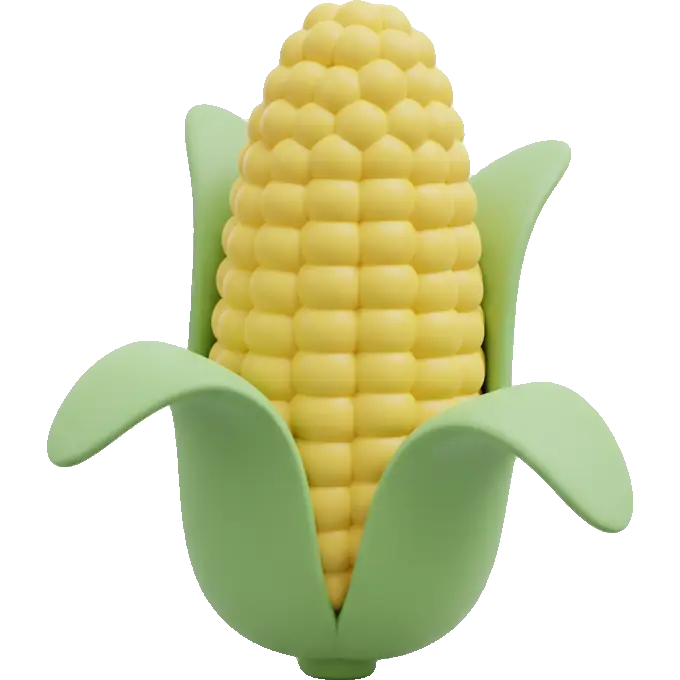
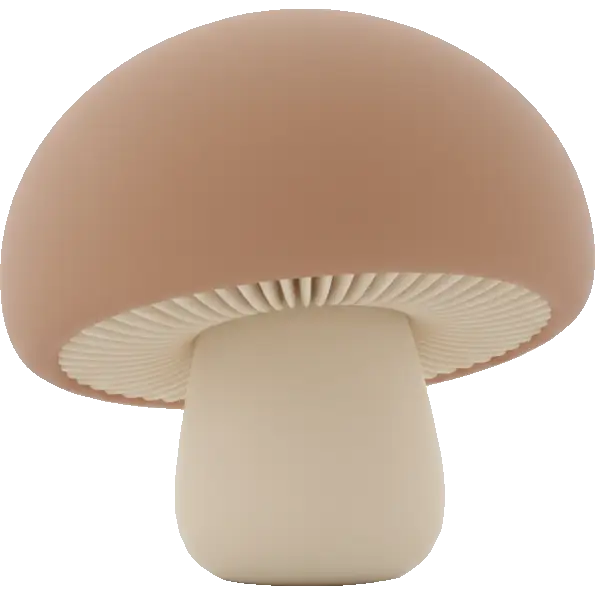
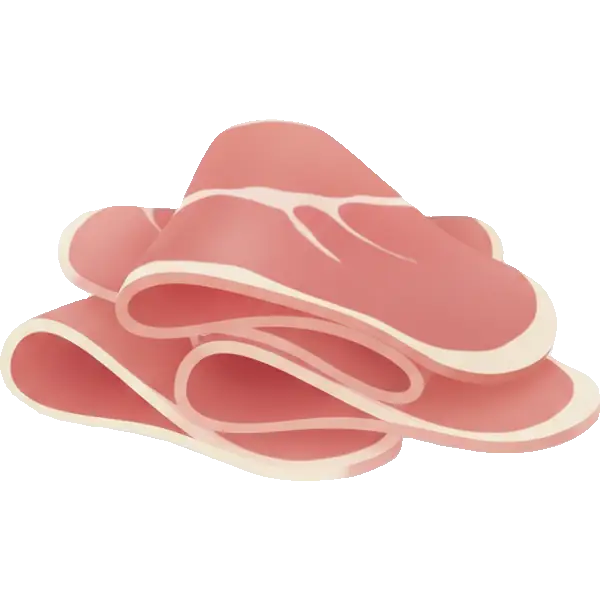


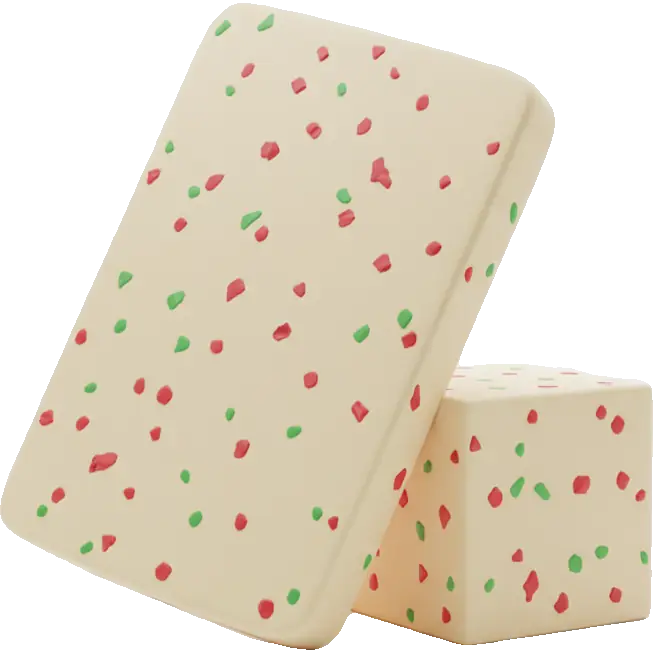
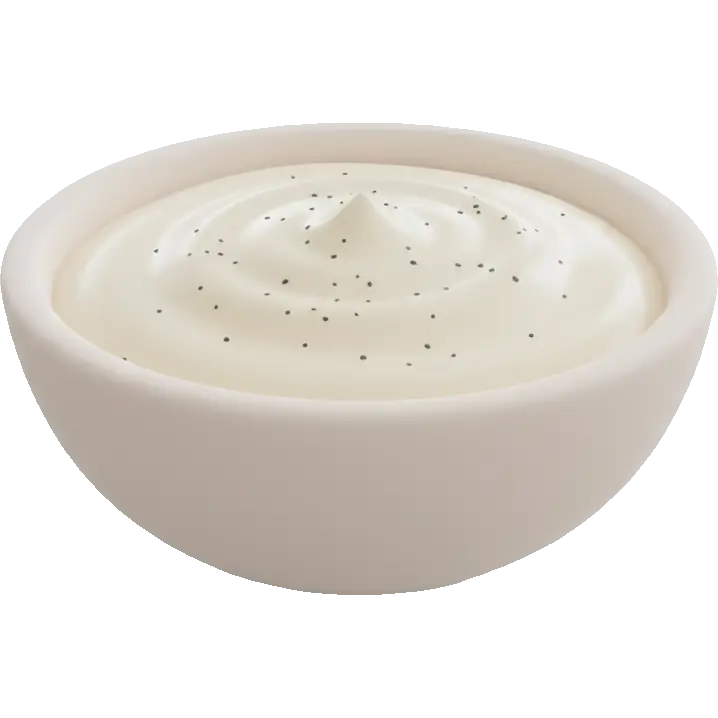
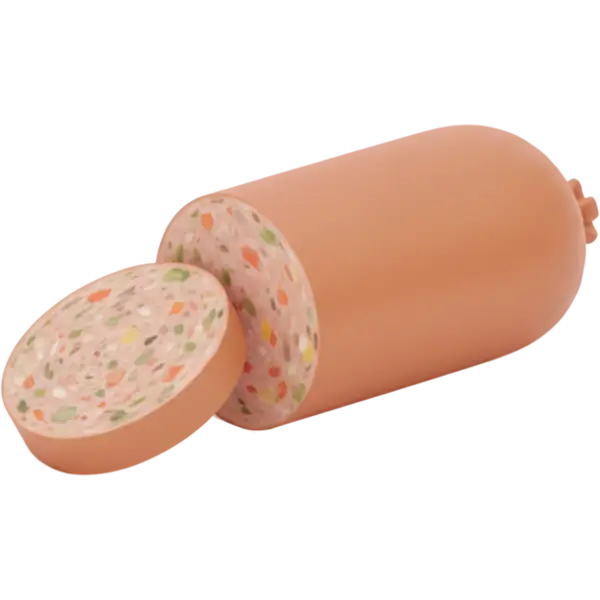
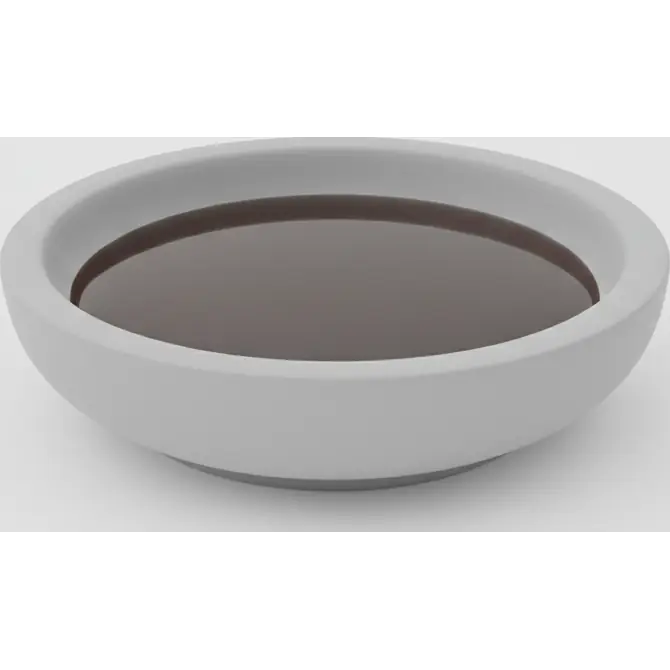
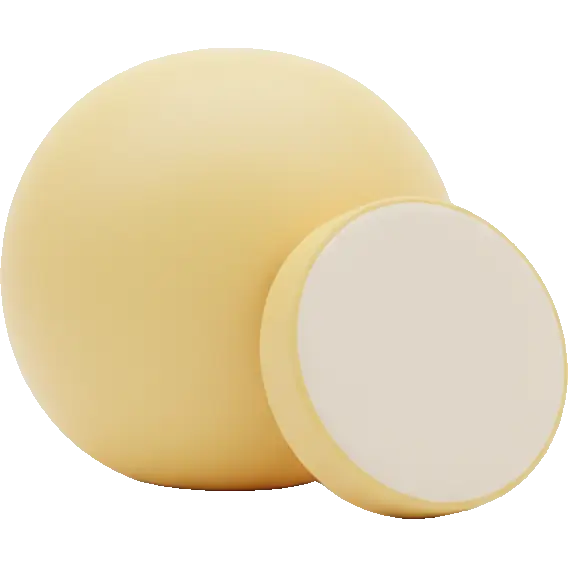
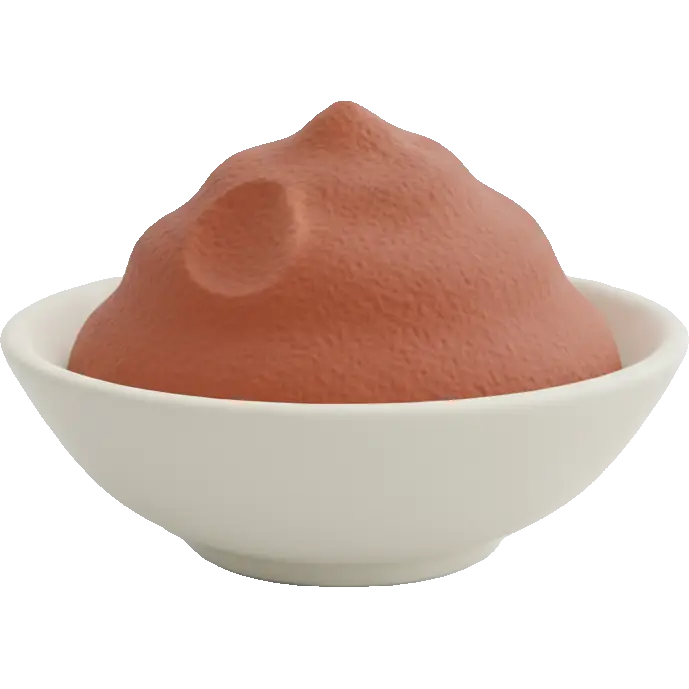
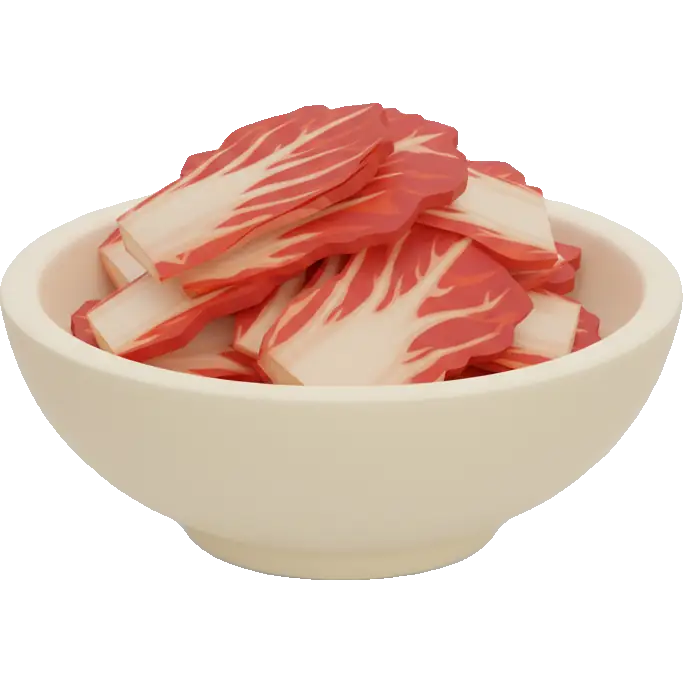
The complete list
Every food our database grades for glutamate, highest first. Each one links to its own page.
Worth avoiding33 foods

| Food | Notes |
|---|---|
| Anchovy | Plain fish is FODMAP‑free; anchovies are often fermented/salted and can be high in histamine/tyramine—avoid if histamine‑intolerant or on MAOIs. |
| Anchovy paste | Concentrated anchovy with salt/oil; same histamine/tyramine caveats; check labels for added garlic. |
| Beef protein | Dairy-free protein powder from beef; often hydrolysed collagen rather than muscle (very high glycine and low leucine on the label is the tell). No lactose or dairy protein so a common whey swap. Hydrolysis frees amino acids so histamine and tyramine and free glutamate can run higher than fresh beef; flavoured blends may add sweeteners or cut in whey so check the label. |
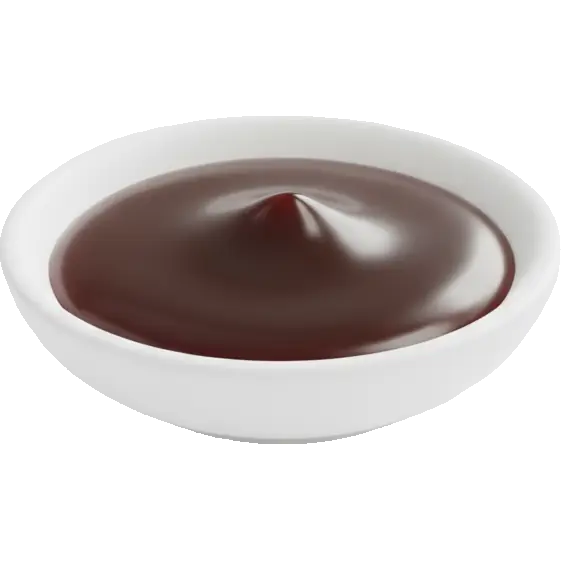
| Black bean sauce | Often contains fermented black soybeans, soy sauce (wheat) and garlic—problematic for gluten/FODMAP. Look for gluten-free recipes or certified low FODMAP brands. |
| Bonito | As fish/bonito flakes: FODMAP‑free but very high in natural glutamate (umami) and biogenic amines; watch histamine intolerance. |
| Broccoli | Broccoli is a green cruciferous vegetable. A nutritious vegetable with tree-like florets. |
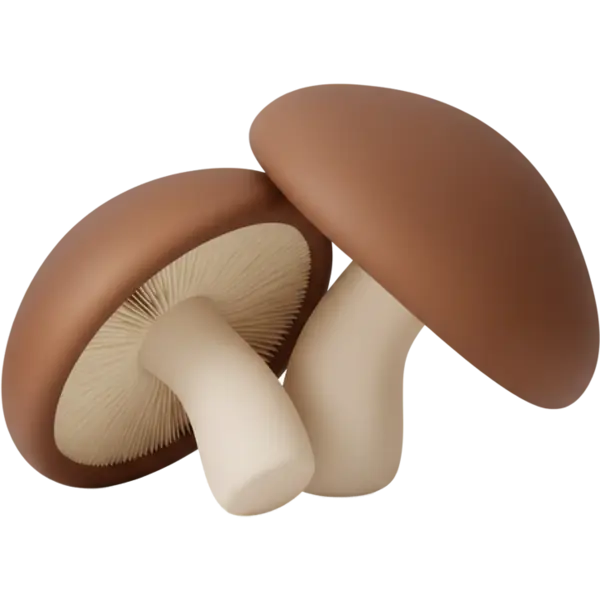
| Button mushroom | Common white mushroom; high in mannitol so a frequent FODMAP trigger; naturally glutamate rich. |
| Caesar dressing | Classic Caesar uses anchovy, egg yolk, Parmesan and garlic (fructans) → not vegan/vegetarian and often high FODMAP. Fish, egg & milk are major allergens. |
| Corn | Corn is a cereal grain and vegetable. A versatile crop eaten fresh and processed. |
| Gluten-free soy sauce | Assumes certified gluten-free tamari/rice-brewed soy sauce made from soybeans; salt and gluten-free grain or no grain. Low FODMAP by serving/subtypes; but fermented soy is high concern for histamine/tyramine and free glutamates; high sodium makes it weak for DASH. Soy allergen makes it poor for EoE elimination. |
| Gochujang | Fermented Korean chili paste (rice or wheat, soy). Nightshade-heavy; often contains gluten and is high in histamine/tyramine. |
| Gorgonzola | Blue cheese; very high in histamine/tyramine and natural glutamates. Lactose is typically very low, but contains dairy proteins. |
| Gravy | Traditional gravies often contain wheat flour and onion/garlic; packet mixes may add MSG/sulfites. Gluten-free low-FODMAP versions exist. |
| Kimchi | Fermented cabbage with garlic/chili; high in biogenic amines (histamine/tyramine). GF unless wheat flour added. |
| Miso paste | Fermented soy paste; low FODMAP in small serves. Can contain barley (gluten) depending on type. High in free glutamates and biogenic amines. |
| Mushroom | Mushroom is an edible fungus. A savory umami-rich ingredient in many varieties. |
| Oyster mushroom | Low FODMAP mushroom; unlike button mushrooms it is well tolerated on an elimination diet. |
| Oyster sauce | Concentrated oyster extract + sugar + soy/wheat (often). High umami; many brands contain wheat—check labels. |
| Pepper jack | Semi-soft cheese (with chili). Lower lactose than milk but not as low as aged hard cheeses; aged cheeses can be problematic for histamine-sensitive folks. |
| Pesto | Typically basil, garlic, pine nuts, Parmesan, and olive oil. Garlic drives FODMAPs; garlic-infused oil versions are friendlier. |
| Ponzu sauce | Citrus-soy condiment; regular soy sauce contains wheat (gluten) and is naturally high in glutamates. Some brands add bonito (fish), raising histamine. |
| Prosciutto | Aged/cured meat → high histamine/tyramine. Traditional Parma uses only pork+salt (no nitrites). |
| Provolone | Aged semi-hard cheese: low lactose but high histamine/tyramine and natural glutamates. |
| Sauerkraut | Sauerkraut is fermented shredded cabbage. A tangy probiotic condiment from Germany. |
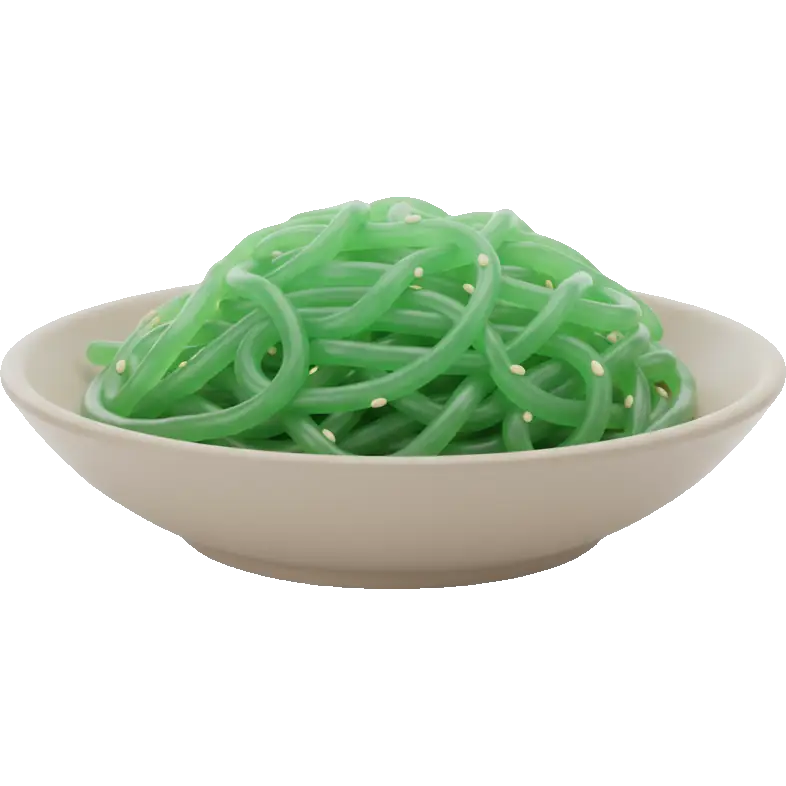
| Seaweed | Seaweed is edible marine algae. A nutritious sea vegetable used in Asian cuisines. |
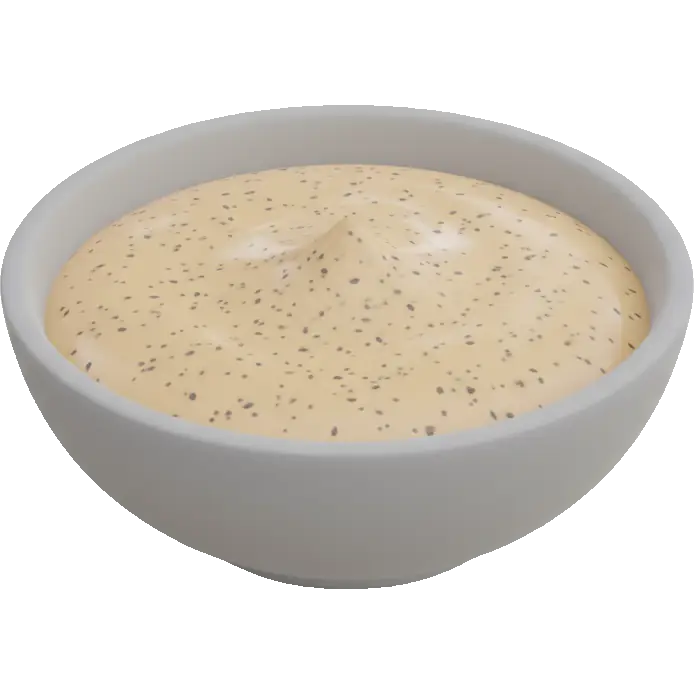
| Sesame dressing | Sesame dressing is Asian sesame-based sauce. A nutty tangy salad dressing. |
| Shiitake mushroom | Intensely umami mushroom; very high free glutamate and notable histamine; drying concentrates both. |
| Spinach | Spinach is a nutritious dark leafy green. A mild versatile vegetable eaten raw or cooked. |
| Teriyaki sauce | Usually soy sauce (wheat), mirin/sugar, garlic/ginger; higher in glutamates and often contains wheat → gluten. |
| Tomato | Tomato is a red fruit used as vegetable. A juicy versatile ingredient in cuisines worldwide. |
| Tomato sauce | Includes tomato paste and passata. |
| Veggie patty | Meat-free burger patty from beans soy or pea protein; check for egg or dairy binders and wheat gluten. |
| Veggie sausage | Meat-free sausage from soy or pea protein; no nitrites or animal fat; check for wheat gluten binder and added sulfites. |


Moderate46 foods
| Food | Notes |
|---|---|
| Barbecue sauce | Brands vary; many contain onion/garlic (fructans) and HFCS. Some Monash-certified low FODMAP BBQ sauces exist—check labels for onion/garlic and wheat. |
| Blue cheese | Aged cheese: lactose is minimal; but high in tyramine and biogenic amines—avoid with MAOIs and histamine intolerance. Most blue cheeses test gluten-free; check rennet if vegetarian. |
| Blue cheese dressing | Typically contains blue cheese + buttermilk/sour cream and often garlic/onion. FODMAP and lactose depend on brand; check labels. |
| Chili garlic sauce | Contains garlic → fructans. Choose garlic‑free chili sauces or use garlic‑infused oil if needed. |
| Chutney | Fruit + vinegar + spices; many include onion/garlic and lots of sugar—brand and portion dependent. |
| Cocktail sauce | Ketchup + horseradish + spices; many versions include garlic/onion or HFCS—portion and brand matter. |
| Colby jack | Semi‑soft cheese; generally low in lactose but higher in biogenic amines. |
| Fish sauce | Fermented condiment; carbohydrate content is low but biogenic amines (histamine/tyramine) can be high. Check brand for added sugar/gluten. |
| French dressing | Recipe/brand dependent; can include onion/garlic, tomato/paprika, thickeners, dairy and preservatives. Check labels. |
| Goat cheese | Goat cheeses vary: fresh chèvre has more lactose; aged versions have little lactose but are high in histamine/tyramine. Contains dairy proteins. |
| Halloumi | Lower-lactose cheese with salty profile; Monash lists a small low FODMAP serve—watch histamine. |
| Harissa | Chili-garlic paste; often contains garlic → fructans. Choose garlic-free versions to lower FODMAPs. |
| Havarti | Aged/semi-soft cheese; typically low in lactose but higher in biogenic amines (histamine/tyramine). |
| Homemade bone broth | Homemade bone broth is slow-simmered bones. A rich nutritious liquid base for cooking. |
| Honey mustard | Often contains honey, vinegar, spices; some brands add wheat/dairy/garlic—check labels. |
| Horseradish sauce | Often mayo/cream-based with vinegar/sugar; many add onion/garlic—brand-dependent. |
| Hummus | Chickpeas + tahini + garlic. Canned/rinsed chickpeas and garlic-infused oil versions are gentler. |
| Ketchup | Tomato + sugar + vinegar; many brands add onion/garlic or HFCS—watch portion and ingredients. |
| Korma paste | Often includes onion/garlic, nuts, dairy/yogurt; some brands add wheat—check labels. |
| Manchego | Aged sheep's cheese; very low lactose (often tolerated on low FODMAP in small serves). Contains dairy proteins and biogenic amines. |
| Mango chutney | Usually contains mango (excess fructose) plus onion/garlic and sugar. Brands vary—check labels; small serves may still trigger. |
| Meat-free mince | Meat-free ground mince from soy or pea protein; usually lower in fat than beef mince; check for wheat gluten binder. |
| Monterey jack | Semi‑hard cow’s cheese; low lactose at usual serves. Contains dairy proteins and moderate natural glutamates/biogenic amines. |
| Olive tapenade | Often includes garlic/capers/anchovy—FODMAP depends on recipe; garlic drives fructans. |
| Parmesan | Aged hard cheese; very low lactose but high in biogenic amines (histamine/tyramine). |
| Pico de gallo | Fresh salsa with raw onion, tomato, cilantro, lime, and chili. Onion makes it high in fructans; tomatoes/chiles are nightshades. |
| Piri piri sauce | Chili, garlic, lemon, oil, and spices. Garlic drives fructans; hot chili can irritate IBS and GERD. Check labels for onion/added sugars. |
| Plum sauce | Sweet-sour condiment with plums (sorbitol), sugar, and often garlic/onion/soy sauce—commonly high in polyols and FODMAPs. |
| Portobello mushroom | High in mannitol (polyol) → often a FODMAP trigger; tolerance improves at very small portions. |
| Powdered milk | Very high lactose; concentrated dairy proteins. Choose lactose-free if needed. |
| Queso blanco | Fresh cheese; moderate lactose; typically lower histamine than aged cheeses. |
| Queso fresco | Fresh, crumbly cheese; usually higher lactose than aged cheeses; lower histamine than aged. |
| Ranch dressing | Often contains buttermilk + garlic/onion powder; many brands are gluten-free but check labels. |
| Salami | Salami is cured fermented sausage. A seasoned dried meat sliced for sandwiches and charcuterie. |
| Satay sauce | Satay sauce is peanut-based dipping sauce. A creamy Southeast Asian condiment. |
| Seitan | Pure wheat gluten—catastrophic for celiac but paradoxically LOW FODMAP at ≤30g. Best plant protein for nickel allergy. Triggers mast cell histamine release. |
| Sheep cheese | Varies by style: aged sheep cheeses (e.g., Pecorino, Manchego) are typically low in lactose; fresh cheeses (ricotta) higher. Aged cheeses can be tyramine/histamine rich. |
| Soy protein | Powdered isolate or concentrate from defatted soybeans; the fermentable carbs are stripped in processing so it stays low FODMAP unlike whole soybeans. Still soy at heart: high in oxalate and nickel and a recognised histamine liberator; off the table for soy allergy or an EoE elimination trial. Flavoured powders often add inulin or polyol sweeteners so scan the label. |
| Sriracha | Chili-garlic hot sauce with added sugar; commonly contains sulfite preservatives. High in fructans due to garlic; hot chilies can irritate some. |
| Sweet and sour sauce | Often includes onion/garlic, pineapple, ketchup; brands may add wheat (gluten) and preservatives—check labels. |
| Tartar sauce | Typically mayonnaise + pickles/capers + onion; some brands add dairy or wheat—check labels. |
| Tempeh | Fermented whole soybean cake; low FODMAP but high in histamine and tyramine from fermentation. |
| Tomato jam | Concentrated tomato + sugar; watch excess fructose at larger serves; may include pectin/preservatives. |
| Tomato juice | Tomato products are low FODMAP in modest serves; natural free glutamates can be symptoms triggers for some. |
| Tortellini | Wheat pasta + cheese/meat filling → gluten + lactose. Choose GF, lactose-free versions if needed. |
| Vegan cheese | Dairy-free cheese alternative usually from coconut oil and starch; no lactose or casein; cashew and soy versions exist so check allergens. |
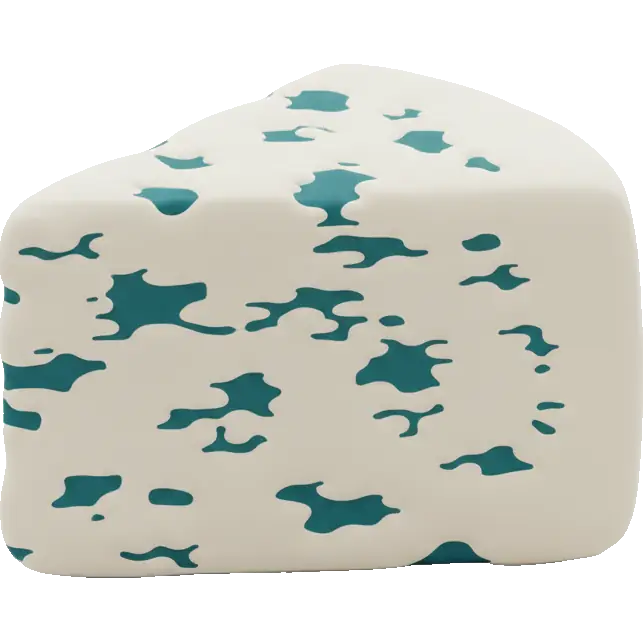
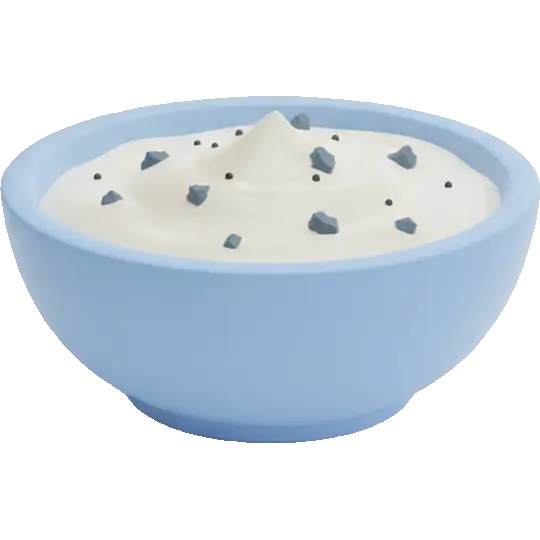
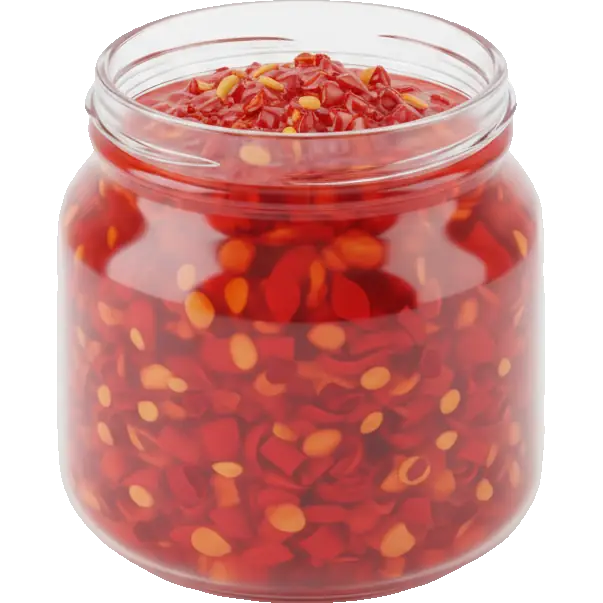
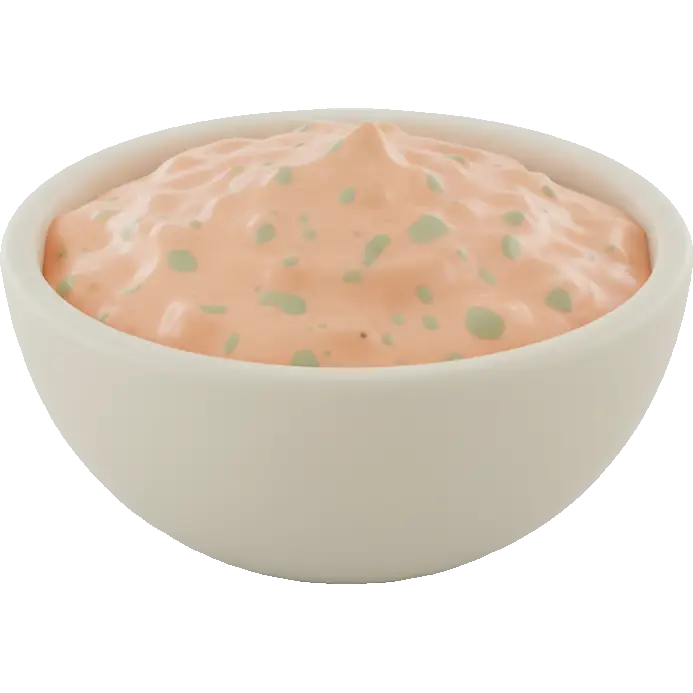
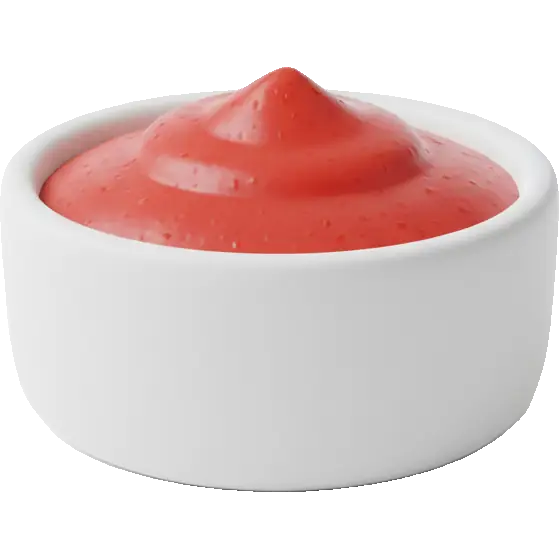
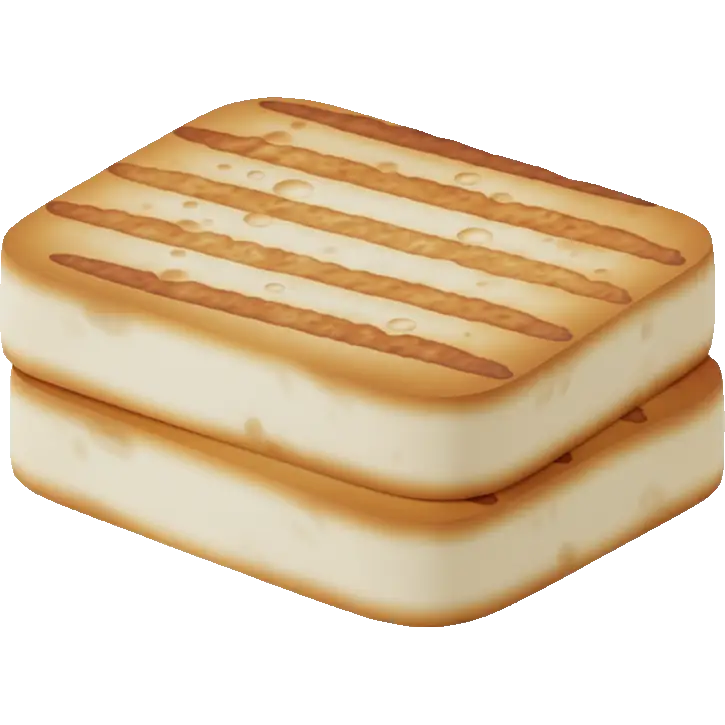
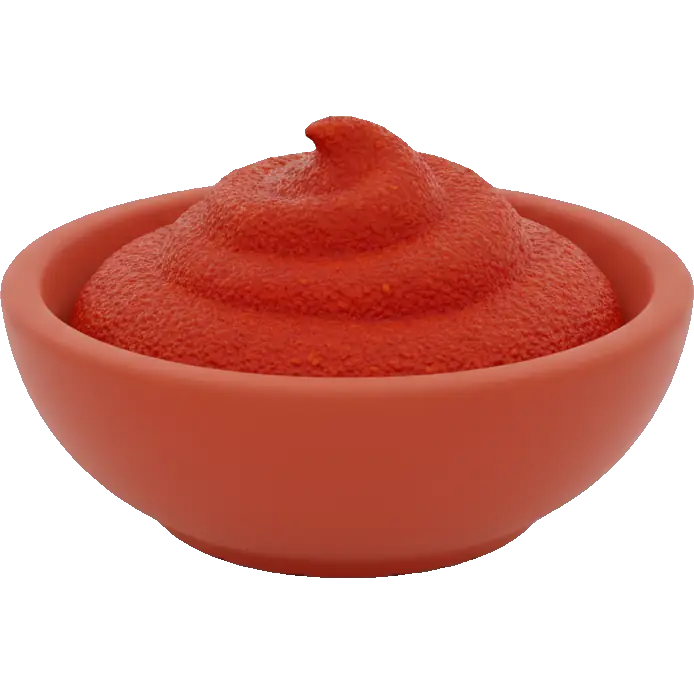
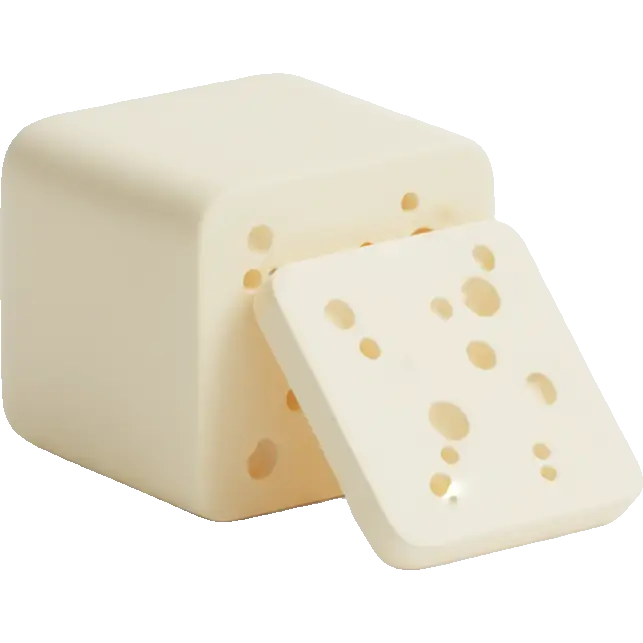

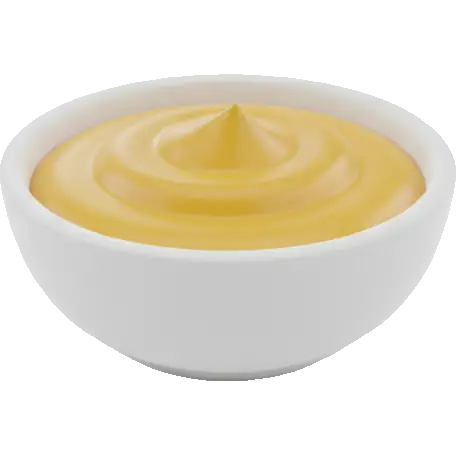

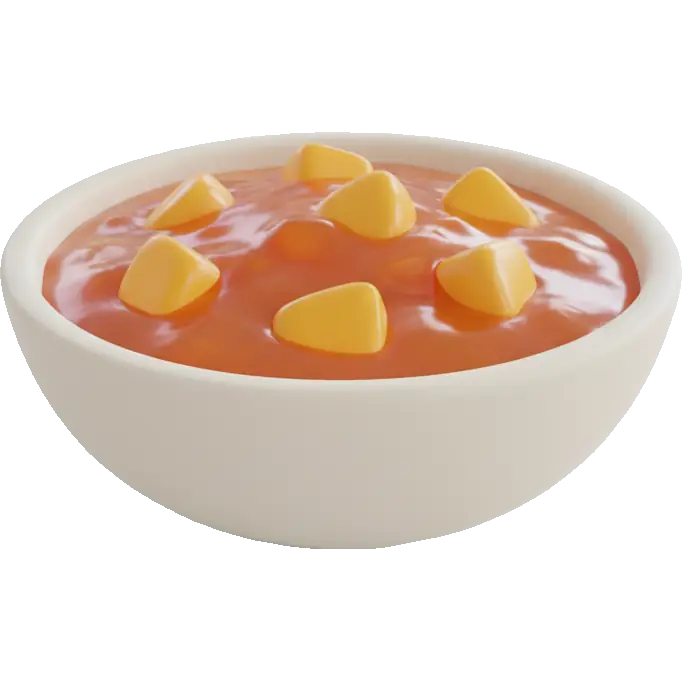
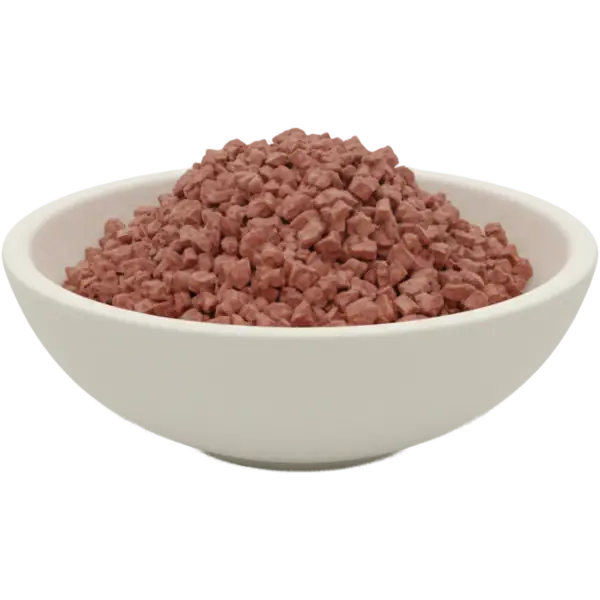
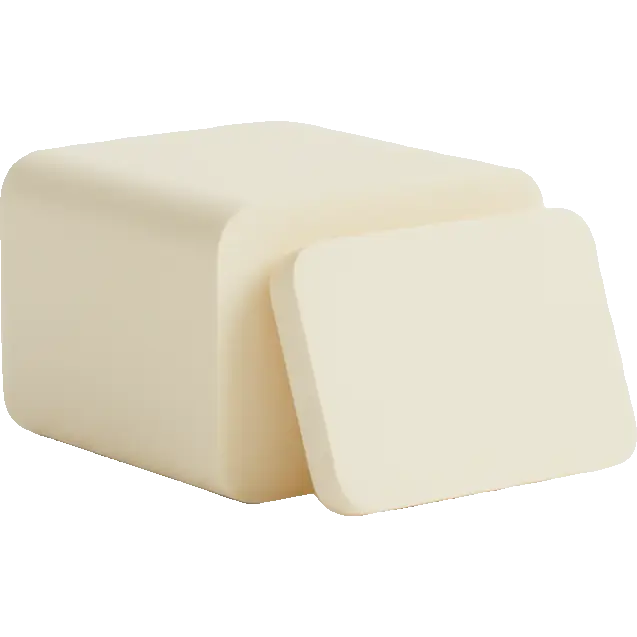
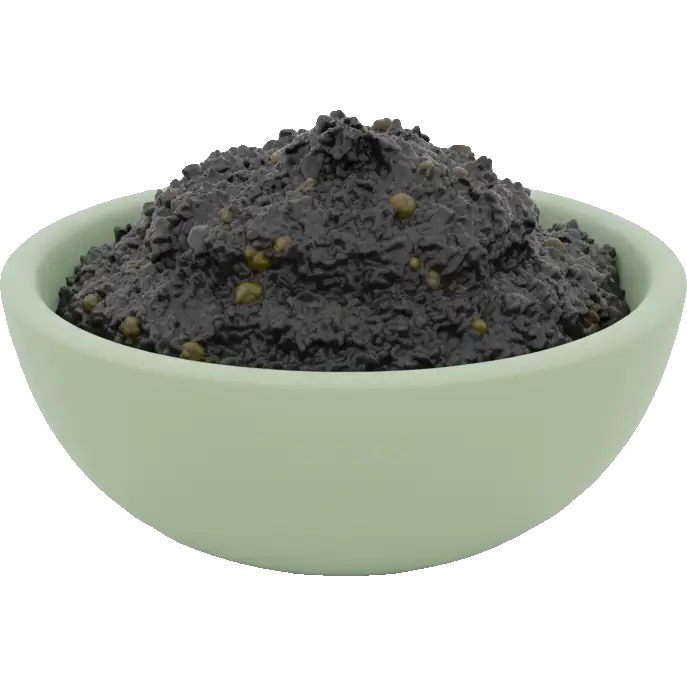
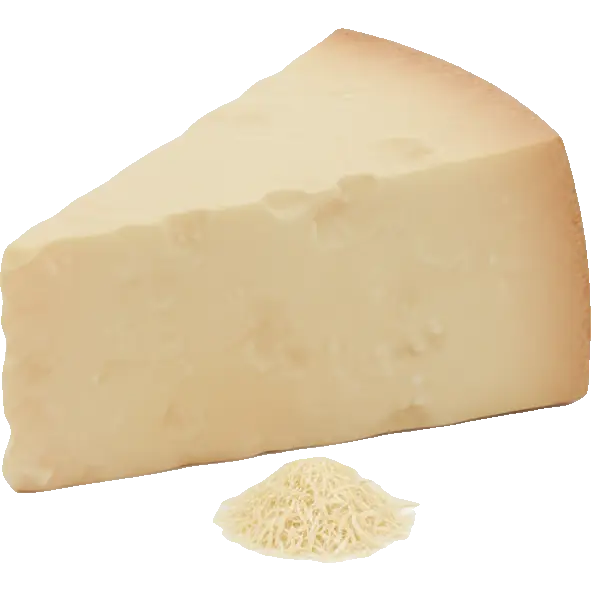
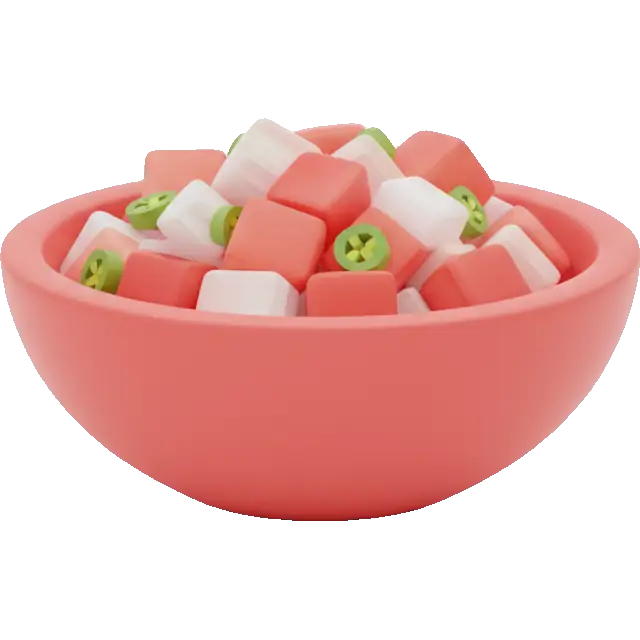
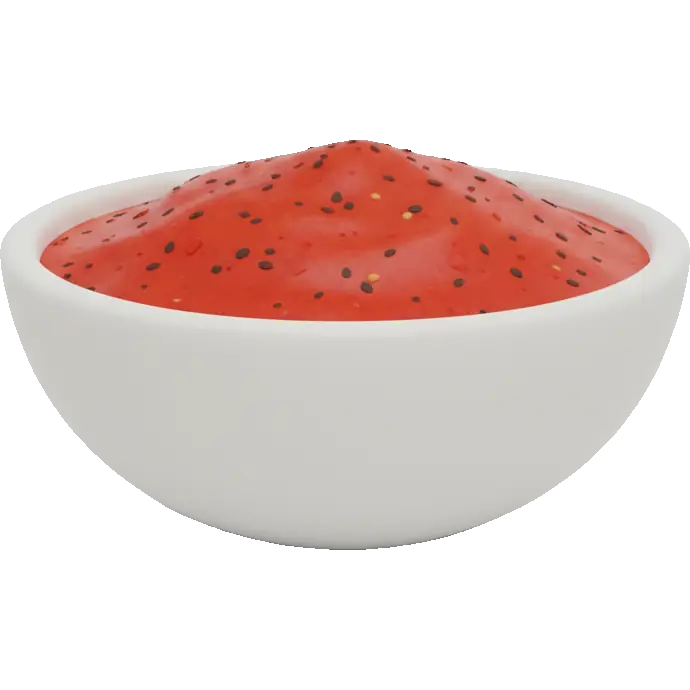
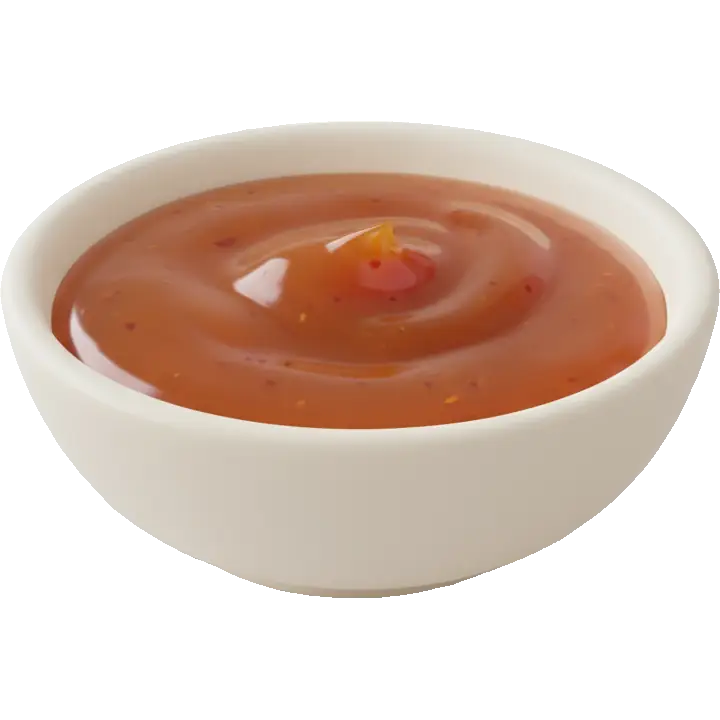
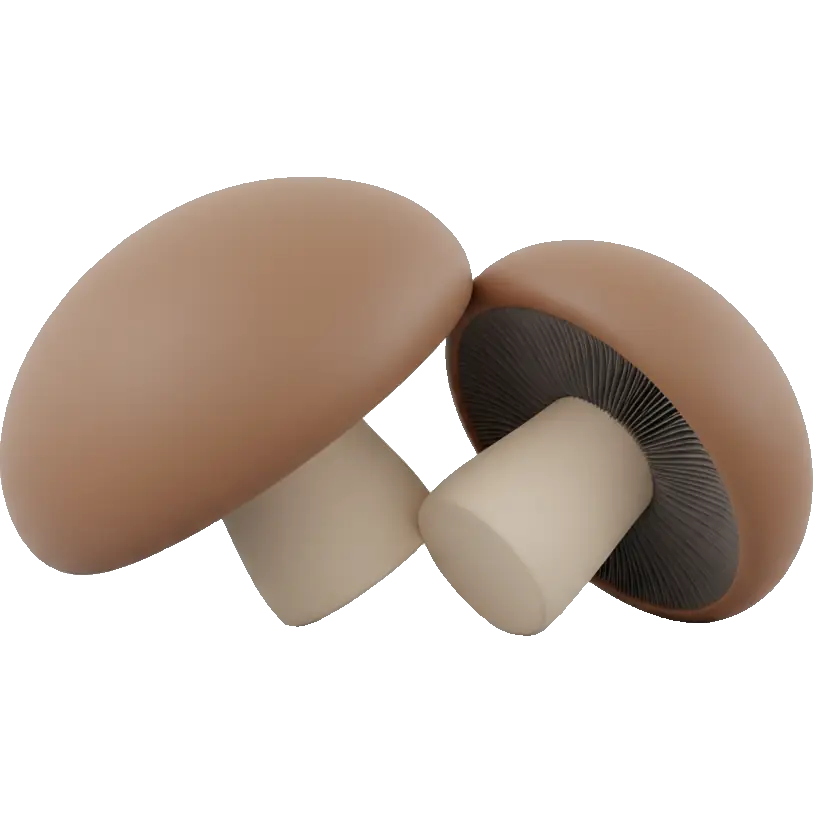
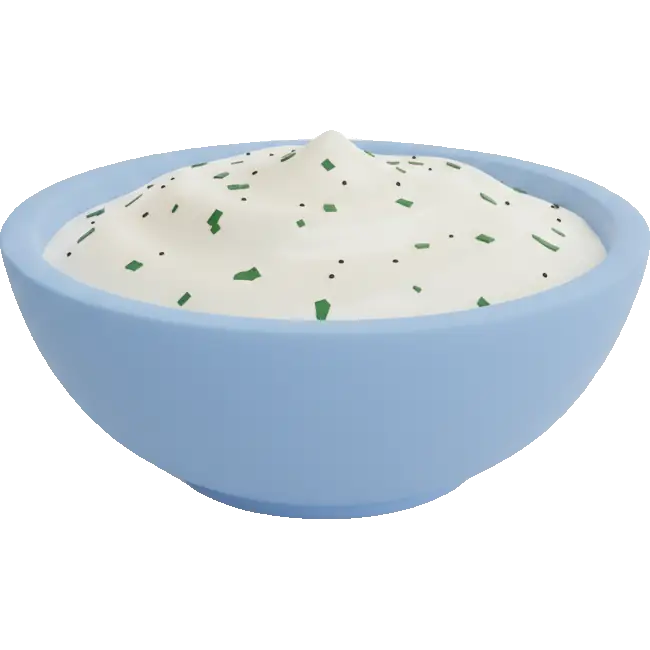
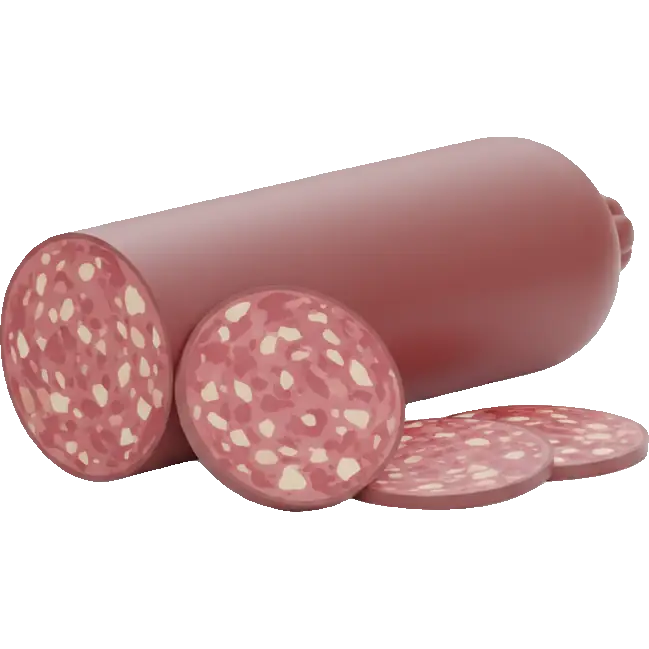
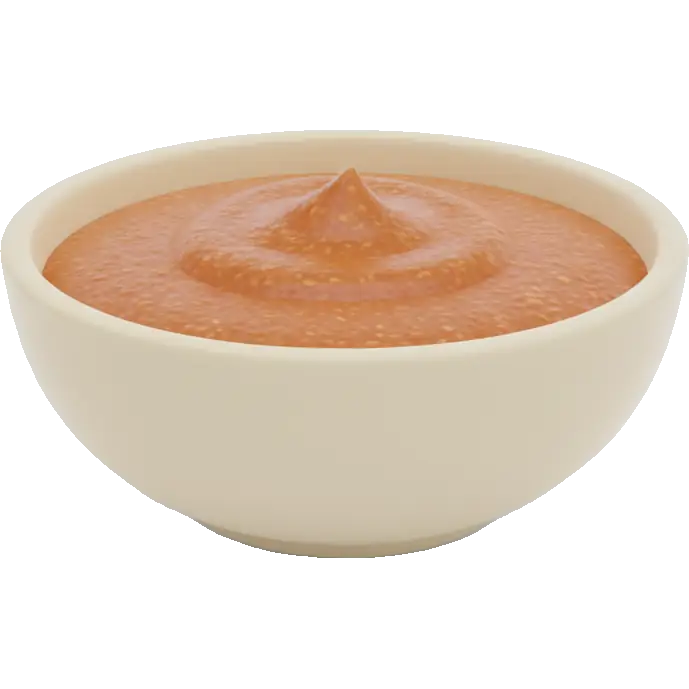

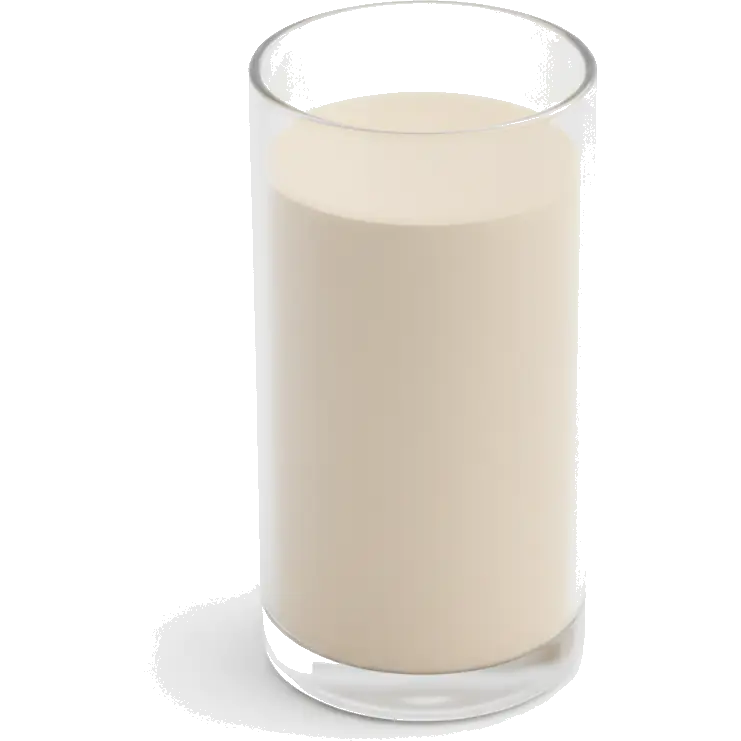

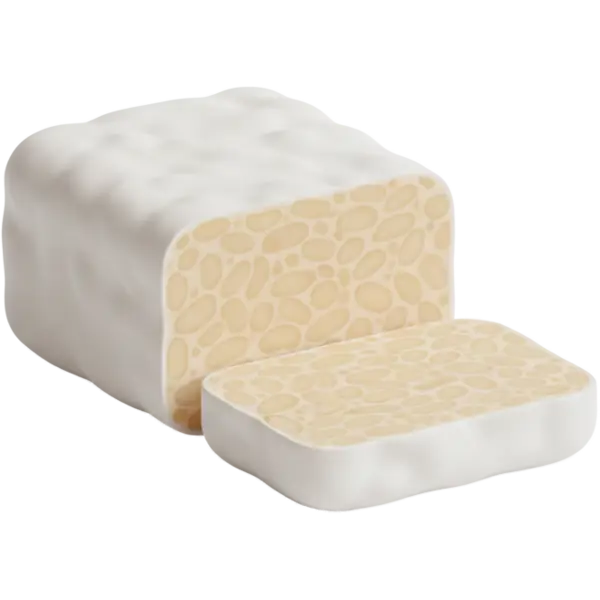
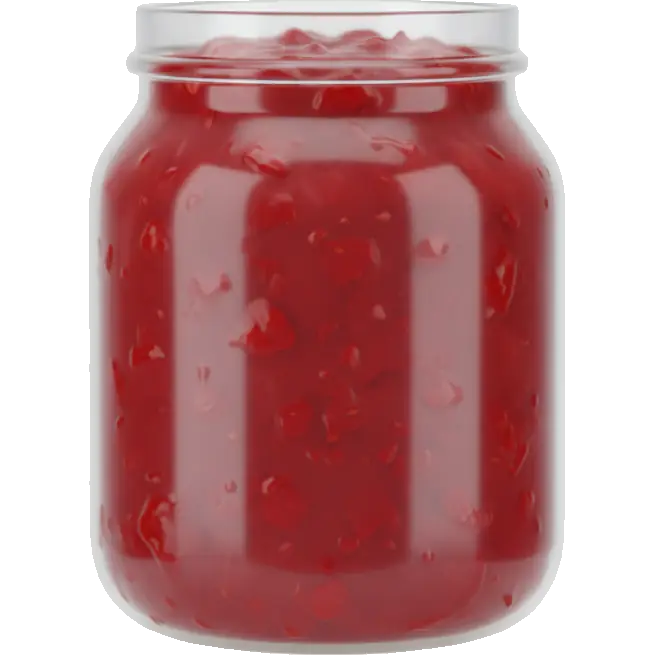
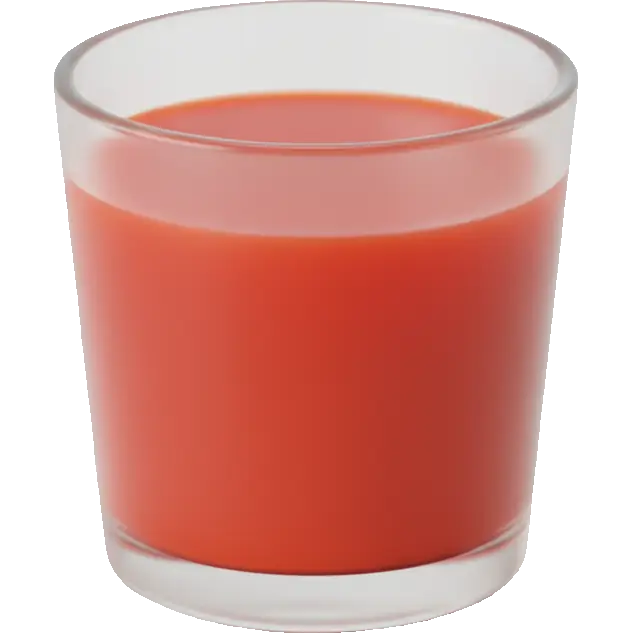
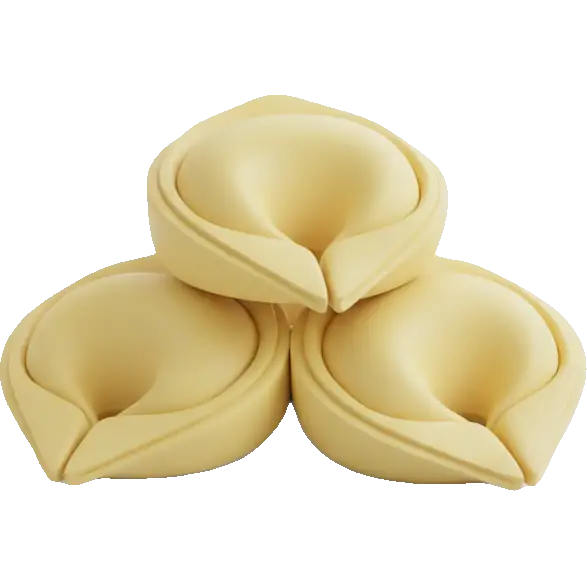
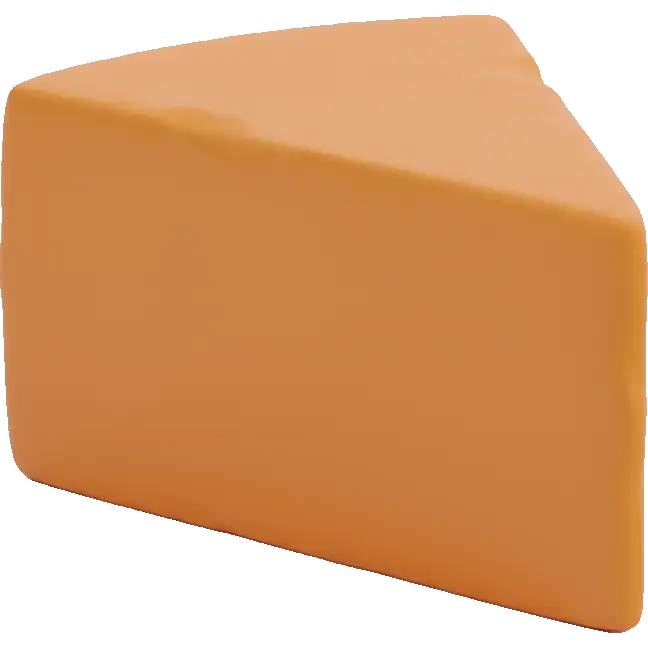
Aged cheese, tomato, mushroom, fermented sauces, cured meat, seaweed and broth are all foods prized for their savoury depth.
How much is too much
How much you eat in an evening decides this. A restaurant meal can carry several grams of free glutamate across a soup, a sauce and a hard cheese, where a home-cooked version of the same dish might carry a fraction of that. If glutamate affects you at all, it is far more likely to be the cumulative load of an evening than any single ingredient.
Two other things usually travel with the foods on this list. Aged and fermented foods are also high in histamine and tyramine, and restaurant food is usually saltier, later and larger than what you cook yourself. When someone feels unwell after a meal out, glutamate is one candidate among several, and it is rarely the most likely one.
How to test it on your own evidence
Cutting every food on this list would remove much of what makes eating good, on a premise the research does not support. A narrower test answers the question without that cost.
Pick the two or three glutamate-heavy foods you eat most, keep everything else steady, and drop just those for two weeks. Then bring them back one at a time, a normal portion, a few days apart. Write down what you ate and how you felt each day, including the days nothing happened. If the symptoms track the reintroduction, you have found something real. If they do not, you have your answer and your parmesan back.
Check any food in seconds
You do not have to work from a list you half remember. The glutamate checker grades any food in our database, and every food on this page links to its own ingredient page with the rest of what it carries.
Where Triggerbites fits in
This list comes straight from the food data inside Triggerbites, which grades every ingredient for glutamate alongside allergens, FODMAPs, histamine, additives, salicylates, oxalates and more.
So rather than assuming from a generic list, you log your day in plain words and let the app connect what you ate to how you felt, including reactions that show up a day or two later. On a question the research has not settled for everyone, your own record is what settles it for you.






Triggerbites Features
- Log your day in 30 seconds: Text, voice or photo. Log as you go, or recap it all in the evening.
- Your food, broken down: Meals become ingredients and sensitivity profiles: histamine, salicylates, FODMAPs, allergens, and even the additives on packaged food.
- Everything in the same journal: Symptoms, supplements, sleep, stress, exercise and mood, beside what you ate.
- See what repeats over time: Patterns between what you eat and how you feel, including delayed reactions that show up days later.
Common questions
Is MSG the same as the glutamate in parmesan?
Chemically, yes. MSG is the sodium salt of glutamate, and once it reaches your gut it is the same molecule your body gets from aged cheese or a ripe tomato. Your body has no way to tell which one it came from.
Does MSG cause headaches?
Controlled studies have not found a reliable link. The effect tends to disappear once people no longer know whether they are eating MSG. If you get headaches after restaurant meals, salt, alcohol, histamine, portion size and timing are all more likely candidates.
Are tomatoes high in glutamate?
Yes, and they get higher as they ripen. A vine-ripened tomato in August carries far more free glutamate than a pale one in March, which is most of why it tastes of more.
What foods are highest in free glutamate?
Aged cheeses such as parmesan, fermented sauces such as soy, fish sauce and miso, ripe tomatoes, mushrooms, cured meats such as prosciutto and salami, seaweed, and yeast extract. Ageing, ripening and fermenting all release glutamate from protein.
Should I avoid high-glutamate foods?
For almost everyone, no. These are ordinary foods and many of them are nutritious. If you suspect glutamate affects you, test two or three of the ones you eat most rather than cutting the whole list at once.
Is glutamate the same as gluten?
No, and the names are the only thing they share. Gluten is a protein in wheat, barley and rye. Glutamate is a single amino acid found across almost all protein foods.
Live, love, log. 🧡
References
 WebMD
WebMDArticle References and Citations
- WebMD: "Foods High in Glutamate" - https://www.webmd.com/diet/high-glutamate-foods
- International Food Information Council (IFIC): "Monosodium Glutamate (MSG): From A to Umami" - https://ific.org/wp-content/uploads/2025/04/Monosodium-Glutamate-MSG-Fact-Sheet-From-A-to-Umami.pdf