Foods high in histamine: the complete list, and your own threshold
Aged, fermented and cured foods carry the most histamine. This is a load to manage, and most of what you eat is already low.
If histamine is a problem for you, you've probably been handed a list of "foods to avoid" - and it can read like a sentence. Cheese, wine, leftovers, anything interesting.
It's worth slowing down, because that framing is misleading in two ways. First, the foods highest in histamine have something specific in common - and once you see it, the list stops looking random. Second, histamine is a load you manage, so the amount matters as much as the ingredient. Below is the full list, and how to think about it.
Why these foods are high in histamine
Histamine builds up in a food over time.
It's produced when bacteria and the natural aging process break down proteins, converting an amino acid (histidine) into histamine. So the things that raise a food's histamine are all variations on the same theme: time, warmth and microbes. Aging, fermenting, curing, smoking, ripening and leaving food sitting around all push histamine up.2
That's the thread running through the whole list. A fresh food is almost always low in histamine; the same food aged, fermented or left as leftovers can be high. What's been done to the food is what decides it.
The high-histamine foods
Below is every food that carries a histamine load worth knowing about - drawn directly from the Triggerbites ingredient database.
The pattern behind the list is the one already described: aged, fermented, cured, smoked and slow-ripened foods, plus anything left to sit. Aged cheese over fresh, cured meat over fresh, fermented over raw, leftovers over just-cooked.








Every food our database grades for histamine, highest first. Each one links to its own page.
Worth avoiding65 foods

| Food | Notes |
|---|---|
| Aged cheese | Aged cheese is cheese matured over time. A sharp flavorful cheese with developed taste. |
| Ale | Usually barley/malt based (contains gluten). Beer/ale are generally low FODMAP per serve but alcohol and carbonation can still trigger IBS; may contain histamine/biogenic amines. |
| Anchovy | Plain fish is FODMAP‑free; anchovies are often fermented/salted and can be high in histamine/tyramine—avoid if histamine‑intolerant or on MAOIs. |
| Anchovy paste | Concentrated anchovy with salt/oil; same histamine/tyramine caveats; check labels for added garlic. |
| Aperitif | Covers many pre‑dinner alcoholic drinks (vermouth, bitters, etc.). Alcohol can aggravate IBS; some are wine‑based and may contain sulfites/biogenic amines. |
| Aperol | Bitter orange aperitif (11% ABV). Alcohol may trigger IBS; distilled spirit/wine‑based mixers may include sulfites—check label; gluten‑free as a spirit/liqueur. |
| Avocado | Avocado is a creamy green fruit with pit. A buttery fruit used in savory and sweet dishes. |
| Balsamic vinegar | Balsamic vinegar is aged Italian grape vinegar. A sweet-tart dark vinegar from Modena. |
| Beer | Beer is a fermented grain beverage. An alcoholic drink made from malted barley and hops. |
| Blue cheese | Aged cheese: lactose is minimal; but high in tyramine and biogenic amines—avoid with MAOIs and histamine intolerance. Most blue cheeses test gluten-free; check rennet if vegetarian. |
| Blue cheese dressing | Typically contains blue cheese + buttermilk/sour cream and often garlic/onion. FODMAP and lactose depend on brand; check labels. |
| Bonito | As fish/bonito flakes: FODMAP‑free but very high in natural glutamate (umami) and biogenic amines; watch histamine intolerance. |
| Campari | Italian bitter liqueur (~24% ABV in the US). Alcohol can aggravate histamine symptoms; coloring no longer from cochineal in most markets. |
| Champagne | Sparkling wine is generally low FODMAP per serve; contains alcohol and often added sulfites. |
| Cheddar cheese | Cheddar cheese is a firm aged English cheese. A sharp tangy cheese in many varieties. |
| Chevre | Soft goat cheese contains lactose; small serves may be tolerated. Aged goat cheeses are lower‑lactose. |
| Cocoa | Cocoa is processed cacao powder. A chocolate flavoring for baking and beverages. |
| Colby cheese | Colby cheese is a mild American cheese. A soft orange cheese similar to cheddar. |
| Colby jack | Semi‑soft cheese; generally low in lactose but higher in biogenic amines. |
| Dark chocolate | 70%+ cocoa. Strong anti-inflammatory from flavanols. HIGH oxalate and nickel—avoid for kidney stones and SNAS. Low FODMAP at 30g. Check for hidden dairy. |
| Eggplant | Eggplant is a purple nightshade vegetable. A meaty vegetable also called aubergine. |
| Feta | Brined cheese; lactose is lower than milk and small 40 g serves are typically low FODMAP. |
| Fish sauce | Fermented condiment; carbohydrate content is low but biogenic amines (histamine/tyramine) can be high. Check brand for added sugar/gluten. |
| Gluhwein | Mulled red wine with spices and sugar. High in histamine/tyramine and sulfites; very high salicylates from spices. |
| Gluten-free soy sauce | Assumes certified gluten-free tamari/rice-brewed soy sauce made from soybeans; salt and gluten-free grain or no grain. Low FODMAP by serving/subtypes; but fermented soy is high concern for histamine/tyramine and free glutamates; high sodium makes it weak for DASH. Soy allergen makes it poor for EoE elimination. |
| Goat cheese | Goat cheeses vary: fresh chèvre has more lactose; aged versions have little lactose but are high in histamine/tyramine. Contains dairy proteins. |
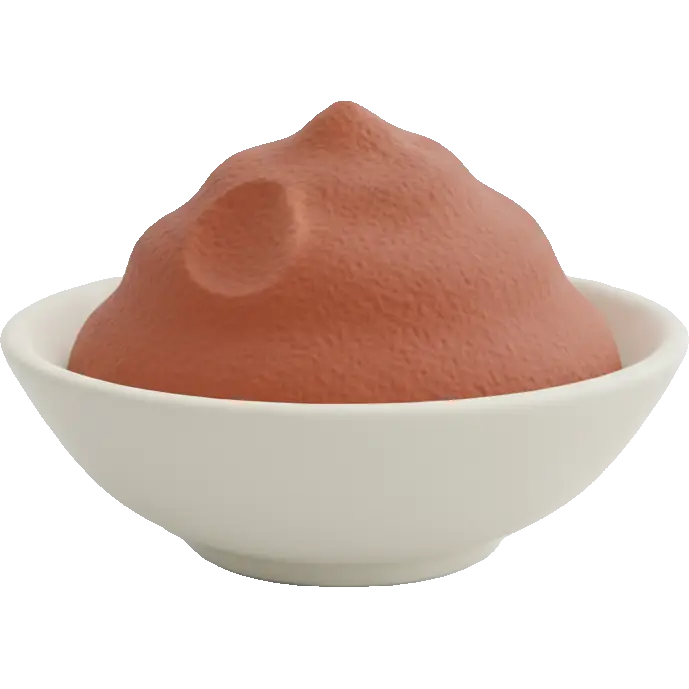
| Gochujang | Fermented Korean chili paste (rice or wheat, soy). Nightshade-heavy; often contains gluten and is high in histamine/tyramine. |
| Gorgonzola | Blue cheese; very high in histamine/tyramine and natural glutamates. Lactose is typically very low, but contains dairy proteins. |
| Halloumi | Lower-lactose cheese with salty profile; Monash lists a small low FODMAP serve—watch histamine. |
| Ham | Processed meat; often cured with nitrites and can be higher in histamine—choose nitrite-free where possible. |
| Havarti | Aged/semi-soft cheese; typically low in lactose but higher in biogenic amines (histamine/tyramine). |
| Ipa | Hop-forward barley beer → gluten. Alcohol and carbonation can worsen IBS symptoms. |
| Kefir | Kefir is fermented probiotic milk drink. A tangy drinkable yogurt-like beverage. |
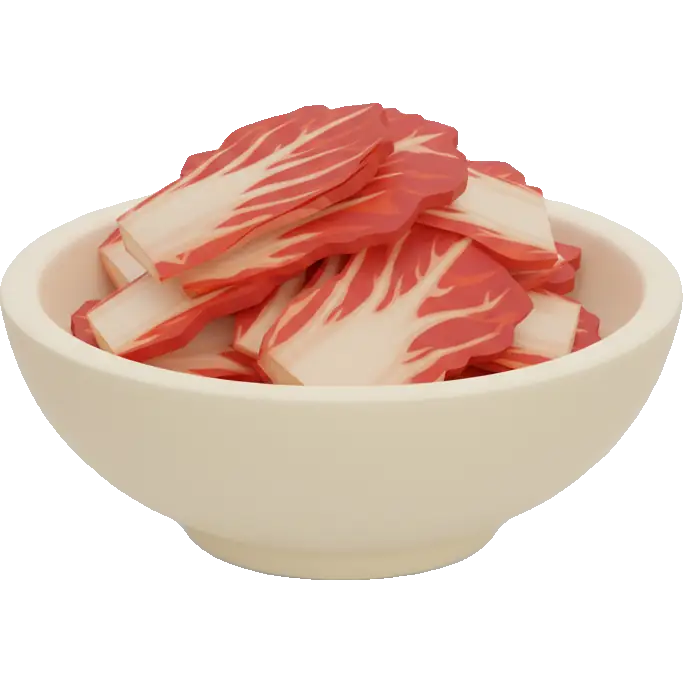
| Kimchi | Fermented cabbage with garlic/chili; high in biogenic amines (histamine/tyramine). GF unless wheat flour added. |
| Lager | Barley beer → gluten. Monash lists beer as low FODMAP per standard serve, but alcohol/carbonation can aggravate IBS. |
| Mackerel | Oily fish rich in omega-3; FODMAP-free. Ensure freshness to avoid histamine issues. |
| Mahi-mahi | Lean fish; FODMAP‑free. |
| Mead | Fermented honey alcohol; residual fructose varies (dry vs sweet). Often contains sulfites; fermented → higher histamine/amines. |
| Milk chocolate | 30-40% cocoa. Low FODMAP at 20g (lactose limiting). Lower oxalate than dark but contains dairy proteins. Watch for barley malt. High sugar offsets flavanol benefits. |
| Miso paste | Fermented soy paste; low FODMAP in small serves. Can contain barley (gluten) depending on type. High in free glutamates and biogenic amines. |
| Mulled wine | Wine + sugar + spices; alcohol and added sugars can aggravate symptoms; many wines have sulfites. |
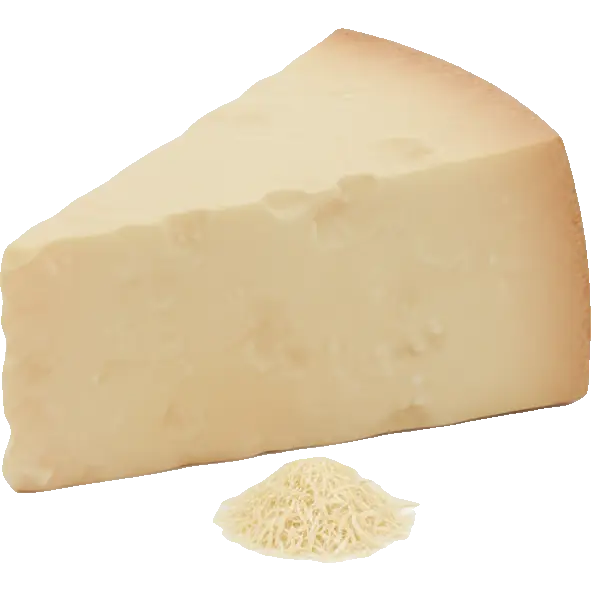
| Parmesan | Aged hard cheese; very low lactose but high in biogenic amines (histamine/tyramine). |
| Parmesan cheese | Parmesan cheese is aged Italian hard cheese. A nutty savory cheese for pasta. |
| Pepper jack | Semi-soft cheese (with chili). Lower lactose than milk but not as low as aged hard cheeses; aged cheeses can be problematic for histamine-sensitive folks. |
| Port | Sweet fortified wine; higher sugar load (excess fructose) and commonly contains sulfites. Fortified and barrel-aged wines can be high in histamine. |
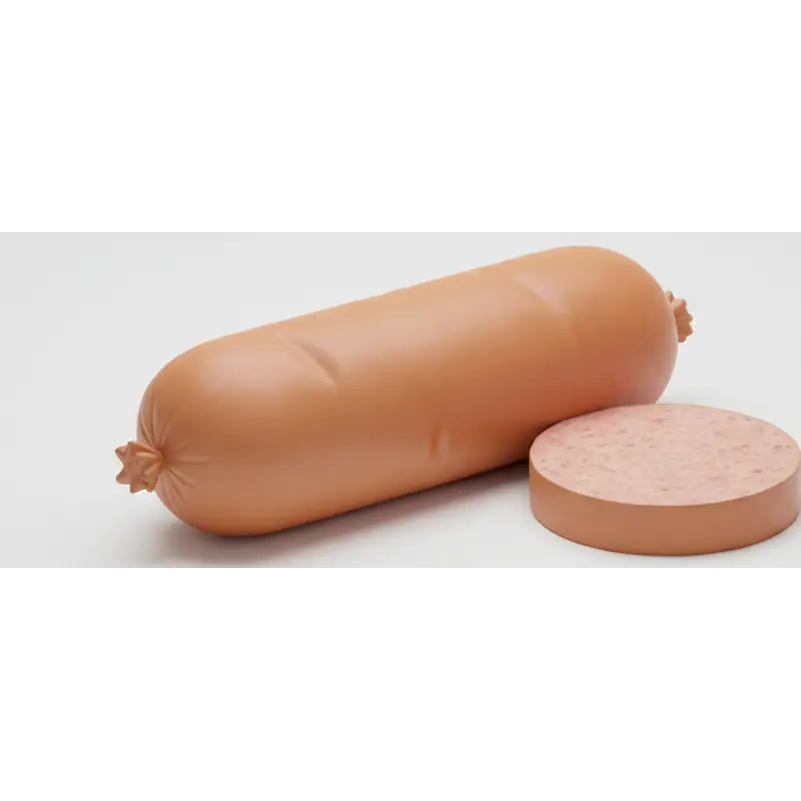
| Processed meat | Includes hot dogs sausages deli meats etc. |
| Prosciutto | Aged/cured meat → high histamine/tyramine. Traditional Parma uses only pork+salt (no nitrites). |
| Provolone | Aged semi-hard cheese: low lactose but high histamine/tyramine and natural glutamates. |
| Red wine | Red wine is fermented dark grapes. An alcoholic beverage with varied styles and flavors. |
| Red wine vinegar | Red wine vinegar is fermented red wine. A tangy acidic liquid for dressings. |
| Rose wine | Rosé wine is pink-tinted grape wine. A light refreshing wine between red and white. |
| Salami | Salami is cured fermented sausage. A seasoned dried meat sliced for sandwiches and charcuterie. |
| Sardines | Sardines are small oily fish. A nutritious fish often canned in oil or sauce. |
| Sauerkraut | Sauerkraut is fermented shredded cabbage. A tangy probiotic condiment from Germany. |
| Sheep cheese | Varies by style: aged sheep cheeses (e.g., Pecorino, Manchego) are typically low in lactose; fresh cheeses (ricotta) higher. Aged cheeses can be tyramine/histamine rich. |
| Shiitake mushroom | Intensely umami mushroom; very high free glutamate and notable histamine; drying concentrates both. |
| Soy sauce | Soy sauce is fermented soybean liquid. A salty umami seasoning essential in Asian cooking. |
| Soy yogurt | Fermented soy milk with live cultures; no lactose or dairy protein; histamine and tyramine rise with culture time. |
| Spinach | Spinach is a nutritious dark leafy green. A mild versatile vegetable eaten raw or cooked. |
| Stout | Barley-based beer → gluten; alcohol can aggravate IBS; some brands may contain added sulfites. |
| Tempeh | Fermented whole soybean cake; low FODMAP but high in histamine and tyramine from fermentation. |
| Tomato | Tomato is a red fruit used as vegetable. A juicy versatile ingredient in cuisines worldwide. |
| Tomato sauce | Includes tomato paste and passata. |
| Tuna | Low FODMAP protein. Canned/fresh tuna can cause scombroid (histamine) if mishandled; also a good omega‑3 source. |
| White wine | White wine is fermented light grapes. A refreshing wine ranging from dry to sweet. |
















Moderate138 foods
| Food | Notes |
|---|---|
| Abalone | Mollusk shellfish—major allergen group; reactions can be severe. If allergic to other mollusks, cross‑reactivity is possible. Fresh plain abalone is FODMAP‑free; beware sauces with garlic/onion. |
| Aguas frescas | Fruit‑water drinks vary: mango/watermelon versions are high FODMAP; citrus/berry‑based can be friendlier. Often high in added sugar. |
| Almond yogurt | Cultured almond milk; no lactose or dairy protein; higher oxalate than dairy yogurt; tree nut allergen. |
| Almonds | Almonds are oval tree nuts with mild flavor. A versatile nut eaten whole or as flour and milk. |
| Apple cider vinegar | Apple cider vinegar is fermented apple vinegar. A tangy acidic liquid for cooking and dressings. |
| Armagnac | Distilled brandy—gluten‑free by distillation. Alcohol can worsen IBS; biogenic amines typically lower than wine but sensitivity varies. |
| Bacon | Usually cured with nitrites/nitrates; some brands add sugar/garlic. Processed meats are discouraged on heart-healthy diets; choose additive-free where possible. |
| Barracuda | Fish is FODMAP-free. As with all fish, improper storage can lead to histamine (scombroid) poisoning—buy fresh and refrigerate promptly. |
| Bass | White fish (like bass) is FODMAP-free and protein-rich. Ensure freshness to minimise histamine formation. |
| Beef liver | Nutrient-dense organ meat (iron, vitamin A). FODMAP-free; use very fresh to minimise biogenic amines if sensitive. |
| Beef protein | Dairy-free protein powder from beef; often hydrolysed collagen rather than muscle (very high glycine and low leucine on the label is the tell). No lactose or dairy protein so a common whey swap. Hydrolysis frees amino acids so histamine and tyramine and free glutamate can run higher than fresh beef; flavoured blends may add sweeteners or cut in whey so check the label. |
| Beef steak | Fresh beef is FODMAP-free. Dry-aged beef can be higher in histamine; choose fresh cuts if histamine-sensitive. |
| Black beans | Black beans are small shiny dark legumes. A meaty bean popular in Latin American cuisine. |
| Bourbon | Distilled spirit (from grains); gluten removed by distillation. Alcohol can liberate histamine/impair DAO and irritate IBS. |
| Brandy | Distilled from wine; residual sulfites are low, but alcohol may trigger reflux, flush or histamine symptoms. |
| Brazil nuts | Brazil nuts are large crescent-shaped nuts. A rich creamy nut from Amazon rainforest trees. |
| Buffalo sauce | Typically hot sauce (often with garlic) + butter; contains dairy and nightshade chili; brand recipes vary. |
| Buttermilk | Fermented dairy; still contains lactose unless specifically lactose‑free. |
| Button mushroom | Common white mushroom; high in mannitol so a frequent FODMAP trigger; naturally glutamate rich. |
| Caesar dressing | Classic Caesar uses anchovy, egg yolk, Parmesan and garlic (fructans) → not vegan/vegetarian and often high FODMAP. Fish, egg & milk are major allergens. |
| Calamari | Mollusc (shellfish) allergen. Plain squid is FODMAP‑free; histamine risk relates to storage of seafood, not cooking. |
| Caper berries | Usually pickled in vinegar/brine (may contain sulfites). FODMAP data limited; trial small serves. |
| Capers | Pickled flower buds; typically low FODMAP in small (1 Tbsp) serves. Check labels for sulfites. |
| Carp | Plain fish is FODMAP‑free; as with all fish, histamine issues relate to improper storage. |
| Cashews | Cashews are curved creamy nuts. A rich buttery nut used in cooking and snacking. |
| Catfish | Plain fish is FODMAP‑free; general histamine cautions apply as with other fish. |
| Cheese | Generic cheese. Lactose content varies by type; aged cheeses are typically lower in lactose. |
| Chicken liver | Organ meat; FODMAP‑free, nutrient‑dense, but higher in biogenic amines—watch if histamine‑sensitive. |
| Chickpeas | Chickpeas are round beige legumes. A nutty versatile bean used in hummus and curries. |
| Chili garlic sauce | Contains garlic → fructans. Choose garlic‑free chili sauces or use garlic‑infused oil if needed. |
| Chili powder | Pure ground chili is low FODMAP in small amounts; blends may add onion/garlic—check labels. |
| Cider | Apple‑based (alcoholic or not) → often high FODMAP; alcohol and sulfites can also be issues. |
| Clams | Clams are bivalve shellfish. A briny shellfish eaten steamed raw or in chowders. |
| Clotted cream | Very high‑fat dairy spread; still contains lactose—often not tolerated on elimination. |
| Coconut | Coconut is the fruit of coconut palms. A versatile tropical fruit used for meat milk and oil. |
| Coconut yogurt | Cultured coconut milk; dairy-free and lactose-free; high in saturated fat; check for added sugars and thickeners. |
| Cognac | Distilled spirit (brandy) → carbohydrate‑free/FODMAP‑free; alcohol may irritate IBS. |
| Crab | Crab is a crustacean shellfish. A sweet delicate seafood eaten in many preparations. |
| Evaporated milk | Concentrated milk → high lactose per serve; usually not suitable during elimination unless lactose‑free. |
| Fig | Fig is a soft teardrop fruit with seeds. A sweet honey-flavored fruit eaten fresh or dried. |
| French dressing | Recipe/brand dependent; can include onion/garlic, tomato/paprika, thickeners, dairy and preservatives. Check labels. |
| Garlic aioli | Emulsion of oil + egg + garlic. High fructans due to garlic; not vegan; avoided on AIP/6-FED (eggs). |
| Goji berry | Usually sold dried. |
| Gravy | Traditional gravies often contain wheat flour and onion/garlic; packet mixes may add MSG/sulfites. Gluten-free low-FODMAP versions exist. |
| Hard cider | Untested, but likely high FODMAP (apple-based); alcohol can irritate IBS—trial cautiously if at all. |
| Hard liquor | Hard liquor is distilled alcoholic spirits. Strong beverages like whiskey vodka and rum. |
| Harissa | Chili-garlic paste; often contains garlic → fructans. Choose garlic-free versions to lower FODMAPs. |
| Hazelnut | Hazelnut is a round brown nut in a husk. A sweet rich nut used in chocolate and baking. |
| Herring | Fish is FODMAP-free; oily species provide omega-3s; ensure freshness to avoid histamine issues. |
| Homemade bone broth | Homemade bone broth is slow-simmered bones. A rich nutritious liquid base for cooking. |
| Honey mustard | Often contains honey, vinegar, spices; some brands add wheat/dairy/garlic—check labels. |
| Horseradish sauce | Often mayo/cream-based with vinegar/sugar; many add onion/garlic—brand-dependent. |
| Hot chocolate | Cocoa + milk/sugar; lactose and caffeine/oxalate can be triggers—use lactose-free milk if needed. |
| Hot sauce | Chili-based condiments often include garlic/onion; choose garlic-free brands if needed. |
| Ketchup | Tomato + sugar + vinegar; many brands add onion/garlic or HFCS—watch portion and ingredients. |
| Kidney beans | Kidney beans are large red kidney-shaped beans. A meaty bean used in chili and red beans and rice. |
| Kiwi | Kiwi is a fuzzy brown fruit with green flesh. A tangy sweet fruit with edible seeds. |
| Kombucha | Fermented tea; low FODMAP only in small serves depending on residual sugars; can be high in histamine. |
| Korma paste | Often includes onion/garlic, nuts, dairy/yogurt; some brands add wheat—check labels. |
| Kvass | Traditional rye-bread ferment → gluten and likely higher fructans; varies by recipe. |
| Lactose-free cheese | Cheese with the lactose removed or naturally aged out; casein and whey remain so it is not dairy-free. |
| Lactose-free yogurt | Dairy yogurt treated with lactase; lactose removed but casein and whey remain; not dairy-free. |
| Lamb liver | Organ meat; nutrient-dense but higher in biogenic amines—watch if histamine‑sensitive. |
| Lassi | Yogurt-based drink; lactose depends on culture/time—often moderate/high FODMAP unless lactose‑free. |
| Lemon curd | Butter‑ and egg‑based spread with sugar; lactose present unless made lactose‑free. |
| Lentils | Lentils are small lens-shaped legumes. A quick-cooking protein-rich legume in many colors. |
| Lima beans | Lima beans are large flat pale green beans. A starchy creamy bean also called butter beans. |
| Lobster | Lobster is a large marine crustacean. A prized sweet shellfish considered a luxury food. |
| Manchego | Aged sheep's cheese; very low lactose (often tolerated on low FODMAP in small serves). Contains dairy proteins and biogenic amines. |
| Mango chutney | Usually contains mango (excess fructose) plus onion/garlic and sugar. Brands vary—check labels; small serves may still trigger. |
| Mascarpone | Fresh Italian cheese, very low in carbs → typically low lactose. Rich in fat; contains dairy proteins and some biogenic amines. |
| Matcha latte | Typically matcha + cow’s milk → lactose and dairy proteins. Can be made low FODMAP with lactose‑free or plant milks. |
| Mezcal | Distilled agave spirit (like tequila). Typically no FODMAPs; alcohol can trigger IBS. Usually low sulfites; avoid sweetened mixers. |
| Milkshake | Typically milk + ice cream + syrup → high lactose and sugar. Choose lactose‑free/plant‑milk versions if needed. |
| Monterey jack | Semi‑hard cow’s cheese; low lactose at usual serves. Contains dairy proteins and moderate natural glutamates/biogenic amines. |
| Mushroom | Mushroom is an edible fungus. A savory umami-rich ingredient in many varieties. |
| Mussels | Mollusc/shellfish allergen. Low FODMAP; ensure freshness to avoid histamine issues. |
| Nutritional yeast | Nutritional yeast is deactivated yeast flakes. A cheesy-flavored vegan seasoning. |
| Oat yogurt | Cultured oat milk; lactose-free; oats carry gluten cross-contact unless certified; higher FODMAP than other plant yogurts. |
| Olive | Olive is the fruit of olive trees. A briny fruit cured for eating or pressed for oil. |
| Oyster | Oyster is a bivalve shellfish. A briny delicacy eaten raw or cooked. |
| Oyster mushroom | Low FODMAP mushroom; unlike button mushrooms it is well tolerated on an elimination diet. |
| Oyster sauce | Concentrated oyster extract + sugar + soy/wheat (often). High umami; many brands contain wheat—check labels. |
| Paneer | Fresh cheese; moderate lactose—watch portion on low FODMAP. |
| Peanuts | Peanuts are legumes that grow underground. A crunchy protein-rich nut-like legume. |
| Pecans | Pecans are buttery nuts from pecan trees. A rich sweet nut native to North America. |
| Perry | Pear cider; pears are high in excess fructose and sorbitol. Alcoholic ciders and perry often contain added sulfites. |
| Pilsner | Barley-based lager (gluten). Regular beers are generally low FODMAP in modest serves, but not suitable for celiac disease. Can contain histamine/tyramine; sulfites may be added. |
| Pine nut | Pine nut is the edible seed of pine trees. A small rich nut essential in pesto. |
| Pinto beans | Pinto beans are speckled beige and brown beans. A creamy bean essential in Mexican refried beans. |
| Pistachios | Pistachios are green nuts in split shells. A sweet slightly savory nut with distinctive color. |
| Ponzu sauce | Citrus-soy condiment; regular soy sauce contains wheat (gluten) and is naturally high in glutamates. Some brands add bonito (fish), raising histamine. |
| Pork | Pork is meat from domestic pigs. A versatile white meat consumed worldwide. |
| Porter | Barley-based beer → contains gluten. Usually low-FODMAP in typical serves, but may contain small sulfites. Alcohol can trigger histamine-like symptoms in some. |
| Prawn | Prawn is a large shrimp-like crustacean. A sweet shellfish larger than typical shrimp. |
| Prune | Prune is a dried plum. A sweet chewy dried fruit with concentrated flavor. |
| Raisins | Raisins are dried grapes. A sweet chewy dried fruit for baking and snacking. |
| Ranch dressing | Often contains buttermilk + garlic/onion powder; many brands are gluten-free but check labels. |
| Raspberry | Raspberry is a soft red aggregate fruit. A sweet-tart delicate berry. |
| Relish | Typically cucumbers + vinegar + sugar + onions/spices; onion/garlic drive FODMAP; preservatives vary by brand. |
| Rum | Rum is distilled sugarcane spirit. A sweet tropical liquor aged in barrels. |
| Rye whiskey | Rye whiskey is whiskey made from rye grain. A spicy bold American spirit. |
| Sablefish | Also called black cod. Fatty fish rich in omega-3s; FODMAP-free. As with all fish, histamine forms if not kept cold. |
| Sake | Sake is Japanese rice wine. A refined alcoholic beverage brewed from rice. |
| Satay sauce | Satay sauce is peanut-based dipping sauce. A creamy Southeast Asian condiment. |
| Sausage | Fresh or cured pork sausage; seasoning blends often include garlic and onion; cured versions add nitrites and higher histamine; check labels for gluten fillers. |
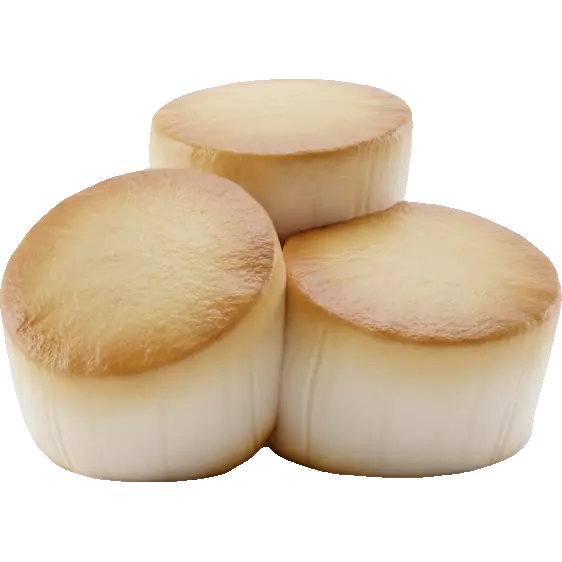
| Scallops | Scallops are bivalve shellfish. A sweet tender shellfish with delicate flavor. |
| Scotch | Scotch is Scottish whisky. A smoky complex spirit aged in oak barrels. |
| Seaweed | Seaweed is edible marine algae. A nutritious sea vegetable used in Asian cuisines. |
| Seitan | Pure wheat gluten—catastrophic for celiac but paradoxically LOW FODMAP at ≤30g. Best plant protein for nickel allergy. Triggers mast cell histamine release. |
| Sesame dressing | Sesame dressing is Asian sesame-based sauce. A nutty tangy salad dressing. |
| Sherry | Fortified wine; often contains sulfites. Dry styles (fino/manzanilla) have less residual sugar than cream sherry. |
| Shrimp | Shrimp is a small swimming crustacean. A sweet popular shellfish eaten worldwide. |
| Skyr | Icelandic strained yogurt; lactose reduced but not zero (varies by brand). Some brands add lactase (lactose-free). |
| Sourdough bread | Wheat sourdough. Fermentation reduces fructans but still contains gluten. Small serves may be tolerated. |
| Soy beans | Soybeans are protein-rich Asian legumes. A versatile bean made into tofu tempeh and milk. |
| Sparkling wine | Carbonated wine (e.g., Champagne, Prosecco). Contains sulfites; sweetness varies (brut vs demi-sec). Biogenic amines may bother sensitive individuals. |
| Sweet and sour sauce | Often includes onion/garlic, pineapple, ketchup; brands may add wheat (gluten) and preservatives—check labels. |
| Tartar sauce | Typically mayonnaise + pickles/capers + onion; some brands add dairy or wheat—check labels. |
| Tequila | Distilled spirit (gluten-free). Alcohol itself can aggravate IBS; choose small serves. |
| Teriyaki sauce | Usually soy sauce (wheat), mirin/sugar, garlic/ginger; higher in glutamates and often contains wheat → gluten. |
| Tortellini | Wheat pasta + cheese/meat filling → gluten + lactose. Choose GF, lactose-free versions if needed. |
| Turbot | Fish are FODMAP-free protein. Histamine can form if not kept cold; choose very fresh fish. |
| Veal | Unprocessed meats are FODMAP-free. Aged meats can have more biogenic amines (histamine/tyramine). |
| Veggie patty | Meat-free burger patty from beans soy or pea protein; check for egg or dairy binders and wheat gluten. |
| Veggie sausage | Meat-free sausage from soy or pea protein; no nitrites or animal fat; check for wheat gluten binder and added sulfites. |
| Venison steaks | Lean red meat; FODMAP-free. As with all meats, freshness reduces histamine risk. |
| Vermouth | Fortified/aromatized wine; styles vary in sugar. Wine typically contains sulfites; biogenic amines (histamine/tyramine) may be present. |
| Vinegar | Most vinegars are low FODMAP in small amounts; balsamic has sugar limits. Sulfites may be present and some vinegars contain amines. |
| Wahoo | Lean white fish; FODMAP-free protein. Freshness matters to minimize histamine. |
| Walnuts | Walnuts are wrinkled brain-shaped nuts. A rich slightly bitter nut with earthy flavor. |
| Water kefir | Non-dairy fermented drink; residual sugars can be present and fermentation can generate biogenic amines (histamine/tyramine). |
| White miso | Small servings can be low FODMAP; check label for barley/wheat (gluten). Fermented foods may contain biogenic amines. |
| White or navy beans | White or navy beans are small oval white beans. A mild creamy bean used in soups and baked beans. |
| Whitefish | Generic white fish (cod, haddock, etc.) are FODMAP-free proteins; fresher fish means lower histamine. |
| Wild boar | Unprocessed meats are FODMAP-free; keep very fresh to minimize histamine. |
| Yellowtail | Fish = FODMAP-free protein; ensure freshness to reduce histamine risk. |
| Yogurt | Yogurt is fermented milk with cultures. A tangy creamy dairy eaten plain or flavored. |




































A note on histamine liberators
One related group is worth knowing about: histamine liberators, foods that carry little histamine themselves but prompt your body to release its own. They work by a different mechanism and have their own list.
Histamine is a load you manage
This is where the "avoid all of this" framing does harm.
Histamine intolerance is an imbalance between the histamine coming in and your body's capacity to break it down, mainly via an enzyme called diamine oxidase (DAO).13 That means it behaves like a threshold: you can handle a certain amount before symptoms start, and that ceiling moves with sleep, stress, hormones and what else you've eaten.
Two things follow. First, dose matters - a small amount of a high-histamine food may sit comfortably under your limit while a large one doesn't. Second, the goal is to manage a handful of high-histamine choices around a threshold. Most foods are naturally low in histamine, in everyday terms the great majority of what's on a plate. Over-restricting is a real risk, and rarely necessary.
Finding your personal histamine threshold
Because it's a threshold, what you need to know is personal: how much, of which foods, on what kind of day tips you over. A fixed list can't tell you that - only your own pattern can.
That means tracking the things that move the line: which high-histamine foods you ate and how much, whether liberators were involved, and the context - sleep, stress, hormonal phase - that shrinks your headroom.
Check any food in seconds
The histamine checker grades any food in our database, and every food on this page links to its own page with the rest of what it carries, tyramine included.
Where Triggerbites fits in
This list comes straight from the food data inside Triggerbites, which tags every ingredient for both histamine content and histamine-liberator effect, alongside 40+ other trigger criteria.
So when you log a meal in plain language, Triggerbites extracts the ingredients, tags the histamine load automatically, and correlates it with your symptoms across delayed time windows - including how dose-dependent your reactions are. Instead of a generic banned list, you get your own threshold: which foods, how much, and when.
It takes seconds a day, and it turns a frightening list into something manageable and personal.






Triggerbites Features
- Log your day in 30 seconds: Text, voice or photo. Log as you go, or recap it all in the evening.
- Your food, broken down: Meals become ingredients and sensitivity profiles: histamine, salicylates, FODMAPs, allergens, and even the additives on packaged food.
- Everything in the same journal: Symptoms, supplements, sleep, stress, exercise and mood, beside what you ate.
- See what repeats over time: Patterns between what you eat and how you feel, including delayed reactions that show up days later.
Common questions
What foods are highest in histamine?
Aged cheeses, cured and processed meat, fermented foods such as sauerkraut, kimchi and soy sauce, most alcohol especially wine and beer, vinegar, tinned fish, and anything left as leftovers. Ageing, fermenting, curing and sitting all raise it.
How long can leftovers sit before histamine becomes a problem?
Histamine starts building as soon as food cools, and it climbs faster at room temperature than in the fridge. If you are sensitive, cool food quickly, refrigerate within the hour, and eat or freeze it within a day rather than three.
Does cooking destroy histamine?
No. Histamine is heat-stable, so reheating does not remove it and can add more while the food sits warm. This is the opposite of most food-safety intuitions, where heat solves the problem.
Is histamine intolerance an allergy?
No. An allergy is an immune reaction to a specific protein. Histamine intolerance is an imbalance between the histamine arriving and your capacity to break it down, mainly through an enzyme called DAO. That is why it behaves as a threshold.
Why can I eat a food one day and react to it the next?
Because the threshold moves. Sleep, stress, where you are in your cycle, medication and whatever else you ate that day all change how much headroom you have. The same glass of wine can sit under the limit on Tuesday and over it on Friday.
Do I have to avoid all high-histamine foods?
Almost certainly not. Most of what people eat is naturally low in histamine, and over-restricting carries its own cost. The useful approach is finding how much you tolerate.
For the science behind it, see could it be histamine intolerance? and why your skin reacts to food.
Live, love, log. 🧡
References
- 1Maintz L, Novak N "Histamine and Histamine Intolerance" American Journal of Clinical Nutrition, 2007PubMed
- 2
- 3
 PubMed
Article References and Citations
- Maintz L, Novak N: "Histamine and Histamine Intolerance", American Journal of Clinical Nutrition, 2007 - https://pubmed.ncbi.nlm.nih.gov/17490952/
- U.S. National Library of Medicine (PMC): "Food Intolerance: The Role of Histamine", 2021 - https://www.ncbi.nlm.nih.gov/pmc/articles/PMC8469513/
- Schnedl WJ, et al.: "Histamine Intolerance Originates in the Gut", Nutrients, 2021 - https://www.mdpi.com/2072-6643/13/4/1262