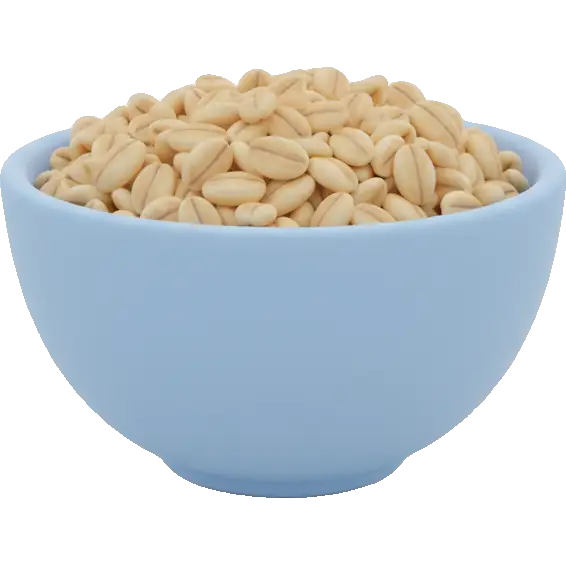
rolled barley
Grains
Is rolled barley high in low fermentation?
Is rolled barley high or low in low fermentation? See its exact rating, how much counts as a portion, and its FODMAP, salicylate, oxalate and diet compatibility in one place.
Related checkers
Compare rolled barley across criteria
Sensitivity notes
Why low fermentation food checker matters
SIBO (Small Intestinal Bacterial Overgrowth) diets focus on reducing fermentable foods that feed bacteria in the small intestine. Low-fermentation foods help manage symptoms like bloating, gas, and abdominal discomfort.
- Low-fermentation eating reduces food for overgrown bacteria
- Meal spacing (4-5 hours) allows the MMC to clear the gut
- Avoid grazing - structured meals are better
- Some find the elemental diet helpful under medical supervision
- Address underlying causes with your healthcare provider
Sensitivities
What rolled barley contains
FODMAPs
Histamine & Amines
Plant compounds
Irritants
Additives
Allergens
Diet fit
Where rolled barley fits
Therapeutic diets
Lifestyle diets
Religious diets
What to know about rolled barley
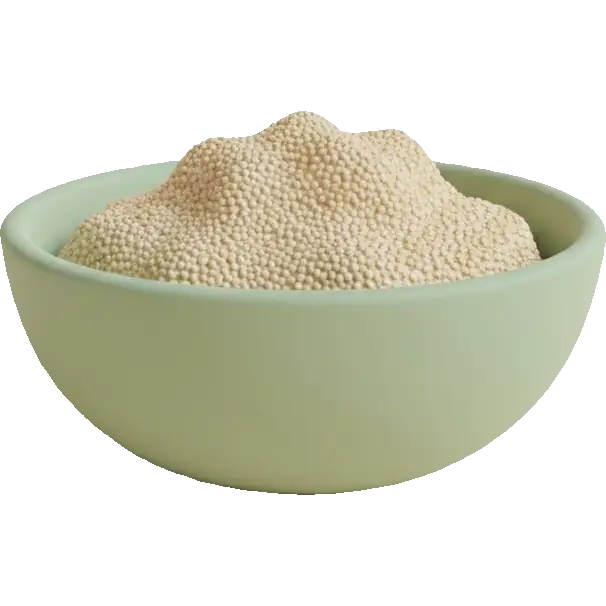
Rolled barley is barley put through the same treatment as rolled oats: the kernel is steamed soft and pressed flat between rollers, so it cooks into porridge in minutes instead of simmering for the best part of an hour. Flattening the grain is the whole story here. It multiplies the surface area and pre-gelatinises the starch, so a barley flake digests faster and produces a sharper blood sugar response than the intact kernel it came from, and we grade the flake harsher than the whole groat on lectins, nickel, galacto-oligosaccharides and small-intestinal fermentation. On top of that it is barley, which means two things people often get wrong: it is definitively a gluten grain, unlike the oats it looks like in the bowl, and it sits at the top of our fructan scale. Barley is also one of the richest sources of soluble beta-glucan fibre, the thing that earns it its heart-health reputation and the same thing that ferments so readily in a sensitive gut.
Watch for
- Top of our fructan scale.A bowl of barley flakes delivers a far larger fructan dose than the same bowl of oats, which we grade clean on fructans, so swapping oats for barley flakes is a common and unintentional way to make breakfast worse
- Contains gluten as hordein, so barley flakes are unsafe in coeliac disease.They turn up in muesli, granola and multigrain porridge mixes, which means a wheat-free blend can still be a gluten blend
- Flattening the kernel speeds digestion.The convenience that makes flakes cook in five minutes is the same thing that raises the glycaemic response compared with intact barley
- Rich in beta-glucan, a viscous soluble fibre that ferments readily, which is why we grade rolled barley poorly for SIBO alongside the fructan load
- High in lectins and high in nickel, since the flake keeps the bran layer where both concentrate
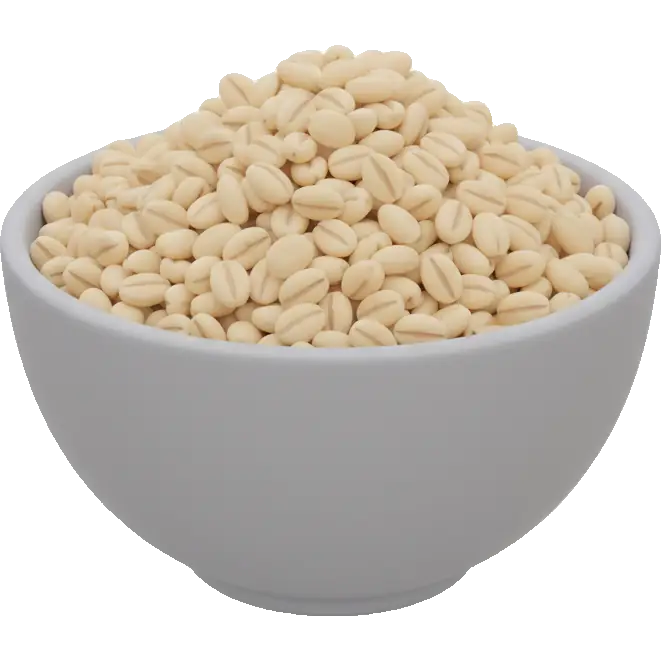



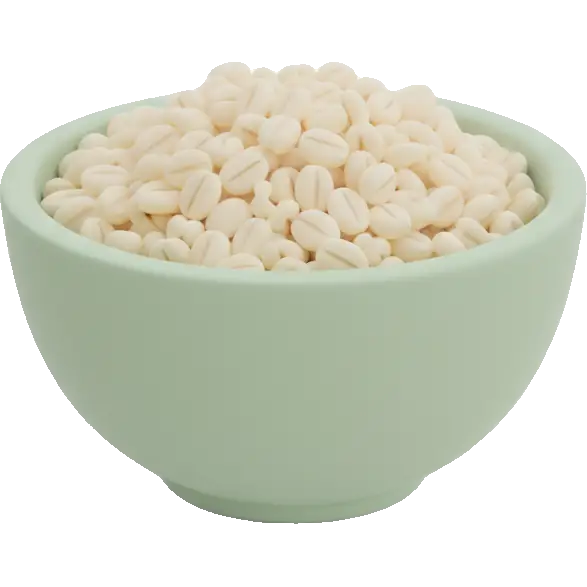
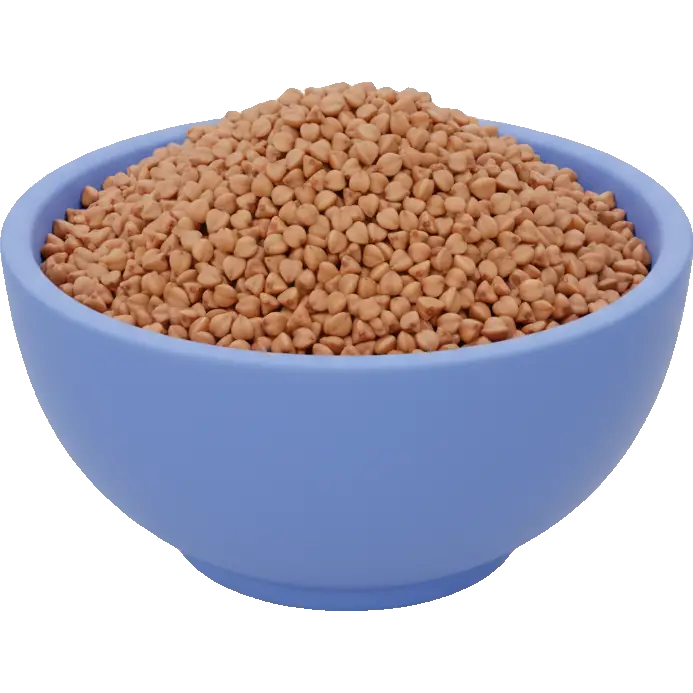

Explore related in Grains
Compare similar foods to build a personalized list of swaps that work for your system.




Low Fermentation Guide
Everything you need to know about low fermentation sensitivity and smart food choices.
SIBO (Small Intestinal Bacterial Overgrowth) diets focus on reducing fermentable foods that feed bacteria in the small intestine. Low-fermentation foods help manage symptoms like bloating, gas, and abdominal discomfort.
Sensitivity varies widely. What triggers one person may be fine for another. Track your reactions to find your personal threshold.
These foods are generally well-tolerated for Low Fermentation sensitivity:
View all safe options






These foods have moderate levels and may be tolerated in small amounts:







These foods are high in low fermentation and may trigger symptoms:
View full list




If you're sensitive to Low Fermentation, consider these strategies:
- 1Low-fermentation eating reduces food for overgrown bacteria
- 2Meal spacing (4-5 hours) allows the MMC to clear the gut
- 3Avoid grazing - structured meals are better
- 4Some find the elemental diet helpful under medical supervision
- 5Address underlying causes with your healthcare provider
Pro tip: Keep a food diary to track your reactions. The Triggerbites app makes this easy with automatic pattern detection.
Want personalized tracking?
Download Triggerbites to log meals, track symptoms, and discover your unique triggers.
Get the AppFAQ
Is rolled barley high in Low Fermentation?
Low Fermentation: higher signal - consider smaller servings or swaps.
Can I still eat rolled barley if I'm sensitive to Low Fermentation?
Best to avoid or test carefully with a small amount.
What else should I check?
Check Fructans, Gluten, and Lectin next for a fuller picture.