Overview
About Mustard
Mustard content covers the seed, powder and prepared mustard, a declarable allergen that hides in vinaigrettes, barbecue sauces, curry blends and some breads.
In the data
Where you will find mustard
- Borderline histamine from the vinegar and borderline nickel from the mustard seed, only relevant if you are very strict on those
- Some prepared honey mustards carry moderate gluten, salicylates or sulfites depending on the vinegar and thickeners used, so check the label
- Mustard is a declarable allergen in the EU and UK, which means it is named explicitly in the ingredient list. In the US it is not a FALCPA major allergen, so it can legitimately hide inside a generic "spices" or "natural flavours" line
- Graded clean on nickel and on gluten, which contradicts two common assumptions. Do check the specific tin though: English style mustard powder is traditionally cut with wheat flour and turmeric rather than sold as pure seed
- Salicylate C is the only grade of real substance here. It is moderate and dose-dependent, and it matters most if you eat pickles, chutneys or seed-heavy curries where mustard goes in by the spoonful rather than the pinch
- Mustard is one of the declarable allergens in the EU and UK but is not a FALCPA major allergen in the US, so an American label can list it inside a generic spice blend without an allergen callout
Examples
A few ingredients either way
Rated high

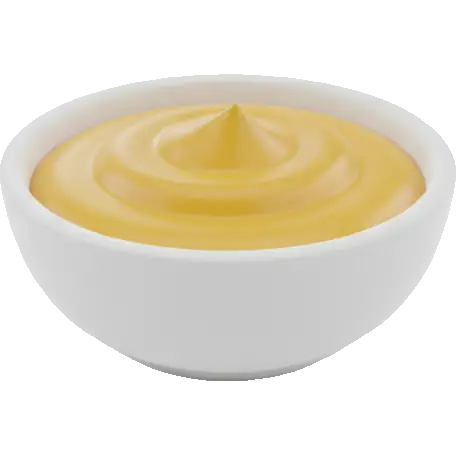
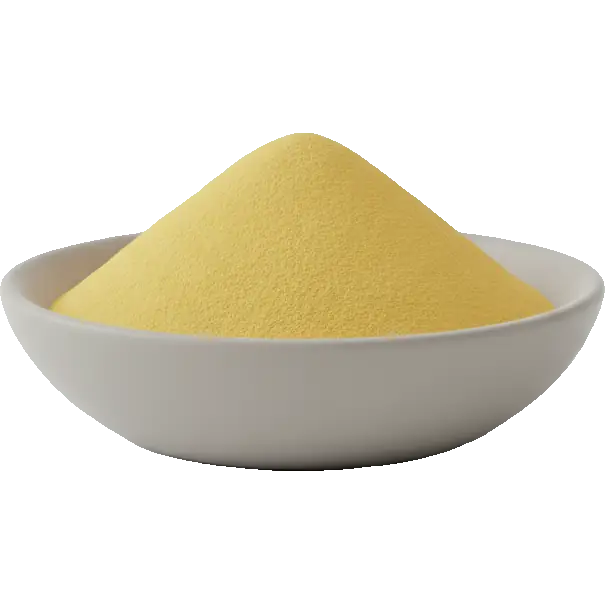
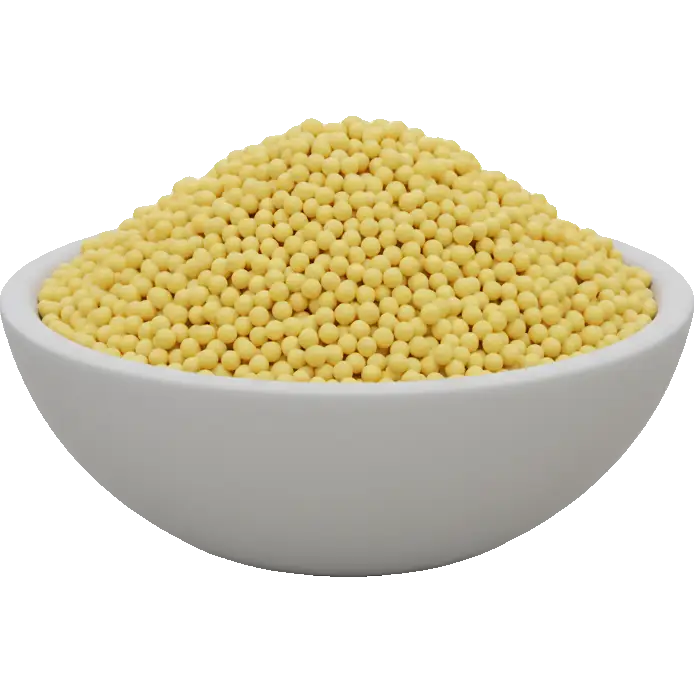




Grading
How we grade mustard
Every ingredient in the database carries one grade for mustard, and this page, the checker and the app all read that same grade. It describes the ingredient as it is usually eaten. Portion size and preparation move it.
Practical
Working with mustard
- Read dressings, sauces and spice mixes, where mustard seed is a standard emulsifier and flavour base.
- Include leaves, sprouts and cress if you react strongly, since they can trigger mustard allergy too.
- Keep a detailed food and symptom diary to track your personal reactions
- Eliminate the suspected trigger completely for 2-4 weeks
- Reintroduce gradually to find your personal tolerance threshold
- Work with a healthcare provider or registered dietitian for guidance
- Remember that food sensitivities can change over time
Method
Test it with a diary
Most people find their own triggers by logging meals and symptoms for a few weeks and reading the result back. Three steps.
- 1Log every meal for a few weeks. Type it, say it out loud, or scan a barcode, and it lands as a list of ingredients.
- 2Rate how you feel through the day on whatever you are tracking, whether that is bloating, headaches, skin or sleep.
- 3Read the pattern back. Every ingredient you logged is scored against the days you felt worse, and the result ranks mustard against everything else you eat.
Questions
Questions people ask
Is honey mustard low FODMAP?
No. Plain mustard is low FODMAP, but honey is high in excess fructose, so honey mustard as a whole is high FODMAP. If you are following a low-FODMAP diet, plain mustard is the safer choice and lets you keep the mustard flavor without the honey.
More about honey mustardIs mustard an allergen?
In the EU and the UK, yes. Mustard is one of the fourteen allergens that food businesses must declare, which is why it is highlighted in the ingredient list of European packaging. In the United States mustard is not among the major allergens covered by FALCPA labelling, so it can sit unnamed inside a generic spice or flavouring declaration. Reactions to mustard seed protein are real and can be serious, so that labelling gap is the practical thing to know when you are buying imported food.
More about dry mustardIs yellow mustard low FODMAP?
Yes. Plain yellow mustard is low FODMAP at normal condiment servings, which is why it is a common swap when you are avoiding garlic and onion in sauces and dressings. Honey mustard is a different story, since the honey pushes it high FODMAP.
More about yellow mustardWhy is yellow mustard yellow?
The colour comes from turmeric, a spice, not from artificial dye. Combined with ground mustard seed, vinegar and salt, it makes yellow mustard one of the simpler, cleaner condiment labels.
More about yellow mustardWhat can I use instead of honey mustard on a sensitive gut?
Plain yellow or Dijon mustard keeps the tang without the fructose load, and mayonnaise or a simple olive oil dressing are low-FODMAP creamy or dressing bases. All three avoid the honey that makes standard honey mustard a trigger.
More about honey mustardRead next
Where to go next
Get started
Tracking mustard?
Log what you eat and how you feel, and the app finds the pattern for you. Or look an ingredient up here first.