
Overview
About Nightshades
Nightshade sensitivity tracks foods in the Solanaceae family — tomatoes, eggplant, peppers, and potatoes — that can irritate some people with sensitive systems.
Nightshades are a plant family including tomatoes, peppers, eggplants, and potatoes. Some people find that avoiding nightshades helps with joint pain, digestive issues, or inflammatory conditions, though research is limited.

In the data
Where you will find nightshades

- Nightshade vegetable, so it is one of the first foods cut on a nightshade-free or AIP protocol for joint pain and inflammation
- A nightshade at our highest grade, and not compliant with autoimmune protocol. The glycoalkaloids concentrate in unripe green fruit, stems and leaves, so under-ripe tomatoes carry more than fully red ones
- Only moderate on FODMAPs and clean on fructans, gluten, lactose, nickel and sulfites, so if tomato reliably bothers you the cause is nearly always one of the nightshade, histamine, glutamate or salicylate routes rather than fermentation
- A nightshade with high free glutamate, so it can flare both nightshade sensitivity and umami/glutamate reactions
- A nightshade (grade E), so it can be a trigger if you react to tomato, potato or aubergine
- High in salicylates (grade D), a separate trigger from the nightshade angle

Examples
A few ingredients either way
Rated high




Grading
How we grade nightshades
Every ingredient in the database carries one grade for nightshades, and this page, the checker and the app all read that same grade. It describes the ingredient as it is usually eaten. Portion size and preparation move it.

Practical
Working with nightshades
- Try removing all nightshades for 2-3 weeks, then reintroduce one at a time.
- Sweet potatoes and squash make good substitutes.
- Complete elimination for 30 days gives the clearest picture
- Watch for hidden nightshades in spice blends and sauces
- Paprika and cayenne are nightshades often overlooked
- Sweet potatoes are NOT nightshades - they're safe
- Goji berries are nightshades

Method
Test it with a diary
Most people find their own triggers by logging meals and symptoms for a few weeks and reading the result back. Three steps.
- 1Log every meal for a few weeks. Type it, say it out loud, or scan a barcode, and it lands as a list of ingredients.
- 2Rate how you feel through the day on whatever you are tracking, whether that is bloating, headaches, skin or sleep.
- 3Read the pattern back. Every ingredient you logged is scored against the days you felt worse, and the result ranks nightshades against everything else you eat.

Questions
Questions people ask
What can I use instead of tomato in a sauce if I avoid nightshades?

The trap is swapping one nightshade for another. Red peppers, paprika, chilli and aubergine are all nightshades, so they solve nothing. The classic non-nightshade sauce base is roasted beetroot for colour and body plus carrot for sweetness, both of which grade clean on nightshade, histamine, glutamate and lectins. For raw uses, cucumber covers the fresh, watery role in salads and salsas and is likewise non-nightshade.
More about tomatoAre bell peppers a nightshade?
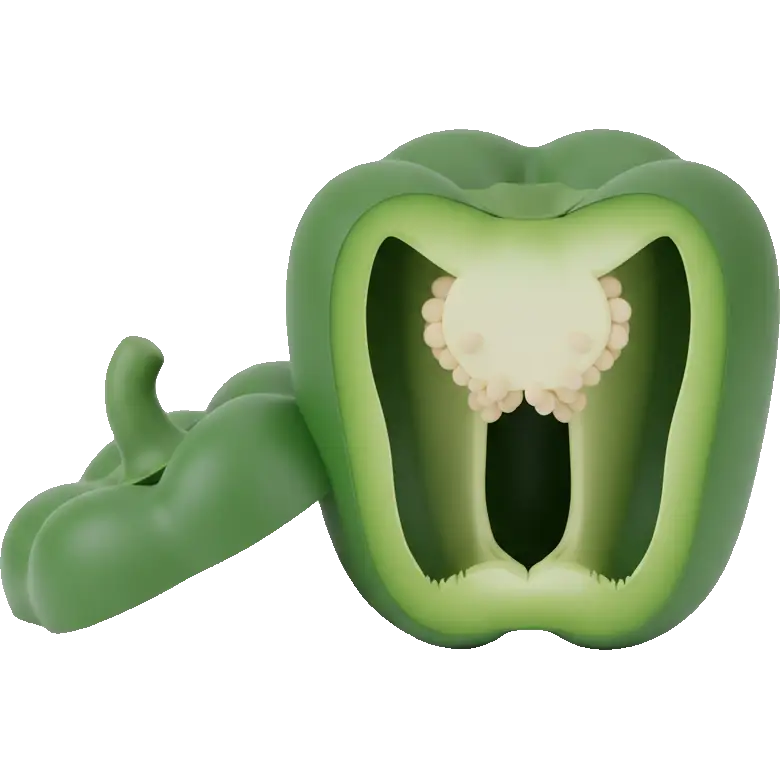
Yes. Bell peppers are Capsicum annuum, part of the nightshade family alongside tomatoes, potatoes, eggplant and chilli peppers. They contain glycoalkaloids such as solanine, the compound most often blamed when nightshades trigger joint pain or gut symptoms. Sweet peppers hold far less of it than potatoes or green chillies, but they still count as a nightshade.
More about bell pepperAre potatoes a nightshade?
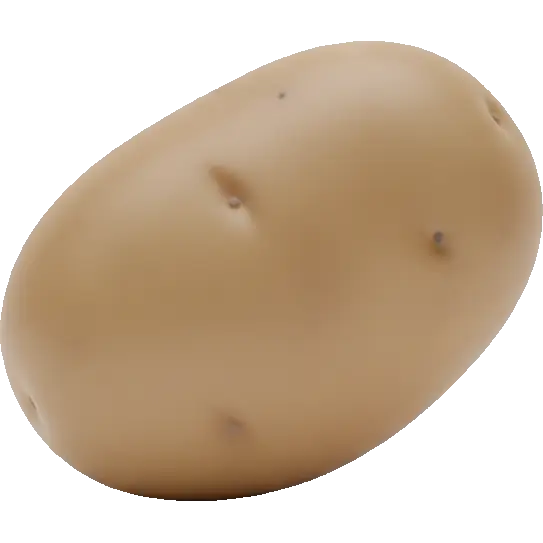
Yes. Potatoes are part of the nightshade family (Solanaceae) alongside tomatoes, peppers and eggplant. They carry glycoalkaloids like solanine, which is why people on nightshade-free or AIP diets for joint pain and inflammation usually remove them first.
More about potatoAre tomatoes a nightshade, and does that actually matter?
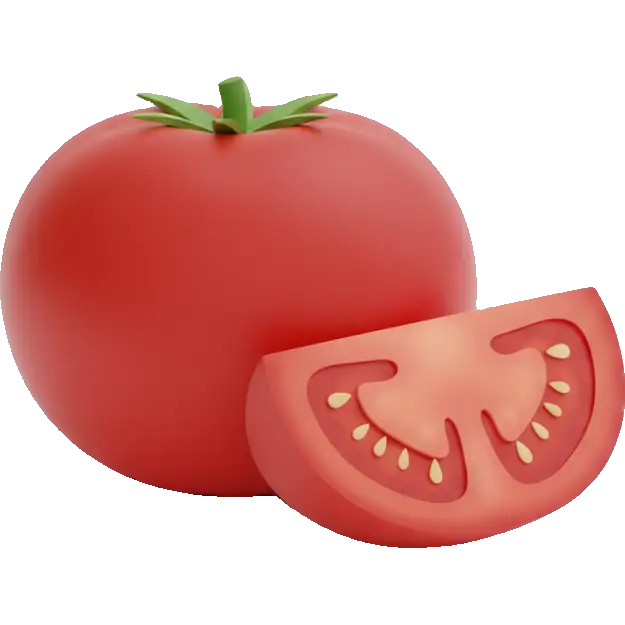
Tomato is a nightshade at our highest grade, alongside potato, aubergine and all the peppers. The compounds behind the label are glycoalkaloids, chiefly tomatine, and they are concentrated in the green parts of the plant and in unripe fruit rather than in a ripe red tomato. Whether they matter is individual: there is a real subset of people with inflammatory or autoimmune conditions who track improvement when nightshades come out, and there are many who eat tomato with no issue at all. Autoimmune protocol excludes it by default, which is why it appears on so many elimination lists.
More about tomatoIs tomato sauce a nightshade?
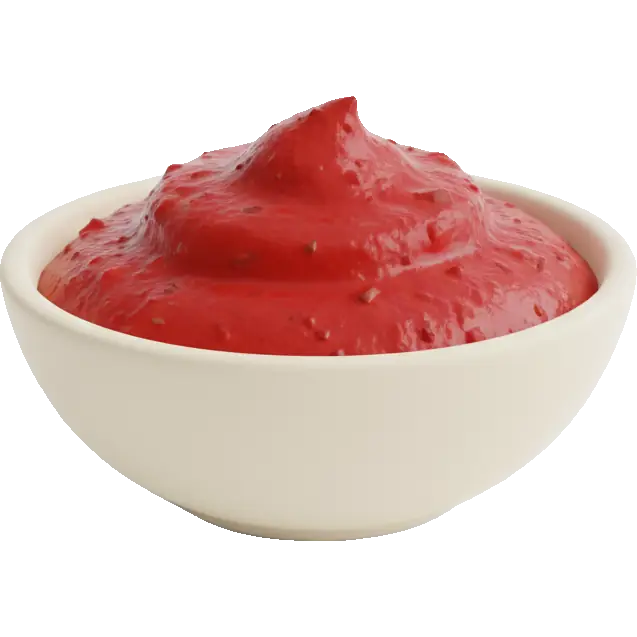
Yes. Tomatoes are nightshades, so tomato sauce is off-limits on a strict nightshade-elimination or AIP protocol. It also carries high free glutamate, a separate trigger for people sensitive to umami-heavy foods.
More about tomato sauce
Read next
Where to go next


References
Nightshades sources
Where the nightshades grades come from: food composition databases, clinical guidelines and patient organisations.

3 sources from peer-reviewed research, regulatory bodies, and clinical guidelines.
Get started
Tracking nightshades?
Log what you eat and how you feel, and the app finds the pattern for you. Or look an ingredient up here first.
 Get the app