
Overview
About Glutamates
Glutamate sensitivity monitors foods high in free glutamates or added MSG — like soy sauce, aged cheese, broth cubes, tomato paste, and many savory snacks.
Glutamates, including MSG, are flavor enhancers found naturally in many foods and added to others. Some people report sensitivity causing headaches, flushing, or other symptoms, though research on 'MSG syndrome' is mixed.

In the data
Where you will find glutamates

- High in free glutamates, the natural umami compound that can bother people who are sensitive to MSG-like foods
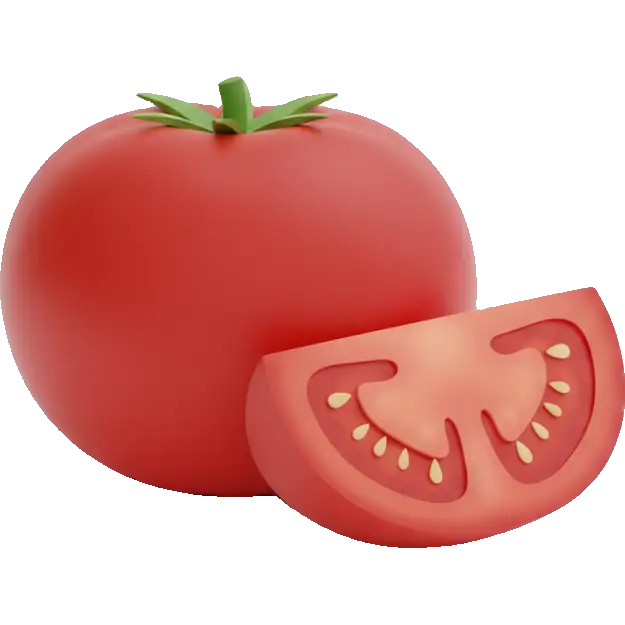
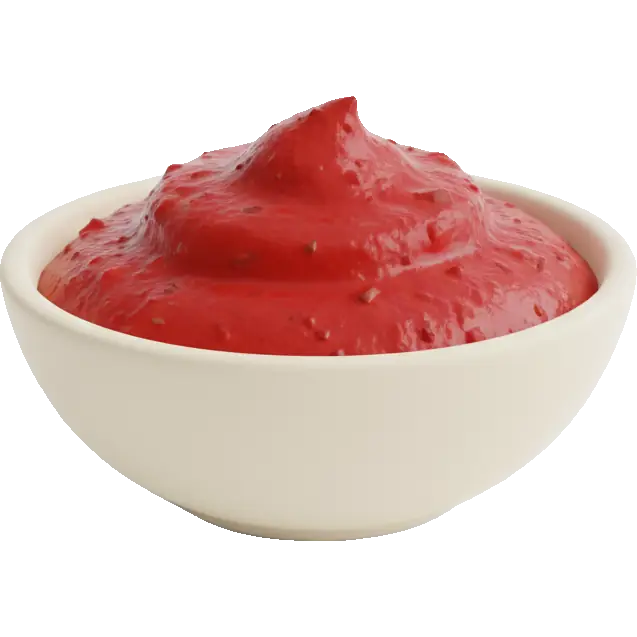
- One of the highest natural free-glutamate foods there is. Reducing tomato into paste, passata or sun-dried pieces concentrates it further, which is why a rich sauce reads far more umami and MSG-like than a fresh slice
- Only moderate on FODMAPs and clean on fructans, gluten, lactose, nickel and sulfites, so if tomato reliably bothers you the cause is nearly always one of the nightshade, histamine, glutamate or salicylate routes rather than fermentation
- A nightshade with high free glutamate, so it can flare both nightshade sensitivity and umami/glutamate reactions
- High in free glutamates, so it can provoke the same headaches or flushing that people blame on MSG

Examples
A few ingredients either way
Rated high






Grading
How we grade glutamates
Every ingredient in the database carries one grade for glutamates, and this page, the checker and the app all read that same grade. It describes the ingredient as it is usually eaten. Portion size and preparation move it.

Practical
Working with glutamates
- Check labels for MSG, hydrolyzed protein, and yeast extract.
- Make your own broths and sauces to control glutamate levels.
- MSG goes by many names - look for 'glutamate' on labels
- Naturally high in soy sauce, fish sauce, and aged cheeses
- Tomatoes and mushrooms are naturally high in glutamates
- Yeast extract and hydrolyzed proteins contain glutamates
- Fresh, unprocessed foods are generally lower

Method
Test it with a diary
Most people find their own triggers by logging meals and symptoms for a few weeks and reading the result back. Three steps.
- 1Log every meal for a few weeks. Type it, say it out loud, or scan a barcode, and it lands as a list of ingredients.
- 2Rate how you feel through the day on whatever you are tracking, whether that is bloating, headaches, skin or sleep.
- 3Read the pattern back. Every ingredient you logged is scored against the days you felt worse, and the result ranks glutamates against everything else you eat.

Questions
Questions people ask
Does oyster sauce contain MSG or glutamate?

Oyster sauce is naturally high in free glutamate from the concentrated oyster extract, and many brands add MSG as well. That glutamate is what gives it its intense umami flavor, and it is the main reason some people get headaches after glutamate-heavy dishes.
More about oyster sauceWhy do tomatoes taste like MSG?
Because chemically they are close to it. Tomato grades at our highest level for free glutamate, the same molecule that MSG delivers, and it is one of the few foods that supplies serious umami without being fermented or aged. Concentration multiplies the effect, so tomato paste, passata and sun-dried tomatoes hit far harder than a fresh slice. If you have identified MSG as a trigger, cooked tomato is worth testing on its own rather than assumed to be safe because it is a vegetable.
More about tomato
Read next
Where to go next


References
Glutamates sources
Where the glutamates grades come from: food composition databases, clinical guidelines and patient organisations.

8 sources from peer-reviewed research, regulatory bodies, and clinical guidelines.
Get started
Tracking glutamates?
Log what you eat and how you feel, and the app finds the pattern for you. Or look an ingredient up here first.
 Get the app