
Overview
About Histamine
Histamine sensitivity looks at foods naturally high in histamine or that build it up as they age and ferment — think aged cheese, cured meats, and wine.
Histamine is a compound naturally present in many foods, especially aged, fermented, or preserved items. In sensitive individuals, excess histamine can cause headaches, flushing, hives, digestive issues, and other symptoms. Your body normally breaks down histamine, but some people have reduced capacity to do so.

In the data
Where you will find histamine

- High in histamine and a histamine liberator, a well-known migraine and flushing trigger
- High in histamine and a moderate liberator, so it can drive itching, flushing or headaches in histamine intolerance
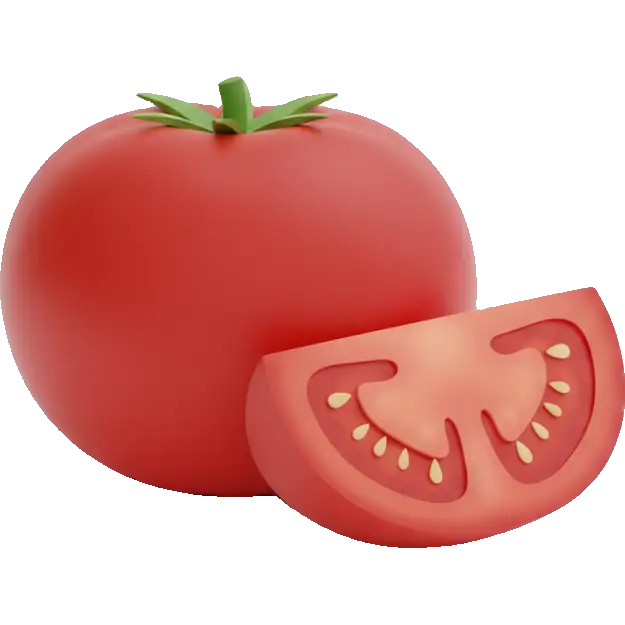
- High for histamine and a strong liberator on top of that. Cooked, tinned and jarred tomato products grade worse than fresh fruit, with tomato sauce reaching our top histamine grade
- Only moderate on FODMAPs and clean on fructans, gluten, lactose, nickel and sulfites, so if tomato reliably bothers you the cause is nearly always one of the nightshade, histamine, glutamate or salicylate routes rather than fermentation
- Very high in histamine from fermentation, a frequent flushing and headache trigger

Examples
A few ingredients either way
Rated high







Grading
How we grade histamine
Every ingredient in the database carries one grade for histamine, and this page, the checker and the app all read that same grade. It describes the ingredient as it is usually eaten. Portion size and preparation move it.

Practical
Working with histamine
- Choose fresh foods over aged, fermented, or leftover options.
- Avoid eating multiple high-histamine foods in one meal.
- Focus on fresh foods - histamine builds up as food ages
- Cook and eat meals fresh; avoid leftovers sitting more than 24 hours
- Be cautious with fermented foods, aged cheeses, and cured meats
- Consider that stress and hormones can affect your histamine tolerance
- Some antihistamines or DAO supplements may help (consult your doctor)

Method
Test it with a diary
Most people find their own triggers by logging meals and symptoms for a few weeks and reading the result back. Three steps.
- 1Log every meal for a few weeks. Type it, say it out loud, or scan a barcode, and it lands as a list of ingredients.
- 2Rate how you feel through the day on whatever you are tracking, whether that is bloating, headaches, skin or sleep.
- 3Read the pattern back. Every ingredient you logged is scored against the days you felt worse, and the result ranks histamine against everything else you eat.

Questions
Questions people ask
Is feta lower in histamine than aged cheeses like cheddar or parmesan?

Not really. Feta is fermented in brine, which keeps histamine high, and on top of that it acts as a histamine liberator, prompting your own histamine release. So while it feels fresher than a hard aged cheese, it is still a significant histamine trigger.
More about fetaIs egg high in histamine?
No. Egg grades clean for histamine content and is not graded as a histamine liberator, so plain egg is usually fine on a low-histamine diet. If eggs upset you, look at the company they keep: the aged cheese in the omelette, the leftover cooked egg that sat in the fridge for days, or a genuine egg allergy, none of which are histamine problems with the egg itself.
More about eggWhy do oranges cause itching or hives if they are low in histamine?
Oranges are a histamine liberator: the citrus prompts your body to release its own stored histamine, so you get the itching, hives or flushing of a histamine reaction even though the fruit itself is low in histamine. They are also high in salicylates, which is a separate trigger for some people.
More about orangeWhy does a healthy food like spinach cause histamine symptoms?
Being nutritious and being low-trigger are two different things. Spinach grades high in histamine and is a moderate histamine liberator, so in histamine intolerance it can still set off itching, flushing or headaches regardless of how good its vitamin content is.
More about spinachAre tomatoes high in histamine, and is tomato sauce worse?
Fresh tomato grades high for histamine and high as a liberator, so it hits from both directions. Processed tomato is worse rather than equivalent: our data grades tomato sauce at the top of the histamine scale and high for oxalate as well, because reducing and storing concentrates the fruit and gives amines time to build. On a strict low-histamine trial, jarred sauces, passata, ketchup and sun-dried tomatoes are the versions to remove first.
More about tomato
Read next
Where to go next


References
Histamine sources
Where the histamine grades come from: food composition databases, clinical guidelines and patient organisations.

11 sources from peer-reviewed research, regulatory bodies, and clinical guidelines.
Get started
Tracking histamine?
Log what you eat and how you feel, and the app finds the pattern for you. Or look an ingredient up here first.
 Get the app