
Overview
About Salicylates
Salicylate sensitivity tracks natural plant chemicals in many spices, fruits, and vegetables — like berries, cinnamon, tomatoes, and citrus — that can build up.
Salicylates are natural chemicals found in many fruits, vegetables, herbs, and spices. They're related to aspirin and can cause reactions in sensitive individuals including hives, asthma symptoms, nasal congestion, and digestive issues.

In the data
Where you will find salicylates

- High in salicylates, a frequent trigger if you react to aspirin or salicylate-rich foods
- High in salicylates (grade D), a real trigger if you react to aspirin or other salicylate-rich plants
- Moderately high in salicylates and high in lectins, either of which can cause symptoms in sensitive people
- High in salicylates and a high-nickel food, extra triggers if you react to either

Examples
A few ingredients either way







Grading
How we grade salicylates
Every ingredient in the database carries one grade for salicylates, and this page, the checker and the app all read that same grade. It describes the ingredient as it is usually eaten. Portion size and preparation move it.

Practical
Working with salicylates
- Peel fruits and vegetables when possible to reduce salicylates.
- Avoid combining multiple high-salicylate foods in one meal.
- Start by eliminating the highest sources: spices, herbs, and concentrated products
- Peel fruits and vegetables when possible to reduce salicylate content
- Fresh is usually better tolerated than dried or concentrated
- Build up tolerance slowly by reintroducing foods one at a time
- Sensitivity often improves with gut healing over time

Method
Test it with a diary
Most people find their own triggers by logging meals and symptoms for a few weeks and reading the result back. Three steps.
- 1Log every meal for a few weeks. Type it, say it out loud, or scan a barcode, and it lands as a list of ingredients.
- 2Rate how you feel through the day on whatever you are tracking, whether that is bloating, headaches, skin or sleep.
- 3Read the pattern back. Every ingredient you logged is scored against the days you felt worse, and the result ranks salicylates against everything else you eat.

Questions
Questions people ask
Is broccoli high in salicylates?

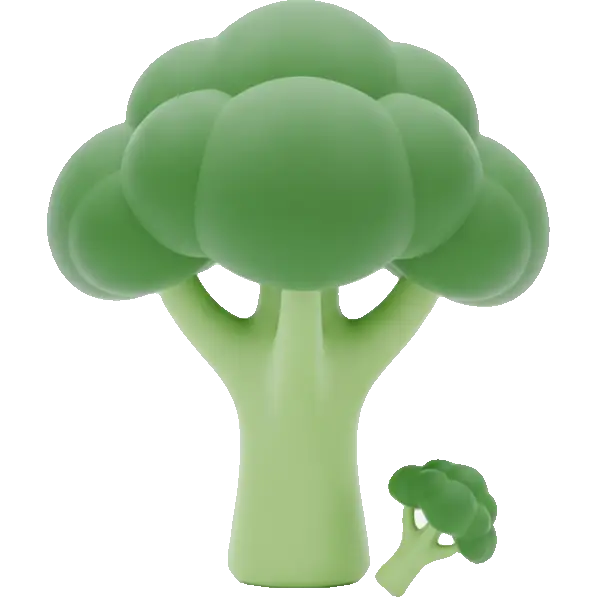
Yes. Broccoli is graded high (D) for salicylates, which is why it can trigger people who react to aspirin, mint, berries or other salicylate-rich foods. Peeling is not really an option here, so smaller portions or a low-salicylate vegetable like cabbage or bamboo shoots is the usual workaround.
More about broccoliIs black pepper high in salicylates?
Yes. Black pepper is rated high in salicylates, one of the highest among common spices by weight. Because it is sprinkled on so much food out of habit, salicylate-sensitive people can build up a bigger dose than they realise. Low-salicylate herbs like bay leaf or thyme are gentler.
More about black pepperIs green pepper high in salicylates?
Yes, it is graded high (D). Peppers sit among the higher-salicylate vegetables, so if you are salicylate sensitive a non-nightshade, lower-salicylate option like cucumber, green beans or cabbage is gentler.
More about green bell pepperAre red bell peppers high in salicylates?
Yes, red bell peppers are rated high in salicylates. If you notice headaches, itching or hives after peppers, tomatoes and other bright produce, salicylate sensitivity is worth ruling in before you blame something rarer.
More about red bell pepperIs rice safe for histamine intolerance or salicylate sensitivity?
On both counts, yes. Rice grades A for histamine, A for histamine liberation and A for salicylates, which is exactly why it turns up as the baseline carbohydrate in low histamine and low chemical elimination diets alike. The caveat is storage rather than chemistry: leftover rice held warm grows bacteria fast, so cool it quickly and refrigerate it.
More about rice
Read next
Where to go next


References
Salicylates sources
Where the salicylates grades come from: food composition databases, clinical guidelines and patient organisations.

Salicylates in foods(1985)
Academy of Nutrition and Dietetics
Swain AR, Dutton SP, Truswell AS (1985)
Swain 1985 Salicylate Data (PDF)(1985)
RPAH
Anne Swain PhD Thesis(1988)
RPAH/University of Sydney
Swain A (1988)
Naturally occurring dietary salicylates(2017)
Elsevier
Malakar S et al. (2017)
Sensitivity to food additives, vaso-active amines and salicylates: a review(2015)
BioMed Central
Skypala IJ et al. (2015)
9 sources from peer-reviewed research, regulatory bodies, and clinical guidelines.
Get started
Tracking salicylates?
Log what you eat and how you feel, and the app finds the pattern for you. Or look an ingredient up here first.
 Get the app