Overview
About Acidic Foods
Acidity grades ingredients by measured pH, from low-acid staples such as milk and grains down to the citrus, vinegar and fizzy drinks that sit below pH 3.
Examples
A few ingredients either way
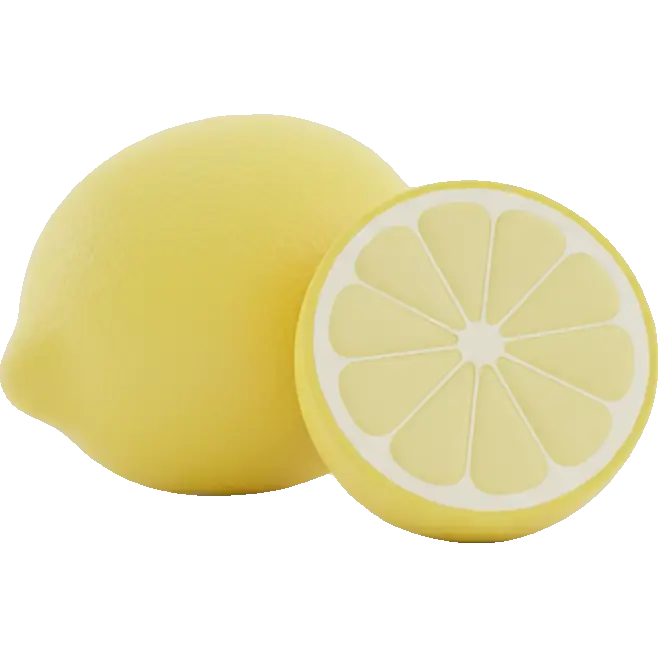

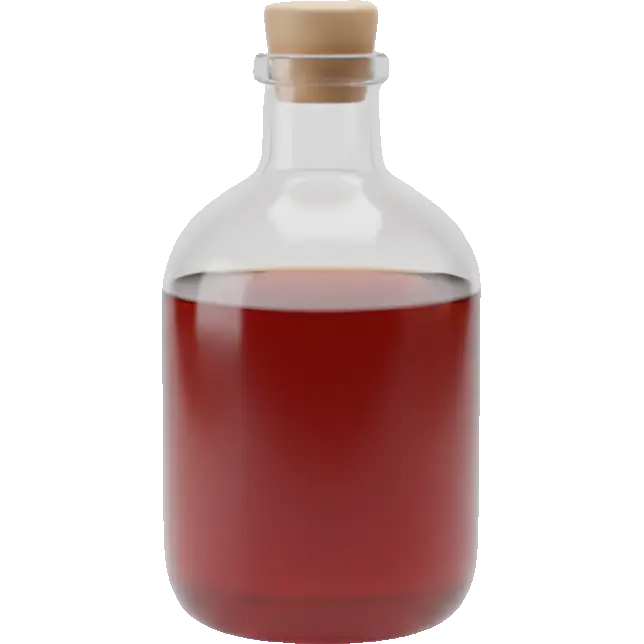





Grading
How we grade acidic foods
Every ingredient in the database carries one grade for acidic foods, and this page, the checker and the app all read that same grade. It describes the ingredient as it is usually eaten. Portion size and preparation move it.
Safe634
Low59
Moderate67
High56
Avoid20
Practical
Working with acidic foods
- Swap citrus and vinegar dressings for lower-acid options if reflux is your pattern.
- Watch drinks as closely as food, since cola and fruit juice are more acidic than most meals.
- Keep a detailed food and symptom diary to track your personal reactions
- Eliminate the suspected trigger completely for 2-4 weeks
- Reintroduce gradually to find your personal tolerance threshold
- Work with a healthcare provider or registered dietitian for guidance
- Remember that food sensitivities can change over time
Method
Test it with a diary
Most people find their own triggers by logging meals and symptoms for a few weeks and reading the result back. Three steps.
- 1Log every meal for a few weeks. Type it, say it out loud, or scan a barcode, and it lands as a list of ingredients.
- 2Rate how you feel through the day on whatever you are tracking, whether that is bloating, headaches, skin or sleep.
- 3Read the pattern back. Every ingredient you logged is scored against the days you felt worse, and the result ranks acidic foods against everything else you eat.
Read next
Where to go next
Get started
Tracking acidic foods?
Log what you eat and how you feel, and the app finds the pattern for you. Or look an ingredient up here first.