
Overview
About Gluten
Gluten sensitivity focuses on the wheat, barley, and rye proteins in bread, pasta, beer, and many sauces that can provoke symptoms in sensitive people.
Gluten is a protein found in wheat, barley, rye, and their derivatives. People with celiac disease, gluten sensitivity, or wheat allergy need to avoid gluten to prevent digestive and systemic symptoms.

In the data
Where you will find gluten

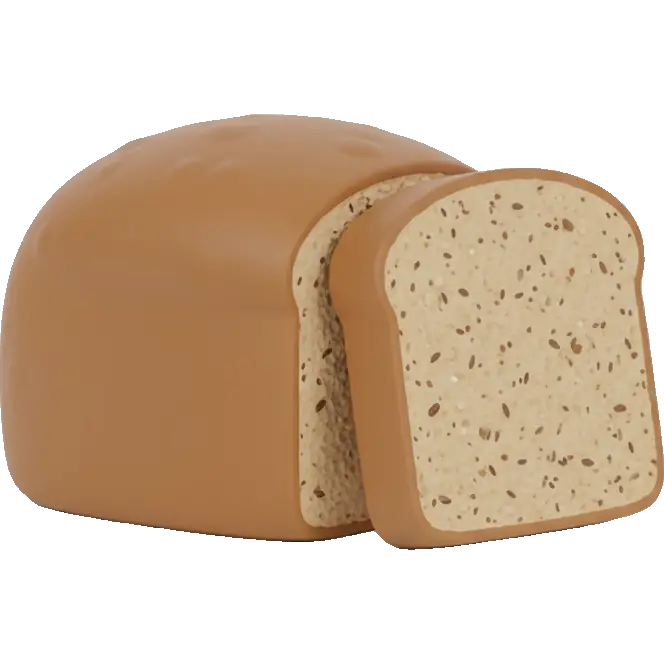
- Gluten graded E: standard wheat, rye and barley bread is unsafe in any amount with coeliac disease, including crumbs from a shared toaster or cutting board
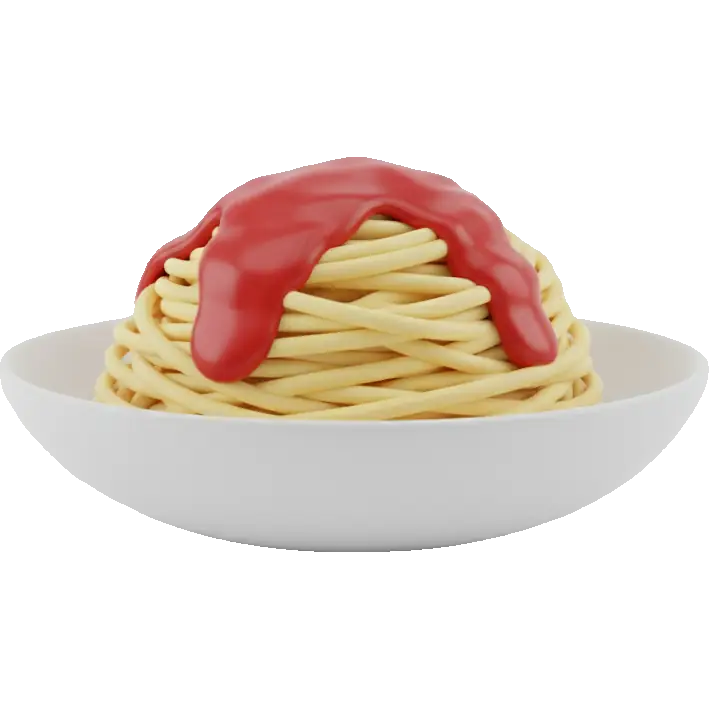
- Made from wheat semolina, so it contains gluten and is off-limits for celiac disease and non-celiac gluten sensitivity
- Eaten in big portions, which multiplies the fructan and gluten load compared with a small side of wheat
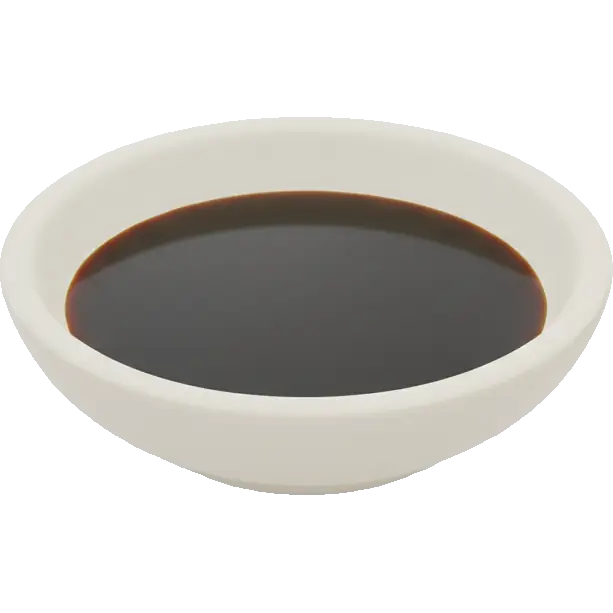
- Brewed with wheat, so ordinary soy sauce contains gluten and is not celiac-safe (look for a certified gluten-free tamari instead)
- Contains gluten, so it is not safe for celiac disease or gluten sensitivity even in tiny binding or thickening amounts

Examples
A few ingredients either way
Rated high






Grading
How we grade gluten
Every ingredient in the database carries one grade for gluten, and this page, the checker and the app all read that same grade. It describes the ingredient as it is usually eaten. Portion size and preparation move it.

Practical
Working with gluten
- Try rice, quinoa, or certified gluten-free alternatives.
- Check labels - gluten hides in sauces, seasonings, and processed foods.
- Learn to read labels carefully - gluten hides in many products
- Be aware of cross-contamination in shared kitchens and restaurants
- Look for certified gluten-free products for safety
- Oats are naturally gluten-free but often cross-contaminated
- Give your gut time to heal - improvement may take months

Method
Test it with a diary
Most people find their own triggers by logging meals and symptoms for a few weeks and reading the result back. Three steps.
- 1Log every meal for a few weeks. Type it, say it out loud, or scan a barcode, and it lands as a list of ingredients.
- 2Rate how you feel through the day on whatever you are tracking, whether that is bloating, headaches, skin or sleep.
- 3Read the pattern back. Every ingredient you logged is scored against the days you felt worse, and the result ranks gluten against everything else you eat.

Questions
Questions people ask
Is it the gluten or the fructans in bread that bothers me?

With coeliac disease it is gluten and the answer is strict lifelong avoidance. If coeliac disease has been ruled out and you simply feel better off wheat, fructans are the more likely culprit: a double blind crossover trial in people with self reported non coeliac gluten sensitivity found that fructans, not gluten, reproduced their bloating and pain. The practical tell is dose. A gluten reaction does not care about portion size, a fructan reaction does.
More about breadIs spaghetti gluten-free?
No. Regular spaghetti is made from wheat semolina and contains gluten, so it is not safe for celiac disease or non-celiac gluten sensitivity. Rice noodles and dedicated gluten-free pasta are made without wheat.
More about spaghettiDoes gravy contain gluten?
Usually yes. Most gravy is thickened with wheat flour, and many gravy granules and mixes are wheat-based too, so standard gravy contains gluten and is not safe on a celiac or gluten-free diet. A cornstarch-thickened, gluten-free-stock version avoids the gluten, but check the label rather than assuming.
More about gravyIs beer gluten-free?
Ordinary beer is not gluten-free because it is brewed from barley, which contains gluten, so it is off limits on a coeliac diet. Beers labelled certified gluten-free are made from sorghum, rice or millet, or brewed to remove gluten below the legal threshold, and those are the only ones considered safe.
More about beerIs whole grain bread gluten-free?
No. Whole grain wheat bread is still wheat and still contains gluten, so it is unsafe for celiac disease and for gluten sensitivity. Whole grain only refers to keeping the whole kernel; it has nothing to do with removing gluten. A certified gluten-free bread is the swap you need.
More about whole grain bread
Read next
Where to go next


References
Gluten sources
Where the gluten grades come from: food composition databases, clinical guidelines and patient organisations.

11 sources from peer-reviewed research, regulatory bodies, and clinical guidelines.
Get started
Tracking gluten?
Log what you eat and how you feel, and the app finds the pattern for you. Or look an ingredient up here first.
 Get the app