
Overview
About Nitrites
Nitrite sensitivity highlights cured and processed meats — like bacon, hot dogs, deli meats, and sausages — plus the preservatives used to keep them shelf-stable.
Nitrites are preservatives commonly used in cured meats. Some people are sensitive to them, experiencing headaches, flushing, or other symptoms after consumption.

In the data
Where you will find nitrites

- Very high in nitrites from the curing salts (sodium nitrite), a frequent trigger for headaches and facial flushing
- High in nitrites from the curing salts, a well-known headache and flushing trigger across processed meats
- High in added nitrites (sodium nitrite), the preservative linked to headaches in sensitive people
- High in added nitrites used to cure and preserve it

Examples
A few ingredients either way

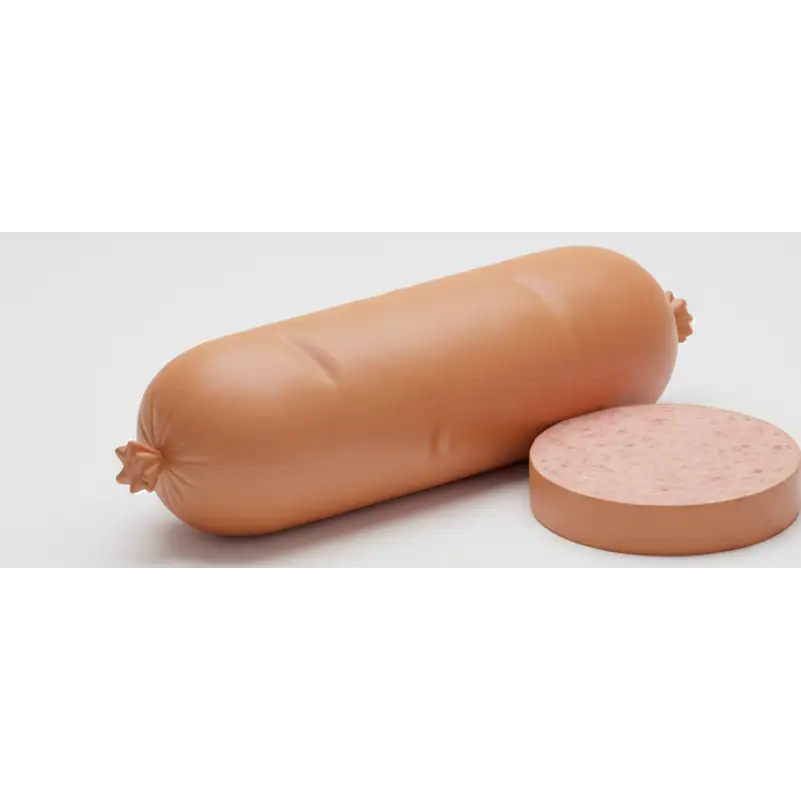

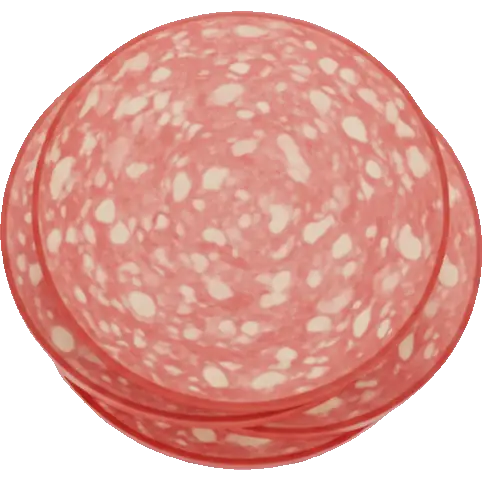





Grading
How we grade nitrites
Every ingredient in the database carries one grade for nitrites, and this page, the checker and the app all read that same grade. It describes the ingredient as it is usually eaten. Portion size and preparation move it.

Practical
Working with nitrites
- Look for "uncured" or "no nitrates/nitrites added" labels.
- Fresh meats are always a safer choice.
- Choose uncured or 'no nitrates/nitrites added' meat products
- Note that 'natural' nitrites from celery powder act the same way
- Fresh meat is nitrite-free
- Bacon, hot dogs, and deli meats are common sources
- Vegetables like celery and beets contain natural nitrates

Method
Test it with a diary
Most people find their own triggers by logging meals and symptoms for a few weeks and reading the result back. Three steps.
- 1Log every meal for a few weeks. Type it, say it out loud, or scan a barcode, and it lands as a list of ingredients.
- 2Rate how you feel through the day on whatever you are tracking, whether that is bloating, headaches, skin or sleep.
- 3Read the pattern back. Every ingredient you logged is scored against the days you felt worse, and the result ranks nitrites against everything else you eat.

Questions
Questions people ask
Is "uncured" bacon made with celery powder actually nitrite free?

No. Cultured celery powder is a concentrated nitrate source that a starter culture converts into nitrite before it ever reaches the meat, and that nitrite is chemically identical to E250. Independent testing of deli meats has found comparable nitrite and nitrate levels in products labelled "uncured" and in conventionally cured ones. USDA labelling rules require these products to say "uncured" and "no nitrates or nitrites added, except for those naturally occurring in celery powder", which reads far cleaner than it is. If nitrite is your trigger, celery-powder bacon is not a swap.
More about sodium nitriteDo the nitrites in bacon cause headaches?
They can. Bacon is preserved with nitrite curing salts, and nitrites are a recognised trigger for headaches and flushing in sensitive people. That, plus the histamine that smoking adds, is why bacon bothers some people who tolerate other pork.
More about baconAre nitrite-free deli meats safe if I react to processed meat?
Nitrite-free versions remove one of the three triggers, but curing and storage can still leave them higher in histamine and tyramine than freshly cooked meat. If histamine or tyramine is your issue, fresh-cooked meat is the safer choice.
More about processed meatWhy is sodium nitrite still allowed if it can form nitrosamines?
Because it is the practical defence against botulism. Cured meats are salted, low-oxygen and often held without refrigeration on a deli counter, which is close to ideal for Clostridium botulinum, and nitrite is the only widely approved additive that reliably suppresses it. It also prevents the rancid warmed-over flavour of stored cooked meat. Regulators responded to the nitrosamine problem by cutting permitted levels sharply and requiring ascorbate or erythorbate to be added with it, rather than by removing it.
More about sodium nitrite
Read next
Where to go next


References
Nitrites sources
Where the nitrites grades come from: food composition databases, clinical guidelines and patient organisations.

4 sources from peer-reviewed research, regulatory bodies, and clinical guidelines.
Get started
Tracking nitrites?
Log what you eat and how you feel, and the app finds the pattern for you. Or look an ingredient up here first.
 Get the app