
Overview
About Fructose
Excess fructose highlights foods where fructose outweighs glucose — like honey, mango, and apple juice — which can be harder to absorb and upset a sensitive gut.
Excess fructose refers to foods where fructose exceeds glucose content. This imbalance can cause malabsorption issues, leading to bloating, gas, and digestive discomfort in sensitive individuals.

In the data
Where you will find fructose

- High in both excess fructose and sorbitol, a double FODMAP load that is why apple behaves more harshly than its serving size suggests
- Cooking does not rescue it. Fructose and sorbitol are water soluble and heat stable, so stewed apple, apple sauce and baked apple carry the same load as raw fruit
- Very high in excess fructose, the main reason it triggers bloating, gas and loose stools in fructose malabsorption
- High in fructose and FODMAPs, a common cause of bloating or loose stools, and harder on the gut than a whole orange because juicing removes the fiber
- High in excess fructose: a couple of grapes are fine, but a full bunch delivers more fructose than glucose and can trigger bloating, wind and urgency in a sensitive gut
- As the base of wine, grapes bring their fructose along while wine layers sulfites and histamine on top

Examples
A few ingredients either way







Grading
How we grade fructose
Every ingredient in the database carries one grade for fructose, and this page, the checker and the app all read that same grade. It describes the ingredient as it is usually eaten. Portion size and preparation move it.

Practical
Working with fructose
- Avoid fruit juices and stick to whole fruits in small portions.
- Eat fructose-heavy foods with a meal, not on an empty stomach.
- Pair fructose-containing foods with glucose for better absorption
- Choose fruits with balanced fructose:glucose ratios
- Avoid high-fructose corn syrup and agave
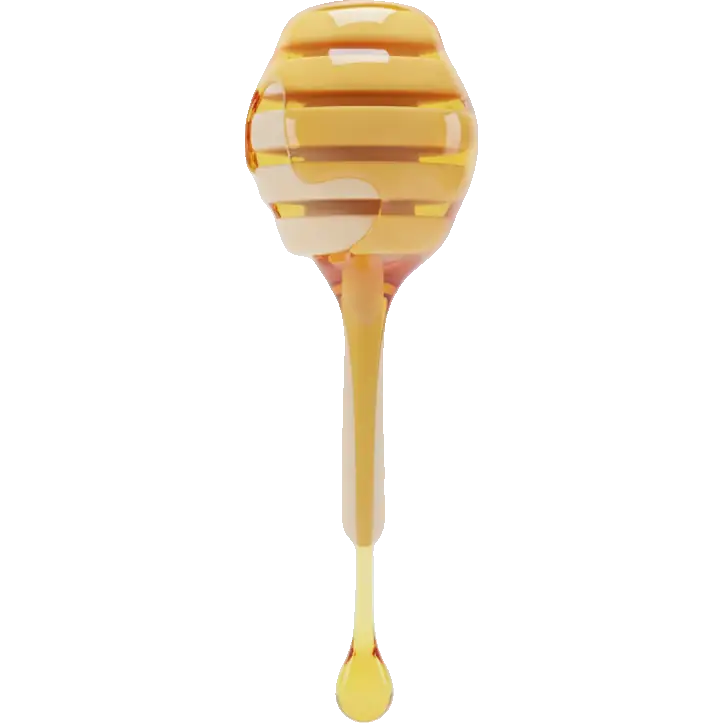
- Honey is very high in excess fructose
- Portion size significantly affects tolerance

Method
Test it with a diary
Most people find their own triggers by logging meals and symptoms for a few weeks and reading the result back. Three steps.
- 1Log every meal for a few weeks. Type it, say it out loud, or scan a barcode, and it lands as a list of ingredients.
- 2Rate how you feel through the day on whatever you are tracking, whether that is bloating, headaches, skin or sleep.
- 3Read the pattern back. Every ingredient you logged is scored against the days you felt worse, and the result ranks fructose against everything else you eat.

Read next
Where to go next


Get started
Tracking fructose?
Log what you eat and how you feel, and the app finds the pattern for you. Or look an ingredient up here first.
 Get the app