
Overview
About Polyols
Polyols are sugar alcohols in stone fruits, mushrooms, cauliflower, and sugar-free gum that can draw water into the gut and trigger bloating or discomfort.
Polyols (sugar alcohols) are found naturally in some fruits and vegetables, and are used as artificial sweeteners. They're poorly absorbed and can cause digestive symptoms, especially in IBS sufferers.

In the data
Where you will find polyols

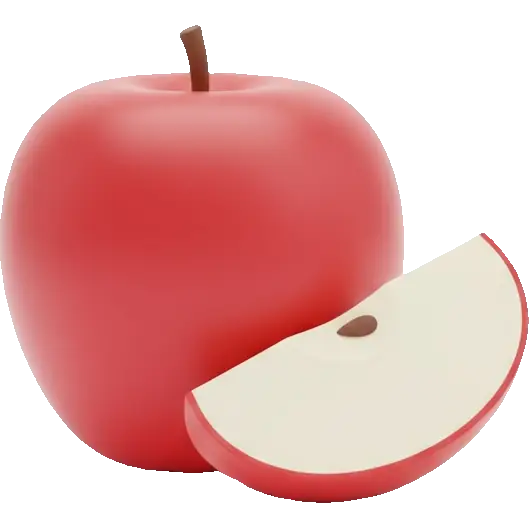
- High in both excess fructose and sorbitol, a double FODMAP load that is why apple behaves more harshly than its serving size suggests
- Cooking does not rescue it. Fructose and sorbitol are water soluble and heat stable, so stewed apple, apple sauce and baked apple carry the same load as raw fruit
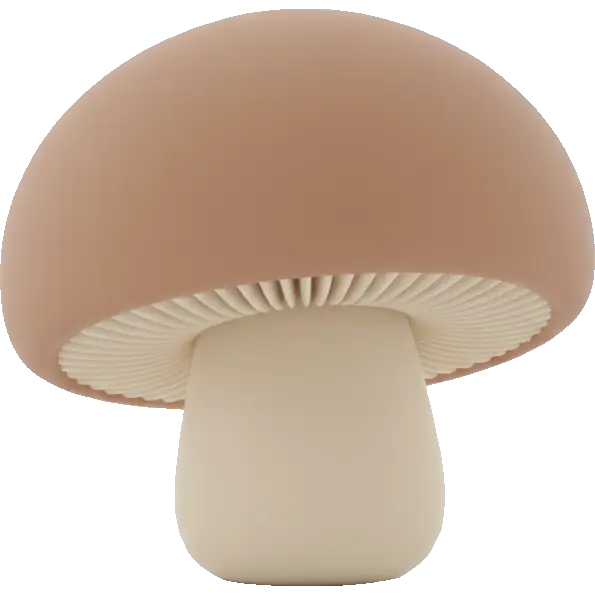
- High in polyols (mannitol), a FODMAP that causes bloating and gas in a sensitive gut
- High in mannitol, a polyol FODMAP, so even a modest portion can cause bloating, gas and cramps in IBS
- Also high in sorbitol, so it hits two FODMAP pathways at once and is far harder to tolerate than a whole apple

Examples
A few ingredients either way





Grading
How we grade polyols
Every ingredient in the database carries one grade for polyols, and this page, the checker and the app all read that same grade. It describes the ingredient as it is usually eaten. Portion size and preparation move it.

Practical
Working with polyols
- Watch for sugar-free products containing sorbitol, mannitol, or xylitol.
- Limit portion sizes of stone fruits like peaches and plums.
- Avoid sugar-free products with sorbitol, mannitol, xylitol, maltitol
- Stone fruits are naturally high in polyols
- Cooking doesn't reduce polyol content
- Avocado portion size matters - small amounts may be fine
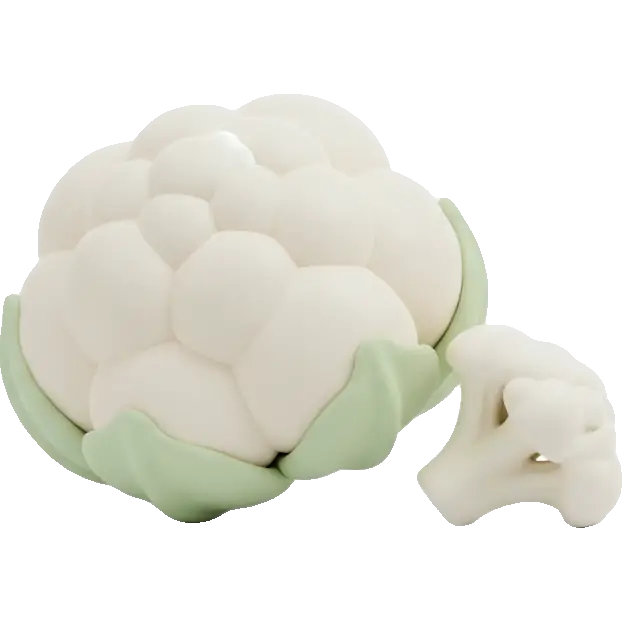
- Cauliflower and mushrooms are common triggers

Method
Test it with a diary
Most people find their own triggers by logging meals and symptoms for a few weeks and reading the result back. Three steps.
- 1Log every meal for a few weeks. Type it, say it out loud, or scan a barcode, and it lands as a list of ingredients.
- 2Rate how you feel through the day on whatever you are tracking, whether that is bloating, headaches, skin or sleep.
- 3Read the pattern back. Every ingredient you logged is scored against the days you felt worse, and the result ranks polyols against everything else you eat.

Read next
Where to go next

Get started
Tracking polyols?
Log what you eat and how you feel, and the app finds the pattern for you. Or look an ingredient up here first.
 Get the app
 Browse ingredients