Overview
About Crustaceans
Crustacean content flags prawn, shrimp, crab, lobster, crayfish and krill, along with the pastes, stocks and condiments that use them for savoury depth.
In the data
Where you will find crustaceans
- A major shellfish allergen (IgE-mediated), which is a true allergy and separate from any sulfite or histamine reaction
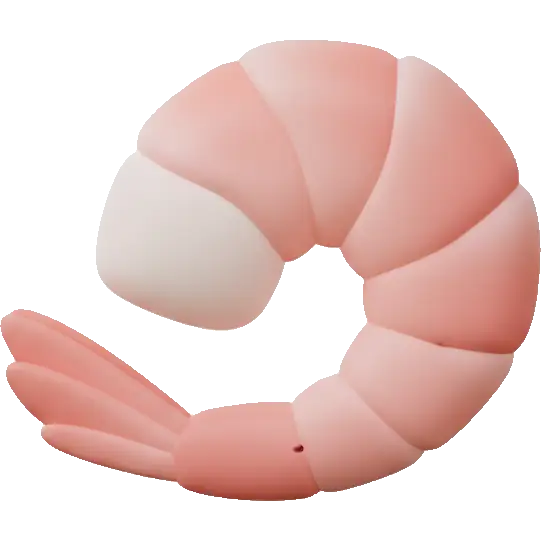
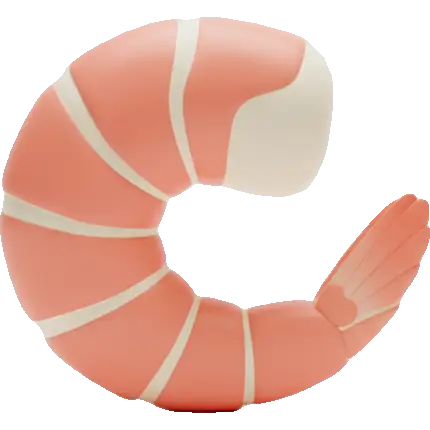
- Moderate histamine that climbs as shrimp sits, so older or poorly chilled shrimp is riskier for histamine intolerance
- A top crustacean shellfish allergen, capable of a true IgE-mediated allergy that is separate from any sulfite or histamine reaction
- Moderate histamine that climbs as prawns age, so older or poorly chilled prawns are riskier for anyone with histamine intolerance
- Moderate nickel (C), a shared trait across shellfish and worth tracking if nickel is one of your suspects
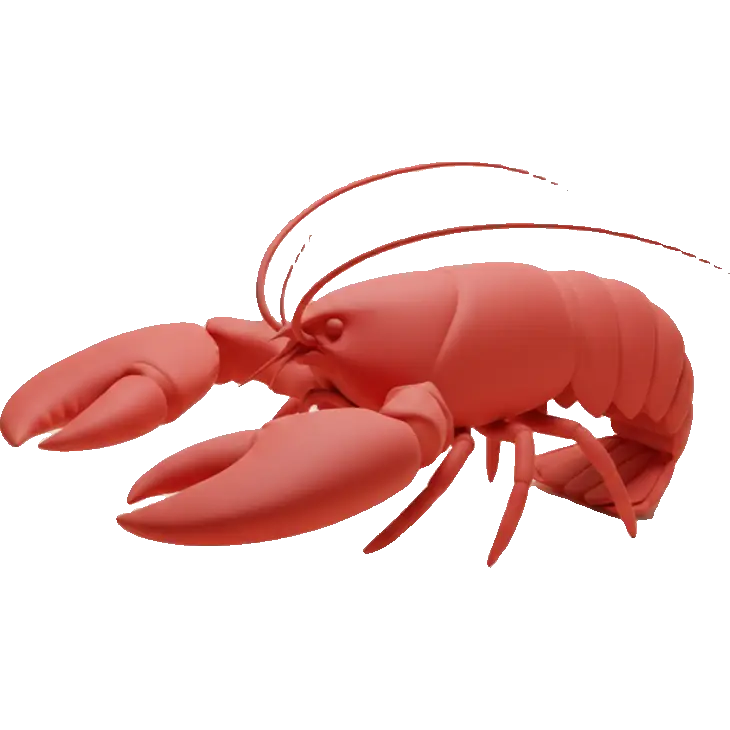
- Crustacean allergy usually covers the whole group at once. The major lobster allergen is tropomyosin, and the lobster version is almost identical to the shrimp version at the sites that IgE antibodies bind, which is why people allergic to prawns very often react to lobster, crab and crayfish too. Tropomyosin is heat stable and water soluble, so cooked lobster, the boiling water and the steam coming off the pot can all carry it.
- Skip the tomalley. The soft green paste in the body cavity is the hepatopancreas, the organ that does the work of a liver and a pancreas, and it concentrates what the animal filters. The FDA has advised against eating American lobster tomalley because it can carry paralytic shellfish poisoning toxins at levels the tail and claw meat do not, and cooking does not destroy them. The muscle meat is a separate question from the tomalley.
Examples
A few ingredients either way




Grading
How we grade crustaceans
Every ingredient in the database carries one grade for crustaceans, and this page, the checker and the app all read that same grade. It describes the ingredient as it is usually eaten. Portion size and preparation move it.
Practical
Working with crustaceans
- Check kimchi, curry pastes and savoury sauces, where salted shrimp is a common base.
- Grade molluscs separately: reacting to prawn does not mean you react to mussels or squid.
- Keep a detailed food and symptom diary to track your personal reactions
- Eliminate the suspected trigger completely for 2-4 weeks
- Reintroduce gradually to find your personal tolerance threshold
- Work with a healthcare provider or registered dietitian for guidance
- Remember that food sensitivities can change over time
Method
Test it with a diary
Most people find their own triggers by logging meals and symptoms for a few weeks and reading the result back. Three steps.
- 1Log every meal for a few weeks. Type it, say it out loud, or scan a barcode, and it lands as a list of ingredients.
- 2Rate how you feel through the day on whatever you are tracking, whether that is bloating, headaches, skin or sleep.
- 3Read the pattern back. Every ingredient you logged is scored against the days you felt worse, and the result ranks crustaceans against everything else you eat.
Questions
Questions people ask
Are prawns the same as shrimp for allergies?
Yes. Prawn and shrimp are common names for closely related crustaceans, and both are top shellfish allergens. If you are allergic to one you should treat the other as unsafe, because the crustacean proteins that drive the allergy, chiefly tropomyosin, are shared across prawns, shrimp, langoustines and similar shellfish.
More about prawnI react to shrimp. Will crab do the same?
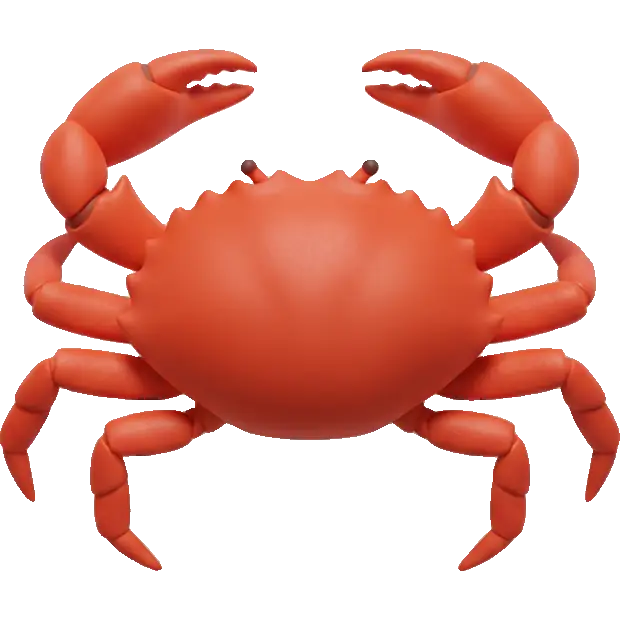
Very likely, because shrimp, prawn, crab, lobster and crayfish are all crustaceans and share tropomyosin, the protein most crustacean allergy is aimed at. Cross reactivity inside the crustacean group is high. The same protein family also explains why some people with dust mite or cockroach sensitisation react to crustaceans. Molluscs such as clams and scallops are a separate group with less predictable overlap.
More about crabIs my shrimp reaction an allergy or something else?
It can be either. Shrimp is a top shellfish allergen and can cause a true IgE-mediated allergy. But a similar-looking reaction can come from the sulfites used to preserve it, or from histamine that builds up as shrimp sits. Tracking whether fresh, sulfite-free shrimp still bothers you helps tell them apart, and an allergist can confirm.
More about shrimpCan I eat lobster if I am allergic to shrimp or crab?
Not without an allergist saying so. Crustaceans share tropomyosin as their dominant allergen, and the lobster and shrimp versions match closely enough at the antibody binding sites that cross reaction within the crustacean group is the rule rather than the exception. Most people diagnosed with a shrimp allergy are advised to avoid lobster, crab and crayfish as a set. Molluscs such as squid, clams and mussels are labelled as a different group and cross react less reliably, but that is also a question for testing, not for trying a plate.
More about lobsterIf I am allergic to shrimp, can I eat crayfish?
Assume not. Shrimp, prawn, crab, lobster and crayfish all carry tropomyosin, a muscle protein that barely changes between crustacean species, so an immune system that recognises it in shrimp usually recognises it in crayfish. Being freshwater rather than marine makes no difference to the protein. This is an allergy question rather than a trigger-journal question, so it is one to settle with an allergist rather than by testing at a boil.
More about crayfishRead next
Where to go next
Get started
Tracking crustaceans?
Log what you eat and how you feel, and the app finds the pattern for you. Or look an ingredient up here first.