
Overview
About GOS
GOS (galacto-oligosaccharides) are FODMAP carbs in legumes like chickpeas, lentils, and soy that ferment quickly and can trigger symptoms in sensitive guts.
Galacto-oligosaccharides (GOS) are carbohydrates found mainly in legumes and some vegetables. They're a FODMAP that can ferment in the gut, causing bloating and discomfort in sensitive people.

In the data
Where you will find GOS

- High in GOS, so a full serving of chickpeas or hummus commonly triggers bloating and wind
- Poorly tolerated in SIBO because the GOS ferments readily in the gut
- High in GOS, the fermentable fiber behind bean-related gas, bloating and cramping
- High in GOS, so a normal serving can bloat a FODMAP-sensitive gut even though a small quarter-cup is fine
- High in fructans as well as GOS, so chickpeas carry two fermentable FODMAPs where most beans mainly carry GOS, which can mean more gas and bloating
- Hummus stacks the odds: the chickpeas bring fructans and GOS, and the garlic adds still more fructans, so hummus is often less tolerated than a measured portion of plain chickpeas

Examples
A few ingredients either way
Rated high

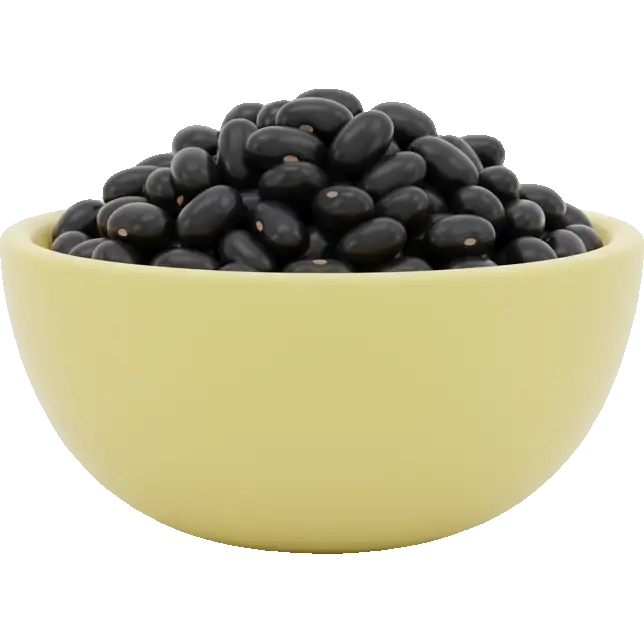




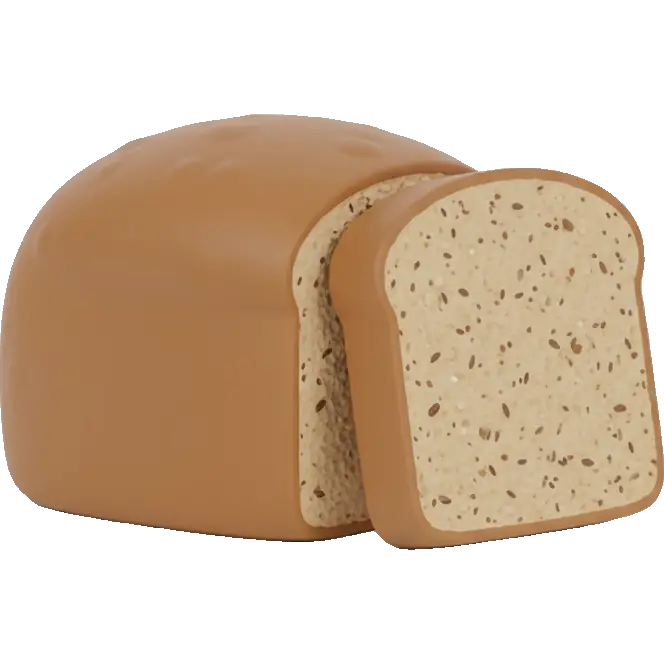


Grading
How we grade GOS
Every ingredient in the database carries one grade for GOS, and this page, the checker and the app all read that same grade. It describes the ingredient as it is usually eaten. Portion size and preparation move it.

Practical
Working with GOS
- Rinse canned legumes well to reduce GOS content.
- Start with small portions and see how you feel.
- Canned and rinsed legumes are lower in GOS than dried
- Start with smaller portions and build up tolerance
- Some people find beano-type enzymes helpful
- Firm tofu is lower in GOS than silken tofu
- Sprouted legumes may be better tolerated

Method
Test it with a diary
Most people find their own triggers by logging meals and symptoms for a few weeks and reading the result back. Three steps.
- 1Log every meal for a few weeks. Type it, say it out loud, or scan a barcode, and it lands as a list of ingredients.
- 2Rate how you feel through the day on whatever you are tracking, whether that is bloating, headaches, skin or sleep.
- 3Read the pattern back. Every ingredient you logged is scored against the days you felt worse, and the result ranks GOS against everything else you eat.

Read next
Where to go next

Get started
Tracking GOS?
Log what you eat and how you feel, and the app finds the pattern for you. Or look an ingredient up here first.
 Get the app
 Browse ingredients