 Back to Oxalates food checker
bread
Grains
Is bread high in oxalates?
Is bread high or low in oxalates? See its exact rating, how much counts as a portion, and its FODMAP, salicylate, oxalate and diet compatibility in one place.

Related checkers
Compare bread across criteria

Sensitivity notes
Why oxalates food checker matters
Oxalates are compounds found in many plant foods that can bind with calcium to form crystals. High oxalate intake may contribute to kidney stones in susceptible individuals and can cause other symptoms in those with oxalate sensitivity.
- Stay well-hydrated to help prevent oxalate crystal formation
- Pair high-oxalate foods with calcium-rich foods to bind oxalates
- Cooking and boiling can reduce oxalate content in some foods
- Spread oxalate intake throughout the day rather than one large dose
- Consider probiotics - some gut bacteria break down oxalates

Sensitivities
What bread contains
FODMAPs







Histamine & Amines



Plant compounds




Irritants




Additives



Allergens
















Diet fit
Where bread fits
Therapeutic diets










Lifestyle diets









Religious diets






What to know about bread
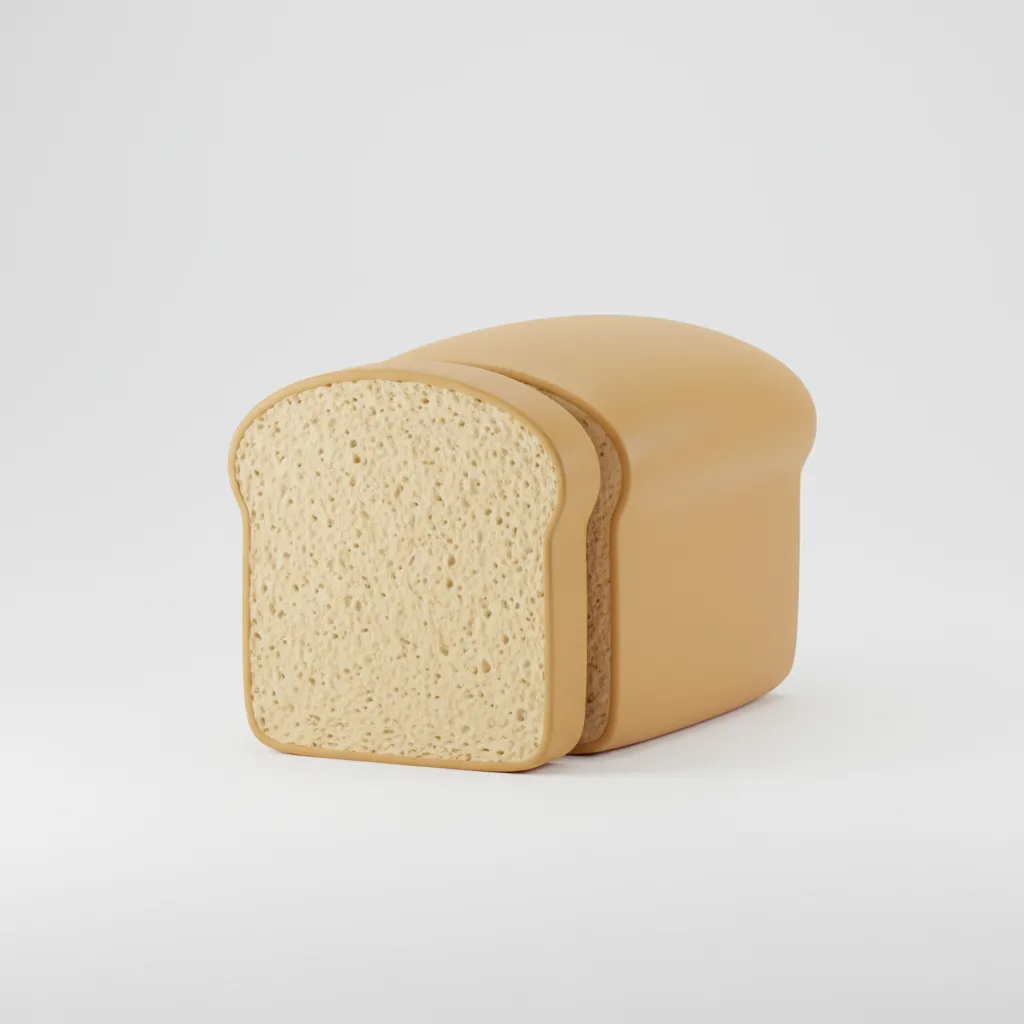
Bread grades E for gluten, so ordinary wheat, rye and barley loaves are out with coeliac disease or gluten sensitivity. The grade that explains more people is the quieter one: bread scores C for fructans and C for FODMAPs, and blinded trials in people who feel unwell after wheat but test negative for coeliac disease have pointed at wheat fructans, not gluten, as what actually reproduces the bloating. That distinction changes what you do about it, because gluten is all or nothing while fructans are dose dependent. If one slice is fine and two leave you distended, you are reading a FODMAP threshold rather than a gluten problem. Bread also collects a row of borderline B grades (histamine, tyramine, salicylate, nickel, free glutamate, lectin) from yeast fermentation and from being a many ingredient food, and it grades E for eosinophilic esophagitis compatibility because wheat is one of the standard foods removed in that elimination diet.
Watch for
- Gluten graded E: standard wheat, rye and barley bread is unsafe in any amount with coeliac disease, including crumbs from a shared toaster or cutting board
- Fructans and FODMAPs graded C, so bread behaves as a dose.A single slice sits under the low FODMAP threshold for many people while two do not, which is why portion often beats total avoidance for IBS.
- High fiber and high protein loaves frequently add inulin or chicory root fiber, which is concentrated fructan.A healthier sounding bread can hit you harder than plain white.
- Yeast fermentation lifts histamine and tyramine to B, and sourdough goes further: we grade sourdough bread C for histamine and D for tyramine, so long fermentation is not automatically the gentler choice.
- Bread carries passengers that never make the product name: milk powder, honey or glucose syrup, soy flour, seeds and malted barley are all common label surprises



Explore related in Grains
Compare similar foods to build a personalized list of swaps that work for your system.




Oxalates Guide
Everything you need to know about oxalates sensitivity and smart food choices.
Oxalates are compounds found in many plant foods that can bind with calcium to form crystals. High oxalate intake may contribute to kidney stones in susceptible individuals and can cause other symptoms in those with oxalate sensitivity.
Sensitivity varies widely. What triggers one person may be fine for another. Track your reactions to find your personal threshold.

These foods are generally well-tolerated for Oxalates sensitivity:
View all safe options







These foods have moderate levels and may be tolerated in small amounts:





These foods are high in oxalates and may trigger symptoms:
View full list






If you're sensitive to Oxalates, consider these strategies:
- 1Stay well-hydrated to help prevent oxalate crystal formation
- 2Pair high-oxalate foods with calcium-rich foods to bind oxalates
- 3Cooking and boiling can reduce oxalate content in some foods
- 4Spread oxalate intake throughout the day rather than one large dose
- 5Consider probiotics - some gut bacteria break down oxalates
Pro tip: Keep a food diary to track your reactions. The Triggerbites app makes this easy with automatic pattern detection.
Want personalized tracking?
Download Triggerbites to log meals, track symptoms, and discover your unique triggers.
Get the AppFAQ
Is bread high in Oxalates?
Oxalates: moderate signal - portion size matters.
Can I still eat bread if I'm sensitive to Oxalates?
Try smaller portions and space it out.
What else should I check?
Check Gluten, AIP, and EoE Compatible next for a fuller picture.