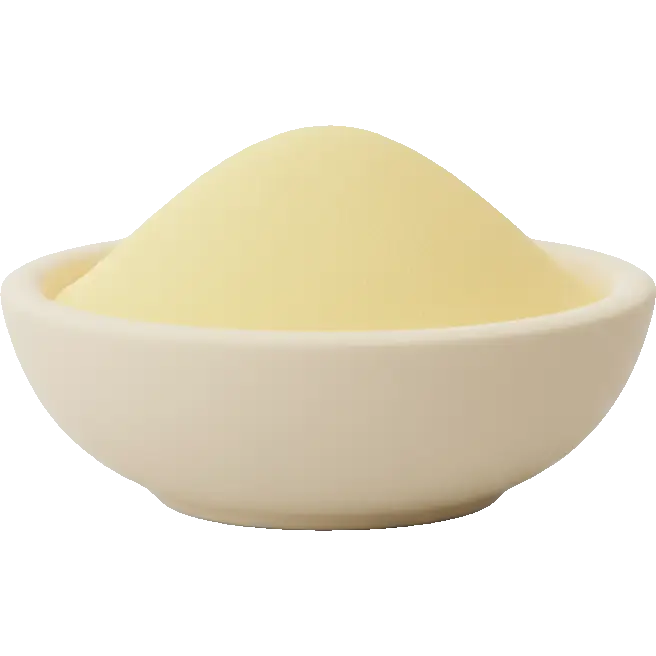
millet flour
Grains
Is millet flour high in histamine liberators?
Is millet flour high or low in histamine liberators? See its exact rating, how much counts as a portion, and its FODMAP, salicylate, oxalate and diet compatibility in one place.
Related checkers
Compare millet flour across criteria
Sensitivity notes
Why histamine liberators food checker matters
Histamine liberators are foods that don't contain much histamine themselves but can trigger your body to release stored histamine. This can cause similar symptoms to high-histamine foods in sensitive individuals.
- Avoid histamine liberators alongside high-histamine foods
- Common liberators include citrus, strawberries, tomatoes, and chocolate
- Your tolerance may vary based on overall histamine load
- Keep a symptom diary to identify your personal triggers
- Consider your total 'histamine bucket' - liberators add to it
Sensitivities
What millet flour contains
FODMAPs
Histamine & Amines
Plant compounds
Irritants
Additives
Allergens
Diet fit
Where millet flour fits
Therapeutic diets
Lifestyle diets
Religious diets
What to know about millet flour
Millet flour is millet ground fine, and it has been the backbone of gluten free flatbread in India and West Africa for far longer than it has been a health food aisle ingredient. It is genuinely gluten free, with nothing on lactose, dairy protein, histamine, tyramine, caffeine, salicylates, sulfites, nitrites, free glutamates or nightshade. What it does carry is borderline nickel, mild fructans with a portion dependent FODMAP load, and mild oxalate. It also behaves nothing like rice flour in a mixing bowl: millet flour is thirstier, sweeter and grittier, so swapping it one to one for rice flour reliably produces something dry and crumbly. The other thing worth knowing is the thyroid question, because millet is the one grain with a real published goitrogen story, and milling changes the answer.
Watch for
- Borderline nickel, the highest single mark on its profile.Millet is a small whole seed usually milled with the germ intact, and whole grain flours sit above refined starches on nickel. On a low nickel diet for systemic nickel allergy syndrome this is a flour to test rather than assume
- Mild fructans and a moderate overall FODMAP score that scales with portion.A spoonful thickening a sauce is a non event; a whole millet loaf in one sitting is a different exposure
- Millet carries C-glycosylflavones such as vitexin, which suppress thyroid peroxidase activity in the lab and are linked to endemic goitre in regions where millet is the staple.Two things soften this in flour: dehulling and milling strip the bran layers where those compounds concentrate, and cooking, fermenting or sprouting reduces them further
- Mild oxalate, and notably milder than our whole millet grain entry.Log the flour and the cooked grain as separate foods rather than assuming they carry the same load
- Borderline for low fermentation SIBO protocols, so treat it as a rotation flour rather than the base of every bake if you are on one



Explore related in Grains
Compare similar foods to build a personalized list of swaps that work for your system.



Histamine Liberators Guide
Everything you need to know about histamine liberators sensitivity and smart food choices.
Histamine liberators are foods that don't contain much histamine themselves but can trigger your body to release stored histamine. This can cause similar symptoms to high-histamine foods in sensitive individuals.
Sensitivity varies widely. What triggers one person may be fine for another. Track your reactions to find your personal threshold.
These foods are generally well-tolerated for Histamine Liberators sensitivity:
View all safe options





These foods have moderate levels and may be tolerated in small amounts:




These foods are high in histamine liberators and may trigger symptoms:
View full list





If you're sensitive to Histamine Liberators, consider these strategies:
- 1Avoid histamine liberators alongside high-histamine foods
- 2Common liberators include citrus, strawberries, tomatoes, and chocolate
- 3Your tolerance may vary based on overall histamine load
- 4Keep a symptom diary to identify your personal triggers
- 5Consider your total 'histamine bucket' - liberators add to it
Pro tip: Keep a food diary to track your reactions. The Triggerbites app makes this easy with automatic pattern detection.
Want personalized tracking?
Download Triggerbites to log meals, track symptoms, and discover your unique triggers.
Get the AppFAQ
Is millet flour high in Histamine Liberators?
Histamine Liberators: higher signal - consider smaller servings or swaps.
Can I still eat millet flour if I'm sensitive to Histamine Liberators?
Best to avoid or test carefully with a small amount.
What else should I check?
Check AIP, Specific Carbohydrate, and Paleo next for a fuller picture.