 Back to Histamine Liberators food checker
cottonseed
Nuts & Seeds
Is cottonseed high in histamine liberators?
Is cottonseed high or low in histamine liberators? See its exact rating, how much counts as a portion, and its FODMAP, salicylate, oxalate and diet compatibility in one place.

Related checkers
Compare cottonseed across criteria

Sensitivity notes
Why histamine liberators food checker matters
Histamine liberators are foods that don't contain much histamine themselves but can trigger your body to release stored histamine. This can cause similar symptoms to high-histamine foods in sensitive individuals.
- Avoid histamine liberators alongside high-histamine foods
- Common liberators include citrus, strawberries, tomatoes, and chocolate
- Your tolerance may vary based on overall histamine load
- Keep a symptom diary to identify your personal triggers
- Consider your total 'histamine bucket' - liberators add to it

Sensitivities
What cottonseed contains
FODMAPs







Histamine & Amines



Plant compounds




Irritants




Additives



Allergens
















Diet fit
Where cottonseed fits
Therapeutic diets










Lifestyle diets









Religious diets






What to know about cottonseed
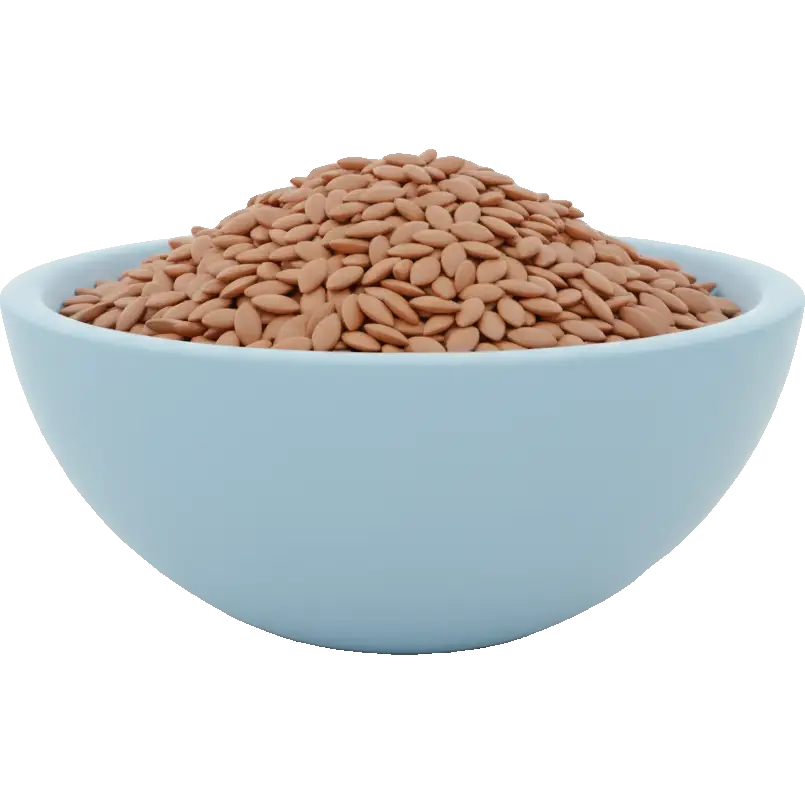
Cottonseed is the kernel left behind when cotton is ginned, and almost all of it becomes oil, livestock feed or protein flour rather than something you eat whole. It is clean on the reaction triggers people usually screen for: no histamine, no histamine liberation, no salicylates or oxalates, no nickel, sulfites, nitrites or free glutamate, and it is not a nightshade or a gluten source. Its two genuine notes are gossypol, the yellow toxin the plant stores in the seed to defend itself, and a lectin load that earns a D grade. Both live in the kernel and the meal, and both are largely stripped out of refined oil, so the form on your label decides whether either matters.
Watch for
- Gossypol is the real story.It is a polyphenol held in the seed pigment glands, toxic to humans and other non-ruminants, and well enough characterised that it was trialled in China as a male contraceptive because it suppresses sperm production. Refining removes it, and the FDA caps free gossypol in human food at 450 ppm, so the exposure that matters is crude oil, cottonseed flour and unrefined kernels rather than the bottle of refined oil.
- Cottonseed for human eating is newer than most people realise.Glandless low-gossypol varieties have existed for decades, and in 2019 the FDA cleared TAM66274, an engineered cottonseed with roughly 97 percent less gossypol in the kernel, for use as human food including roasted kernels and defatted flour.
- Graded D for lectins.Those sit in the seed protein, so cottonseed meal and flour carry them while refined oil does not. If lectins are a variable you track, distinguish the two forms on the label rather than treating cottonseed as one ingredient.
- The fat profile is why it grades poorly for inflammation.Cottonseed oil is around half linoleic acid with an unusually high share of palmitic acid for a seed oil, a combination that keeps it stable for frying and puts it low in the ranking on anti-inflammatory eating patterns.
- Cottonseed protein allergy is rare but documented, historically from flour and crude oil rather than the refined product.Highly refined oils generally carry too little protein to provoke a reaction, which is why they are exempt from most allergen labelling rules.
Explore related in Nuts & Seeds
Compare similar foods to build a personalized list of swaps that work for your system.
Histamine Liberators Guide
Everything you need to know about histamine liberators sensitivity and smart food choices.
Histamine liberators are foods that don't contain much histamine themselves but can trigger your body to release stored histamine. This can cause similar symptoms to high-histamine foods in sensitive individuals.
Sensitivity varies widely. What triggers one person may be fine for another. Track your reactions to find your personal threshold.

These foods are generally well-tolerated for Histamine Liberators sensitivity:
View all safe options








These foods have moderate levels and may be tolerated in small amounts:








These foods are high in histamine liberators and may trigger symptoms:
View full list






If you're sensitive to Histamine Liberators, consider these strategies:
- 1Avoid histamine liberators alongside high-histamine foods
- 2Common liberators include citrus, strawberries, tomatoes, and chocolate
- 3Your tolerance may vary based on overall histamine load
- 4Keep a symptom diary to identify your personal triggers
- 5Consider your total 'histamine bucket' - liberators add to it
Pro tip: Keep a food diary to track your reactions. The Triggerbites app makes this easy with automatic pattern detection.
Want personalized tracking?
Download Triggerbites to log meals, track symptoms, and discover your unique triggers.
Get the AppFAQ
Is cottonseed high in Histamine Liberators?
Histamine Liberators: low signal for most people.
Can I still eat cottonseed if I'm sensitive to Histamine Liberators?
Usually fine in normal portions.
What else should I check?
Check AIP, Low Fibre, and Gastroparesis Diet next for a fuller picture.