 Back to Inflammation diet checker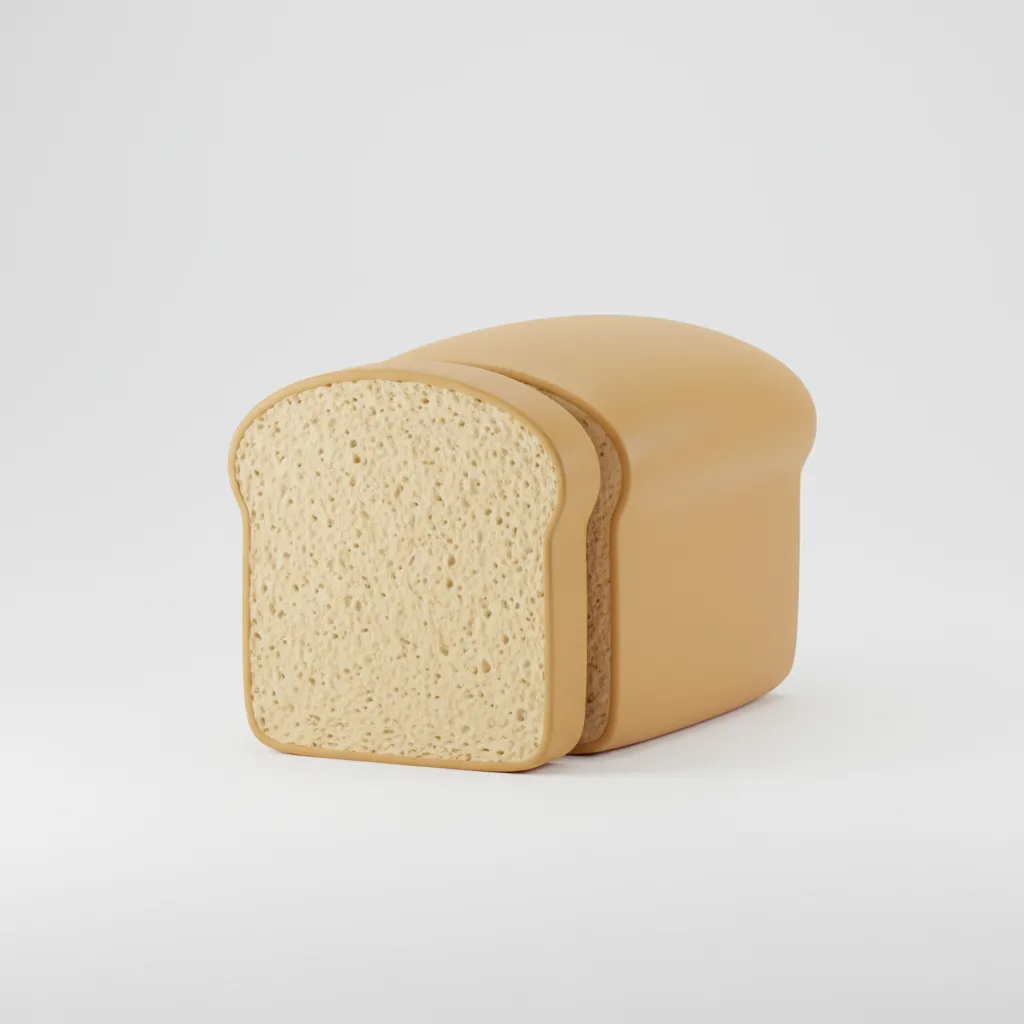
gluten-free bread
Grains
Is gluten-free bread inflammation-compatible?

See whether gluten-free bread fits an inflammation diet, with a clear compatible-or-avoid verdict plus its FODMAP, histamine and other trigger ratings in one place.

Related checkers
Compare gluten-free bread across criteria

Sensitivity notes
Why inflammation diet checker matters
An anti-inflammatory diet focuses on foods that help reduce chronic inflammation in the body. It emphasizes fruits, vegetables, fatty fish, nuts, and whole grains while limiting processed foods, refined sugars, and certain oils.
- Focus on omega-3 rich foods like fatty fish, walnuts, and flaxseed
- Colorful fruits and vegetables provide anti-inflammatory antioxidants
- Extra virgin olive oil is a cornerstone of anti-inflammatory eating
- Limit refined sugars, processed foods, and industrial seed oils
- Turmeric and ginger are powerful anti-inflammatory spices

Sensitivities
What gluten-free bread contains
FODMAPs







Histamine & Amines



Plant compounds




Irritants




Additives



Allergens
















Diet fit
Where gluten-free bread fits
Therapeutic diets










Lifestyle diets









Religious diets






What to know about gluten-free bread
Gluten-free bread is made without wheat, rye or barley, and it grades clean on gluten, lactose, dairy protein, histamine, salicylates and sulfites. What it is not is automatically low FODMAP. Gluten is the protein that gives an ordinary loaf its structure, so gluten-free bakers have to replace that structure with something, and the usual replacements are inulin, chicory root fibre, psyllium and pea or bean flour. Inulin and chicory root are concentrated fructans, which is the exact FODMAP that upsets most people who feel bloated after normal bread. That is why we grade gluten-free bread moderate on FODMAPs and fructans rather than clean. If gluten was your problem, this is a genuine fix. If fructans were your problem, swapping wheat bread for an inulin-enriched gluten-free loaf can leave you exactly where you started, or occasionally worse.
Watch for
- Moderate on fructans and total FODMAPs, usually from added inulin or chicory root fibre rather than from the flour itself, so a gluten-free loaf can still bloat a sensitive gut
- Clean on gluten: products carrying a certified gluten-free claim are held under 20 ppm and are appropriate for coeliac disease
- Moderate on nickel, because gluten-free blends often lean on chickpea, buckwheat, oat or teff flour, all of which sit higher in nickel than white wheat
- Read the fibre line on the label, not just the front of the packet.Loaves built on rice flour and tapioca starch behave very differently from loaves built on chicory root and pea protein
- Not paleo or AIP compliant, and only a moderate fit for DASH and Mediterranean patterns given how refined most gluten-free starch blends are





Explore related in Grains
Compare similar foods to build a personalized list of swaps that work for your system.






Inflammation Guide
Everything you need to know about inflammation compatibility and smart food choices.
An anti-inflammatory diet focuses on foods that help reduce chronic inflammation in the body. It emphasizes fruits, vegetables, fatty fish, nuts, and whole grains while limiting processed foods, refined sugars, and certain oils.
These foods are typically compatible with a Inflammation approach:
View all safe options







Practical guidance for following a Inflammation diet:
- 1Focus on omega-3 rich foods like fatty fish, walnuts, and flaxseed
- 2Colorful fruits and vegetables provide anti-inflammatory antioxidants
- 3Extra virgin olive oil is a cornerstone of anti-inflammatory eating
- 4Limit refined sugars, processed foods, and industrial seed oils
- 5Turmeric and ginger are powerful anti-inflammatory spices
Pro tip: Keep a food diary to track your reactions. The Triggerbites app makes this easy with automatic pattern detection.
Want personalized tracking?
Download Triggerbites to log meals, track symptoms, and discover your unique triggers.
Get the AppFAQ
Does gluten-free bread fit an inflammation diet?
Inflammation: mixed fit - check ingredients.
What if I eat it occasionally?
Keep portions small and verify ingredients.
What are safer swaps?
More swaps coming soon.