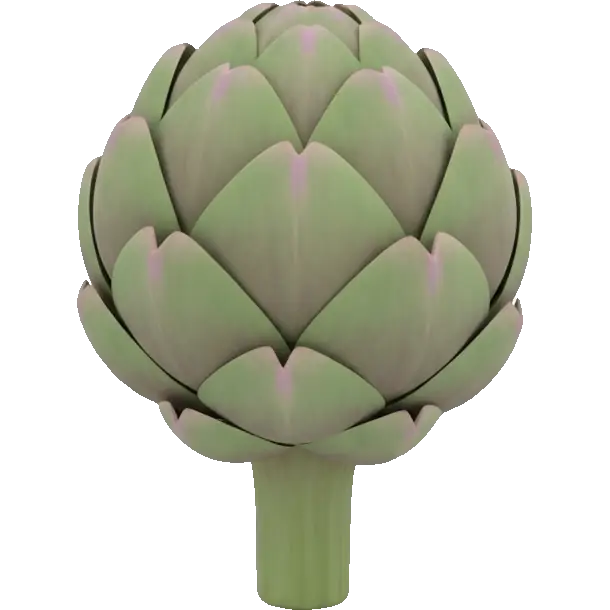
artichoke
Vegetables
Is artichoke high in tyramine?
Is artichoke high or low in tyramine? See its exact rating, how much counts as a portion, and its FODMAP, salicylate, oxalate and diet compatibility in one place.
Related checkers
Compare artichoke across criteria
Sensitivity notes
Why tyramine food checker matters
Tyramine is an amino acid that forms when proteins break down. It's found in aged, fermented, or spoiled foods. For people taking MAO inhibitors or those with tyramine sensitivity, it can cause headaches, elevated blood pressure, and other reactions.
- Choose fresh over aged, fermented, or preserved foods
- Eat protein foods fresh and store properly
- Be especially careful if taking MAO inhibitor medications
- Common high-tyramine foods include aged cheese, cured meats, and soy sauce
- Ripeness affects tyramine - choose less ripe fruits
Sensitivities
What artichoke contains
FODMAPs
Histamine & Amines
Plant compounds
Irritants
Additives
Allergens
Diet fit
Where artichoke fits
Therapeutic diets
Lifestyle diets
Religious diets
What to know about artichoke
The globe artichoke is one of the highest-fructan vegetables there is, which is why it rates as a high-FODMAP food. Its fibre is largely inulin, a fructan that gut bacteria ferment quickly, so even a few hearts can bring on bloating, gas and cramping in people with IBS or fructan intolerance. It is also high in salicylates. Otherwise artichoke is remarkably clean: low in histamine, anti-inflammatory, and friendly to nearly every diet.
Watch for
- Very high in fructans (inulin), among the most fructan-dense vegetables and a strong FODMAP trigger for bloating, gas and IBS flares
- High-FODMAP overall, so the hearts stay a trigger too: tinned or marinated preparations do not remove the fructans
- High in salicylates, one to keep in mind if you are salicylate-sensitive
- Moderate oxalate, a minor consideration for anyone managing kidney stones




Explore related in Vegetables
Compare similar foods to build a personalized list of swaps that work for your system.



Tyramine Guide
Everything you need to know about tyramine sensitivity and smart food choices.
Tyramine is an amino acid that forms when proteins break down. It's found in aged, fermented, or spoiled foods. For people taking MAO inhibitors or those with tyramine sensitivity, it can cause headaches, elevated blood pressure, and other reactions.
Sensitivity varies widely. What triggers one person may be fine for another. Track your reactions to find your personal threshold.
These foods are generally well-tolerated for Tyramine sensitivity:
View all safe options













These foods are high in tyramine and may trigger symptoms:
View full list



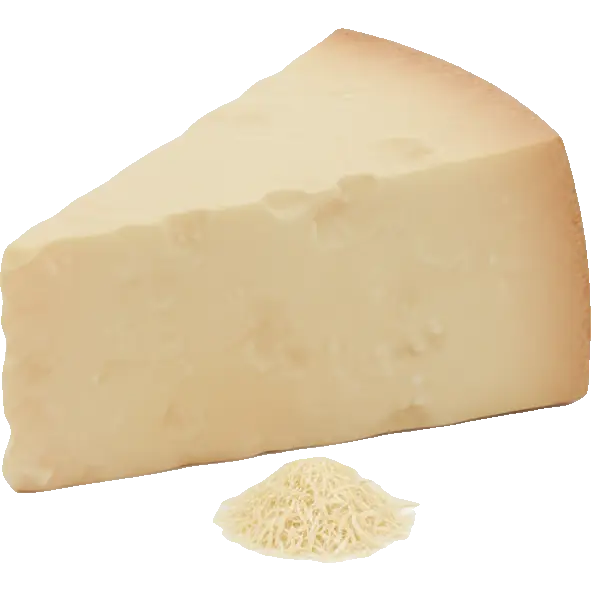

If you're sensitive to Tyramine, consider these strategies:
- 1Choose fresh over aged, fermented, or preserved foods
- 2Eat protein foods fresh and store properly
- 3Be especially careful if taking MAO inhibitor medications
- 4Common high-tyramine foods include aged cheese, cured meats, and soy sauce
- 5Ripeness affects tyramine - choose less ripe fruits
Pro tip: Keep a food diary to track your reactions. The Triggerbites app makes this easy with automatic pattern detection.
Want personalized tracking?
Download Triggerbites to log meals, track symptoms, and discover your unique triggers.
Get the AppFAQ
Is artichoke high in Tyramine?
Tyramine: low signal for most people.
Can I still eat artichoke if I'm sensitive to Tyramine?
Usually fine in normal portions.
What else should I check?
Check Low Fibre, Gastroparesis Diet, and FODMAPs next for a fuller picture.