
aged cheese
Dairy & Alternatives
Is aged cheese high in lectin?
Is aged cheese high or low in lectin? See its exact rating, how much counts as a portion, and its FODMAP, salicylate, oxalate and diet compatibility in one place.
Related checkers
Compare aged cheese across criteria
Sensitivity notes
Why lectin food checker matters
Lectins are proteins found in many plant foods, especially legumes and grains. Some people follow low-lectin diets believing they reduce inflammation and digestive issues, though properly cooked foods have reduced lectin content.
- Proper cooking destroys most lectins - never eat raw beans
- Pressure cooking is highly effective at reducing lectins
- Peeling and deseeding reduces lectin content
- Fermentation can reduce lectins in some foods
- Sprouting may increase or decrease lectins depending on the food
Sensitivities
What aged cheese contains
FODMAPs
Histamine & Amines
Plant compounds
Irritants
Additives
Allergens
Diet fit
Where aged cheese fits
Therapeutic diets
Lifestyle diets
Religious diets
What to know about aged cheese
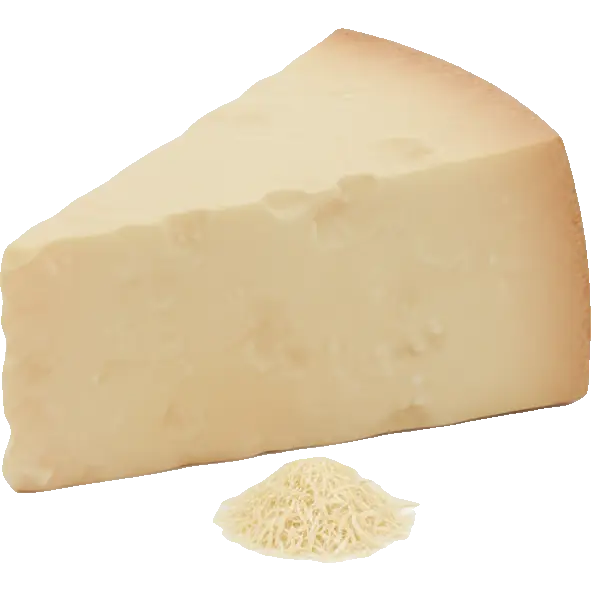
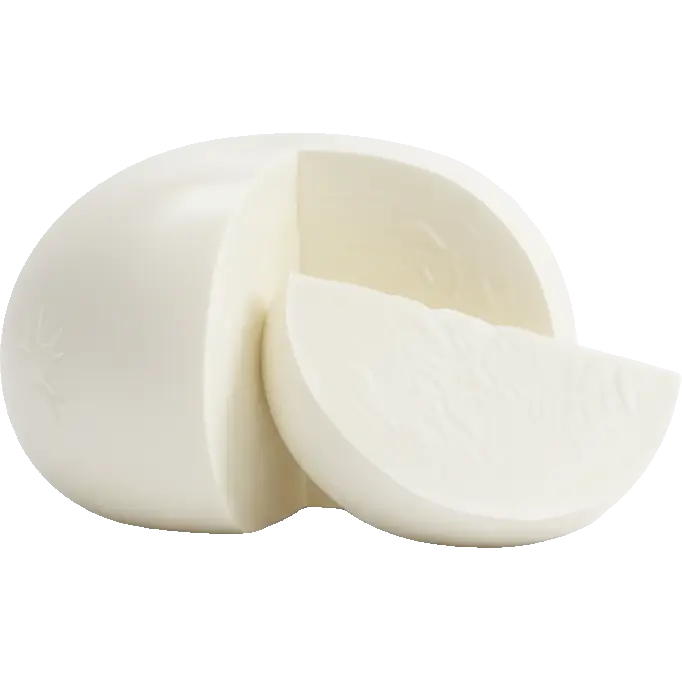
Aged cheese is the single food most often flagged in histamine intolerance, and the reason is the aging itself. As cheese ripens, bacteria break its proteins down into biogenic amines, so histamine and tyramine climb steadily the longer a cheese matures. That is why hard, well-aged cheeses like parmesan, aged cheddar, gouda and provolone sit at the top of the scale, while fresh cheeses like mozzarella, cottage cheese and cream cheese stay low. If matured cheese predictably brings on headaches, flushing or a stuffy nose, this ripening process is the mechanism behind it.
Watch for
- Very high in histamine: months of ripening let bacteria accumulate biogenic amines, so the harder and older the cheese, the more it carries
- Very high in tyramine, which can set off migraines and, for anyone taking an MAOI medication, dangerous blood-pressure spikes
- High in dairy protein (casein and whey) at any age, so aged cheese is never a dairy-free food
- Rule of thumb: fresh and young (mozzarella, cottage cheese, ricotta) stays low in amines, while aged and hard (parmesan, aged cheddar, gouda) runs high







Explore related in Dairy & Alternatives
Compare similar foods to build a personalized list of swaps that work for your system.




Lectin Guide
Everything you need to know about lectin sensitivity and smart food choices.
Lectins are proteins found in many plant foods, especially legumes and grains. Some people follow low-lectin diets believing they reduce inflammation and digestive issues, though properly cooked foods have reduced lectin content.
Sensitivity varies widely. What triggers one person may be fine for another. Track your reactions to find your personal threshold.
These foods are generally well-tolerated for Lectin sensitivity:
View all safe options





















If you're sensitive to Lectin, consider these strategies:
- 1Proper cooking destroys most lectins - never eat raw beans
- 2Pressure cooking is highly effective at reducing lectins
- 3Peeling and deseeding reduces lectin content
- 4Fermentation can reduce lectins in some foods
- 5Sprouting may increase or decrease lectins depending on the food
Pro tip: Keep a food diary to track your reactions. The Triggerbites app makes this easy with automatic pattern detection.
Want personalized tracking?
Download Triggerbites to log meals, track symptoms, and discover your unique triggers.
Get the AppFAQ
Is aged cheese high in Lectin?
Lectin: higher signal - consider smaller servings or swaps.
Can I still eat aged cheese if I'm sensitive to Lectin?
Best to avoid or test carefully with a small amount.
What else should I check?
Check Histamine, Dairy Proteins, and Tyramine next for a fuller picture.