 Back to Ingredient checker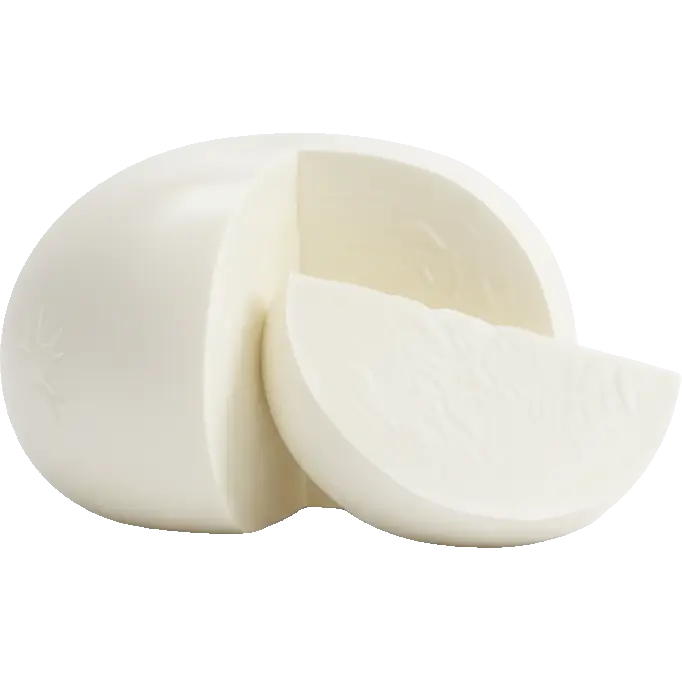
mozzarella
Dairy & Alternatives
Trigger checker for mozzarella
See mozzarella rated across every trigger — FODMAP, histamine, salicylate, oxalate, tyramine and more — plus diet compatibility, all in one quick ingredient profile.

Related checkers
Compare mozzarella across criteria

Sensitivities
What mozzarella contains
FODMAPs







Histamine & Amines



Plant compounds




Irritants




Additives



Allergens
















Diet fit
Where mozzarella fits
Therapeutic diets










Lifestyle diets









Religious diets






What to know about mozzarella
Fresh mozzarella is the cheese to reach for when histamine is your problem: unlike aged cheeses such as parmesan or cheddar, it is barely fermented, so it stays low in histamine and only borderline in tyramine. The catch is lactose. As a fresh, high-moisture cheese it holds far more lactose than a hard aged cheese, and it still carries the milk proteins casein and whey.
Watch for
- High in lactose (grade E), because fresh, high-moisture cheeses keep the milk sugar that long ageing would break down
- Contains casein and whey, the milk proteins behind dairy sensitivity
- Only borderline in tyramine, unlike heavily aged cheeses that are high, so it is a safer cheese if you watch tyramine
- Low in histamine, which sets it apart from parmesan, cheddar and blue cheese




Explore related in Dairy & Alternatives
Compare similar foods to build a personalized list of swaps that work for your system.

FAQ
What does the FODMAP rating mean for mozzarella?
Medium FODMAP: portion size matters more than the ingredient itself.
Is mozzarella generally well tolerated?
Dairy Proteins (Avoid) and Lectin (Avoid) Start with those if you react.
What should I check next?
Compare within the Dairy & Alternatives group.