 Back to Lectin food checker
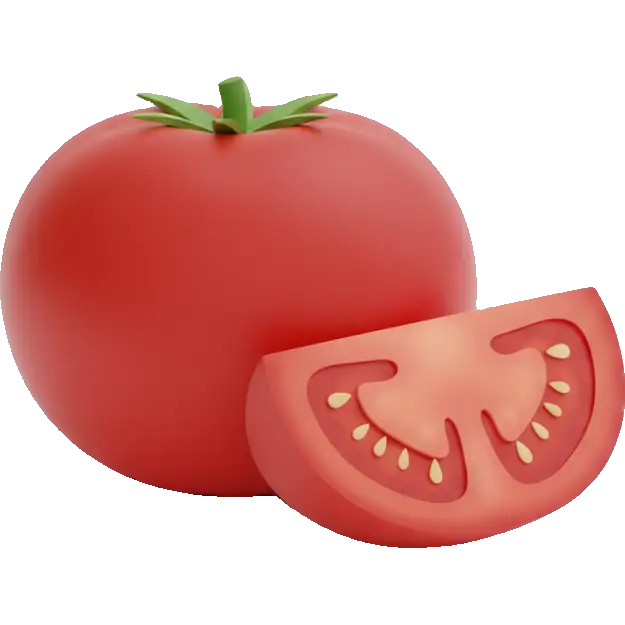
tomato
Vegetables
Is tomato high in lectin?
Is tomato high or low in lectin? See its exact rating, how much counts as a portion, and its FODMAP, salicylate, oxalate and diet compatibility in one place.

Related checkers
Compare tomato across criteria

Sensitivity notes
Why lectin food checker matters
Lectins are proteins found in many plant foods, especially legumes and grains. Some people follow low-lectin diets believing they reduce inflammation and digestive issues, though properly cooked foods have reduced lectin content.
- Proper cooking destroys most lectins - never eat raw beans
- Pressure cooking is highly effective at reducing lectins
- Peeling and deseeding reduces lectin content
- Fermentation can reduce lectins in some foods
- Sprouting may increase or decrease lectins depending on the food

Sensitivities
What tomato contains
FODMAPs







Histamine & Amines



Plant compounds




Irritants




Additives



Allergens
















Diet fit
Where tomato fits
Therapeutic diets










Lifestyle diets









Religious diets






What to know about tomato
Tomato is flagged on more independent axes than almost any other everyday vegetable, and the mechanisms are constantly mistaken for each other. It is a nightshade, our highest grade there, carrying the glycoalkaloids that concentrate in unripe green fruit, stems and leaves. Separately it is one of the richest natural sources of free glutamate, which is exactly why it tastes savoury and why it turns up in MSG-sensitivity reports. Separately again it grades high for histamine and high as a histamine liberator, and high for salicylates, with moderate oxalate and high lectin content in the seeds and skin. What it is not is a FODMAP problem: it rates only moderate there and clean on fructans, lactose, gluten, nickel and sulfites. And despite the nightshade reputation, tomato grades strongly anti-inflammatory, so nightshade avoidance is an individual sensitivity question rather than a general claim that tomato is inflammatory.
Watch for
- A nightshade at our highest grade, and not compliant with autoimmune protocol.The glycoalkaloids concentrate in unripe green fruit, stems and leaves, so under-ripe tomatoes carry more than fully red ones
- One of the highest natural free-glutamate foods there is.Reducing tomato into paste, passata or sun-dried pieces concentrates it further, which is why a rich sauce reads far more umami and MSG-like than a fresh slice
- High for histamine and a strong liberator on top of that.Cooked, tinned and jarred tomato products grade worse than fresh fruit, with tomato sauce reaching our top histamine grade
- High in salicylates, moderate in oxalate and high in lectins.The lectins sit in the seeds and skin, so deseeding and peeling reduce the load without removing it
- Only moderate on FODMAPs and clean on fructans, gluten, lactose, nickel and sulfites, so if tomato reliably bothers you the cause is nearly always one of the nightshade, histamine, glutamate or salicylate routes rather than fermentation
- Rates strongly anti-inflammatory in its own right, largely from lycopene, so a nightshade reaction is a personal sensitivity rather than evidence that tomato is an inflammatory food



Explore related in Vegetables
Compare similar foods to build a personalized list of swaps that work for your system.


Lectin Guide
Everything you need to know about lectin sensitivity and smart food choices.
Lectins are proteins found in many plant foods, especially legumes and grains. Some people follow low-lectin diets believing they reduce inflammation and digestive issues, though properly cooked foods have reduced lectin content.
Sensitivity varies widely. What triggers one person may be fine for another. Track your reactions to find your personal threshold.

These foods are generally well-tolerated for Lectin sensitivity:
View all safe options














If you're sensitive to Lectin, consider these strategies:
- 1Proper cooking destroys most lectins - never eat raw beans
- 2Pressure cooking is highly effective at reducing lectins
- 3Peeling and deseeding reduces lectin content
- 4Fermentation can reduce lectins in some foods
- 5Sprouting may increase or decrease lectins depending on the food
Pro tip: Keep a food diary to track your reactions. The Triggerbites app makes this easy with automatic pattern detection.
Want personalized tracking?
Download Triggerbites to log meals, track symptoms, and discover your unique triggers.
Get the AppFAQ
Is tomato high in Lectin?
Lectin: higher signal - consider smaller servings or swaps.
Can I still eat tomato if I'm sensitive to Lectin?
Best to avoid or test carefully with a small amount.
What else should I check?
Check Nightshades, Glutamates, and AIP next for a fuller picture.