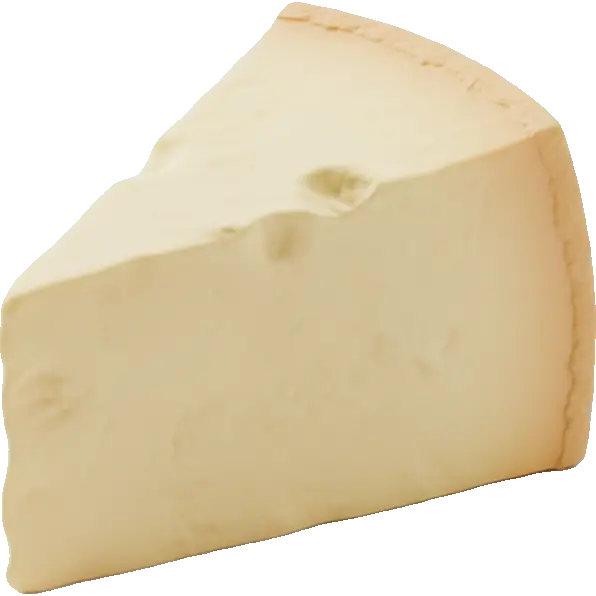
parmesan cheese
Dairy & Alternatives
Is parmesan cheese high in dairy proteins?
Is parmesan cheese high or low in dairy proteins? See its exact rating, how much counts as a portion, and its FODMAP, salicylate, oxalate and diet compatibility in one place.
Related checkers
Compare parmesan cheese across criteria
Sensitivity notes
Why dairy proteins food checker matters
Dairy proteins (casein and whey) can cause reactions in people with milk protein allergy or intolerance. This is different from lactose intolerance and can cause both digestive and systemic symptoms.
- Dairy protein allergy requires complete dairy avoidance
- Casein and whey are the main proteins to avoid
- 'Non-dairy' products may still contain casein
- Ghee may be tolerated as proteins are removed
- This is different from lactose intolerance - treatment differs
Sensitivities
What parmesan cheese contains
FODMAPs
Histamine & Amines
Plant compounds
Irritants
Additives
Allergens
Diet fit
Where parmesan cheese fits
Therapeutic diets
Lifestyle diets
Religious diets
What to know about parmesan cheese
The grated parmesan sold in shakers and bags is intensely aged before it is ground, which pushes its histamine and tyramine to the very top of the cheese chart while keeping its lactose and dairy protein high. Pre-grated tubs also carry powdered cellulose as an anti-caking agent and can pick up cross-contamination on shared grating lines, so the trigger load is not only the cheese itself.
Watch for
- Among the highest cheeses for tyramine once fully aged, so even a spoonful shaken over pasta is a strong migraine and MAOI-diet trigger
- Very high in histamine from long ripening, enough to set off histamine-intolerance symptoms in small amounts
- High in casein and lactose, and shaker tubs usually add powdered cellulose (a wood-derived anti-caking agent) that some sensitive guts notice
- Ground on shared equipment, so pre-grated tubs are a real cross-contact risk for a serious dairy allergy

Explore related in Dairy & Alternatives
Compare similar foods to build a personalized list of swaps that work for your system.




Dairy Proteins Guide
Everything you need to know about dairy proteins sensitivity and smart food choices.
Dairy proteins (casein and whey) can cause reactions in people with milk protein allergy or intolerance. This is different from lactose intolerance and can cause both digestive and systemic symptoms.
Sensitivity varies widely. What triggers one person may be fine for another. Track your reactions to find your personal threshold.
These foods are generally well-tolerated for Dairy Proteins sensitivity:
View all safe options







These foods have moderate levels and may be tolerated in small amounts:




These foods are high in dairy proteins and may trigger symptoms:
View full list


If you're sensitive to Dairy Proteins, consider these strategies:
- 1Dairy protein allergy requires complete dairy avoidance
- 2Casein and whey are the main proteins to avoid
- 3'Non-dairy' products may still contain casein
- 4Ghee may be tolerated as proteins are removed
- 5This is different from lactose intolerance - treatment differs
Pro tip: Keep a food diary to track your reactions. The Triggerbites app makes this easy with automatic pattern detection.
Want personalized tracking?
Download Triggerbites to log meals, track symptoms, and discover your unique triggers.
Get the AppFAQ
Is parmesan cheese high in Dairy Proteins?
Dairy Proteins: higher signal - consider smaller servings or swaps.
Can I still eat parmesan cheese if I'm sensitive to Dairy Proteins?
Best to avoid or test carefully with a small amount.
What else should I check?
Check Histamine, Tyramine, and Lectin next for a fuller picture.