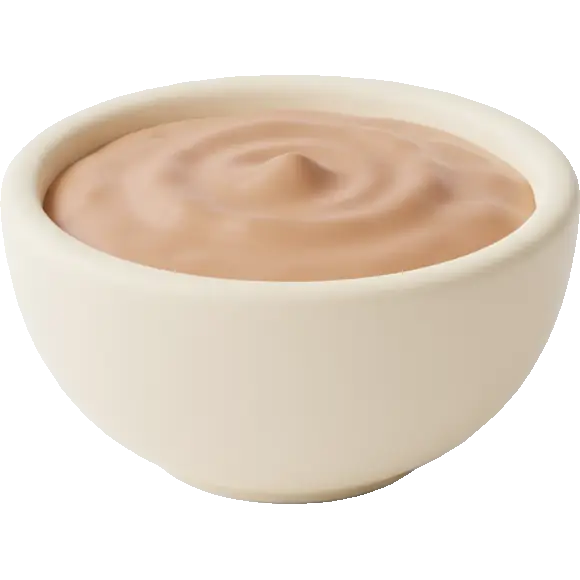
oat bran
Grains
Is oat bran inflammation-compatible?
See whether oat bran fits an inflammation diet, with a clear compatible-or-avoid verdict plus its FODMAP, histamine and other trigger ratings in one place.
Related checkers
Compare oat bran across criteria
Sensitivity notes
Why inflammation diet checker matters
An anti-inflammatory diet focuses on foods that help reduce chronic inflammation in the body. It emphasizes fruits, vegetables, fatty fish, nuts, and whole grains while limiting processed foods, refined sugars, and certain oils.
- Focus on omega-3 rich foods like fatty fish, walnuts, and flaxseed
- Colorful fruits and vegetables provide anti-inflammatory antioxidants
- Extra virgin olive oil is a cornerstone of anti-inflammatory eating
- Limit refined sugars, processed foods, and industrial seed oils
- Turmeric and ginger are powerful anti-inflammatory spices
Sensitivities
What oat bran contains
FODMAPs
Histamine & Amines
Plant compounds
Irritants
Additives
Allergens
Diet fit
Where oat bran fits
Therapeutic diets
Lifestyle diets
Religious diets
What to know about oat bran
Oat bran is the outer layer of the oat groat, milled off and sold on its own, so it is best understood as oats with the volume turned up. It carries considerably more soluble beta-glucan fibre per spoon than rolled oats, which is why it grades clean on the anti-inflammatory scale and fits DASH and Mediterranean patterns well. The same concentration works in the other direction too: we grade it moderate on FODMAPs and on SIBO fermentation, because the fermentable carbohydrate that oats carry arrives concentrated as well. The grade people misread is gluten, which sits borderline rather than clean. Oats are not a gluten grain, but oat bran is routinely grown, harvested and milled alongside wheat and barley, and a small minority of people with coeliac disease react to avenin, the oat protein itself, even when the batch is certified.
Watch for
- Moderate on FODMAPs and strongly portion-dependent: two tablespoons stirred into something and a full bowl of oat bran porridge are not the same exposure, because the bran concentrates the oat fructans and GOS
- Borderline on gluten for two separate reasons: milling cross-contact, which certified gluten-free oat bran solves, and avenin sensitivity in a minority of coeliacs, which it does not
- Poor fit for SIBO protocols, since highly fermentable soluble fibre is precisely what feeds bacterial overgrowth in the small intestine
- Moderate on lectins, oxalate and nickel, which matters if you are working through any of those three rather than a gut protocol
- Genuinely clean on histamine, histamine liberation, salicylates, lactose, dairy protein and glutamates, so it is rarely the culprit in those investigations



Explore related in Grains
Compare similar foods to build a personalized list of swaps that work for your system.





Inflammation Guide
Everything you need to know about inflammation compatibility and smart food choices.
An anti-inflammatory diet focuses on foods that help reduce chronic inflammation in the body. It emphasizes fruits, vegetables, fatty fish, nuts, and whole grains while limiting processed foods, refined sugars, and certain oils.
These foods are typically compatible with a Inflammation approach:
View all safe options







Practical guidance for following a Inflammation diet:
- 1Focus on omega-3 rich foods like fatty fish, walnuts, and flaxseed
- 2Colorful fruits and vegetables provide anti-inflammatory antioxidants
- 3Extra virgin olive oil is a cornerstone of anti-inflammatory eating
- 4Limit refined sugars, processed foods, and industrial seed oils
- 5Turmeric and ginger are powerful anti-inflammatory spices
Pro tip: Keep a food diary to track your reactions. The Triggerbites app makes this easy with automatic pattern detection.
Want personalized tracking?
Download Triggerbites to log meals, track symptoms, and discover your unique triggers.
Get the AppFAQ
Does oat bran fit an inflammation diet?
Inflammation: fits well for most plans.
What if I eat it occasionally?
Still check preparation and add-ins.
What are safer swaps?
Compare within the Grains group.