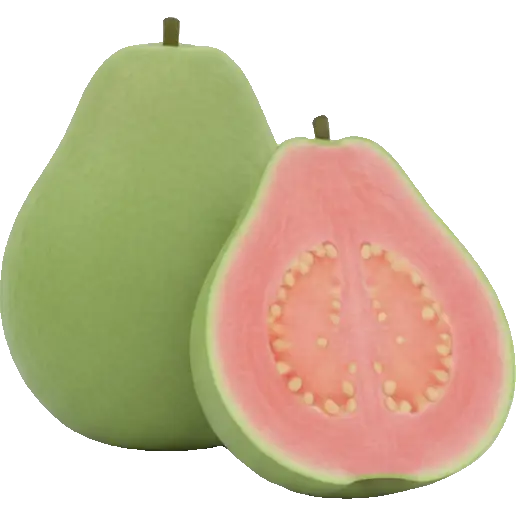
guava
Fruit
Is guava high in tyramine?
Is guava high or low in tyramine? See its exact rating, how much counts as a portion, and its FODMAP, salicylate, oxalate and diet compatibility in one place.
Related checkers
Compare guava across criteria
Sensitivity notes
Why tyramine food checker matters
Tyramine is an amino acid that forms when proteins break down. It's found in aged, fermented, or spoiled foods. For people taking MAO inhibitors or those with tyramine sensitivity, it can cause headaches, elevated blood pressure, and other reactions.
- Choose fresh over aged, fermented, or preserved foods
- Eat protein foods fresh and store properly
- Be especially careful if taking MAO inhibitor medications
- Common high-tyramine foods include aged cheese, cured meats, and soy sauce
- Ripeness affects tyramine - choose less ripe fruits
Sensitivities
What guava contains
FODMAPs
Histamine & Amines
Plant compounds
Irritants
Additives
Allergens
Diet fit
Where guava fits
Therapeutic diets
Lifestyle diets
Religious diets
What to know about guava
Guava is close to spotless across the food chemistry people track, with one exception that catches salicylate reactors out: it is graded high in salicylates. Everything else reads clean. Low histamine, no liberator activity, no gluten, no lactose, no caffeine, no nickel flag, no sulfites, and it grades anti-inflammatory. Its FODMAP rating is only moderate, so for a sensitive gut the question is portion rather than avoidance. Nutritionally it is the vitamin C outlier of the fruit aisle at roughly 228 mg per 100 g, about four times an orange, with around 5 g of fibre in the same weight. If guava brings on itching, a flushed face or a headache while other tropical fruit passes without incident, salicylate is the first thing to test rather than an allergy.
Watch for
- High in salicylates, so it belongs in the same test group as berries, tomato, mint and aspirin-type foods rather than being judged on its own
- Moderate on FODMAPs, which means volume decides it.A small serve of ripe fruit behaves nothing like a full bowl or a tall glass of guava juice
- About 5 g of fibre per 100 g plus the hard stony seeds in the seedy cultivars.If it is the seeds that bother you, the soft-seeded and near-seedless varieties, or straining the pulp, solve it without giving up the fruit
- Guava nectar and guava juice drinks are a different food from the fruit: concentrated sugars, added sweetener and no fibre, on top of the same salicylate load
- Oxalate is unrated in our data for guava, so we make no claim either way there



Explore related in Fruit
Compare similar foods to build a personalized list of swaps that work for your system.

Tyramine Guide
Everything you need to know about tyramine sensitivity and smart food choices.
Tyramine is an amino acid that forms when proteins break down. It's found in aged, fermented, or spoiled foods. For people taking MAO inhibitors or those with tyramine sensitivity, it can cause headaches, elevated blood pressure, and other reactions.
Sensitivity varies widely. What triggers one person may be fine for another. Track your reactions to find your personal threshold.
These foods are generally well-tolerated for Tyramine sensitivity:
View all safe options












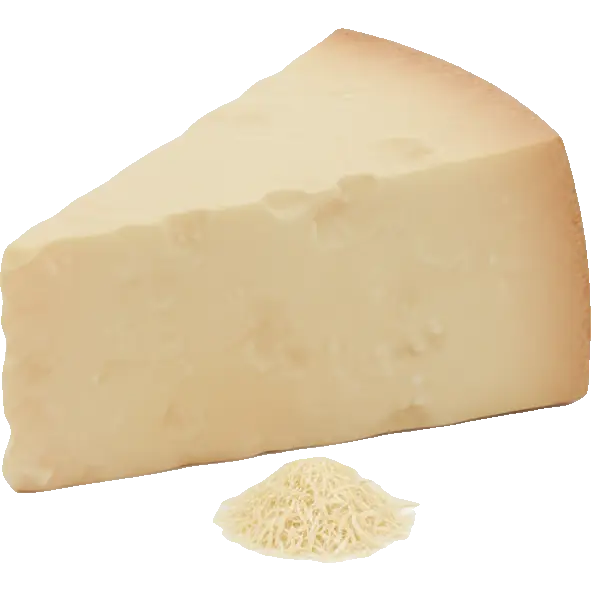
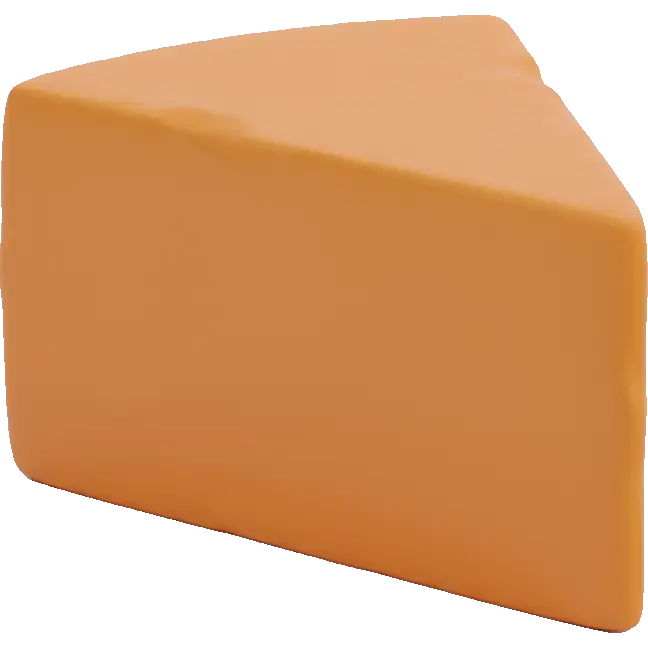
These foods are high in tyramine and may trigger symptoms:
View full list


If you're sensitive to Tyramine, consider these strategies:
- 1Choose fresh over aged, fermented, or preserved foods
- 2Eat protein foods fresh and store properly
- 3Be especially careful if taking MAO inhibitor medications
- 4Common high-tyramine foods include aged cheese, cured meats, and soy sauce
- 5Ripeness affects tyramine - choose less ripe fruits
Pro tip: Keep a food diary to track your reactions. The Triggerbites app makes this easy with automatic pattern detection.
Want personalized tracking?
Download Triggerbites to log meals, track symptoms, and discover your unique triggers.
Get the AppFAQ
Is guava high in Tyramine?
Tyramine: low signal for most people.
Can I still eat guava if I'm sensitive to Tyramine?
Usually fine in normal portions.
What else should I check?
Check Salicylates, Low Salicylate, and Low Fibre next for a fuller picture.