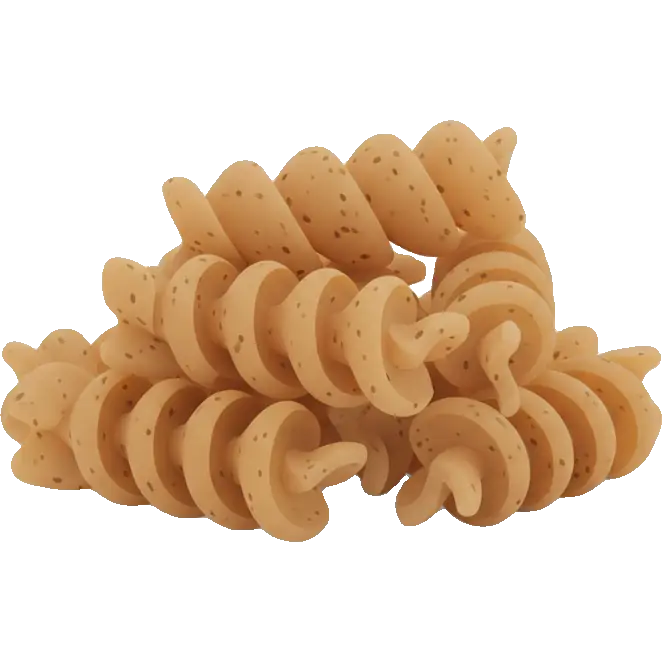
whole wheat pasta
Grains
Is whole wheat pasta high in salicylates?
Is whole wheat pasta high or low in salicylates? See its exact rating, how much counts as a portion, and its FODMAP, salicylate, oxalate and diet compatibility in one place.
Related checkers
Compare whole wheat pasta across criteria
Sensitivity notes
Why salicylates food checker matters
Salicylates are natural chemicals found in many fruits, vegetables, herbs, and spices. They're related to aspirin and can cause reactions in sensitive individuals including hives, asthma symptoms, nasal congestion, and digestive issues.
- Start by eliminating the highest sources: spices, herbs, and concentrated products
- Peel fruits and vegetables when possible to reduce salicylate content
- Fresh is usually better tolerated than dried or concentrated
- Build up tolerance slowly by reintroducing foods one at a time
- Sensitivity often improves with gut healing over time
Sensitivities
What whole wheat pasta contains
FODMAPs
Histamine & Amines
Plant compounds
Irritants
Additives
Allergens
Diet fit
Where whole wheat pasta fits
Therapeutic diets
Lifestyle diets
Religious diets
What to know about whole wheat pasta
Whole wheat pasta is marketed as the healthy upgrade, but for a trigger diary it is still wheat: high in gluten and, because it keeps the fructan-rich bran, actually higher in fructans than white pasta. So the switch people make for fibre can backfire if wheat or FODMAPs are what set off their symptoms.
Watch for
- Contains gluten, so it is no safer than white pasta for coeliac disease or gluten sensitivity
- High in fructans, and the retained bran can push the FODMAP load above that of refined white pasta
- A frequent bloating trigger precisely because people eat more of it thinking whole grain is gentler
- Poor for SIBO, as the fermentable wheat carbs feed overgrowth





Explore related in Grains
Compare similar foods to build a personalized list of swaps that work for your system.




Salicylates Guide
Everything you need to know about salicylates sensitivity and smart food choices.
Salicylates are natural chemicals found in many fruits, vegetables, herbs, and spices. They're related to aspirin and can cause reactions in sensitive individuals including hives, asthma symptoms, nasal congestion, and digestive issues.
Sensitivity varies widely. What triggers one person may be fine for another. Track your reactions to find your personal threshold.
These foods are generally well-tolerated for Salicylates sensitivity:
View all safe options





These foods have moderate levels and may be tolerated in small amounts:





These foods are high in salicylates and may trigger symptoms:
View full list





If you're sensitive to Salicylates, consider these strategies:
- 1Start by eliminating the highest sources: spices, herbs, and concentrated products
- 2Peel fruits and vegetables when possible to reduce salicylate content
- 3Fresh is usually better tolerated than dried or concentrated
- 4Build up tolerance slowly by reintroducing foods one at a time
- 5Sensitivity often improves with gut healing over time
Pro tip: Keep a food diary to track your reactions. The Triggerbites app makes this easy with automatic pattern detection.
Want personalized tracking?
Download Triggerbites to log meals, track symptoms, and discover your unique triggers.
Get the AppFAQ
Is whole wheat pasta high in Salicylates?
Salicylates: moderate signal - portion size matters.
Can I still eat whole wheat pasta if I'm sensitive to Salicylates?
Try smaller portions and space it out.
What else should I check?
Check Gluten, AIP, and EoE Compatible next for a fuller picture.