
lucuma
Fruit
Is lucuma high in salicylates?
Is lucuma high or low in salicylates? See its exact rating, how much counts as a portion, and its FODMAP, salicylate, oxalate and diet compatibility in one place.
Related checkers
Compare lucuma across criteria
Sensitivity notes
Why salicylates food checker matters
Salicylates are natural chemicals found in many fruits, vegetables, herbs, and spices. They're related to aspirin and can cause reactions in sensitive individuals including hives, asthma symptoms, nasal congestion, and digestive issues.
- Start by eliminating the highest sources: spices, herbs, and concentrated products
- Peel fruits and vegetables when possible to reduce salicylate content
- Fresh is usually better tolerated than dried or concentrated
- Build up tolerance slowly by reintroducing foods one at a time
- Sensitivity often improves with gut healing over time
Sensitivities
What lucuma contains
FODMAPs
Histamine & Amines
Plant compounds
Irritants
Additives
Allergens
Diet fit
Where lucuma fits
Therapeutic diets
Lifestyle diets
Religious diets
What to know about lucuma
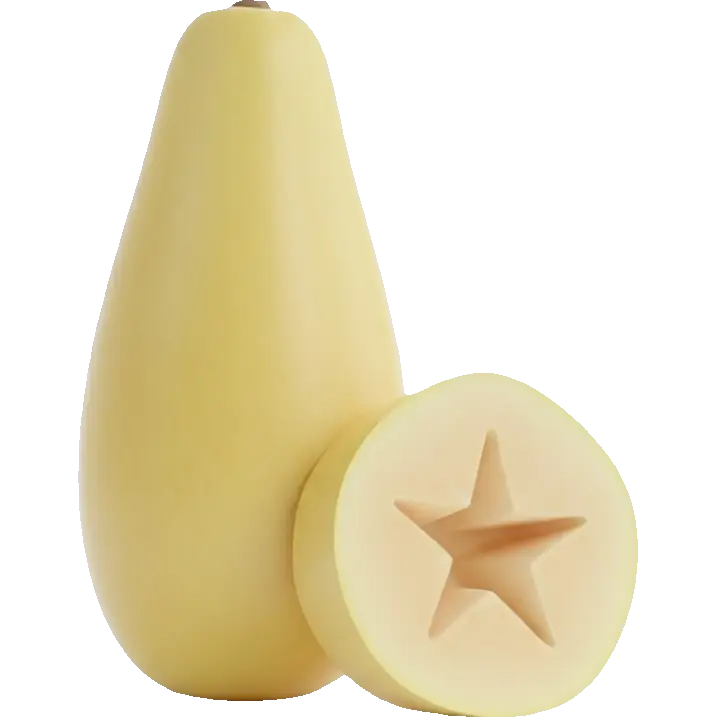
Almost nobody outside Peru meets lucuma as a fruit. Fresh Pouteria lucuma is dry, dense and crumbly with a flavour somewhere between maple, caramel and sweet potato, and in the rest of the world it arrives as a beige powder sold as a natural sweetener. Its trigger row is quiet: A for histamine content, tyramine, nickel, gluten, lactose, dairy protein, free glutamates, sulfites, nitrites and nightshades, with mild B grades for histamine liberation, salicylates and oxalates. The FODMAP columns are unrated, and that gap matters more for lucuma than for most fruits because of the form it is sold in. Powder is dehydrated pulp, so a heaped spoonful represents several times its own weight in fresh fruit, and anything untested gets concentrated along with the flavour. Two other things are worth saying plainly. Lucuma powder is not a calorie free or carbohydrate free sweetener: it is dried fruit, mostly sugar and starch, and the low glycaemic marketing around it rests on very little published evidence. And the way most people actually eat lucuma, as Peru favourite ice cream flavour, brings its own trigger profile from the dairy rather than from the fruit.
Watch for
- Lucuma powder is dried fruit, not a sugar substitute.It is largely carbohydrate, it does raise blood glucose, and the low glycaemic index claims attached to it are marketing rather than settled science. If you are swapping it in for sugar, count it as a food
- Every FODMAP column is unrated.That is a bigger deal in powder form, because dehydration concentrates whatever is there. A tablespoon of powder is not a tablespoon of fruit
- Lucuma ice cream is the most common exposure by far, and its trigger profile belongs to the dairy: lactose, dairy protein and whatever stabilisers are in it.If lucuma flavoured dessert bothers you, test the plain powder in water before blaming the fruit
- Check the label on blended lucuma products.Single ingredient powder is straightforward, but sweetener blends and superfood mixes marketed under the lucuma name often carry other ingredients that do have grades



Explore related in Fruit
Compare similar foods to build a personalized list of swaps that work for your system.




Salicylates Guide
Everything you need to know about salicylates sensitivity and smart food choices.
Salicylates are natural chemicals found in many fruits, vegetables, herbs, and spices. They're related to aspirin and can cause reactions in sensitive individuals including hives, asthma symptoms, nasal congestion, and digestive issues.
Sensitivity varies widely. What triggers one person may be fine for another. Track your reactions to find your personal threshold.
These foods are generally well-tolerated for Salicylates sensitivity:
View all safe options






These foods have moderate levels and may be tolerated in small amounts:







These foods are high in salicylates and may trigger symptoms:
View full list




If you're sensitive to Salicylates, consider these strategies:
- 1Start by eliminating the highest sources: spices, herbs, and concentrated products
- 2Peel fruits and vegetables when possible to reduce salicylate content
- 3Fresh is usually better tolerated than dried or concentrated
- 4Build up tolerance slowly by reintroducing foods one at a time
- 5Sensitivity often improves with gut healing over time
Pro tip: Keep a food diary to track your reactions. The Triggerbites app makes this easy with automatic pattern detection.
Want personalized tracking?
Download Triggerbites to log meals, track symptoms, and discover your unique triggers.
Get the AppFAQ
Is lucuma high in Salicylates?
Salicylates: moderate signal - portion size matters.
Can I still eat lucuma if I'm sensitive to Salicylates?
Try smaller portions and space it out.
What else should I check?
Check Keto, Low-carb, and Low Fermentation next for a fuller picture.