 Back to Ingredient checker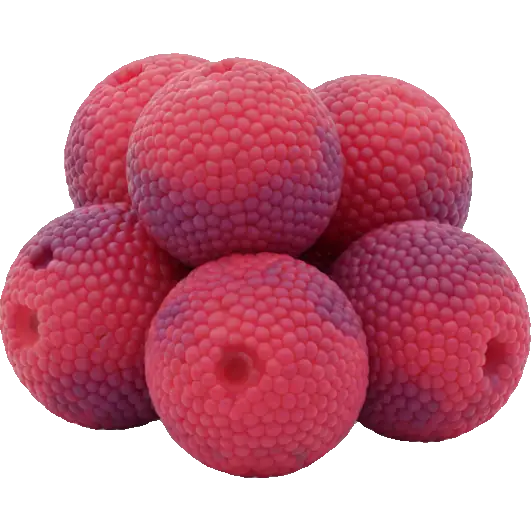
bayberry
Fruit
Trigger checker for bayberry
See bayberry rated across every trigger — FODMAP, histamine, salicylate, oxalate, tyramine and more — plus diet compatibility, all in one quick ingredient profile.

Related checkers
Compare bayberry across criteria

Sensitivities
What bayberry contains
FODMAPs







Histamine & Amines



Plant compounds




Irritants




Additives



Allergens
















Diet fit
Where bayberry fits
Therapeutic diets










Lifestyle diets









Religious diets






What to know about bayberry
The bayberry graded here is the fruit, Chinese bayberry or yangmei (Myrica rubra), a deep crimson knobbly berry that has been cultivated in southern China for thousands of years. Worth separating from the other bayberry immediately, because the confusion is constant: bayberry bark, the astringent tannin heavy root bark of Myrica cerifera sold as a herbal preparation, and the wax bayberry used for candles are different plants and nothing on this page describes them. As a fresh fruit yangmei is clean across the board, grading A for histamine, histamine liberation, tyramine, salicylates, oxalates, nickel, sulfites, nitrites, gluten, lactose, free glutamates, lectins and nightshades. Its FODMAP columns are unrated rather than tested. The genuine complications are practical. Yangmei has a famously short shelf life, roughly one to two days at room temperature, so most of the yangmei that reaches people outside the growing region is preserved, dried, salted or steeped in spirits, and those versions carry additives, sugar, salt and fermentation that the fresh berry does not. And its bumpy open surface is a known target for spotted wing drosophila, which is why the fruit is traditionally soaked in salt water before eating.
Watch for
- Preserved, dried and candied yangmei are a different food from the fresh berry.Snack versions typically add sugar, heavy salt, licorice and preservatives, and none of that is reflected in the A grades here, which describe fresh fruit
- Yangmei steeped in baijiu or other spirits, and any batch that has started to ferment, moves the histamine question.Fresh bayberry grades A for histamine, but fermented and alcohol steeped preparations are a standard source of biogenic amines and should not be logged as the same item
- The fruit spoils within a day or two at room temperature, faster than almost any berry.Softness, weeping juice or a winey smell means it has begun to ferment, which is worth avoiding if you are amine sensitive rather than just a freshness preference
- Soak fresh yangmei in salted water for ten to fifteen minutes before eating.The fruit is highly susceptible to spotted wing drosophila, which lays eggs in ripening berries on the tree, and the salt soak draws out any tiny larvae along with dust trapped in the knobbly surface
- It is markedly tart and tannic.That astringency can aggravate reflux and leave teeth feeling rough, which is a straightforward acid effect rather than any graded trigger
- FODMAP content is untested rather than confirmed low, so treat a large bowl as an unknown quantity if you have IBS




Explore related in Fruit
Compare similar foods to build a personalized list of swaps that work for your system.
FAQ
What does the FODMAP rating mean for bayberry?
No FODMAP rating yet: start small and log how you feel.
Is bayberry generally well tolerated?
Histamine (Safe) and Histamine Liberators (Safe) Start with those if you react.
What should I check next?
Compare within the Fruit group.