 Back to Ingredient checker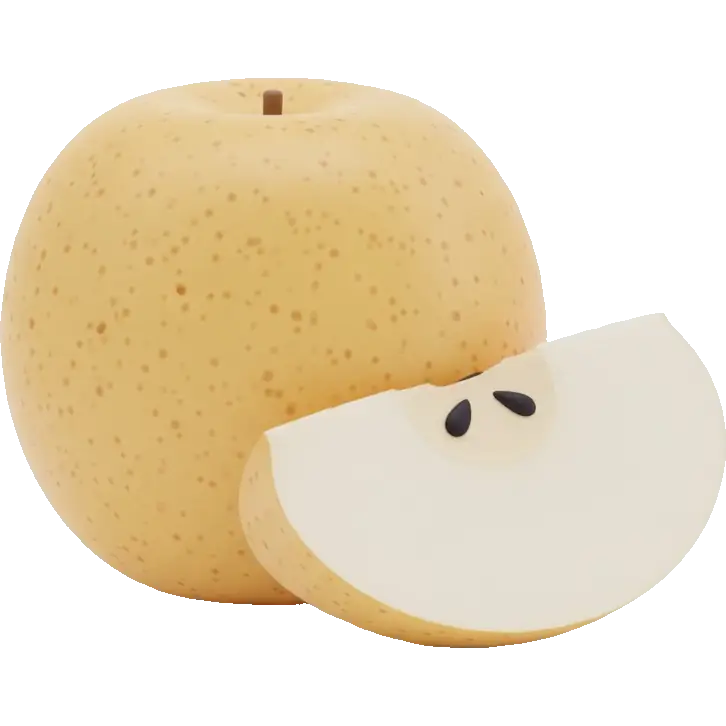
asian pear
Fruit
Trigger checker for asian pear
See asian pear rated across every trigger — FODMAP, histamine, salicylate, oxalate, tyramine and more — plus diet compatibility, all in one quick ingredient profile.

Related checkers
Compare asian pear across criteria

Sensitivities
What asian pear contains
FODMAPs







Histamine & Amines



Plant compounds




Irritants




Additives



Allergens
















Diet fit
Where asian pear fits
Therapeutic diets










Lifestyle diets









Religious diets






What to know about asian pear
Asian pear, also sold as nashi, is the round crisp one with apple texture and pear flavour. It is remarkably clean on the chemical triggers: no histamine, no liberator effect, low salicylate, low oxalate, low nickel, no lectin issue, and it is fine for AIP. Its entire trigger story is sugar. It grades E for excess fructose and D for polyols, which is the unusual double hit that also makes apple such a problem, and E for total FODMAPs. That combination is the reason a person can eat a whole asian pear and be bloated for the rest of the afternoon while reacting to nothing else in the fruit. If your symptoms are flushing, itching or headaches, asian pear is one of the safest fruits you can pick. If your symptoms are wind, distension and urgency, it is a prime suspect.
Watch for
- Very high in excess fructose (E).It carries more fructose than glucose, and unabsorbed fructose pulls water into the bowel and ferments, which is the mechanism behind the bloating and the loose stool
- High in polyols (D), mainly sorbitol, which is the second half of the problem.Fructose plus sorbitol in one fruit is a rare combination and it is why asian pear grades E overall on FODMAPs
- Small portions help less than usual here, because both sugars stack in the same fruit rather than one being the sole culprit
- Dried, juiced or canned-in-juice asian pear concentrates the fructose further, so the processed forms hit harder than the fresh fruit
- Genuinely clean on histamine, salicylates, oxalate, nickel and lectins, which is why it is often recommended to people avoiding those triggers.That recommendation is sound only if FODMAPs are not your issue





Explore related in Fruit
Compare similar foods to build a personalized list of swaps that work for your system.
FAQ
What does the FODMAP rating mean for asian pear?
High FODMAP: consider smaller servings or swap within the same group.
Is asian pear generally well tolerated?
FODMAPs (Avoid) and Fructose (Avoid) Start with those if you react.
What should I check next?
Compare within the Fruit group.