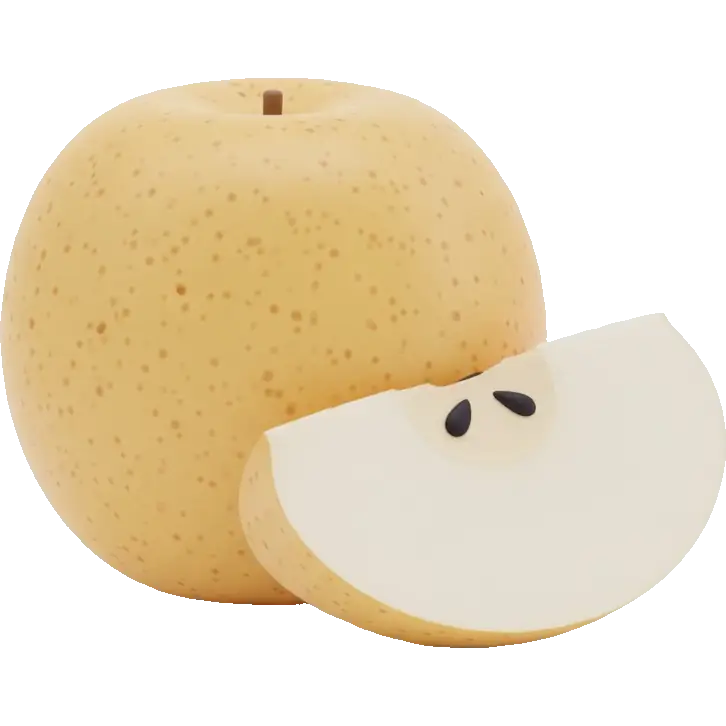
asian pear
Fruit
Is asian pear high in salicylates?
Is asian pear high or low in salicylates? See its exact rating, how much counts as a portion, and its FODMAP, salicylate, oxalate and diet compatibility in one place.
Related checkers
Compare asian pear across criteria
Sensitivity notes
Why salicylates food checker matters
Salicylates are natural chemicals found in many fruits, vegetables, herbs, and spices. They're related to aspirin and can cause reactions in sensitive individuals including hives, asthma symptoms, nasal congestion, and digestive issues.
- Start by eliminating the highest sources: spices, herbs, and concentrated products
- Peel fruits and vegetables when possible to reduce salicylate content
- Fresh is usually better tolerated than dried or concentrated
- Build up tolerance slowly by reintroducing foods one at a time
- Sensitivity often improves with gut healing over time
Sensitivities
What asian pear contains
FODMAPs
Histamine & Amines
Plant compounds
Irritants
Additives
Allergens
Diet fit
Where asian pear fits
Therapeutic diets
Lifestyle diets
Religious diets
What to know about asian pear
Asian pear, also sold as nashi, is the round crisp one with apple texture and pear flavour. It is remarkably clean on the chemical triggers: no histamine, no liberator effect, low salicylate, low oxalate, low nickel, no lectin issue, and it is fine for AIP. Its entire trigger story is sugar. It grades E for excess fructose and D for polyols, which is the unusual double hit that also makes apple such a problem, and E for total FODMAPs. That combination is the reason a person can eat a whole asian pear and be bloated for the rest of the afternoon while reacting to nothing else in the fruit. If your symptoms are flushing, itching or headaches, asian pear is one of the safest fruits you can pick. If your symptoms are wind, distension and urgency, it is a prime suspect.
Watch for
- Very high in excess fructose (E).It carries more fructose than glucose, and unabsorbed fructose pulls water into the bowel and ferments, which is the mechanism behind the bloating and the loose stool
- High in polyols (D), mainly sorbitol, which is the second half of the problem.Fructose plus sorbitol in one fruit is a rare combination and it is why asian pear grades E overall on FODMAPs
- Small portions help less than usual here, because both sugars stack in the same fruit rather than one being the sole culprit
- Dried, juiced or canned-in-juice asian pear concentrates the fructose further, so the processed forms hit harder than the fresh fruit
- Genuinely clean on histamine, salicylates, oxalate, nickel and lectins, which is why it is often recommended to people avoiding those triggers.That recommendation is sound only if FODMAPs are not your issue



Explore related in Fruit
Compare similar foods to build a personalized list of swaps that work for your system.




Salicylates Guide
Everything you need to know about salicylates sensitivity and smart food choices.
Salicylates are natural chemicals found in many fruits, vegetables, herbs, and spices. They're related to aspirin and can cause reactions in sensitive individuals including hives, asthma symptoms, nasal congestion, and digestive issues.
Sensitivity varies widely. What triggers one person may be fine for another. Track your reactions to find your personal threshold.
These foods are generally well-tolerated for Salicylates sensitivity:
View all safe options






These foods have moderate levels and may be tolerated in small amounts:







These foods are high in salicylates and may trigger symptoms:
View full list


If you're sensitive to Salicylates, consider these strategies:
- 1Start by eliminating the highest sources: spices, herbs, and concentrated products
- 2Peel fruits and vegetables when possible to reduce salicylate content
- 3Fresh is usually better tolerated than dried or concentrated
- 4Build up tolerance slowly by reintroducing foods one at a time
- 5Sensitivity often improves with gut healing over time
Pro tip: Keep a food diary to track your reactions. The Triggerbites app makes this easy with automatic pattern detection.
Want personalized tracking?
Download Triggerbites to log meals, track symptoms, and discover your unique triggers.
Get the AppFAQ
Is asian pear high in Salicylates?
Salicylates: low signal for most people.
Can I still eat asian pear if I'm sensitive to Salicylates?
Usually fine in normal portions.
What else should I check?
Check FODMAPs, Fructose, and Polyols next for a fuller picture.