rye
Grains
Is rye high in polyols?
Is rye high or low in polyols? See its exact rating, how much counts as a portion, and its FODMAP, salicylate, oxalate and diet compatibility in one place.
Related checkers
Compare rye across criteria
Sensitivity notes
Why polyols food checker matters
Polyols (sugar alcohols) are found naturally in some fruits and vegetables, and are used as artificial sweeteners. They're poorly absorbed and can cause digestive symptoms, especially in IBS sufferers.
- Avoid sugar-free products with sorbitol, mannitol, xylitol, maltitol
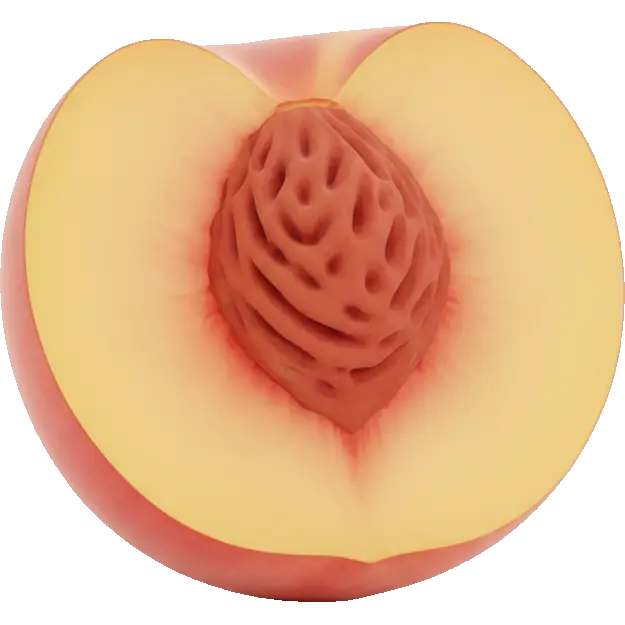
- Stone fruits are naturally high in polyols
- Cooking doesn't reduce polyol content
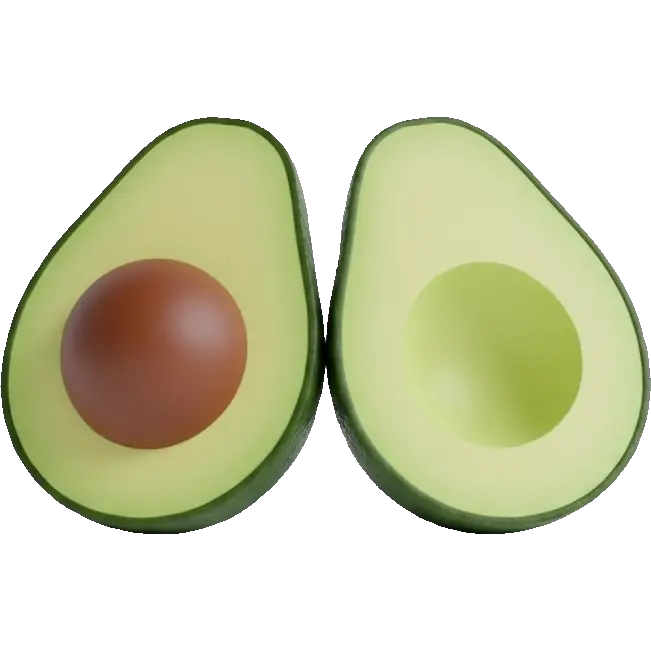
- Avocado portion size matters - small amounts may be fine
- Cauliflower and mushrooms are common triggers
Sensitivities
What rye contains
FODMAPs
Histamine & Amines
Plant compounds
Irritants
Additives
Allergens
Diet fit
Where rye fits
Therapeutic diets
Lifestyle diets
Religious diets
What to know about rye
Rye is a cereal grain in its own right, sold as rye berries, rye groats, cracked rye and rye flakes, and cooked like a chewy, nutty rice. It is also one of the highest-fructan foods anywhere in the grain aisle. Our data grades rye fructans E and gluten E, so it carries two unrelated problems at once: the fructan FODMAP that drives bloating, wind and cramping in IBS, and the gluten protein secalin, which rules rye out completely in coeliac disease. Lectins are graded E as well, with oxalate and nickel sitting borderline at C. The other side of rye is why Northern and Eastern European kitchens built entire cuisines on it: no common grain is richer in viscous soluble fibre, which is what makes a bowl of cooked rye berries so unusually filling. Rye is clean on histamine, salicylates, sulfites, glutamates and tyramine, so if rye reliably sets you off, the fructans or the gluten are almost certainly why.
Watch for
- Fructans graded E, the top of the scale.Rye is more fructan-dense than wheat, and the levels are highest in the outer layers of the kernel, so whole rye berries are if anything a bigger fructan dose than sifted rye flour.
- Contains gluten.Rye sits with wheat and barley in the coeliac triad, and no amount of soaking, sprouting or long slow cooking makes rye berries safe in coeliac disease.
- Fructans are water soluble, so boiling rye berries in a generous pot of water and draining it away leaches some out.It is a genuine reduction, not a rescue, and a normal serving stays high FODMAP.
- Lectins graded E.A hard boil breaks down most cereal lectins, but rye still lands at the high end if you are tracking lectin load specifically.
- Borderline on oxalate (C) and nickel (C).Whole grains are a quiet daily background source of both, which matters far more if rye is your everyday breakfast grain than if it is an occasional side dish.





Explore related in Grains
Compare similar foods to build a personalized list of swaps that work for your system.

Polyols Guide
Everything you need to know about polyols sensitivity and smart food choices.
Polyols (sugar alcohols) are found naturally in some fruits and vegetables, and are used as artificial sweeteners. They're poorly absorbed and can cause digestive symptoms, especially in IBS sufferers.
Sensitivity varies widely. What triggers one person may be fine for another. Track your reactions to find your personal threshold.
These foods are generally well-tolerated for Polyols sensitivity:
View all safe options




These foods have moderate levels and may be tolerated in small amounts:




These foods are high in polyols and may trigger symptoms:
View full list

If you're sensitive to Polyols, consider these strategies:
- 1Avoid sugar-free products with sorbitol, mannitol, xylitol, maltitol
- 2Stone fruits are naturally high in polyols
- 3Cooking doesn't reduce polyol content
- 4Avocado portion size matters - small amounts may be fine
- 5Cauliflower and mushrooms are common triggers
Pro tip: Keep a food diary to track your reactions. The Triggerbites app makes this easy with automatic pattern detection.
Want personalized tracking?
Download Triggerbites to log meals, track symptoms, and discover your unique triggers.
Get the AppFAQ
Is rye high in Polyols?
Polyols: low signal for most people.
Can I still eat rye if I'm sensitive to Polyols?
Usually fine in normal portions.
What else should I check?
Check Fructans, Gluten, and Lectin next for a fuller picture.